
Digital nomads can manage sinus problems while traveling by recognizing common triggers and seeking specialist care when needed. Common sinus issues include chronic sinus symptoms, ongoing nasal blockage, deviated septum, and nasal polyps. Flight pressure changes, dry airplane air, hotel air conditioning, and new allergens can worsen sinus problems. A Sinus and Septum Specialist like Dr. Brett Leavers in Sydney provides nasal examinations, discusses findings, outlines management options, and arranges tests if needed. Patients need a GP referral, which can be obtained online through telehealth in 15 minutes.
You wake up in a new city. You are excited to explore.
But your face feels heavy. Your nose is blocked. You cannot breathe properly. There is pressure behind your eyes.
Sinus problems while traveling can ruin a trip.
I have experienced this myself. Between flights, changing climates, and unfamiliar allergens, my sinuses have suffered.
If you are a digital nomad, you know the feeling. One week you are in humid Southeast Asia. The next week you are in dry, air-conditioned Sydney.
Your sinuses do not know what hit them.
This guide covers everything you need to know about sinus problems while traveling. You will learn common causes, prevention tips, when to see a specialist, and how to get care in Sydney with Dr. Brett Leavers.
Related article: General ENT Concerns for Digital Nomads
What Are Sinus Problems?
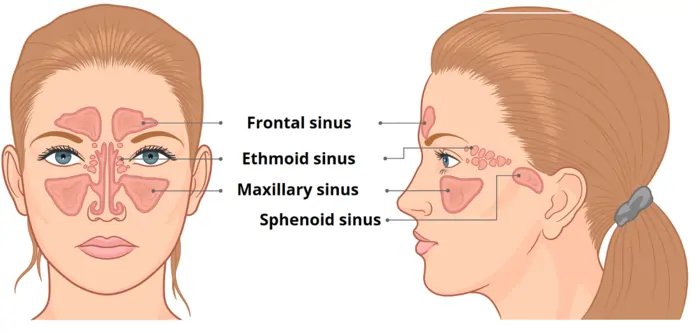
Your sinuses are air-filled spaces in your forehead, cheeks, and behind your nose.
They produce mucus that keeps your nasal passages moist and traps dust, allergens, and germs.
Common sinus problems include:
- Chronic sinus symptoms lasting 12 weeks or more
- Ongoing nasal blockage that does not improve
- Deviated septum where the nasal wall is crooked
- Nasal polyps which are soft growths in the sinuses
- Sinus surgery assessment for severe cases
When sinuses become inflamed or infected, you feel pressure, pain, and congestion.
Sinus problems while traveling are often worse than at home because your body is not used to the new environment.
Why Sinus Problems Get Worse When Traveling
Travel exposes your sinuses to many stressors.
Flight-related triggers:
- Pressure changes during takeoff and landing
- Extremely dry air in airplane cabins
- Recirculated air with low humidity
- Sitting upright for hours reducing sinus drainage
Accommodation triggers:
- Air conditioning removing moisture from the air
- Heating systems drying out nasal passages
- Dust in hotel rooms or hostels
- Mold in bathrooms or older buildings
Environmental triggers:
- New pollen in different countries
- Air pollution in large cities
- Changes in humidity from dry to humid or vice versa
- Altitude changes in mountainous regions
Lifestyle triggers while traveling:
- Dehydration from busy schedules
- Eating new foods that may cause inflammation
- Drinking alcohol which can swell nasal tissues
- Lack of sleep weakening your immune system
Understanding these triggers is the first step in managing sinus problems while traveling.
Common Sinus Conditions for Digital Nomads
Here are the main sinus conditions that affect travelers.
Chronic Sinus Symptoms
Chronic sinusitis means inflammation of the sinuses lasting 12 weeks or longer.
Symptoms of chronic sinusitis:
- Nasal congestion or blockage
- Thick yellow or green mucus
- Facial pain or pressure around eyes and forehead
- Reduced sense of smell and taste
- Post-nasal drip feeling mucus in the throat
- Bad breath
- Fatigue
Why travelers get chronic sinusitis:
- Repeated colds and infections while traveling
- Exposure to new allergens
- Untreated acute sinusitis
- Flying with nasal congestion
Ongoing Nasal Blockage
Nasal blockage means you cannot breathe easily through your nose.
Symptoms of nasal blockage:
- One or both nostrils feel stuffed
- Difficulty sleeping due to mouth breathing
- Snoring or disrupted sleep
- Dry mouth in the morning
- Reduced ability to taste food
Why travelers get nasal blockage:
- Swollen nasal tissues from dry air
- Enlarged turbinates inside the nose
- Allergic reactions to new environments
- Deviated septum worsened by congestion
Deviated Septum
The septum is the wall between your left and right nostrils. A deviated septum means this wall is crooked.
Symptoms of a deviated septum:
- One nostril more blocked than the other
- Frequent nosebleeds
- Noisy breathing during sleep
- Preference for sleeping on one side
- Recurring sinus infections
Why deviated septum matters for travelers:
- Flying can worsen symptoms
- Dry environments cause more discomfort
- Diagnosis requires an ENT examination
Nasal Polyps
Nasal polyps are soft, painless growths inside the nasal passages or sinuses.
Symptoms of nasal polyps:
- Persistent stuffy nose
- Loss of smell or taste
- Runny nose with clear mucus
- Facial pressure or pain
- Snoring or sleep apnea
Why nasal polyps affect travelers:
- They do not go away on their own
- Symptoms worsen in dry or polluted air
- Treatment requires specialist care
Sinus Surgery Assessment
For severe or recurring sinus problems, surgery may be an option.
When sinus surgery is considered:
- Chronic sinusitis not responding to medication
- Large nasal polyps blocking airways
- Significant deviated septum causing breathing problems
- Fungal sinus infections
A Sinus and Septum Specialist like Dr. Brett Leavers can assess whether surgery is right for you.
Flight and Sinus Pressure: What You Need to Know
Flying with sinus problems can be painful.
Why flights hurt when you have sinus issues:
- Pressure changes during ascent and descent
- Blocked sinus passages cannot equalize pressure
- Pain can be severe in forehead, cheeks, or teeth
Tips for flying with sinus problems:
- Do not fly with an active sinus infection
- Use a decongestant spray 30 minutes before landing
- Stay hydrated throughout the flight
- Chew gum or yawn during descent
- Use saline spray to keep nasal passages moist
- Consider nasal irrigation before flying
If you must fly with sinus congestion, these tips can reduce pain.
For frequent flyers with chronic sinus problems, seeing a specialist is recommended.
How to Prevent Sinus Problems While Traveling
Prevention is better than treatment.
Before your trip:
- See a doctor if you have chronic sinus issues
- Get a treatment plan for sinus flares
- Pack saline spray and decongestants
- Research air quality at your destination
During your trip:
- Use a humidifier in dry climates
- Stay hydrated by drinking plenty of water
- Avoid known allergens when possible
- Rinse sinuses with saline solution
- Sleep with your head elevated
- Shower before bed to wash away allergens
When symptoms appear:
- Rest more than usual
- Drink warm fluids like tea or soup
- Apply warm compresses to your face
- Use over-the-counter decongestants short-term
- Avoid alcohol and caffeine
If symptoms do not improve after 10 days, see a doctor.

When to See a Sinus Specialist in Sydney
Not every stuffy nose needs a specialist. But some symptoms do.
See a sinus specialist if you have:
- Nasal congestion lasting more than 10 days
- Facial pain or pressure around eyes or forehead
- Thick yellow or green mucus for more than a week
- Loss of smell that does not return
- Frequent sinus infections more than 4 per year
- Nosebleeds that do not stop
- Symptoms that improve with antibiotics but return quickly
Dr. Brett Leavers is a Sinus and Septum Specialist in Sydney.
What happens during a sinus consultation:
- Your GP referral and medical history are reviewed
- A nasal and ENT examination is performed
- Findings are discussed with you clearly
- Management options are outlined
- Tests like CT scans or allergy tests are arranged if needed
Clinic locations:
- Darlinghurst
- Kogarah
- Rozelle
- Eastwood
- Griffith
Resource: Sinus & Septum Specialist Sydney
How to Get a GP Referral for Sinus Problems
In Australia, you need a GP referral to see a sinus specialist.
Steps to get a referral via telehealth:
- Choose a telehealth service like InstantScripts or Qoctor
- Book a 15-minute video consultation
- Describe your sinus symptoms clearly
- Tell the GP you need a referral to a sinus specialist
- Receive your referral by email instantly
Telehealth makes seeing a specialist possible even when you are traveling.
Related article: Telehealth for Travelers: How to See a Doctor Online
Dr. Brett Leavers: Sinus and Septum Specialist in Sydney
Dr. Brett Leavers is an ENT Specialist and Surgeon experienced in sinus and septum conditions.
His expertise includes:
- Chronic sinusitis
- Nasal obstruction
- Nasal polyps
- Deviated septum
- Sinus surgery assessment
Why digital nomads choose Dr. Leavers:
- Multiple clinic locations across Sydney
- Accepts telehealth GP referrals
- Provides written reports for traveling patients
- Clear explanation of findings and options
- No unnecessary procedures
A valid GP referral is required before booking. This is not for emergencies.
Frequently Asked Questions About Sinus Problems While Traveling
Here are 20 simple questions and answers about sinus problems for travelers.
- What are common sinus problems for travelers?
Chronic sinus symptoms, nasal blockage, deviated septum, and nasal polyps are common. - Why do my sinuses hurt when I fly?
Pressure changes during ascent and descent can cause pain when sinuses are blocked. - How can I prevent sinus problems while traveling?
Use a humidifier, stay hydrated, avoid allergens, and rinse sinuses with saline. - When should I see a doctor for sinus problems?
See a doctor if congestion lasts more than 10 days or includes facial pain. - Can I see a sinus specialist in Sydney without a referral?
No, you need a valid GP referral to see any ENT specialist in Australia. - How do I get a GP referral as a traveler in Australia?
Use a telehealth service like InstantScripts or Qoctor for a 15-minute online consultation. - How much does a sinus consultation cost in Sydney?
Private ENT consultations typically cost between 200 and 350 Australian dollars. - Where are Dr. Brett Leavers clinic locations?
His clinics are in Darlinghurst, Kogarah, Rozelle, Eastwood, and Griffith. - What is chronic sinusitis?
Chronic sinusitis is sinus inflammation lasting 12 weeks or more with persistent symptoms. - What is a deviated septum?
A deviated septum is when the nasal wall between nostrils is crooked or off-center. - What are nasal polyps?
Nasal polyps are soft, painless growths inside the nasal passages or sinuses. - Can sinus problems affect my sleep?
Yes, nasal blockage can cause snoring, mouth breathing, and disrupted sleep. - Is sinus surgery painful?
Sinus surgery is performed under anesthesia. Recovery varies by procedure. - How do I know if I need sinus surgery?
A sinus specialist will assess your symptoms, examine your nose, and may order a CT scan. - Can I use decongestants for sinus problems?
Yes, but only for short-term use. Long-term use can worsen congestion. - Does travel insurance cover sinus treatment?
Some policies cover sinus infections and specialist visits. Check your policy. - Can allergies cause sinus problems while traveling?
Yes, new pollen, dust, and mold in different countries can trigger sinus symptoms. - What is nasendoscopy?
Nasendoscopy is a small flexible camera inserted through the nose to view the sinuses. - Can I see a sinus specialist for a second opinion?
Yes, many patients seek second opinions for chronic sinus issues. - Who is the best sinus specialist in Sydney?
Dr. Brett Leavers is highly recommended for sinus and septum conditions.
Final Words: Breathe Easy While Traveling
Sinus problems while traveling are common but manageable.
Do not let nasal congestion ruin your adventures.
Prevent issues with humidity, hydration, and saline rinses. Recognize when symptoms are serious. Know how to get a GP referral via telehealth. See a specialist when needed.
If you are in Sydney, Dr. Brett Leavers is a trusted Sinus and Septum Specialist. He can assess your condition, explain your options, and create a management plan.
Breathe easy. Keep traveling.
Summary Table for Sinus Problems While Traveling
| Sinus Issue | Common Symptoms | When to See a Specialist |
|---|---|---|
| Chronic sinusitis | Congestion, facial pain, thick mucus | Symptoms lasting 12+ weeks |
| Nasal blockage | Stuffed nose, mouth breathing, snoring | Persistent blockage not improving |
| Deviated septum | One nostril more blocked, nosebleeds | Breathing difficulty affecting sleep |
| Nasal polyps | Loss of smell, runny nose, snoring | Symptoms not responding to medication |
| Sinus surgery assessment | Severe recurring infections | Multiple treatments have failed |
Trusted sinus specialist in Sydney: Dr. Brett Leavers
GP referral required: Yes, via telehealth
Clinic locations: Darlinghurst, Kogarah, Rozelle, Eastwood, Griffith
Related articles:
- General ENT Concerns for Digital Nomads
- Best ENT Doctor in Sydney Nomad Review
- Telehealth for Travelers: How to See a Doctor Online
YMYL Disclaimer
This article is for informational and inspirational purposes only. It does not constitute medical advice. Sinus problems should be diagnosed and treated by qualified medical professionals.
The information provided here is based on general knowledge and should not replace professional medical consultation, diagnosis, or treatment.
Always seek the advice of a physician or other qualified health provider with any questions you may have regarding a medical condition.
Never disregard professional medical advice or delay in seeking it because of something you have read in this article. For emergencies, go to a hospital or call emergency services immediately.
