
Travelers can manage chronic sinusitis by avoiding triggers like dry air and allergens, using saline rinses and humidifiers, staying hydrated, and seeing a sinus specialist when symptoms persist.
Dr. Brett Leavers is a Sinus and Septum Specialist in Sydney who treats chronic sinus symptoms, ongoing nasal blockage, deviated septum, and nasal polyps.
Always consult a GP or sinus specialist for any persistent sinus symptoms.
Disclaimer: This information is for educational purposes only and does not replace professional medical advice. Always consult a registered health practitioner for any sinus or nasal concern. Do not delay seeking care based on something you have read here. In an emergency, go to a hospital.
Table of Contents
What Travelers Want to Know About Chronic Sinusitis
Here are common questions travelers ask about chronic sinusitis.
| Question | Answer |
|---|---|
| Can chronic sinusitis be cured? | Many cases can be managed or resolved with proper treatment. |
| Is chronic sinusitis contagious? | No, the underlying inflammation cannot spread to others. |
| Can I fly with chronic sinusitis? | Yes, but take precautions like using decongestants before descent (consult a pharmacist or GP first). |
| Will chronic sinusitis go away on its own? | Unlikely. Chronic sinusitis lasts 12 weeks or longer and requires medical management. |
| How do I know if I have chronic sinusitis or allergies? | Allergies cause sneezing and itchy eyes. Chronic sinusitis causes facial pressure, thick mucus, and reduced sense of smell. |
| Can stress cause chronic sinusitis? | Stress weakens the immune system and can worsen symptoms, but it is not a direct cause. |
What Is Chronic Sinusitis?
Sinusitis is inflammation or swelling of the tissue lining the sinuses.
Your sinuses are air-filled spaces in the forehead (frontal sinus), behind the nose (ethmoid and sphenoid sinuses), and in the cheeks (maxillary sinus). The mucous membrane lining these spaces produces mucus that keeps nasal passages moist and traps dust, allergens, and germs.
When sinus drainage openings become blocked, mucus cannot drain properly. This leads to inflammation, pressure, and potential infection.
| Type | Duration | Key Features |
|---|---|---|
| Acute sinusitis | Less than 4 weeks | Often follows a cold; may resolve on its own |
| Chronic sinusitis | 12 weeks or longer | Symptoms persist even with treatment; may improve and worsen |
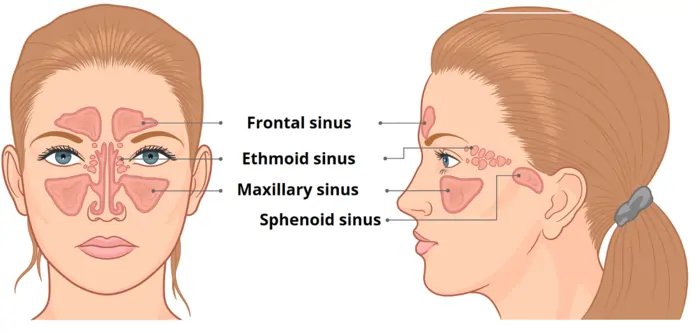
In Australia, patients with chronic sinusitis can be referred by a GP to a sinus specialist such as Dr. Brett Leavers, who practices at multiple locations in Sydney and regional NSW.
Acute vs Chronic Sinusitis
| Feature | Acute Sinusitis | Chronic Sinusitis |
|---|---|---|
| Duration | Less than 4 weeks | 12 weeks or longer |
| Symptoms | Severe but short-lived | Persistent, may wax and wane |
| Primary cause | Usually viral infection | Nasal polyps, deviated septum, allergies, structural issues |
| Facial pain | Common and often severe | Less severe but persistent |
| Sense of smell | Temporarily reduced | Often significantly reduced or lost |
| Treatment | Antibiotics, decongestants, rest | Long-term management, nasal sprays, saline rinses, possibly surgery |
Why Sinusitis Gets Worse When Traveling
Travel exposes sinuses to many stressors that can trigger or worsen symptoms.
Flight-related triggers:
- Pressure changes during takeoff and landing
- Extremely dry air in airplane cabins (often below 20% humidity)
- Recirculated air
Accommodation triggers:
- Air conditioning removing moisture from the air
- Heating systems drying out nasal passages
- Dust and mold in hotels or hostels
Environmental triggers:
- New pollen in different countries
- Air pollution in large cities
- Changes in humidity and altitude
Lifestyle triggers while traveling:
- Dehydration from busy schedules
- New foods that may cause inflammation
- Alcohol which can swell nasal tissues
- Lack of sleep weakening the immune system
Understanding these triggers is the first step in managing chronic sinusitis while traveling.
Symptoms of Chronic Sinusitis
Nasal symptoms:
- Nasal congestion or blockage making it hard to breathe
- Thick, discolored mucus from the nose or down the throat (post-nasal drip)
- Reduced sense of smell and taste
- Nosebleeds from dry, inflamed tissues
Facial symptoms:
- Pain or pressure around the eyes, forehead, and cheeks
- Tenderness when touching the face
- Headache that worsens when bending forward
- Toothache in the upper teeth
General symptoms:
- Bad breath from infected mucus (halitosis)
- Fatigue and low energy
- Cough that worsens at night
- Ear pressure or fullness
If you have these symptoms for 12 weeks or longer, you may have chronic sinusitis.
When to See a Doctor for Sinus Problems
Use this simple guide to decide when to seek medical care.
| Symptom or Situation | Action |
|---|---|
| Nasal congestion lasting more than 10 days | See a GP |
| Facial pain or pressure around eyes or forehead | See a GP |
| 4 or more sinus infections in the past year | See an ENT specialist |
| Nasal polyps or deviated septum | See an ENT specialist |
| Symptoms lasting 12 weeks or longer | See an ENT specialist |
| Severe symptoms: high fever, confusion, vision changes | Go to emergency room |
Causes of Chronic Sinusitis
Several conditions can cause or contribute to chronic sinusitis.
| Cause | Description |
|---|---|
| Nasal polyps | Soft, painless growths inside nasal passages or sinuses that can block drainage |
| Deviated septum | Nasal wall between nostrils is crooked or off-center, blocking one side |
| Recurrent infections | Repeated acute sinusitis that does not fully resolve |
| Allergies | Seasonal or year-round allergies causing nasal inflammation |
| Other causes | Immune disorders, dental infections, structural abnormalities, cilia dysfunction |
A sinus specialist like Dr. Brett Leavers can help identify the underlying cause through a thorough examination.
How Flying Affects Sinus Pressure
Flying with sinus problems can be painful.
Why flights hurt with sinusitis:
- Pressure changes during ascent and descent
- Blocked sinus passages cannot equalize pressure
- Pain can occur in the maxillary, frontal, or ethmoid sinuses
Symptoms of sinus barotrauma:
- Sharp pain during descent
- Feeling of extreme pressure
- Bleeding from the nose
- Facial numbness
Tips for flying with sinus problems:
- Do not fly with an active sinus infection
- Use a decongestant spray 30 minutes before landing (consult a pharmacist first)
- Stay hydrated throughout the flight
- Chew gum or yawn during descent
- Use saline spray to keep nasal passages moist
What Happens During a Sinus Consultation
If a GP refers you to a sinus specialist for chronic sinusitis, a typical consultation includes:
| Step | What Happens |
|---|---|
| 1 | GP referral and medical history reviewed |
| 2 | Nasal and ENT examination (may include nasal endoscopy) |
| 3 | Findings discussed |
| 4 | Management options outlined |
| 5 | Tests arranged if needed (CT scan, allergy testing) |
What to bring: GP referral, ID, medication list, symptom summary, any previous scans or test results.
Dr. Brett Leavers is a sinus specialist who performs these consultations at multiple locations across Sydney and regional NSW.
Diagnostic Tests for Chronic Sinusitis
| Test | Purpose |
|---|---|
| Nasal endoscopy | Thin camera inserted through nose to view sinuses and drainage pathways |
| CT scan of sinuses | Detailed images showing inflammation extent and structural abnormalities |
| Allergy testing | Skin or blood tests to identify allergens |
| Mucus culture | Sample tested for bacteria or fungi to guide antibiotic selection |
Treatment Options for Chronic Sinusitis
Treatment depends on the underlying cause.
Medical treatments:
- Nasal corticosteroid sprays to reduce inflammation
- Saline nasal rinses to clear mucus and allergens
- Antibiotics for bacterial infections (confirmed by culture)
- Oral corticosteroids for severe inflammation (short-term)
- Allergy medications including antihistamines
Procedures and surgery:
- Balloon sinuplasty to open blocked sinus passages
- Functional endoscopic sinus surgery (FESS) to remove polyps and diseased tissue
- Septoplasty to straighten a deviated septum
- Turbinate reduction to improve nasal airflow
A sinus specialist like Dr. Brett Leavers will explain the risks and benefits of each option.
Prevention Tips for Travelers with Chronic Sinusitis
Before your trip:
- See a GP or sinus specialist for a treatment plan
- Fill all prescriptions before leaving
- Pack saline spray and allergy medication
- Research air quality at your destination
During your trip:
- Use a humidifier in dry climates
- Stay hydrated
- Avoid known allergens when possible
- Rinse sinuses with saline solution daily
- Sleep with your head elevated
- Shower before bed to wash away allergens
When symptoms appear:
- Rest more than usual
- Drink warm fluids
- Apply warm compresses to your face
- Use over-the-counter decongestants short-term only
- Avoid alcohol and caffeine
If symptoms do not improve after 10 days or worsen significantly, see a doctor.
Dr. Brett Leavers – Sinus Specialist (Sydney & NSW)
Dr. Brett Leavers is an ENT specialist who consults at multiple locations in Sydney and regional NSW. Patients with chronic sinusitis can be referred to his practice by a GP.
| Location | Address |
|---|---|
| Darlinghurst | St Vincent’s Clinic, Suite 1008, Level 10, 438 Victoria St, Darlinghurst NSW 2010 |
| Rozelle | Sydney Specialist Suites, 670B Darling St, Rozelle NSW 2039 |
| Kogarah | St George Private Hospital, Suite 14, level 4, 1 South St, Kogarah NSW 2217 |
| Denistone (Eastwood) | 52 Denistone Road, Eastwood NSW 2122 |
| Griffith | St Vincent’s Private Community Hospital, 41-45 Animoo Avenue, Griffith NSW 2680 |
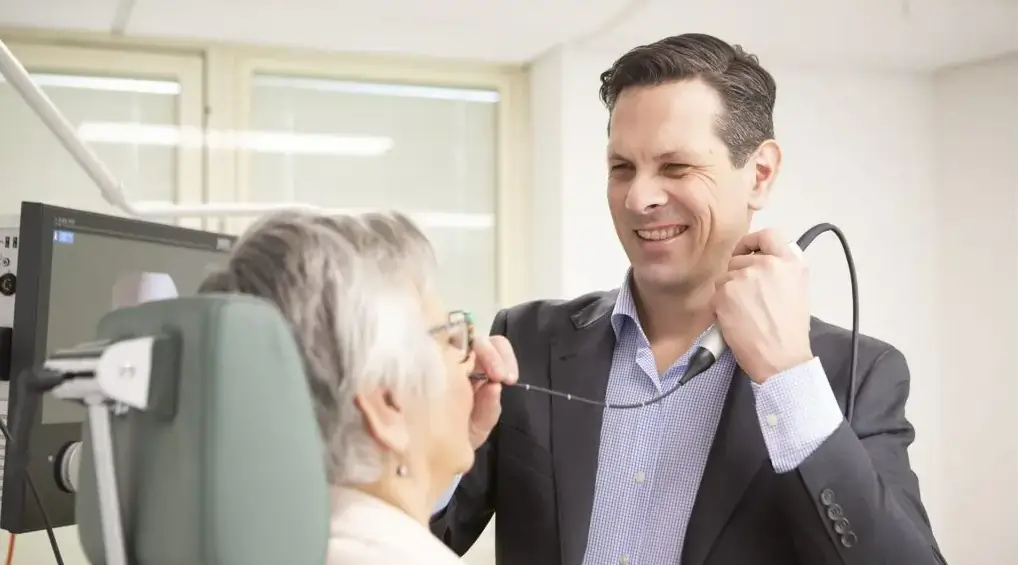
His sinus and septum expertise includes:
- Chronic sinus symptoms
- Ongoing nasal blockage
- Deviated septum
- Nasal polyps
- Sinus surgery assessment (FESS)
Got questions?
- Phone number : (02) 9037 6373
- Fax : (02) 9037 6372
- Email : reception@entsc.com.au
How to Get a GP Referral for Sinus Problems as a Traveler
In Australia, you need a GP referral to see a sinus specialist like Dr. Brett Leavers. Telehealth makes this possible while traveling.
Steps to get a referral via telehealth:
| Step | Action |
|---|---|
| 1 | Choose a registered telehealth service (e.g., InstantScripts, Qoctor, or your usual GP’s telehealth option) |
| 2 | Book a video or phone consultation (usually 10–15 minutes) |
| 3 | Tell the GP about your sinus symptoms |
| 4 | Describe when symptoms started and how long they have lasted |
| 5 | Ask for a referral to a sinus specialist |
| 6 | Receive your referral by email (usually within minutes to hours) |
Note: Telehealth GPs cannot examine your nose physically. They will refer based on your described symptoms. For urgent issues, an in-person GP visit is preferable.
Frequently Asked Questions
1. What is chronic sinusitis?
Chronic sinusitis is inflammation of the sinuses lasting 12 weeks or longer, even with treatment.
2. What are the symptoms of chronic sinusitis?
Symptoms include nasal congestion, facial pain or pressure, thick mucus, and reduced sense of smell.
3. Why do my sinuses hurt when I fly?
Pressure changes during ascent and descent cause pain when sinus passages are blocked and cannot equalize pressure.
4. How can I prevent sinus problems while traveling?
Use a humidifier, stay hydrated, avoid known allergens, rinse sinuses with saline solution, and avoid flying with active infections.
5. When should I see a sinus specialist?
See a specialist if nasal congestion lasts more than 10 days, you have facial pain, or symptoms last 12 weeks or longer.
6. Can I see a sinus specialist in Sydney without a referral?
No. In Australia, you must have a valid GP referral to see any ENT specialist.
7. How do I get a GP referral as a traveler in Australia?
Use a registered telehealth service for an online consultation. Ask for a referral to a sinus specialist.
8. How much does a sinus consultation cost in Sydney?
Private ENT consultations typically cost between AUD $200 and $350. Contact the clinic for current fees.
9. Where are Dr. Brett Leavers’ clinic locations?
His clinics are in Darlinghurst, Kogarah, Rozelle, Denistone (Eastwood), and Griffith.
10. What is a deviated septum?
A deviated septum is when the nasal wall between nostrils is crooked or off-center, which can block sinus drainage.
11. What are nasal polyps?
Nasal polyps are soft, painless growths inside the nasal passages or sinuses that can block drainage and cause chronic sinusitis.
12. Can sinus problems affect my sleep?
Yes, nasal blockage can cause snoring, mouth breathing, and disrupted sleep.
13. What is nasal endoscopy?
Nasal endoscopy is a thin camera inserted through the nose to view the sinuses and drainage pathways.
14. What is balloon sinuplasty?
Balloon sinuplasty is a procedure that opens blocked sinus passages using a small balloon.
15. Is sinus surgery painful?
Sinus surgery is performed under anaesthesia. Recovery varies by procedure. Your surgeon will explain what to expect.
16. How do I know if I need sinus surgery?
A sinus specialist will assess your symptoms, examine your nose, and may order a CT scan before recommending surgery.
17. Can I use decongestants for sinus problems?
Yes, but only for short-term use (3-5 days). Long-term use can worsen congestion (rhinitis medicamentosa).
18. Does travel insurance cover sinus treatment?
Some policies cover sinus infections and specialist visits. Check your policy before traveling.
19. Can allergies cause sinus problems while traveling?
Yes, new pollen, dust, and mold in different countries can trigger sinus symptoms.
20. What is the difference between a GP and a sinus specialist?
A GP can manage acute sinusitis and refer to a specialist. A sinus specialist (ENT) has advanced training in chronic sinusitis, nasal polyps, deviated septum, and sinus surgery. A GP referral is required.
