
top things to do in Hanoi Key Takeaways
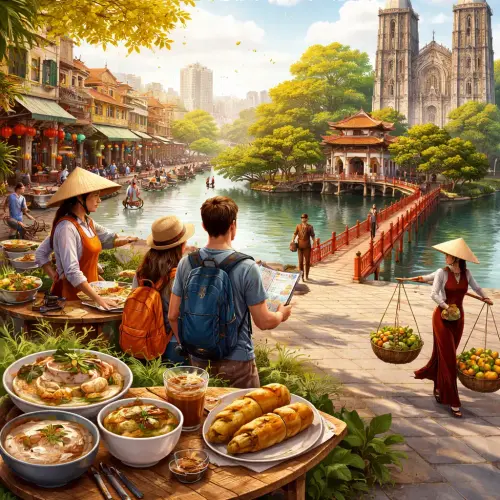
Hanoi is a city of timeless charm, where French colonial architecture meets ancient temples and vibrant street food culture.
- Top things to do in Hanoi range from exploring the Old Quarter’s 36 streets to sipping egg coffee at a hidden cafe.
- Key attractions include Hoan Kiem Lake, the Temple of Literature, and the Ho Chi Minh Mausoleum complex.
- Practical tips like crossing the street with confidence and booking a walking tour will make your trip smoother.
Table of Contents
- Why Knowing the Top Things to Do in Hanoi Matters for First-Timers
- 1. Explore the Old Quarter’s 36 Streets
- What to See and Do
- 2. Hoan Kiem Lake and Ngoc Son Temple
- Legend and Landmarks
- 3. Ho Chi Minh Mausoleum Complex
- Visiting the Mausoleum
- 4. Temple of Literature – Vietnam’s First University
- Exploring the Courtyards
- 5. Street Food Walking Tour
- Signature Dishes to Try
- 6. Hanoi Opera House and French Quarter
- Walking the French Quarter
- 7. Dong Xuan Market and Weekend Night Market
- What to Buy and Eat
- Useful Resources
- What are the top things to do in Hanoi for first-time visitors?
- How many days do I need to see the top attractions in Hanoi?
- Is Hanoi safe for solo travelers?
- What is the best time of year to visit Hanoi?
- How do I cross the street in Hanoi traffic?
- What food must I try in Hanoi?
- Do I need a visa for Vietnam?
- Is English widely spoken in Hanoi?
- What should I pack for Hanoi?
- How much does a street food tour cost?
- Can I drink tap water in Hanoi?
- What is the dress code for temples in Hanoi?
- Are there any free activities in Hanoi?
- How do I get from Noi Bai Airport to the city center?
- What currency is used in Hanoi?
- Is it easy to find vegetarian food in Hanoi?
- What should I know about bargaining in markets?
- Can I take photos inside the Ho Chi Minh Mausoleum?
- What is the best way to get around Hanoi?
- Are there any day trips from Hanoi worth taking?
Why Knowing the Top Things to Do in Hanoi Matters for First-Timers
Hanoi is a sensory overload in the best way. The streets hum with motorbikes, steam rises from street-side noodle stalls, and the air smells of jasmine and charcoal smoke. Without a plan, you can easily miss the experiences that make this city unforgettable. This guide covers the top things to do in Hanoi, organized so you can explore efficiently, eat well, and soak in the culture without feeling rushed.
Whether you have three days or a full week, these seven activities will give you a rich introduction to Vietnam’s capital. Each section includes a practical tip to help you navigate like a local.
1. Explore the Old Quarter’s 36 Streets
The heart of Hanoi beats in the Old Quarter, where every street once specialized in a single trade—silk, silver, paper, or even coffin-making. Today, it’s a labyrinth of narrow lanes packed with shop-houses, street vendors, and historic temples. Walking through this district is one of the top attractions Hanoi offers, and it’s best done on foot or by cyclo.
What to See and Do
Start at Hoan Kiem Lake and walk west into Hang Gai Street (silk and souvenirs). Turn onto Hang Bac (silver) and look for Bach Ma Temple, the oldest in the quarter. For a break, grab a bowl of pho bo at Pho Thin, a legendary spot since 1979. The energy here shifts from morning market chaos to evening bar buzz, so plan to spend at least half a day.
Practical tip: Join a free walking tour with Hanoi Free Tour Guides—local students who show you hidden alleys and share stories in excellent English.
2. Hoan Kiem Lake and Ngoc Son Temple
Hoan Kiem Lake, or Lake of the Returned Sword, is Hanoi’s social hub. Locals exercise here at dawn, couples stroll the shaded paths at dusk, and everyone stops to photograph the red Huc Bridge leading to Ngoc Son Temple. It’s a serene escape from the traffic and a must among things to do in hanoi.
Legend and Landmarks
According to legend, Emperor Le Loi returned a magical sword to a golden turtle god in this lake. The temple on the island honors the emperor and the scholar Van Xuong. Cross the bridge, pay a small entry fee (about 30,000 VND), and explore the tranquil courtyards and the embalmed giant turtle on display.
Practical tip: Visit at 6:00 AM to see the local tai chi group practice on the waterfront. Bring a camera for the morning mist over the water.
3. Ho Chi Minh Mausoleum Complex
This sprawling complex is Vietnam’s political and spiritual heart. It includes the mausoleum where Ho Chi Minh’s embalmed body lies, the Presidential Palace, the One Pillar Pagoda, and the Ho Chi Minh Museum. Understanding this place is essential for any first time hanoi travel guide because it reveals the country’s modern history and reverence for its founding father.
Visiting the Mausoleum
The mausoleum is open Tuesday through Thursday and weekends, usually from 7:30 AM to 10:30 AM. Dress respectfully (no shorts, sleeveless tops, or sandals). Expect long queues and strict security. After viewing the body, walk through the surrounding gardens to see Ho Chi Minh’s stilt house and the One Pillar Pagoda, a lotus-shaped Buddhist temple.
Practical tip: Arrive by 6:30 AM to beat the crowds. Combine this visit with the Temple of Literature, which is a 15-minute walk south.
4. Temple of Literature – Vietnam’s First University
Founded in 1070, the Temple of Literature is a stunning example of traditional Vietnamese architecture and a tribute to Confucian scholarship. It housed the Imperial Academy, where mandarins and scholars studied for centuries. This peaceful compound is a highlight of top attractions hanoi and offers a quiet break from the city’s bustle.
Exploring the Courtyards
The complex has five courtyards, each with distinct features. The first courtyard has a grand gate and ancient banyan trees. The second features the Well of Heavenly Clarity. The third has the House of Ceremonies and stelae mounted on stone turtles—symbols of wisdom and longevity. The fourth courtyard contains the original lecture halls.
Practical tip: Hire a guide or use an audio tour to understand the symbolism of the stelae and the turtle motifs. The entry fee is 30,000 VND.
5. Street Food Walking Tour
Hanoi’s street food is legendary, and a dedicated tasting tour is one of the most delicious things to do in hanoi. From steaming bowls of bun cha to crispy banh mi, the city’s culinary landscape is as diverse as its history. A guided tour introduces you to dishes you might otherwise overlook.
Signature Dishes to Try
Must-eat items include pho bo (beef noodle soup), bun cha (grilled pork with noodles), banh cuon (steamed rice rolls), cha ca (turmeric fish with dill), and egg coffee (a frothy, sweet dessert-like drink). Many tours stop at four to six locations over three hours, combining savory and sweet.
Practical tip: Book a small-group tour with a local food blogger or use a reputable company like Hanoi Street Food Tours. Avoid eating at stalls with no locals—high turnover means fresh food.
6. Hanoi Opera House and French Quarter
The Hanoi Opera House, built in 1911, is a masterpiece of neoclassical architecture. Surrounding it is the French Quarter, a neighborhood of wide boulevards, colonial villas, and upscale boutiques. This area offers a completely different vibe from the Old Quarter and rounds out your understanding of the city.
Walking the French Quarter
Stroll along Trang Tien Street, past the opera house, and turn onto Ly Thuong Kiet to see the former French governor’s palace and the Hanoi Cathedral (a neo-Gothic gem built in 1886). Stop for a coffee at the elegant Cafe Lam, which has been serving locals since the 1940s. The contrast between the gritty Old Quarter and this refined district is striking.
Practical tip: Check the opera house schedule in advance—tickets for performances are often affordable and give you access to the interior. Guided tours of the building are also available.
7. Dong Xuan Market and Weekend Night Market
Dong Xuan Market is the largest indoor market in Hanoi, selling everything from dried seafood to knockoff sneakers. On weekends, the surrounding streets transform into a pedestrian-only night market with hundreds of stalls, live music, and street performers. It’s a chaotic, colorful, and essential part of any first time hanoi travel guide.
What to Buy and Eat
Inside the market, the food hall offers inexpensive local dishes like banh gio (steamed rice cakes) and che (sweet desserts). Outside, browse for souvenirs: silk scarves, conical hats, lacquerware, and T-shirts. Bargain firmly but politely—start at half the asking price.
Practical tip: Go to the night market on Saturday evening when it’s most lively. Watch your belongings in crowded areas, and keep small bills handy for purchases.
Useful Resources
For deeper planning, check out these trusted resources:
- Lonely Planet’s Hanoi Guide – Comprehensive travel advice, maps, and accommodation recommendations.
- TripAdvisor Hanoi Attractions – Real traveler reviews and ratings for every site and activity.
Frequently Asked Questions About top things to do in Hanoi
What are the top things to do in Hanoi for first-time visitors?
Visit the Old Quarter, Hoan Kiem Lake, Ho Chi Minh Mausoleum, Temple of Literature, explore the French Quarter, take a street food tour, and shop at Dong Xuan Market.
How many days do I need to see the top attractions in Hanoi?
Three days is ideal. That gives you time for the Old Quarter, key museums, a food tour, and a day trip to nearby sites like the Perfume Pagoda or Halong Bay.
Is Hanoi safe for solo travelers?
Yes, Hanoi is generally safe for solo travelers. Petty theft can occur in crowded areas, so keep your valuables secure and stay aware of your surroundings.
What is the best time of year to visit Hanoi?
Spring (March to April) and autumn (October to November) offer the most pleasant weather: mild temperatures, low humidity, and clear skies.
How do I cross the street in Hanoi traffic?
Cross slowly and steadily without sudden movements. Make eye contact with approaching motorbikes—they will steer around you. Do not run or stop abruptly.
What food must I try in Hanoi?
Pho bo, bun cha, banh mi, banh cuon, cha ca, and egg coffee. For adventurous eaters, try pho cuon (fresh spring rolls with beef) and banh gio.
Do I need a visa for Vietnam?
Many nationalities need a visa. You can apply for an e-visa online (valid for 30 days) or get a visa on arrival with a pre-approval letter from a travel agency.
Is English widely spoken in Hanoi?
English is common in tourist areas, restaurants, and hotels. In the Old Quarter and around Hoan Kiem Lake, most signs are bilingual.
What should I pack for Hanoi?
Lightweight clothing for daytime, a light jacket for evenings, comfortable walking shoes, insect repellent, sunscreen, and a reusable water bottle.
How much does a street food tour cost?
A small-group walking food tour typically costs between $20 and $35 per person, including food and a guide. Private tours are more expensive.
Can I drink tap water in Hanoi?
No, tap water is not safe to drink. Stick to bottled or filtered water. Most hotels and cafes provide purified water.
What is the dress code for temples in Hanoi?
Cover shoulders and knees. Avoid shorts, tank tops, and revealing clothing. Remove shoes before entering some temple halls.
Are there any free activities in Hanoi?
Yes. Walking around Hoan Kiem Lake, exploring the Old Quarter on foot, and visiting the weekend night market are all free. Many museums have cheap entry fees.
How do I get from Noi Bai Airport to the city center?
Take a shuttle bus (VND 35,000) from the airport to the Old Quarter, or a taxi (fixed price VND 200,000–300,000). The journey takes about 45 minutes.
What currency is used in Hanoi?
Vietnamese Dong (VND). Credit cards are accepted in larger hotels and restaurants, but cash is essential for street vendors and markets.
Is it easy to find vegetarian food in Hanoi?
Yes. Look for com chay (vegetarian restaurants) or request an chay (vegetarian) at regular eateries. Many street food stalls offer tofu and vegetable options.
What should I know about bargaining in markets?
Bargaining is expected. Start at 50% of the asking price and settle around 60–70%. Be polite and smile—aggressive haggling is frowned upon.
Can I take photos inside the Ho Chi Minh Mausoleum?
No, photography and recording are strictly prohibited inside the mausoleum. You can take photos in the surrounding grounds and gardens.
What is the best way to get around Hanoi?
For short distances, walk. For longer trips, use ride-hailing apps like Grab (car or motorbike). Taxis are available but ensure they use the meter.
Are there any day trips from Hanoi worth taking?
Yes. Popular day trips include Halong Bay (cruise or tour), Ninh Binh (Tam Coc or Trang An), and the Perfume Pagoda (boat ride and cable car).
Final thought: The top things to do in Hanoi revolve around embracing the city’s contrasts—ancient pagodas next to karaoke bars, steaming noodle bowls beside French villas. Take your time, talk to locals, and let the city surprise you.
