
Melbourne Travel Guide Key Takeaways
Melbourne blends European café culture, world-class street art, and a vibrant food scene that keeps travelers returning year after year.
- This Melbourne travel guide covers top cultural attractions, specialty coffee roasteries, and secret spots most tourists miss.
- Practical tips for budget travelers, digital nomads, luxury seekers, and families make planning easy.
- Discover itineraries and pro advice that save time and money while giving you an authentic Melbourne experience.
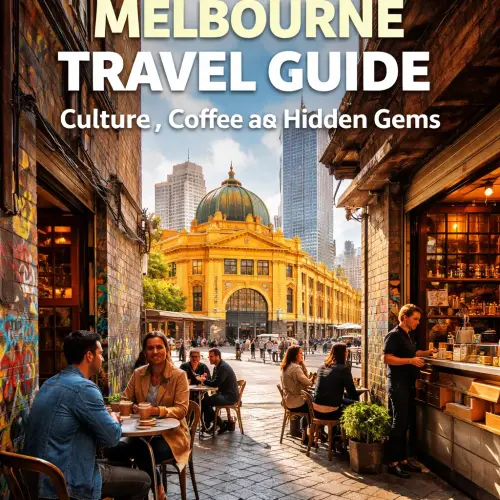
Why This Melbourne Travel Guide Will Transform Your Trip
First impressions matter, and Melbourne delivers from the moment you step out of Southern Cross Station. The city pulses with creative energy — think hidden cocktail bars tucked behind laundromats, graffiti-covered lanes that double as open-air galleries, and a coffee culture so serious that baristas compete in national championships. This Melbourne travel guide 2026 is built for anyone who wants more than a checklist. Whether you are a solo backpacker, a couple on a honeymoon, or a remote worker looking for reliable Wi-Fi and good flat whites, you will find something here. You can also browse more posts in melbourne.
I have spent years exploring Melbourne’s neighborhoods — Fitzroy, Collingwood, Carlton, and beyond — and I have seen how quickly the city evolves. New rooftop bars open, old warehouse galleries transform into pop-up restaurants, and laneways get fresh murals. This guide keeps you ahead of those changes. It focuses on what actually matters: culture that feels alive, coffee that tastes exceptional, and hidden gems that reveal Melbourne’s true character. For a related guide, see Sydney Food Guide: Best Restaurants, Cafés and Local Eats.
Top Cultural Attractions in Melbourne: Museums, Street Art and Festivals
Melbourne’s cultural scene is a year-round draw. From the sprawling exhibits at the National Gallery of Victoria to the ever-changing murals in Hosier Lane, every corner offers something to photograph, discuss, or remember.
World-Class Museums and Galleries
The National Gallery of Victoria (NGV) is a must for art lovers. Its international collection spans centuries, and its blockbuster exhibitions often sell out weeks in advance. For a free dose of culture, head to the Ian Potter Centre: NGV Australia at Federation Square, which showcases Aboriginal and Torres Strait Islander art. The Melbourne Museum in Carlton Gardens is equally impressive — its dinosaur skeletons and immersive First Peoples exhibition make it perfect for families.
Street Art That Changes Daily
Hosier Lane is the most famous spot, but locals know that AC/DC Lane, Union Lane, and the laneways around Fitzroy offer more intimate finds. Street art in Melbourne is not static; it evolves weekly. Bring your camera and expect to see everything from stencils to large-scale murals. Guided street art tours are available, but exploring on your own is just as rewarding.
Festivals Worth Planning Around
Melbourne International Comedy Festival (March–April), Melbourne International Film Festival (August), and the Melbourne Food and Wine Festival (March) are major draws. If you are a culture seeker, time your visit to align with one of these events. They transform the city — think pop-up bars, free outdoor screenings, and late-night performances that spill into laneways.
Where to Find the Best Coffee in Melbourne
Melbourne’s coffee culture is legendary. The city’s baristas treat espresso like an art form, and local roasteries compete to produce the most distinctive single-origin beans. For the Melbourne travel guide reader, the challenge is not finding coffee — it is choosing which spot to visit first.
Iconic Laneway Cafés
Degraves Street is a good starting point, but venture deeper. Patricia Coffee Brewers (on Little Bourke Street) serves a rotating single-origin espresso that changes weekly. Market Lane Coffee, with multiple locations, focuses on direct-trade beans and minimalist brewing. For something more offbeat, try Proud Mary in Collingwood — a roastery that doubles as a brunch destination with dishes like smashed avo with miso butter.
Roasteries and Tasting Experiences
Seven Seeds (Carlton) and Ona Coffee (Richmond) offer cupping sessions where you can sample espresso, filter, and cold brew side by side. Book ahead — these sessions fill up fast. If you are a digital nomad, most specialty cafés have reliable Wi-Fi and power outlets, making them ideal for remote work.
What Makes Melbourne Coffee Unique
The magic lies in the water quality, the roasting precision, and the culture of quality control. Melbourne baristas often train for months before they are allowed to serve customers. The result is a consistently excellent cup, whether you order a flat white, a long black, or a pour-over. For first-time visitors, asking for a “magic” (a double ristretto with silky milk) is the ultimate local move.
Uncovering Melbourne Hidden Gems: Secret Bars, Markets and Nature Escapes
Beyond the tourist trail, Melbourne rewards those who explore. The city is full of secret bars accessed through phone booths, unmarked doors, and back alleys. One standout is Eau de Vie, a speakeasy hidden behind a discreet door on Malthouse Lane. Another is The Croft Institute, where you walk through a fake science lab to find a cocktail bar.
Local Markets Off the Tourist Path
The Queen Victoria Market is famous, but for a more local experience, visit the Preston Market or the South Melbourne Market. These markets are less crowded and offer fresh produce, artisan cheese, and handmade pasta. Practice your haggling at the Victoria Market’s deli hall, but leave your camera in your bag — some vendors prefer not to be photographed.
Green Escapes Within the City
Royal Botanic Gardens is the obvious choice, but the Fitzroy Gardens and the Carlton Gardens are quieter and just as beautiful. For a true escape, take the 15-minute drive to the Dandenong Ranges National Park. The walking trails there lead to towering fern gullies and lookouts with views over the city. Nature lovers and photographers will find endless material here.
Practical Tips for Every Type of Traveler
Melbourne accommodates all budgets and travel styles. Below is a quick reference table to help you choose the right neighborhood and activities based on your profile.
| Traveler Type | Best Neighborhood | Top Activity |
|---|---|---|
| Budget backpacker | Fitzroy / St Kilda | Free walking tours, street art, beach |
| Digital nomad / remote worker | Collingwood / CBD | Coworking cafés, library spaces |
| Luxury traveler | South Yarra / Toorak | Fine dining, rooftop bars |
| Family with kids | Carlton / Docklands | Melbourne Museum, aquarium |
| Solo traveler | CBD / Fitzroy | Laneway bars, cooking classes |
Budget vs. Luxury: Making Your Money Count
Melbourne is not cheap, but it is affordable if you know where to look. Budget travelers can score $15 lunch specials at Chinatown’s food courts, while luxury seekers can book a degustation at Vue de Monde (about $250 per person). Public transport (trams, trains, buses) is efficient and costs around $9 for a daily cap. Get a Myki card at any 7-Eleven or train station.
Digital Nomad Essentials
Internet speed in Melbourne is reliable. Coworking spaces like Hub Australia and Spaces Australia offer day passes. Free Wi-Fi is available at most libraries and some cafés. For working holiday visa holders, the city also has a strong community of fellow travelers — check Meetup or Facebook groups for events.
Suggested Itineraries for Your Melbourne Visit
To help you get the most out of your time, here are three itineraries based on trip length.
3-Day Express: Culture, Coffee, and Hidden Bars
Day 1: NGV + Hosier Lane + Degraves Street coffee. Evening at Eau de Vie speakeasy. Day 2: Queen Victoria Market (morning), Fitzroy street art and brunch at Proud Mary, afternoon at Carlton Gardens. Day 3: St Kilda beach + Luna Park + sunset at the Esplanade Hotel rooftop.
5-Day Immersion: Full Melbourne Travel Guide Experience
Add a day trip to the Mornington Peninsula for hot springs and wineries, plus an afternoon at the Melbourne Museum. Include a cooking class at the Queen Victoria Market Demonstration Kitchen. This itinerary works well for couples and culture seekers.
7-Day Deep Dive: Including Nature and Day Trips
Extend your stay with a trip to the Great Ocean Road (rent a car or join a tour) and a full day in the Dandenong Ranges. Spend one evening at a local wine bar in Collingwood. This pace fits families and retirees who want to balance city life with nature.
Pro Tips for First-Time Visitors
Melbourne’s weather changes fast — bring a light jacket even in summer. Trams are free within the “Free Tram Zone” in the CBD. Be polite on public transport; locals appreciate a “thanks” to the driver when you exit. Tipping is not mandatory, but it is appreciated for excellent service. Finally, download the local transport app (PTV) to plan your routes.
Useful Resources
For real-time train and tram schedules, visit the Public Transport Victoria website. For the latest on exhibitions and events, check the National Gallery of Victoria official page.

Jin Grey is a Filipino Senior SEO Consultant and AI-First SEO Strategist who helps international brands grow through modern search strategies. She specializes in technical SEO, semantic keyword research, and AI-ready content creation. She is also the owner of JinGrey.com.
As a digital nomad, she loves exploring the world and trying different cuisines during her free time.