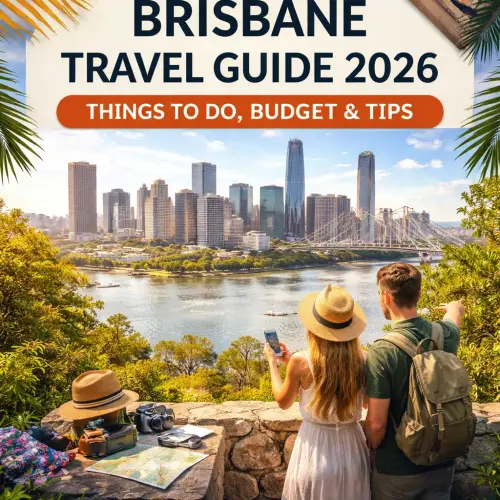
Brisbane Travel Guide Key Takeaways
This Brisbane Travel Guide covers the top attractions, a realistic budget breakdown, and insider tips for making the most of your 2026 visit.
- Discover the best things to do in Brisbane across different interests — from South Bank parklands to Moreton Island adventures.
- Learn how to stretch your money with Brisbane budget travel strategies, including free activities and affordable eats.
- Get essential Brisbane tips for tourists on transport, weather, accommodation, and avoiding common pitfalls.
Why This Brisbane Travel Guide Matters for 2026
Brisbane has evolved into one of Australia’s most dynamic cities, blending subtropical outdoor living with a thriving cultural scene. As more travelers look beyond Sydney and Melbourne, Queensland’s capital offers a refreshing alternative — warmer weather, lower costs, and easy access to the Gold Coast and Sunshine Coast. This Brisbane Travel Guide 2026 is designed to help all types of visitors: first-timers, backpackers, remote workers, families, and luxury seekers. You will find tailored advice so you can plan efficiently, avoid overspending, and truly experience the city like a local. For a related guide, see Melbourne Travel Guide 2026: Culture, Coffee and Hidden Gems.
Who This Guide Is For
- First-time visitors and international tourists — Get oriented with the must-see sights and practical logistics.
- Backpackers and solo travelers — Save money with hostel tips, free attractions, and budget-friendly food spots.
- Digital nomads and remote workers — Find the best cafés with reliable Wi-Fi and coworking spaces.
- Couples and honeymooners — Romantic experiences from river cruises to sunset bars.
- Luxury travelers — High-end hotels, fine dining, and exclusive tours.
- Families — Child-friendly attractions, parks, and easy day trips.
Top Things to Do in Brisbane by Interest
Brisbane’s appeal lies in its diversity. Whether you are a foodie, photographer, or adventure enthusiast, there is something here for you.
Culture Seekers and City Explorers
- South Bank Parklands — A lush riverside precinct with a lagoon, walking paths, and weekend markets. Free entry.
- Queensland Museum and Sciencentre — Explore natural history, science exhibitions, and cultural artifacts. Ideal for families.
- Gallery of Modern Art (GOMA) — Australia’s largest contemporary art gallery; many exhibitions are free.
- Brisbane City Hall and Museum of Brisbane — A heritage building offering free guided tours and panoramic views from the clock tower.
Food Lovers and Café Enthusiasts
- Fish Lane — A laneway in South Brisbane packed with award-winning restaurants and bars.
- Eat Street Northshore — A vibrant night market with over 60 food stalls, live music, and river views.
- West End Markets — Saturday morning market with organic produce, artisan bread, and international street food.
- Specialty coffee scene — Try Fonzie Abbott, John Mills Himself, and Coffee Anthology for top-tier brews.
Beach Lovers and Surfers
- Streets Beach — Brisbane’s only inner-city beach, at South Bank. Patrolled lagoon perfect for a dip.
- Moreton Island — A 75-minute ferry ride away, featuring crystal-clear waters, sand dunes, and the Tangalooma Wrecks for snorkeling.
- Gold Coast day trip — 1-hour train ride to Surfers Paradise, Burleigh Heads, and world-class surf breaks.
Adventure Seekers and Photographers
- Story Bridge Adventure Climb — Climb 80 meters above the Brisbane River for panoramic city views.
- Kangaroo Point Cliffs — Popular for abseiling, rock climbing, and sunset photography.
- Mount Coot-tha Lookout — Best vantage point for sunrise, sunset, and city skyline photos.
- Lone Pine Koala Sanctuary — Cuddle a koala, hand-feed kangaroos, and see native wildlife.
Brisbane Budget Travel: Realistic Cost Breakdown for 2026
Brisbane is generally more affordable than Sydney or Melbourne, but costs still add up. Here is what you can expect per day depending on your travel style. For a related guide, see Sydney Food Guide: Best Restaurants, Cafés and Local Eats.
| Budget Tier | Accommodation | Food and Drink | Activities and Transport | Total Per Day (approx.) |
|---|---|---|---|---|
| Backpacker / Solo | Hostel dorm: $25–40 | Cooking + street food: $15–25 | Free attractions + public transport: $10–20 | $50–85 |
| Mid-range / Couple | Private room / motel: $80–130 | Cafés + casual dining: $40–60 | Paid tours + rideshare: $30–50 | $150–240 |
| Luxury / Honeymoon | Boutique hotel / resort: $200–400 | Fine dining + wine: $80–150 | Private tours + taxis: $60–100 | $340–650 |
Note: Prices are in AUD and reflect 2025–2026 averages. Always check current exchange rates and book in advance for better deals.
Money-Saving Brisbane Tips for Tourists
Stretch your travel dollar with these practical strategies used by savvy locals and frequent visitors.
Free and Cheap Activities
- Visit the Queensland Art Gallery and GOMA — both have free entry to permanent collections.
- Explore the Brisbane Botanic Gardens at Mount Coot-tha and the City Botanic Gardens. Both are free and photogenic.
- Walk or cycle along the Kangaroo Point Riverwalk — stunning views and no cost.
Transport Savings
- Use a go card for trains, buses, and ferries. It saves you up to 30% compared to single paper tickets.
- Take advantage of the free CityHopper ferry that loops between North Quay, South Bank, and Sydney Street.
- Rent a bike from Brisbane CityCycle — first 30 minutes are usually free with a subscription.
Food and Drink Hacks
- Shop at Coles or Woolworths for ready-made meals and snacks — much cheaper than eating out every meal.
- Visit Eat Street Northshore on a Tuesday or Wednesday when some vendors offer discounts.
- Look for “happy hour” specials at bars and pubs between 4–6 PM for cheap beer and wine.
Accommodation Tips
- Stay in Fortitude Valley or West End for backpacker hostels under $30 per night.
- Book private rooms on Airbnb for more space and kitchen access — great for couples or solo travelers who cook.
- Check last-minute hotel deals on Booking.com or Hotels.com for luxury stays at 40% off rack rates.
Best Time to Visit Brisbane in 2026
Brisbane enjoys a subtropical climate with mild winters and warm, humid summers. The best time depends on your tolerance for heat and crowds.
- March to May (Autumn) — Pleasant temperatures (20–28°C), lower humidity, and fewer tourists. Ideal for outdoor adventures.
- June to August (Winter) — Cool but sunny, with average highs around 22°C. Perfect for hiking and city exploration. Whale watching season starts in June.
- September to November (Spring) — Warm and dry, with blooming jacarandas. Great for festivals and river activities.
- December to February (Summer) — Hot and humid (30–35°C) with frequent afternoon storms. Low season means cheaper flights but prepare for rain.
Getting Around Brisbane: Transport Tips
Brisbane’s public transport network is efficient and covers the city center, suburbs, and surrounding regions. Here is what you need to know.
- Trains — Connects the city with major suburbs, the Gold Coast, and airports. Frequent and reliable.
- Buses — Extensive routes, including night buses on weekends.
- Ferries — The CityCat and CityHopper are scenic ways to travel along the river. Free CityHopper between key stops.
- Rideshare and Taxis — Uber and Ola are widely available. Taxis are expensive — avoid for short trips.
- Walking and Cycling — The city center is compact and walkable. Bike lanes and shared paths make cycling safe.
Where to Stay in Brisbane for Every Travel Style
Choosing the right neighborhood can make or break your trip. Here is a quick guide to the best areas.
| Travel Style | Recommended Area | Why It Works |
|---|---|---|
| Backpackers and solo travelers | Fortitude Valley / West End | Affordable hostels, nightlife, budget eats |
| Digital nomads and remote workers | New Farm / Teneriffe | Quiet, riverside, good cafés with Wi-Fi |
| Couples and honeymooners | South Bank / Kangaroo Point | Romantic views, fine dining, walkable |
| Families | Milton / Auchenflower | Parks, family-friendly restaurants, near transport |
| Luxury travelers | Central Business District (CBD) | Five-star hotels, high-end shopping, business district |
Final Recommendations for Your 2026 Brisbane Travel Guide
Brisbane offers an authentic Australian experience without the tourist crowds of Sydney. Whether you are sampling street food at Eat Street, climbing the Story Bridge, or relaxing on Streets Beach, this city rewards those who take time to explore. Use this Brisbane Travel Guide as a starting point, but leave room for spontaneous discoveries — a hidden laneway bar, a weekend market find, or a conversation with a local at a café. For more detailed information on Queensland travel, check the official Queensland tourism website or the Brisbane City Council site for up-to-date event calendars and transport updates.
Useful Resources
For official visitor information and up-to-date event calendars, visit Visit Brisbane. To plan your transport routes and check fares, use the TransLink journey planner.

Jin Grey is a Filipino Senior SEO Consultant and AI-First SEO Strategist who helps international brands grow through modern search strategies. She specializes in technical SEO, semantic keyword research, and AI-ready content creation. She is also the owner of JinGrey.com.
As a digital nomad, she loves exploring the world and trying different cuisines during her free time.