
Top Attractions in Brisbane Key Takeaways
Brisbane is Australia’s sunny capital of culture, food, and outdoor adventure—but first-time visitors often trip up on timing, transport, and hidden costs.
- The top attractions in Brisbane range from the South Bank Parklands to the Lone Pine Koala Sanctuary, but many visitors miss the best times to visit each spot.
- Overlooking free activities, public transport hacks, and local food spots can waste both time and money—especially for backpackers and families on a budget.
- Planning around seasonal weather, booking in advance for popular sites, and using the CityCycle scheme can turn a good trip into an unforgettable one.
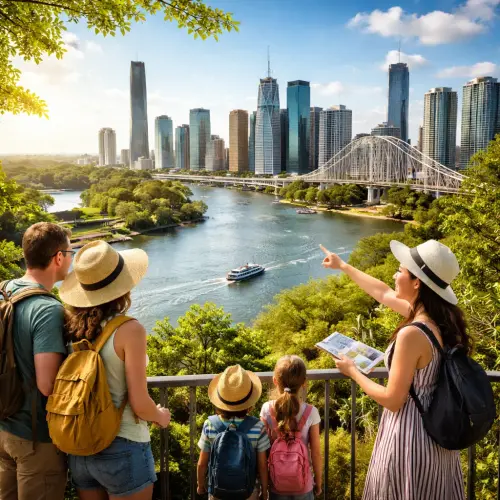
Why First-Time Visitors Get the Top Attractions in Brisbane Wrong
Brisbane surprised me—in the best possible way. On my first visit, I arrived thinking it was just a stopover between Sydney and the Gold Coast. I was wrong. The city’s river, green spaces, and laid-back food scene rival any Australian capital. But I made mistakes: I visited the South Bank on a scorching afternoon, skipped the CityCat ferry because I didn’t know it was free with a Go Card, and stood in a long queue for a meal that turned out to be overpriced and average.
Since then, I’ve returned multiple times, talked to locals, and learned how to experience the city like a smart traveler. This guide walks you through the top attractions in Brisbane and the mistakes to sidestep at each one—whether you’re a digital nomad, a family, or a solo backpacker.
Mistake #1: Visiting South Bank Parklands at the Wrong Time of Day
South Bank is the heart of Brisbane’s riverfront culture. Lush gardens, the man-made Streets Beach, restaurants, and the Wheel of Brisbane all sit here. Many first-timers head straight there at midday, when temperatures can soar above 30 °C (86 °F) from November to March. The concrete heats up, the queue for the beach gets long, and you end up uncomfortable.
Best Time to Visit
Go early morning (7–9 am) for a calm walk and a coffee at one of the riverside cafés, or visit late afternoon (4–6 pm) for golden light and cooler breezes. The sun sets over the river, and the city lights start to twinkle—perfect for photographers and Instagram travelers.
Pro tip: Sundays see a big local market crowd. If you prefer quiet, aim for a weekday morning instead.
Mistake #2: Skipping the Free CityCat Ferry
This is the biggest oversight among first-time visitors. The CityCat is a high-speed catamaran that runs along the Brisbane River, stopping at key points like South Bank, the CBD, New Farm, and the University of Queensland. Tourists often assume it’s a pricey sightseeing cruise and opt for expensive boat tours. In reality, a single trip costs around AU$3–5 with a Go Card, and it’s a scenic ride that gives you a water-level view of the city.
Best value tip: Buy a Go Card from any 7-Eleven or the airport. Tap on and off like a metro. You can ride the entire route for pocket change, and the journey from the CBD to the University of Queensland takes about 40 minutes of pure Brisbane scenery.
Mistake #3: Forgetting to Book the Lone Pine Koala Sanctuary in Advance
Lone Pine Koala Sanctuary is one of the top attractions in Brisbane, especially for international tourists and families. It’s the world’s first and largest koala sanctuary, and you can hold a koala for a photo. But walk-ins often face sold-out time slots for the koala hold experience, especially from 10 am to 2 pm on weekends.
How to Avoid Disappointment
Book your ticket online at least 48 hours in advance. Choose a timeslot early in the morning (9 am) or later in the afternoon (3 pm) to avoid crowds. Combine your visit with a CityCat or bus ride from the CBD—it’s about a 30-minute trip.
Money-saving tip: If you’re a student, carry your student ID. Lone Pine offers a 10% discount on admission.
Mistake #4: Ignoring Brisbane’s Free Walking Tours
Budget travelers and solo adventurers sometimes assume that a guided tour costs money. But Brisbane runs two excellent free walking tours: the Brisbane Greeters program (1–2 hours with a local volunteer) and the Brisbane City Hall clock tower tour (free, 15 minutes). The Greeters show you hidden laneways, street art, and local history that guidebooks miss. For a related guide, see Brisbane Travel Guide 2026: Things to Do, Budget and Tips.
To join a Greeter tour, book at least 7 days in advance on the official Brisbane Greeters website. The clock tower tour is first-come, first-served—arrive by 10 am for a good spot.
Mistake #5: Eating Only at the Eagle Street Pier Restaurants
Eagle Street Pier overlooks the river and looks like the obvious dining hub. However, many restaurants there are overpriced and cater to tourists. For authentic Brisbane food, venture to Fish Lane in South Brisbane (for wine and tapas) or the Howard Smith Wharves precinct, where a mix of local and international cuisines sits right under the Story Bridge.
Food lovers and café enthusiasts should also check out the Brisbane City Markets every Wednesday and Friday—chef-approved produce, artisan bread, and fresh seafood at reasonable prices.
Mistake #6: Not Using the CityCycle Bike Scheme
Brisbane is surprisingly bike-friendly, with over 560 km of cycle paths. Many visitors rent a car or rely on rideshares, which adds up. The CityCycle scheme costs about AU$5 for a 24-hour pass, and stations are located all over the city, including near the Botanic Gardens, South Bank, and Kangaroo Point.
Best route: Ride from the City Botanic Gardens along the river to the Kangaroo Point Cliffs. It’s a flat, shaded path with spectacular views.
Note: You need a credit card to hire a CityCycle bike. The first 30 minutes are free with the pass—perfect for short hops.
Mistake #7: Staying Only in the CBD
First-time visitors often book a hotel in the central business district (CBD) because it seems convenient. But Brisbane’s neighborhoods each have their own character and offer better value. Fortitude Valley (for nightlife), West End (for multicultural food and parks), and New Farm (for riverside walks and the Powerhouse arts venue) are all within 20 minutes of the city center by bus or ferry.
Accommodation in these areas is often cheaper than in the CBD, and you’ll experience a more local side of Brisbane.
Mistake #8: Underestimating the Weather (Especially in Summer)
Brisbane gets hot—really hot. Summer (December to February) averages 30 °C (86 °F), but heatwaves can push it above 38 °C (100 °F). First-time visitors from cooler climates often get dehydrated, sunburned, or suffer heat exhaustion while exploring outdoor attractions.
Packing essentials: A reusable water bottle (Brita filter is great), sunscreen SPF 50+, a wide-brimmed hat, and a light cotton scarf to cover shoulders if you visit cultural sites. Plan your outdoor activities for early morning or late afternoon, and spend the middle of the day at air-conditioned museums like the Queensland Art Gallery or the Museum of Brisbane.
Mistake #9: Not Checking What’s On at the Queensland Cultural Centre
The Queensland Cultural Centre in South Bank houses the State Library, the Queensland Museum, the Gallery of Modern Art (GOMA), and the Queensland Performing Arts Centre. Most visitors visit one venue and leave, missing the rotating free exhibitions and events. GOMA, in particular, has a free kids’ art space and a rooftop café with river views.
Check the GOMA events calendar before you go. Many temporary exhibitions are free, and there are often weekend workshops for families.
Mistake #10: Relying on Rideshares Instead of Public Transport
Uber and rideshares in Brisbane cost roughly AU$2.50 per kilometer and surge during peak hours. For the same journey, a bus or ferry costs AU$2–4 with a Go Card. Over a week, rideshare costs for a first-time visitor can easily exceed AU$200.
Smarter strategy: Use the TransLink website or app to plan your journey. All buses, trains, and ferries accept the Go Card, which you can top up at newsagents and 7-Elevens. The airport train costs AU$20.50 one-way but is faster than a taxi (AU$50+).
Mistake #11: Visiting the Story Bridge Adventure Climb Without Comparing Prices
The Story Bridge Adventure Climb is a bucket-list activity—climbing 274 steps to the top of the bridge for a 360° view of the city. But the price is steep: around AU$129 per person. Many visitors don’t realize that you can walk up the Kangaroo Point Cliffs for free and get a similar (though lower) view.
Alternative for budget travelers: Go to the Kangaroo Point Cliffs lookout at sunset. You can also book the climb on a weekday in the late afternoon for a slight discount (check their website for last-minute deals).
Mistake #12: Not Exploring the Brisbane Botanic Gardens Mt Coot-tha
Most first-time visitors head straight to the City Botanic Gardens, which are nice but small. The Brisbane Botanic Gardens at Mt Coot-tha are much larger (52 hectares), with themed sections like the Japanese Garden, the Desert Garden, and the Tropical Walk. There’s also the planetarium on site.
The gardens are free and a 15-minute bus ride from the CBD (bus 598 or 599 from the city). Bring a picnic and spend two hours wandering.
Mistake #13: Overlooking the West End Markets
The West End Markets (every Saturday morning) are a hub of artisan food, vintage clothes, and live music. They’re less touristy than the South Bank markets and offer better value for food lovers and souvenir hunters. But many first-timers skip them because they don’t know they exist.
Arrive by 8 am for the best selection. Cash is king here, although some stalls accept card. The market is at the Davies Park on Jane Street.
Mistake #14: Trying to Do All Top Attractions in Brisbane in One Day
Brisbane is more relaxed than Sydney or Melbourne. Trying to cram the South Bank, Lone Pine, Story Bridge, and the Cultural Centre into one day will leave you exhausted and disappointed. You’ll spend most of the day in transit and miss the city’s rhythm. For a related guide, see Best Cafés in Melbourne: Coffee Spots You Shouldn’t Miss.
Better itinerary: Spend one day on the river (ferry + South Bank + City Botanic Gardens) and another day on the cultural and food scene (West End + Queensland Art Gallery + Howard Smith Wharves). Pace yourself—this is a city to be savored, not sprinted.
Mistake #15: Not Bringing a Camera for the Kangaroo Point Cliffs
This is the classic rookie error. The Kangaroo Point Cliffs glow golden at sunset, with the city skyline reflected in the river below. It’s the most Instagrammable spot in Brisbane. Travel bloggers and photographers often plan their entire evening around this moment. Yet many visitors arrive without a camera or a fully charged phone.
Put the cliffs on your itinerary for around 5 pm (summer) or 4 pm (winter). Bring a tripod if you have one—stars can be visible in the sky above the skyline after dark.
Comparison Table: Top Attractions in Brisbane at a Glance
| Attraction | Best Time to Visit | Cost | Best For |
|---|---|---|---|
| South Bank Parklands | Early morning or late afternoon | Free | Families, couples, photographers |
| Lone Pine Koala Sanctuary | 9 am (weekdays) | AU$49 (adult) | Families, animal lovers |
| CityCat Ferry | Any time, off-peak | AU$3–5 per trip | All travelers |
| Story Bridge Adventure Climb | Late afternoon | AU$129 | Thrill-seekers, couples |
| West End Markets | Saturday 8 am | Free entry | Foodies, vintage shoppers |
| Kangaroo Point Cliffs | Sunset | Free | Photographers, couples |
Useful Resources
Plan your trip with official and expert resources that go beyond the guidebook:
- Visit Brisbane – The official tourism site with events, itineraries, and accommodation deals.
- TransLink – Real-time public transport info, route planning, and Go Card top-up locations.
Now you’re armed with the knowledge to skip the 15 most common mistakes at the top attractions in Brisbane. Whether you’re traveling solo, as a couple, or with family, use these tips to save time, money, and enjoy a more authentic Brisbane experience. Start planning your trip today—and pack your camera.

Jin Grey is a Filipino Senior SEO Consultant and AI-First SEO Strategist who helps international brands grow through modern search strategies. She specializes in technical SEO, semantic keyword research, and AI-ready content creation. She is also the owner of JinGrey.com.
As a digital nomad, she loves exploring the world and trying different cuisines during her free time.