
Pampanga Tibok-Tibok Key Takeaways
Pampanga Tibok-Tibok is a silky smooth, creamy dessert made from fresh carabao milk—a treasured Kapampangan recipe that has been passed down for generations.
- Pampanga Tibok-Tibok stands apart from maja blanca because it uses carabao milk instead of coconut milk, yielding a deeper, more luxurious creaminess.
- Authentic Tibok-Tibok relies on simple, high-quality ingredients: carabao milk, sugar, cornstarch, and dayap (calamansi) zest—no artificial flavors needed.
- Whether you visit Pampanga or try making it at home, this creamy carabao milk dessert offers a taste of authentic Filipino heritage that every food traveler should experience.
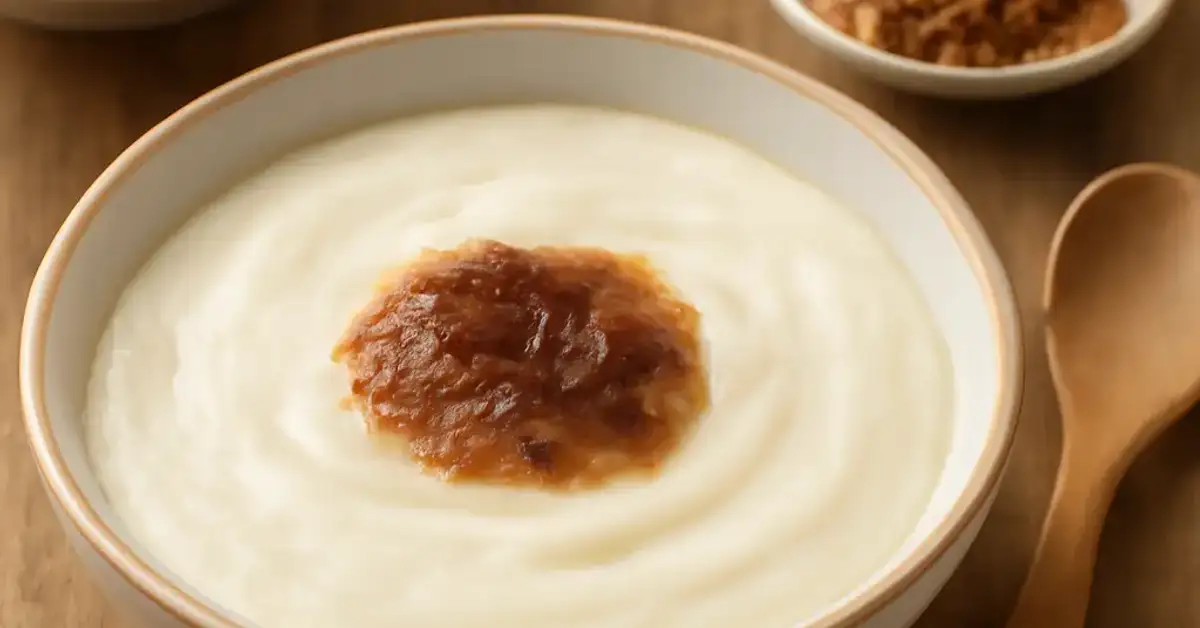
What Readers Should Know About Pampanga Tibok-Tibok
I still remember the first time I tasted Pampanga Tibok-Tibok. I was in Angeles City, walking through a bustling public market with a friend who grew up in Mexico, Pampanga. She pointed to a vendor selling small, white, trembling slices of what looked like firm jelly—but one bite told me it was something far more special. The soft, creamy texture dissolved on my tongue, leaving behind a clean sweetness and a faint citrus perfume. That was the moment I understood why Kapampangans take such pride in this dessert.
As a Filipino born in Mindanao and now living in Davao City, I have traveled across the archipelago sampling regional specialties. Few sweets capture the heart of a province quite like Tibok-Tibok delicacy captures the soul of Pampanga. This dessert is not just food; it is a story of local farming, heritage, and the ingenuity of Kapampangan cooks who transformed simple ingredients into something unforgettable.
The History of Tibok-Tibok: A Kapampangan Culinary Treasure
Tibok-Tibok history is deeply rooted in the agricultural traditions of Pampanga. Before refrigerators and instant pudding mixes, Kapampangan households relied on carabao milk—a rich, fatty milk produced by water buffalo that thrive in the province’s lush grasslands. The name “Tibok-Tibok” comes from the Filipino word for “pulse” or “heartbeat,” a reference to the gentle bubbling sound the mixture makes as it thickens over a low flame. Cooks would stir the pot patiently, listening for that rhythmic “tibok-tibok” that signaled the dessert was ready to set.
In the early 1900s, Tibok-Tibok was a staple during town fiestas and family gatherings. Unlike imported European puddings that required expensive ingredients, this dessert used what was abundant: carabao milk, sugar from nearby sugarcane fields, and cornstarch or rice flour as a thickener. Over time, each town in Pampanga developed its own slight variation—some added vanilla, others used pandan leaves for aroma—but the core recipe remained unchanged.
Today, Pampanga food delicacies like Tibok-Tibok are celebrated not only locally but also by tourists and food bloggers who seek out authentic Kapampangan cuisine. The dessert’s popularity has even reached social media, where videos of its jiggly texture rack up millions of views.
Pampanga Tibok-Tibok vs. Maja Blanca: What’s the Difference?
One of the most common questions I hear from dessert lovers is how Pampanga Tibok-Tibok differs from maja blanca. At first glance, both are white, firm, and sliced into squares. But the differences are immediately obvious once you taste them.
The Base Ingredient
Maja blanca is traditionally made with coconut milk and cornstarch, often flavored with vanilla or corn kernels. Tibok-Tibok, on the other hand, uses carabao milk as its primary liquid. Carabao milk has a higher fat content—around 10 to 12 percent—compared to cow’s milk (3.5 percent) or coconut milk (which varies but is mostly water and oil). This higher fat content gives Tibok-Tibok a denser, silkier feel that coats your mouth like soft cream.
Texture and Taste
Because carabao milk is naturally sweet and creamy, Pampanga Tibok-Tibok requires less sugar than maja blanca. The result is a dessert with a delicate sweetness that lets the milk flavor shine. The texture is also noticeably softer; authentic Tibok-Tibok quivers when you tap it, whereas maja blanca tends to be firmer and more gel-like.
Aroma and Toppings
Kapampangan cooks often add dayap (calamansi) zest to Tibok-Tibok, which brightens the richness with a citrusy note. Maja blanca is typically topped with grated coconut or latik (coconut caramel), while Tibok-Tibok is sometimes served plain or dusted with toasted grated coconut. The contrasting aroma—creamy milk plus fresh citrus—becomes the signature scent of an authentic carabao milk delicacy.
| Characteristic | Pampanga Tibok-Tibok | Maja Blanca |
|---|---|---|
| Primary liquid | Carabao milk | Coconut milk |
| Fat content | High (10–12%) | Moderate (varies) |
| Sweetness level | Mild, natural | Moderate to high |
| Texture | Soft, jiggly, creamy | Firmer, more gel-like |
| Common flavorings | Dayap zest, vanilla | Vanilla, corn, pandan |
| Typical topping | Toasted grated coconut | Latik, grated coconut |
What Does Tibok-Tibok Taste Like? A Flavor Profile
If you have never tried creamy carabao milk dessert before, imagine the richest, most velvety pudding you have ever eaten—then make it lighter. Tibok-Tibok has a flavor that is simultaneously mild and distinct. The carabao milk brings a buttery undertone that cow’s milk cannot replicate, while the sugar provides just enough sweetness to complement, not overpower.
The hint of dayap zest cuts through the richness, adding a refreshing edge. Each bite is smooth, with no grains or lumps. The dessert holds its shape when sliced but immediately softens on the tongue. For Filipino milk dessert lovers, this is comfort food at its finest—simple, pure, and deeply satisfying.
How Is Pampanga Tibok-Tibok Made? Step-by-Step Process
Making authentic Pampanga Tibok-Tibok at home is easier than you might think, provided you have access to fresh carabao milk. Here is a streamlined version of the traditional method used by Kapampangan cooks.
Ingredients for Tibok-Tibok
The Tibok-Tibok ingredients list is refreshingly short:
- 4 cups fresh carabao milk
- 3/4 cup white sugar (adjust to taste)
- 1/2 cup cornstarch (dissolved in 1/2 cup water)
- 1 teaspoon dayap zest (or calamansi zest)
- Pinch of salt
- Toasted grated coconut for topping
Preparation
Start by heating the carabao milk in a heavy-bottomed pot over low heat. Stir occasionally to prevent scorching. When the milk is warm (but not boiling), add the sugar and salt, stirring until dissolved. Slowly pour in the cornstarch slurry while whisking continuously. This is the crucial moment: you must keep stirring to avoid lumps.
Continue cooking over low heat, stirring constantly, until the mixture thickens to a pudding-like consistency. This usually takes 10 to 15 minutes. The mixture will start to bubble gently—that “tibok-tibok” sound. Once thick, remove from heat and stir in the dayap zest.
Pour the mixture into a greased dish or mold. Let it cool at room temperature for about 30 minutes, then refrigerate for at least 2 hours until fully set. To serve, slice into squares or rectangles and top with toasted grated coconut.
Why Is Carabao Milk Used in Tibok-Tibok?
Carabao milk is central to Kapampangan cuisine because the water buffalo has been a vital farm animal in Central Luzon for centuries. Unlike cows, carabaos thrive in the region’s hot, humid climate and produce milk that is naturally thick and sweet. The high fat content—twice that of whole cow’s milk—creates a luxurious mouthfeel that is ideal for desserts.
From a nutritional standpoint, carabao milk is rich in protein, calcium, and vitamins A and D. It also contains more conjugated linoleic acid (CLA) than cow’s milk, which some studies link to health benefits. For Filipino native delicacy makers, using carabao milk is not just about taste; it is about honoring a tradition of sustainable farming and local resourcefulness.
Where Can You Buy Authentic Tibok-Tibok in Pampanga?
For those planning a food trip to Pampanga, finding the best Tibok-Tibok in Pampanga is a must. I recommend starting at the public markets in the towns of Mexico, San Fernando, and Angeles. Vendors often sell sliced Tibok-Tibok on banana leaves, wrapped in brown paper—perfect for a quick snack.
Here are three places I personally trust:
- Mexico Public Market (Palengke) – Look for stalls near the dairy section. The Tibok-Tibok here is made fresh daily, often before sunrise.
- San Fernando Market – Several vendors sell Tibok-Tibok alongside other Pampanga food delicacies like burong kapampangan and bringhe.
- Angeles City – Nepo Mart – A favorite among tourists, this market has a dedicated sweets corner where you can sample multiple versions.
If you cannot travel to Pampanga, some online stores now ship frozen Tibok-Tibok nationwide. Search for small Kapampangan food businesses on social media—they often post weekly order schedules.
Is Tibok-Tibok a Healthy Filipino Delicacy?
For Filipino food lovers who watch their diet, Pampanga Tibok-Tibok offers a relatively wholesome treat compared to many processed desserts. Carabao milk provides protein, calcium, and healthy fats. The sugar content is moderate if you control the recipe, and there are no preservatives or artificial flavors in the authentic version.
That said, Tibok-Tibok is still a dessert with calories. A typical serving (about 100 grams) contains roughly 180 to 220 calories, depending on sugar and milk fat. For an occasional indulgence, it fits well into a balanced diet. Some home cooks experiment with reducing sugar or using a sugar substitute, though purists argue it alters the traditional creamy texture.
How Creamy Is Authentic Tibok-Tibok?
The creaminess of authentic Tibok-Tibok is its defining feature. Because carabao milk has such a high fat content, the dessert feels almost like a cloud—soft, velvety, and lush. When you press a slice with a spoon, it yields easily but does not collapse. The cornstarch provides structure without making it rubbery. This balance of tenderness and stability is what separates expertly made Tibok-Tibok from average versions.
Temperature also affects creaminess. Chilled Tibok-Tibok is firmer and more refreshing, while room-temperature Tibok-Tibok feels almost liquid-smooth. Both are delicious, but I prefer it slightly cold to appreciate the full milky richness.
Why Do People Crave Tibok-Tibok? The Cultural Pull
Pampanga Tibok-Tibok draws people in for reasons beyond taste. For Kapampangan cuisine enthusiasts, it represents a connection to family traditions. Many locals recall helping their grandmothers stir the pot during fiesta preparations. For tourists, Tibok-Tibok offers a rare chance to taste something genuinely local—a dessert that has not been mass-produced or westernized.
Social media also plays a role. Videos of Tibok-Tibok jiggling on a plate have gone viral, enticing food vlog viewers and travelers to seek it out. The combination of visual appeal, cultural depth, and honest flavor makes this creamy carabao milk dessert endlessly craveable.
Can Tourists Try Tibok-Tibok in Pampanga?
Absolutely. Pampanga welcomes tourists with open arms and full stomachs. Many restaurants in Clark Freeport Zone and Angeles City serve Tibok-Tibok as part of their dessert menu. I suggest visiting during the Pampanga Food Festival or the San Fernando Lenten Celebration, when vendors line the streets selling local sweets.
If you join a food tour, guides often include a stop at a home-based Tibok-Tibok maker where you can watch the preparation and ask questions. Some farms also offer cooking classes where you can learn to make Pampanga Tibok-Tibok yourself.
How Long Does Tibok-Tibok Last? Storage Tips
Stored in an airtight container in the refrigerator, Pampanga Tibok-Tibok stays fresh for up to four days. The texture will firm up as it sits, but it remains pleasant. I do not recommend freezing Tibok-Tibok; thawing often causes the milk solids to separate, resulting in a grainy texture.
To serve leftovers, let the dessert sit at room temperature for 10 minutes before slicing. This softens it slightly. If you notice any sour smell or water pooling on the surface, it is time to discard—fresh carabao milk spoils faster than processed dairy.
Useful Resources
For those eager to learn more about Pampanga Tibok-Tibok and Kapampangan food culture, these links provide reliable, detailed information:
- Philippine Food and Travel – Kapampangan Kitchen – A comprehensive guide to traditional Pampanga dishes, including Tibok-Tibok recipes and cooking tips.
- Our Kapampangan Heritage – Tibok-Tibok – An online archive of Kapampangan culinary history with background on the origins of Tibok-Tibok.
Whether you are a food blogger looking for your next feature, a tourist planning a Pampanga itinerary, or simply a dessert lover curious about Filipino sweets, Pampanga Tibok-Tibok deserves a spot on your bucket list. Its creamy carabao milk base, gentle sweetness, and cultural significance make it a standout among Philippine delicacies. I encourage you to seek it out—visit a local market, try making it at home, or ask a Kapampangan friend to share their family recipe. One bite, and you will understand why this dessert has won the hearts of everyone who tries it.
Frequently Asked Questions About Pampanga Tibok-Tibok
What is Pampanga Tibok-Tibok ?
Pampanga Tibok-Tibok is a traditional Filipino dessert made from carabao milk, sugar, and cornstarch. It has a soft, wobbly texture and a mild, creamy sweetness, often flavored with dayap zest.
Why is Tibok-Tibok famous in Pampanga?
Tibok-Tibok highlights the region’s abundance of fresh carabao milk and reflects the Kapampangan tradition of using local ingredients to create simple yet luxurious desserts. It is a staple at fiestas and markets.
What does Tibok-Tibok taste like?
It tastes like a light, creamy milk pudding with a naturally sweet, buttery flavor from carabao milk. The dayap zest adds a fresh citrus note that balances the richness.
How is Pampanga Tibok-Tibok made?
It is made by heating carabao milk with sugar, adding a cornstarch slurry, and stirring until thick. The mixture is poured into a mold, cooled, and refrigerated until set. It is typically topped with toasted grated coconut.
What ingredients are used in Tibok-Tibok?
The essential Tibok-Tibok ingredients are fresh carabao milk, white sugar, cornstarch, water, dayap zest, and a pinch of salt. Toasted coconut is optional for topping.
Why do people crave Tibok-Tibok?
People crave Tibok-Tibok for its unique creamy texture, pure milky flavor, and nostalgic connection to Kapampangan culture. Its visual appeal on social media also drives curiosity.
Is Tibok-Tibok made from carabao milk?
Yes, authentic Pampanga Tibok-Tibok is made exclusively from fresh carabao milk. Using other milk types would change the texture and flavor significantly.
What makes Tibok-Tibok different from maja blanca?
Tibok-Tibok uses carabao milk as its base, while maja blanca uses coconut milk. This gives Tibok-Tibok a higher fat content, softer texture, and milder sweetness.
Where can you buy authentic Tibok-Tibok in Pampanga?
Head to public markets in Mexico, San Fernando, or Angeles City. These markets feature vendors who make best Tibok-Tibok in Pampanga daily. Online sellers also ship nationwide.
Is Tibok-Tibok a healthy Filipino delicacy?
It can be part of a balanced diet. Carabao milk is rich in protein and calcium, and the dessert contains no artificial additives. However, it still contains sugar and fat, so moderation is key.
What is the history of Tibok-Tibok in Pampanga?
Tibok-Tibok history dates back to the early 1900s when Kapampangan cooks created it using abundant carabao milk. The name mimics the bubbling sound during cooking.
Why is carabao milk used in Tibok-Tibok?
Carabao milk is thicker, creamier, and sweeter than cow’s milk. It is a traditional ingredient in Kapampangan cuisine and available locally, making it the natural choice for this dessert.
How do Kapampangans prepare Tibok-Tibok?
They follow a slow-cooking method over low heat, stirring continuously to prevent scorching. The mixture is cooked until it releases a gentle bubbling sound, then poured into molds.
Is Tibok-Tibok served during festivals?
Yes, Tibok-Tibok is commonly served during town fiestas, Holy Week, and food festivals in Pampanga, often alongside other Pampanga food delicacies.
Can tourists try Tibok-Tibok in Pampanga?
Tourists can easily find Pampanga Tibok-Tibok at markets, restaurants, and food tours. It is a must-try experience for anyone visiting Central Luzon.
What are the best delicacies in Pampanga?
Beyond Tibok-Tibok, Pampanga is known for sisig, bringhe, tocino, and lechon. The province is called the culinary capital of the Philippines for this reason.
Why is Pampanga called the culinary capital of the Philippines?
Pampanga earned this title due to its rich food heritage, innovative cooks, and high concentration of celebrated dishes like Pampanga Tibok-Tibok, sisig, and many others.
How creamy is authentic Tibok-Tibok?
Authentic Tibok-Tibok is exceptionally creamy, with a velvety texture that almost melts on the tongue. The high fat content of carabao milk is responsible for this luxurious feel.
What toppings are added to Tibok-Tibok?
Toasted grated coconut is the most common topping. Some versions also add a drizzle of latik or a sprinkle of extra dayap zest for added flavor.
Is Tibok-Tibok good for dessert lovers?
Absolutely. Pampanga Tibok-Tibok is a dream for anyone who loves creamy, not-too-sweet desserts. It is a refreshing alternative to heavy cakes and ice creams.

Jin Grey is a Filipino Senior SEO Consultant and AI-First SEO Strategist who helps international brands grow through modern search strategies. She specializes in technical SEO, semantic keyword research, and AI-ready content creation. She is also the owner of JinGrey.com.
As a digital nomad, she loves exploring the world and trying different cuisines during her free time.