
Sydney Travel Guide Key Takeaways
Visiting Sydney in 2026 offers a blend of world-famous landmarks, emerging food scenes, and a vibrant coastal lifestyle.
- Smart budget planning can reduce daily costs by up to 30% with the right accommodation, transport, and free activities.
- Iconic attractions like the Opera House, Harbour Bridge, and Bondi Beach remain free or low-cost to experience.
- Local transport hacks, dining tips, and seasonal advice help you avoid common tourist pitfalls.
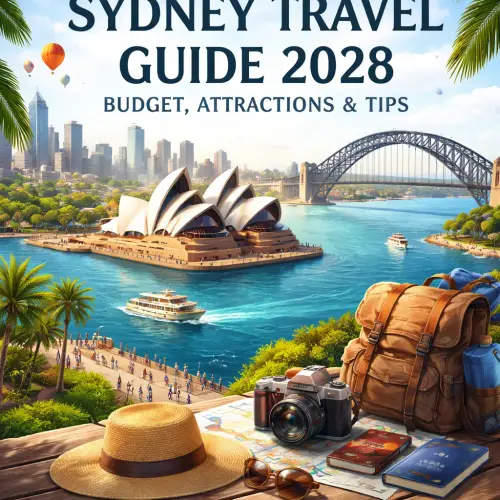
Why This Sydney Travel Guide Matters for 2026
Visiting Sydney in 2026 offers a blend of world-famous landmarks, emerging food scenes, and a vibrant coastal lifestyle. However, costs can add up quickly without a clear plan. This Sydney Travel Guide helps you allocate your budget wisely, choose the best attractions based on your travel style, and use insider tips that first-time visitors often miss. Whether you’re on a working holiday visa, a remote worker looking for café hotspots, or a family seeking child-friendly activities, the strategies here apply to you. For a related guide, see Best Things to Do in Sydney for First-Time Visitors.
Budget Travel Sydney: How to Save Without Missing Out
Traveling to Sydney doesn’t have to break the bank. With careful planning, you can experience the city’s highlights while keeping expenses under control. Below are three proven approaches to budget travel Sydney.
1. Accommodation Hacks for Every Traveler
Look beyond the CBD. Areas like Newtown, Glebe, and Manly offer cheaper hostels, boutique hotels, and Airbnb options that are still well-connected by public transport. Book at least six weeks in advance for summer travel (December–February) to lock in lower rates. For a related guide, see Tinnitus and Travel: Managing Ringing in the Ears.
2. Transport Tips That Reduce Costs
Use an Opal card for capped daily fares on trains, buses, and ferries. The Sunday public transport cap of A$8.15 (subject to indexation) makes weekend exploration extremely affordable. Walking and cycling between nearby suburbs also saves money and reveals hidden laneways.
3. Free and Low-Cost Sydney Attractions
Many of Sydney’s best experiences cost nothing: walk across the Harbour Bridge, explore the Royal Botanic Garden, watch sunset from Mrs Macquarie’s Chair, and enjoy free community markets like Carriageworks on Saturdays. Pack a picnic instead of eating out near Circular Quay to save A$15–20 per person per meal.
Top Sydney Attractions for Different Traveler Types
From iconic landmarks to off-the-beaten-path gems, the city offers diverse Sydney attractions suited to every kind of traveler.
Iconic Landmarks Everyone Should See
No Sydney Travel Guide is complete without mentioning the Sydney Opera House and Harbour Bridge. Take a self-guided walk around the Opera House forecourt (free) or book an interior tour (A$45 adult). Climb the Harbour Bridge with a guide for panoramic views (starting A$233), or save money by walking across the bridge and photographing from the Pylon Lookout (A$25).
Beach Lovers and Surfers
Bondi Beach is a must, but it gets crowded. For fewer crowds and great waves, head to Cronulla Beach or Manly Beach. The coastal walk from Bondi to Coogee (6 km, free) offers stunning cliff views — perfect for photographers and Instagram travelers.
Culture and History Seekers
Visit The Rocks, Sydney’s oldest neighbourhood, for colonial architecture and weekend markets. The Museum of Contemporary Art and the Australian Museum offer free general entry. For Aboriginal cultural experiences, join a guided walk with Aboriginal Heritage Walks at the Royal Botanic Garden.
Food and Café Enthusiasts
The café culture thrives in Surry Hills and Redfern. Try industry-favourite roasts at Mecca Coffee (Surry Hills) or tapas at Momofuku Seiōbo (for a splurge). Wine lovers should explore the cellar doors of the Hunter Valley on a day trip (book a guided tour from A$95 per person).
Essential Sydney Travel Tips for 2026
Practical advice saves time, money, and frustration. Apply these Sydney travel tips to your itinerary.
Best Time to Visit
Spring (September–November) and autumn (March–May) offer pleasant weather, fewer crowds, and lower prices. Summer (December–February) is peak season — book everything early. Winter (June–August) is mild and perfect for budget travelers: hotel rates drop 30–40%.
Packing List Essentials
Even in summer, evenings can be cool near the water. Bring a light jacket, reusable water bottle, sunscreen (SPF 50+), and comfortable walking shoes. For winter, layers are key, along with a light waterproof jacket for sudden rain.
Staying Connected as a Digital Nomad
Sydney has excellent free Wi-Fi in libraries, some cafés, and at the International Airport (up to 1 hour). For remote workers, consider a prepaid SIM from Telstra or Optus (around A$30 for 20GB). Coworking spaces in Surry Hills and Darlinghurst offer day passes from A$20.
Safety and Etiquette
Sydney is generally safe, but keep an eye on belongings in crowded areas and on public transport. Tipping is not expected but is appreciated for excellent service. Australians value friendliness — a simple “thanks” goes a long way.
Sample Sydney Itinerary: 5 Days for Budget and Mid-Range Travelers
| Day | Morning | Afternoon | Evening |
|---|---|---|---|
| 1 | Walk across Harbour Bridge | Royal Botanic Garden and Opera House forecourt | Fish market dinner (budget) or Quay (splurge) |
| 2 | Bondi to Coogee coastal walk | Bondi Beach swim and lunch | Icebergs pool (A$10) or sunset drinks at Bondi Pavilion |
| 3 | The Rocks markets and Museum of Contemporary Art | Ferry to Manly: beach, walk, and fish and chips | Night walk around Circular Quay |
| 4 | Surry Hills café breakfast | Australian Museum (free) and Hyde Park | Darling Harbour and Chinatown dinner |
| 5 | Blue Mountains day trip (train A$7.50 each way) | Scenic World or hiking trails | Return to city, casual dinner in Newtown |
Useful Resources
For official updates on public transport and events, check the Transport for NSW website. For real-time weather and safety alerts, visit the Bureau of Meteorology. These resources help you adjust your Sydney Travel Guide plans on the go.

Jin Grey is a Filipino Senior SEO Consultant and AI-First SEO Strategist who helps international brands grow through modern search strategies. She specializes in technical SEO, semantic keyword research, and AI-ready content creation. She is also the owner of JinGrey.com.
As a digital nomad, she loves exploring the world and trying different cuisines during her free time.