
DigiLamon Food Review
Baguio City is one of those places where eating feels just as important as sightseeing. The cold weather changes the way you crave food, making warm, hearty meals more satisfying and slow dining more enjoyable.
For many travelers, Baguio food becomes part of the reason they fall in love with the city. Meals here aren’t rushed, overly fancy, or trend-driven. Instead, they’re comforting, familiar, and deeply tied to the city’s climate and lifestyle.
This guide focuses on the food people naturally look for when they visit Baguio—the dishes locals recommend, the spots tourists line up for, and the flavors that make sense once the temperature drops. Think of this as a practical, comfort-first look at what makes eating in Baguio special.
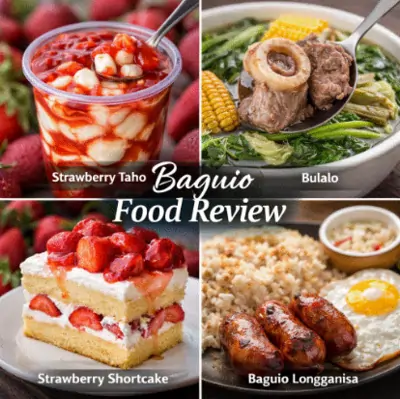
Table of Contents
Bulalo: The Heart of Baguio Dining
If there’s one dish that defines Baguio food, it’s bulalo. The city’s cold weather makes this beef soup feel like a necessity rather than a choice. A steaming bowl of rich broth, tender beef shanks, and marrow instantly warms you up after a long trip or a chilly walk.
Why bulalo is a must:
- Deep, savory broth
- Large servings meant for sharing
- Best paired with hot rice and calamansi
Many visitors plan their first meal around bulalo, and for good reason. It sets the tone for what eating in Baguio is all about—comfort and satisfaction.
Strawberries: Fresh, Light, and Iconic
Another staple of Baguio food culture is strawberries. Thanks to nearby La Trinidad, fresh strawberries are widely available and deeply associated with the city.
You’ll see strawberries everywhere:
- Fresh strawberries sold by the box
- Strawberry taho
- Strawberry ice cream
- Strawberry jam and preserves
They’re not overly sweet, which makes them easy to enjoy even after heavy meals. Buying strawberries from the public market or roadside stalls feels like a small ritual every Baguio trip includes.
Baguio Public Market: Where Everyday Eating Happens
To understand Baguio food beyond restaurants, the Baguio Public Market is essential. This is where locals eat, shop, and go about their daily routines.
Inside and around the market, you’ll find:
- Silog meals and simple breakfasts
- Fresh vegetable dishes
- Native snacks and delicacies
- Affordable meals that locals rely on
It can be crowded and overwhelming, but that’s part of its authenticity. Eating here shows you how food fits into everyday life in the city.
Good Taste: Famous for Big Portions
Few places spark as much conversation in discussions about Baguio food as Good Taste. It’s well-known for its massive servings and budget-friendly prices.
Why it remains popular:
- Pang-barkada and pang-family dishes
- Affordable comfort meals
- Reliable portions, especially in cold weather
Yes, there’s often a line. Yes, it can get loud. But many travelers still consider it a must-try because it delivers exactly what people want—filling, familiar food at a good price.
Café Culture: Warm Drinks Are Essential
In Baguio, cafés aren’t just for aesthetics—they’re practical. Baguio food culture includes a strong appreciation for coffee, hot chocolate, and warm pastries because the weather demands it.
Common café orders:
- Brewed coffee
- Hot chocolate
- Cakes and pastries
Sitting in a café with a hot drink while wearing a jacket feels uniquely Baguio. It’s less about productivity and more about comfort and conversation.
Local Bakeries: Simple but Comforting
Bread hits differently in cold weather, and Baguio food culture reflects that. Local bakeries offer simple, fresh bread that pairs perfectly with coffee or hot chocolate.
Popular choices include:
- Cheese bread
- Ube bread
- Soft rolls and basic cakes
These are often bought as breakfast items or pasalubong, and they don’t need to be fancy to be satisfying.
Ukay-Ukay Break Snacks
After hours of thrift shopping, food becomes fuel. Baguio food isn’t always about sit-down meals—it’s also about quick bites between long walks.
You’ll often see people grabbing:
- Fish balls and kwek-kwek
- Fresh pastries
- Affordable rice meals
These small food breaks are part of the Baguio experience, especially around Session Road and the market area.
Vegetable Dishes: Fresh and Plentiful
Thanks to nearby farming areas, vegetables are a major part of Baguio food. They’re fresher, often cheaper, and appear in larger portions compared to lowland cities.
You’ll notice:
- Vegetable dishes served as main courses
- Simpler cooking that highlights freshness
- Less reliance on heavy sauces
This makes Baguio appealing to travelers who enjoy lighter, vegetable-forward meals alongside heavier comfort dishes.
Why Eating in Baguio Feels Different
What makes Baguio food stand out isn’t innovation—it’s context. The cold weather slows you down, making meals feel more intentional.
Food here works because:
- The climate encourages warm, hearty dishes
- Meals are meant to be shared
- Dining feels unrushed and relaxed
You don’t feel pressured to eat quickly or move on to the next thing. Meals become part of the experience, not just a necessity.
When and How to Eat in the City
To fully enjoy Baguio food, timing and pacing matter.
Helpful tips:
- Eat early to avoid long queues
- Share dishes so you can try more
- Balance heavy meals with lighter snacks
- Always pair meals with a warm drink
The cold weather makes heavier dishes easier to enjoy, but spacing out meals keeps the trip comfortable.
Final Verdict: Comfort Always Wins
At the end of the day, Baguio food is about comfort, warmth, and familiarity. You don’t come here to chase trends or experimental flavors. You come here to eat well, feel full, and enjoy the cold.
Stick to the classics:
- Bulalo for warmth
- Strawberries for something fresh
- Big, shareable meals
- Coffee and hot chocolate whenever possible
That’s why people keep coming back to Baguio—not just for the views and the weather, but for the food that makes the city feel like home.

I’m Jean Palabrica, known in the industry as Jin Grey—a name reflecting my specialized expertise in Grey Hat SEO.
With over 18 years of experience as a “Chief Everything Officer,” I provide data-driven strategies for high-competition niches like iGaming. As a Senior SEO and Digital Marketing Consultant, I help brands navigate complex markets, optimize technical systems, and scale sustainably