
Coron Palawan delicacies Key Takeaways
Coron Palawan delicacies are a vibrant mix of fresh seafood, native Filipino dishes, and unique local treats you won’t find elsewhere in the Philippines.
- Seafood is king here — think lobsters, squid, and the famous Tamilok (woodworm), which is a local delicacy not to miss.
- Street food and market stalls in town offer affordable must-try treats in Coron like banana cue, turon, and ginataang bilo-bilo.
- For the best experience, pair your meals with a side of local coffee or fresh buko juice, and explore both daytime markets and nighttime food stalls.
Table of Contents
- What Makes Coron Palawan Delicacies Unique?
- The Seafood That Defines Coron’s Flavors
- Rice Cakes and Sweets From Local Kitchens
- Your Complete Coron Food Guide : 20+ Treats You Must Try
- Category 1: Seafood Specialties
- Category 2: Grilled and Fried Favorites
- Category 3: Street Food Snacks
- Category 4: Native Desserts
- Category 5: Refreshing Beverages
- Where to Experience Coron Palawan Delicacies
- Best Time to Visit Food Markets
- Tips for Eating Like a Local
- What is the most famous food in Coron Palawan?
- Is Tamilok safe to eat?
- Where can I eat Tamilok in Coron?
- What are the best budget eats in Coron?
- Are there vegetarian options in Coron?
- What is the best restaurant in Coron for seafood?
- What time do food markets open in Coron?
- Can I find Western food in Coron?
- What desserts are unique to Coron?
- Where can I buy local coffee in Coron?
- Is seafood expensive in Coron?
- What is the best time to visit Coron for food?
- Are there food tours in Coron?
- What should I drink with my meal?
- Can I bring food back from Coron?
- Is street food safe to eat in Coron?
- What are the most popular snacks for island hopping?
- Are there halal food options in Coron?
- Can I find luxury dining in Coron?
- What is the ultimate Coron food experience?
- Useful Resources
What Makes Coron Palawan Delicacies Unique?
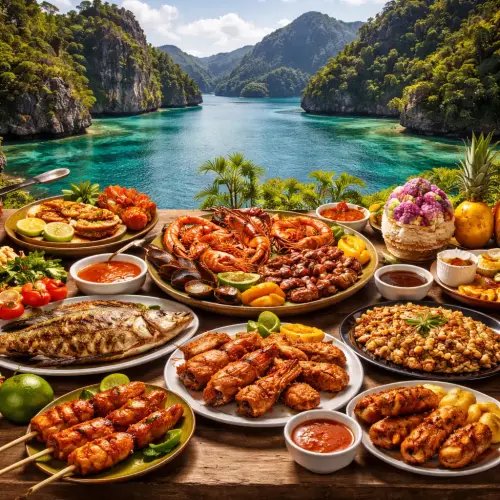
Coron sits on Busuanga Island in northern Palawan, surrounded by pristine waters and rich marine life. This geography shapes the local food culture. Unlike Manila or Cebu, Coron Palawan delicacies rely heavily on what the sea provides daily. Fish, squid, shrimp, crab, and lobster are staples, often grilled or cooked in coconut milk. The influence of indigenous Cuyunon and Tagbanua traditions also adds layers of flavor, with dishes that use root crops, wild herbs, and fresh coconuts. You’ll find a surprising scarcity of heavy sauces — locals prefer to let the natural taste of the ingredients shine.
The Seafood That Defines Coron’s Flavors
If you’re a seafood lover, Coron will feel like paradise. The town’s fish port supplies restaurants and street vendors daily. Grilled tangigue (mackerel), kinilaw (ceviche), and sinigang na lapu-lapu (grouper sour soup) are among the most requested dishes. Many eateries serve these with a side of ensaladang mangga (green mango salad) and steamed rice.
Rice Cakes and Sweets From Local Kitchens
For those with a sweet tooth, the must-try treats in Coron include traditional kakanin like suman sa ibus (rice cakes wrapped in palm leaves), kalamay (sticky rice sweetened with coconut cream), and sapin-sapin. These are often sold by women on the streets near the church or the public market. They are affordable — around PHP 10 to 30 per piece — and make for an energy-packed snack after island hopping.
Your Complete Coron Food Guide: 20+ Treats You Must Try
This Coron food guide divides the treats into five categories: seafood dishes, grilled items, street food, desserts, and beverages. Each entry includes a short description, where to find it, and a tip to get the best experience.
Category 1: Seafood Specialties
1. Tamilok (Woodworm) — A slimy but prized mollusk harvested from mangrove trees. It’s served fresh with vinegar, chili, and calamansi. Locals swear by its aphrodisiac qualities. Try it at Lolo Nonoy’s Food Station in town.
2. Kinilaw na Tanigue — Fresh mackerel cured in vinegar, ginger, onions, and chili. Sour and spicy, it’s a ceviche-like starter. Best eaten at Santino’s Grill.
3. Grilled Lobster — Live lobsters from local waters, grilled with garlic butter or stuffed with cheese. Expect to pay PHP 800–1,500 depending on size. Head to Lobster King for a consistent experience.
4. Sinigang na Hipon — A tamarind-based sour soup with river shrimp. It’s lighter than the pork version and pairs well with steamed rice. Try it at Bistro Coron.
Category 2: Grilled and Fried Favorites
5. Inihaw na Squid — Fresh squid marinated in calamansi and soy sauce, then grilled over charcoal. Served with spicy vinegar dip. Available at most seaside grill houses along the baywalk.
6. Crispy Pata — Deep-fried pork leg that’s crunchy on the outside and tender inside. A favorite pulutan (beer snack). Order it at Badjao Bar and Grill.
7. Chicharon Bulaklak — Fried pork ruffle fat, crispy and addictive. Often served with sinamak (spiced vinegar). Find it at any local carinderia.
Category 3: Street Food Snacks
8. Banana Cue — Whole saba bananas caramelized in brown sugar and deep-fried on skewers. Sold by street vendors near the public market for PHP 15–20.
9. Turon — Spring rolls filled with sliced saba banana and jackfruit, fried until golden. A sweet, crunchy snack you can buy from mobile carts.
10. Fish Balls — Deep-fried fish paste served with sweet or spicy sauce. A classic street food staple available at every corner.
11. Kwek-Kwek — Hard-boiled quail eggs coated in orange batter and fried. Served with vinegar dip. Popular among students and workers.
Category 4: Native Desserts
12. Biko — Sticky rice cake cooked with coconut cream and brown sugar, topped with latik (coconut caramel). Sold at the early morning market.
13. Suman sa Ibus — Glutinous rice wrapped in palm leaves, boiled, and served with shredded coconut. A simple but satisfying breakfast or merienda.
14. Ginataang Bilo-Bilo — A warm dessert soup with sticky rice balls, sweet potato, saba bananas, and jackfruit in coconut milk. Best on rainy afternoons at cafes like Cafe del Sol.
15. Halo-Halo — A shaved ice dessert with condensed milk, beans, jellies, fruits, and leche flan. Refreshing after a long island-hopping trip. Try it at Ice Dream Coron.
Category 5: Refreshing Beverages
16. Buko Juice — Fresh coconut water served straight from the shell. Vendors near the pier sell it for PHP 25–50.
17. Calamansi Juice — Freshly squeezed small citrus fruit, sweetened and iced. A vitamin C booster available everywhere.
18. Kapeng Barako — Locally grown and roasted coffee beans, brewed strong. Coron has a thriving coffee scene. Visit Cafe No. 9 for a proper cup.
19. Sago’t Gulaman — A sweet drink with tapioca pearls and gelatin cubes in brown sugar syrup. Sold by street vendors in cups.
20. Tuba — Fermented coconut sap, slightly alcoholic. Sourced from local Tagbanua communities. Drink it fresh from the tree if you can find it.
Where to Experience Coron Palawan Delicacies
Most Coron Palawan delicacies are concentrated in the town proper. The public market (Palengke) near the port opens early and sells fresh seafood, local vegetables, and prepared food. For a sit-down restaurant, head to Lolo Nonoy’s Food Station or D’Jungle Restaurant. The baywalk area comes alive in the evening with grilled food stalls and acoustic music.
Best Time to Visit Food Markets
The public market is busiest from 5:00 AM to 8:00 AM. That’s when you’ll find the freshest catch and hot rice cakes. If you want street food, visit between 4:00 PM and 9:00 PM. The night market on Real Street offers barbecue, fried chicken, and snacks at budget-friendly prices.
Tips for Eating Like a Local
Always ask for “sawsawan” (dipping sauce) made from vinegar, soy sauce, chili, and calamansi. Eat with your hands (kamayan) for a more authentic experience. Bring small bills, as many vendors don’t have change. And don’t shy away from Tamilok — it is truly a badge of honor for any food traveler.
Frequently Asked Questions About Coron Palawan Delicacies
Frequently Asked Questions About Coron Palawan delicacies
What is the most famous food in Coron Palawan?
Grilled seafood, especially lobster and squid, is the most famous. Tamilok (woodworm) also stands out as a unique local specialty.
Is Tamilok safe to eat?
Yes. Tamilok is a marine mollusk eaten raw with vinegar and chili. It is considered safe when harvested from clean mangrove areas.
Where can I eat Tamilok in Coron?
Lolo Nonoy’s Food Station near the public market is the most famous spot. Some restaurants along the baywalk also serve it.
What are the best budget eats in Coron?
Street food like banana cue, turon, fish balls, and kwek-kwek are very affordable. The public market also offers cheap, filling meals.
Are there vegetarian options in Coron?
Yes. Most restaurants offer vegetable dishes like chopsuey, pinakbet, and fresh salads. Rice and fruits are widely available.
What is the best restaurant in Coron for seafood?
Santino’s Grill and Bistro Coron are highly recommended. Both serve fresh catches in a casual setting.
What time do food markets open in Coron?
The public market opens around 5:00 AM. Street food stalls typically start operating in the late afternoon, around 4:00 PM.
Can I find Western food in Coron?
Yes. Many restaurants serve pasta, pizza, burgers, and sandwiches. However, the local food is more flavorful and affordable.
What desserts are unique to Coron?
Biko, suman sa ibus, and ginataang bilo-bilo are traditional desserts you’ll find easily. Halo-halo is also popular.
Where can I buy local coffee in Coron?
Cafe No. 9 and Cafe del Sol both serve locally roasted coffee. You can also buy beans at the market.
Is seafood expensive in Coron?
Not compared to major cities. A plate of grilled fish costs around PHP 150–300. Lobster is more expensive but still cheaper than in Manila.
What is the best time to visit Coron for food?
Dry season (November to May) is best for island hopping and fresh seafood. Festivals like the Coron Food Festival happen in March.
Are there food tours in Coron?
Yes. Some local guides offer food tours that include market visits, Tamilok tasting, and restaurant hopping. Arrange through your hotel.
What should I drink with my meal?
Buko juice or calamansi juice are the best non-alcoholic options. For beer, San Miguel is widely available.
Can I bring food back from Coron?
Yes. Pack dried fish, local coffee, and packaged rice cakes. Check airline rules for liquids.
Is street food safe to eat in Coron?
Yes, if it’s freshly cooked and vendors maintain cleanliness. Choose stalls with many customers.
What are the most popular snacks for island hopping?
Packed rice, grilled chicken, and fresh fruits are common. Many tour operators include lunch with grilled seafood.
Are there halal food options in Coron?
Some restaurants along the main road offer halal options. The Muslim community in Coron runs a few eateries in the town proper.
Can I find luxury dining in Coron?
Yes. Resorts like Two Seasons and Club Paradise have fine dining restaurants. Prices are higher but worth it for the ambiance.
What is the ultimate Coron food experience?
Eating Tamilok at a local restaurant, followed by grilled lobster and halo-halo at the beach. That’s the full must-try treats in Coron experience.
Useful Resources
Learn more about Coron Palawan delicacies and plan your food trip with these trusted sources:
Whether you are a seasoned food traveler or a first-time visitor, Coron Palawan delicacies offer an unforgettable culinary journey. From the bold flavors of Tamilok to the comforting sweetness of suman sa ibus, every meal here tells a story of tradition and fresh ingredients. Use this Coron food guide to navigate the local food scene with confidence and curiosity. Your taste buds will thank you.
