
El Nido Palawan Delicacies Key Takeaways
El Nido isn’t just about turquoise lagoons and limestone cliffs — it’s also a hidden gem for food lovers.
- El Nido Palawan delicacies range from grilled seafood and coconut-based curries to native desserts like kalamay and ube halaya .
- Local markets and beachfront eateries offer the freshest ingredients, often prepared using traditional methods passed down through generations.
- Don’t leave without trying tamilok (woodworm), chori-burger , or the island’s famous sea urchin — each tells a story of Palawan’s coastal culture.
Table of Contents
- What Makes El Nido Palawan Delicacies So Unique?
- Fresh Seafood: The Heart of El Nido Palawan Delicacies
- 1. Grilled Squid (Inihaw na Pusit)
- 2. Sinigang na Isda (Sour Fish Soup)
- 3. Grilled Tuna Panga (Tuna Jaw)
- 4. Kinilaw (Ceviche-Style Raw Fish)
- 5. Sea Urchin (Talong)
- Street Snacks and Savory Bites: Must-Try Treats in El Nido
- 6. Tamilok (Woodworm)
- 7. Chori-Burger
- 8. Turon (Banana Spring Rolls)
- 9. Kwek-Kwek (Orange Quail Eggs)
- 10. Ginataang Kuhol (Coconut Snails)
- Desserts and Coconut Sweets: El Nido Palawan Delicacies You Can’t Skip
- 11. Buchi (Sesame Balls with Ube Filling)
- 12. Kalamay (Sticky Rice Cake)
- 13. Ube Halaya (Purple Yam Jam)
- 14. Coconut Macaroons
- 15. Buko Salad (Coconut Salad)
- Refreshing Drinks: El Nido Palawan Delicacies to Quench Your Thirst
- 16. Buko Juice (Coconut Water)
- 17. Sago’t Gulaman (Tapioca Jelly Drink)
- 18. Buko Pandan
- 19. Kapeng Barako (Liberica Coffee)
- 20. Calamansi Juice
- Hearty Soups and Stews: Comfort Food from El Nido Palawan Delicacies
- 21. Tinola (Ginger Chicken Soup)
- 22. Adobong Pusit (Squid Adobo)
- 23. Laing (Taro Leaves in Coconut Milk)
- 24. Gising-Gising (Spicy Green Beans)
- 25. Pinakbet (Mixed Vegetable Stew)
- Where to Find the Best El Nido Palawan Delicacies
- Essential Tips for Trying El Nido Palawan Delicacies
- Useful Resources
- What is the most famous El Nido Palawan delicacy?
- Is tamilok safe to eat?
- What is the best time to visit El Nido for food tours?
- How much does a typical meal cost in El Nido?
- Are there vegetarian-friendly El Nido Palawan delicacies ?
- Can I find halal food in El Nido?
- What is the best dessert to try in El Nido?
- Is sea urchin safe to eat raw?
- What drinks pair well with El Nido Palawan delicacies ?
- Where can I buy local ingredients to take home?
- What is a boodle fight?
- Are there any street food stalls near El Nido beach?
- Can I request a cooking class in El Nido?
- Is the water safe to drink in El Nido?
- What is the best time to visit the public market?
- What is the difference between kinilaw and ceviche?
- Are there any dessert-only shops in El Nido?
- What is the best souvenir food to bring home?
- Can I find international food in El Nido?
- Is El Nido safe for solo female travelers to eat alone?
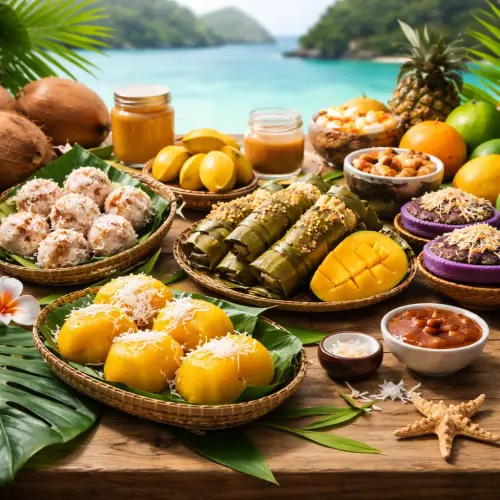
What Makes El Nido Palawan Delicacies So Unique?
Located in the western Philippines, El Nido is blessed with abundant marine life, tropical fruits, and a deep-rooted farming tradition. The local cuisine blends indigenous Palawan local food with influences from neighbouring Visayan and Chinese communities. You’ll find dishes that rely heavily on coconut milk, turmeric, lemongrass, and — of course — the freshest fish and shellfish. You can also explore more posts in palawan.
Most locals still cook over wood fire or charcoal, which gives must-try treats in El Nido an unmistakable smoky aroma. The best part? Prices are low, and hospitality is high.
Fresh Seafood: The Heart of El Nido Palawan Delicacies
No trip to El Nido is complete without diving into its seafood scene. These dishes are the backbone of El Nido Palawan delicacies and reflect the island’s daily catch.
1. Grilled Squid (Inihaw na Pusit)
Tender squid marinated in calamansi, soy sauce, and garlic, then charred over hot coals. It’s often served with a spicy vinegar dip. Tip: Request it “extra luto” (well-done) for a crispier texture.
2. Sinigang na Isda (Sour Fish Soup)
A tamarind-based soup loaded with local fish like lapu-lapu or maya-maya. Vegetables such as radish, kangkong, and okra make it a one-pot meal. Fun fact: Many beachfront eateries let you choose your fish straight from the cooler.
3. Grilled Tuna Panga (Tuna Jaw)
Marinated in a mix of soy sauce, garlic, and brown sugar, then grilled until golden. The meat around the jawbone is incredibly flavourful and tender. Pro tip: Pair it with steamed rice and a side of ensaladang mangga (green mango salad).
4. Kinilaw (Ceviche-Style Raw Fish)
Fresh tuna or tanigue marinated in vinegar, calamansi, ginger, and chili. Unlike Filipino kinilaw, the Palawan version uses less vinegar and more citrus. Tip: Look for kinilaw at the sidestreet stalls in Lio Tourism Estate — it’s often served with grilled seaweed on the side.
5. Sea Urchin (Talong)
Locally called talong, these spiny creatures are cracked open and eaten raw straight from the shell. The gonads — called “uni” — have a creamy, briny taste. Fun fact: You’ll find them in tiny plastic cups at the market for around ₱20–30 each.
Street Snacks and Savory Bites: Must-Try Treats in El Nido
When you’re out exploring the backstreets of El Nido or waiting for your boat tour, these handheld snacks are perfect.
6. Tamilok (Woodworm)
Don’t let the name fool you — tamilok is a type of mollusk that looks like a long worm. It’s eaten raw with a dip of vinegar, ginger, and chili. Tip: Close your eyes and take a bite — the taste is mild and slightly sweet, like a combination of oyster and clam.
7. Chori-Burger
A beloved local invention: a juicy chorizo patty stuffed inside a small bun, topped with cabbage, cucumber, and a sweet-sour dressing. Where to find: The chori-burger stalls along the town’s main strip near the beach entrance.
8. Turon (Banana Spring Rolls)
Saba bananas wrapped in lumpia wrapper and deep-fried with a caramelized brown sugar coating. Some versions include langka (jackfruit). Pro tip: Ask for it extra crispy — the caramelized sugar forms a brittle shell.
9. Kwek-Kwek (Orange Quail Eggs)
Hard-boiled quail eggs coated in an orange batter and deep-fried. Served with a sweet-sour or spicy vinegar dip. Fun fact: Vendors usually sell them from makeshift carts parked near public markets.
10. Ginataang Kuhol (Coconut Snails)
Local snails (kuhol) simmered in coconut milk, ginger, and chili. The creamy sauce is fantastic on rice. Tip: Use a toothpick to extract the meat — the sauce clings to the shell, so don’t skip dipping.
Desserts and Coconut Sweets: El Nido Palawan Delicacies You Can’t Skip
Coconut is king in Palawan, and it shows in these sweet treats that round out any meal.
11. Buchi (Sesame Balls with Ube Filling)
Chewy glutinous rice flour balls filled with purple yam (ube) and coated in sesame seeds. They’re deep-fried until golden. Best with: A hot cup of kapeng barako (strong local coffee).
12. Kalamay (Sticky Rice Cake)
Made from glutinous rice flour, brown sugar, and coconut milk, then steamed in banana leaves. It’s dense, sweet, and slightly sticky. Variation: Look for kalamay palitaw — rolled in grated coconut and served with a sugar-calamansi syrup.
13. Ube Halaya (Purple Yam Jam)
A rich, creamy dessert made from mashed purple yam, coconut milk, and condensed milk. It’s often served as a spread on pandesal (bread rolls) or eaten by the spoonful. Fun fact: Ube halaya from El Nido has a deeper purple colour because local farmers use a variety called ube kinata.
14. Coconut Macaroons
Soft, chewy cookies made from desiccated coconut, condensed milk, and eggs. They’re baked until the edges turn golden. Pro tip: Buy a bag from the El Nido Public Market — they pack them fresh daily.
15. Buko Salad (Coconut Salad)
Young coconut strips mixed with canned fruit, condensed milk, and a bit of salt. It’s served chilled and doubles as a dessert or a side dish. Tip: Request it with extra kaong (sugar palm fruit) for added chew.
Refreshing Drinks: El Nido Palawan Delicacies to Quench Your Thirst
After a day of island hopping, these local beverages will cool you down and recharge your energy.
16. Buko Juice (Coconut Water)
Fresh coconut water served straight from the shell. Vendors often scrape out the soft meat for you to eat after drinking. Tip: Add a shot of local rum (lambanog) for an island cocktail.
17. Sago’t Gulaman (Tapioca Jelly Drink)
A sweet drink made from sago pearls and gulaman (gelatin cubes) mixed with sugar, vanilla, and water. Fun fact: Street vendors sell it in small plastic bags with a straw — a classic Pinoy way to drink on the go.
18. Buko Pandan
Young coconut strips and pandan-flavoured gelatin mixed with cream and condensed milk. It’s more of a dessert drink, served chilled. Pairing: It goes beautifully with grilled seafood because the sweetness offsets the salty, smoky flavours.
19. Kapeng Barako (Liberica Coffee)
Palawan grows its own Liberica coffee beans, known locally as kapeng barako. The coffee is strong, earthy, and slightly fruity. Where to try: Small cafés near El Nido town proper, like Kape El Nido or Artisans Café.
20. Calamansi Juice
The Philippine native lime (calamansi) is juiced with sugar and water to create a refreshing, vitamin-packed drink. Pro tip: Ask for it with honey instead of sugar for a healthier twist.
Hearty Soups and Stews: Comfort Food from El Nido Palawan Delicacies
Rainy days or chilly evenings call for something warm and filling. These soupy dishes are staples in local homes.
21. Tinola (Ginger Chicken Soup)
Chicken pieces simmered with ginger, green papaya, and chili leaves. The broth is light but packed with flavour. Tip: Add a squeeze of calamansi just before serving — it brightens the whole dish.
22. Adobong Pusit (Squid Adobo)
Squid cooked in soy sauce, vinegar, garlic, and black pepper until the sauce reduces to a glossy glaze. Fun fact: Locals prefer the pusit to be slightly undercooked so the texture stays tender.
23. Laing (Taro Leaves in Coconut Milk)
Dried taro leaves simmered in coconut milk, chili, and shrimp paste. The long cooking process mellows the leaves and creates a creamy, spicy curry-like dish. Where to find: Most carinderias (local eateries) near the market serve it daily.
24. Gising-Gising (Spicy Green Beans)
Finely chopped green beans cooked in coconut milk, chili, and ground pork. The name means “wake-up” because of the heat level. Pro tip: It’s even better the next day once the flavours meld.
25. Pinakbet (Mixed Vegetable Stew)
A hearty stew of squash, okra, eggplant, bitter melon, and string beans, seasoned with shrimp paste. Variation: In El Nido, they add grilled fish flakes on top for extra umami.
Where to Find the Best El Nido Palawan Delicacies
If you want the real deal, skip the fancy restaurants and head straight to these spots:
- El Nido Public Market (open daily 6 AM to 6 PM) — fresh seafood, produce, and cooked food stalls.
- Beachfront grill stalls along Bacuit Bay — choose your fish and watch it grill in front of you.
- Lio Tourism Estate — a mix of food trucks, kiosks, and small restaurants serving both local and international dishes.
- Carinderias near the municipal hall — budget-friendly and authentic home-cooked meals.
For a more immersive experience, join a local cooking class or arrange a boodle fight (a Filipino communal feast served on banana leaves) — many tour operators offer these upon request.
Essential Tips for Trying El Nido Palawan Delicacies
These simple pointers will make your food adventure smoother:
- Be adventurous: Don’t hesitate to try unfamiliar ingredients like tamilok or sea urchin — you might discover a new favourite.
- Bring cash: Most market stalls and street vendors don’t accept cards.
- Ask for the “local price”: Some vendors have two price lists — one for tourists and one for locals. Politely asking for the local price can save you money.
- Go early: The best seafood is gone by 9 AM at the market.
- Stay hydrated: Spicy food and tropical heat demand plenty of water (or buko juice).
Useful Resources
Frequently Asked Questions About El Nido Palawan Delicacies
What is the most famous El Nido Palawan delicacy?
Grilled seafood, especially tuna panga (jaw) and squid, is iconic. Tamilok (woodworm) is also a famous unique local treat.
Is tamilok safe to eat?
Yes. Tamilok is a mollusk found in mangroves and is traditionally eaten raw with vinegar and chili. It’s safe when sourced from clean waters.
What is the best time to visit El Nido for food tours?
Dry season (November to May) offers the best weather for island hopping and market visits. Seafood is abundant year-round.
How much does a typical meal cost in El Nido?
A budget meal at a carinderia costs around ₱50–100. A seafood feast at a beachfront grill is ₱300–600 per person.
Are there vegetarian-friendly El Nido Palawan delicacies ?
Yes. Pinakbet, laing, and buko salad are all plant-based. Most carinderias also serve tofu and vegetable dishes upon request.
Can I find halal food in El Nido?
Yes. Several restaurants in town and near Lio Tourism Estate serve halal-certified dishes, including grilled chicken and fish.
What is the best dessert to try in El Nido?
Ube halaya (purple yam jam) and kalamay (sticky rice cake) are local favourites. Coconut macaroons are also excellent for takeaway.
Is sea urchin safe to eat raw?
Yes, when harvested from clean waters. In El Nido, it’s typically eaten fresh from the shell. Avoid any that smell overly fishy.
What drinks pair well with El Nido Palawan delicacies ?
Buko juice (coconut water) is perfect for cutting through salty and spicy flavours. Kapeng barako (local coffee) is great with desserts.
Where can I buy local ingredients to take home?
The El Nido Public Market sells dried fish, bottled ube halaya, and packaged kalamay. Some shops also offer local coffee beans.
What is a boodle fight?
A communal feast where food is spread on banana leaves and you eat with your hands. Many resorts and tour operators offer this experience.
Are there any street food stalls near El Nido beach?
Yes. Along the main road near the beach, you’ll find chori-burger stalls, turon vendors, and grilled corn stands.
Can I request a cooking class in El Nido?
Yes. Several cooking schools and resorts offer hands-on classes where you learn to cook sinigang, adobo, and local sweets.
Is the water safe to drink in El Nido?
Tap water is not recommended for drinking. Stick to bottled water, which is widely available at stores and restaurants.
What is the best time to visit the public market?
Early morning (6 AM to 8 AM) is best for the freshest seafood and produce. The market closes around 6 PM.
What is the difference between kinilaw and ceviche?
Kinilaw uses vinegar and calamansi, while ceviche uses lime juice. Kinilaw is typically served with ginger and chili, not onions or tomatoes.
Are there any dessert-only shops in El Nido?
Yes. Small bakeries and cafes near the town center sell cakes, pastries, and local sweets like ube halaya and macaroons.
What is the best souvenir food to bring home?
Kalamay, ube halaya, and dried fish are popular and travel well. Local coffee beans are also a great gift. For a related guide, see Top Attractions in the Philippines.
Can I find international food in El Nido?
Yes. There are Italian, Mexican, and Japanese restaurants in town, especially near Lio Tourism Estate and the main beach strip.
Is El Nido safe for solo female travelers to eat alone?
Yes. The town is generally safe, and many eateries have comfortable seating for solo diners. Just take usual precautions at night.
