
Pros and Cons of Living in Siargao Long-Term Key Takeaways
Siargao draws long-term travelers with its world-class waves, laid-back tropical vibe, and tight-knit expat community.
- The Pros and Cons of Living in Siargao Long-Term center on surf access, cost of living, and slower pace versus infrastructure gaps and seasonal isolation.
- Budget travelers and digital nomads often thrive here, while luxury seekers may find limited dining and accommodation options.
- Plan for power outages, occasional medical shortages, and a community that values sustainability and connection.
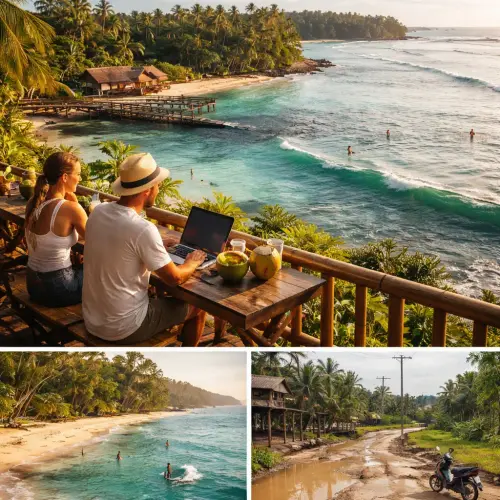
Understanding the Pros and Cons of Living in Siargao Long-Term Before You Move
Siargao has transformed from a surf secret into an international destination. Yet long-term living here is a different experience from a two-week vacation. Whether you are a solo traveler, a remote worker, or an adventure seeker, weighing the Pros and Cons of Living in Siargao Long-Term will shape your relocation plan.
Pro: World-Class Surf and Outdoor Lifestyle
Siargao remains the surfing capital of the Philippines. For beginner surfers and seasoned wave chasers, Cloud 9, Jacking Horse, and Pacifico provide consistent swells year-round. Beyond surfing, island hopping to Sugba Lagoon, Magpupungko Rock Pools, and the Sohoton Cove nature reserve keeps adventure seekers busy. Long-term residents often develop a deep connection with nature that urban environments cannot match.
What This Means for Different Travelers
For surfers and beach lovers, the ability to paddle out every morning without checking a forecast is a dream. Photographers and Instagram travelers find endless content in the palm-fringed coastlines. Wellness travelers enjoy sunrise yoga on the beach and cold coconut water after a surf session.
Con: Infrastructure and Utility Challenges
Island living comes with trade-offs. Power outages happen weekly, especially during the rainy season. Internet connectivity has improved but remains inconsistent in remote areas. Digital nomads and remote workers should invest in a backup connection—either a VPN with a local SIM or a Starlink subscription. Medical facilities are basic; serious conditions require a flight to Cebu or Manila. These realities are central to the Pros and Cons of Living in Siargao Long-Term equation.
Pro: Low Cost of Living for Budget and Backpacker Travelers
Compared to Bali, Koh Lanta, or Lisbon, Siargao offers exceptional value. Rent for a studio apartment in General Luna runs from PHP 8,000 to PHP 15,000 (USD 140–270). Street food meals cost under PHP 100, and a fresh coconut is PHP 30. For backpackers, budget travelers, and long-term travelers, this means you can stretch your savings while enjoying a high quality of life. For a related guide, see Cost of Living in Siargao: Monthly Budget Breakdown.
Where Your Money Goes
Most expenses go to accommodation, transportation (motorbike rental is PHP 5,000–8,000 monthly), and activities. Food lovers on a tight budget can eat well from local markets. Luxury travelers will find upscale villas starting at PHP 40,000–60,000 per month in resorts like Nay Palad or Dedon Island.
Con: Limited Dining and Food Variety
While Siargao has a growing café scene and several excellent restaurants, the food diversity pales compared to Manila or Cebu. Vegan travelers and seafood enthusiasts will enjoy fresh catches and plant-based options at spots like Mother Cafe, but those craving Japanese, Middle Eastern, or fine dining may feel restricted. Café hoppers will find specialty coffee at Shaka Café and Tropical Temple, but options are concentrated in General Luna.
Pro: Strong Community for Digital Nomads and Freelancers
Siargao hosts a thriving co-working scene, with spaces like Outpost, Nomad Bites, and Sunset Grill offering reliable Wi-Fi and networking events. Digital nomads, freelancers, and remote workers connect easily through Facebook groups, weekly meetups, and surf sessions that blend work with play. Many long-term residents report forming deeper friendships here than in more transient destinations.
Con: Seasonal Weather and Isolation
The rainy season (November to February) brings frequent typhoons and flooding. Tours cancel, flights get delayed, and the island feels quiet—sometimes too quiet. Solo travelers and couples may find this season tests their comfort with solitude. Honeymooners should aim for March to October for sunshine and calm seas. Understanding these seasonal shifts is part of the Pros and Cons of Living in Siargao Long-Term reality.
Pro: Unmatched Opportunity for Mindfulness and Wellness
Wellness travelers gravitate to Siargao for its slow mornings, beachfront meditation, and absence of urban noise. The island encourages a simpler life—swim during lunch break, watch sunsets without checking your phone, and sleep better without pollution. Many long-term residents report reduced stress and increased creativity after six months on the island.
Con: Transportation and Accessibility Limitations
Getting to Siargao typically requires a flight from Manila or Cebu to Sayak Airport. During peak season, tickets triple in price. Once on the island, a motorbike is essential for exploring. Public transit is nearly nonexistent. International tourists and Filipino tourists alike should budget for transfers and consider renting a bike long-term to stay mobile.
How to Make an Informed Decision About Siargao Long-Term Living
Before booking a one-way ticket, test the waters with a 30-day stay. Rent a room in General Luna for a week, then spend time in Pacifico or Santa Monica to experience the quieter side. Talk to local expats in Facebook groups like Siargao Digital Nomads. If you value nature and community over nightlife and convenience, the Pros and Cons of Living in Siargao Long-Term will likely tip in your favor.
Checklist for a Smooth Transition
- Arrange a backup internet solution (Starlink or local SIM with data).
- Pack for both heat and rain; bring a waterproof bag.
- Secure a long-term motorbike rental (discount available for monthly).
- Join at least two local Facebook groups before arrival.
- Plan your first month’s budget including startup costs (bike deposit, apartment advance).
Final Verdict: Is Siargao Right for You?
The Pros and Cons of Living in Siargao Long-Term balance out differently for each traveler. Surfers, nature lovers, and digital nomads on a moderate budget will find Siargao deeply rewarding. Luxury travelers and those needing constant access to high-end dining or healthcare may struggle. For backpackers, solo travelers, and lifestyle explorers, the island offers a rare combination of adventure, community, and calm that few places can replicate. For a related guide, see Living in Siargao as a Digital Nomad: Cost, WiFi and Lifestyle.
Useful Resources
For current updates on co-working spaces and nomad visas, check Nomad List Siargao for cost-of-living data and community reviews.
For weather planning and travel advisories, visit the Philippine Atmospheric, Geophysical and Astronomical Services Administration (PAGASA) for reliable forecasts.

Jin Grey is a Filipino Senior SEO Consultant and AI-First SEO Strategist who helps international brands grow through modern search strategies. She specializes in technical SEO, semantic keyword research, and AI-ready content creation. She is also the owner of JinGrey.com.
As a digital nomad, she loves exploring the world and trying different cuisines during her free time.