
California Attractions Key Takeaways
Why it’s a must-see: Standing beneath a 350-foot-tall coast redwood is a humbling experience you’ll carry forever.
- The 15 California attractions listed here range from iconic landmarks (Yosemite, Golden Gate Bridge) to lesser-known wonders (Channel Islands, Salvation Mountain).
- Each entry includes the best time to visit, approximate entry fees, and a pro tip to elevate your experience.
- 2026 brings new reasons to explore: fresh exhibits at major museums, upgraded park facilities, and seasonal events worth planning around.
Table of Contents
- Why These California Attractions Should Be on Your 2026 Bucket List
- 15 Best Places to Visit in California 2026
- 1. Redwood National and State Parks
- 2. Lassen Volcanic National Park
- 3. Napa Valley Wine Country
- 4. Golden Gate Bridge (San Francisco)
- 5. Yosemite National Park
- 6. Monterey Bay Aquarium
- 7. Big Sur Coastline
- 8. Hearst Castle (San Simeon)
- 9. Channel Islands National Park
- 10. Los Angeles County Museum of Art (LACMA)
- 11. Disneyland Resort (Anaheim)
- 12. Joshua Tree National Park
- 13. Salvation Mountain (Niland)
- 14. San Diego Zoo
- 15. Death Valley National Park
- Practical Tips for Visiting California Attractions in 2026
- Useful Resources
- What are the top California attractions for 2026?
- Which California attractions are free to visit?
- What is the best time of year to visit California?
- How many days do I need to see California attractions?
- What is the cheapest way to visit California attractions?
- Are California attractions open year‑round?
- Which California attractions are best for families with kids?
- Do I need a car to visit California attractions?
- What California attractions require advance reservations?
- Which California attractions are pet‑friendly?
- What is the most visited California attraction?
- Can I see multiple California attractions in one day?
- What is the best California attraction for photography?
- Which California attractions are accessible for visitors with disabilities?
- Are there any hidden‑gem California attractions?
- What should I pack for visiting California attractions in 2026?
- Do California attractions offer military discounts?
- What is the best app for navigating California attractions?
- Which California attractions have the worst crowds?
- How can I save money on California attractions in 2026?
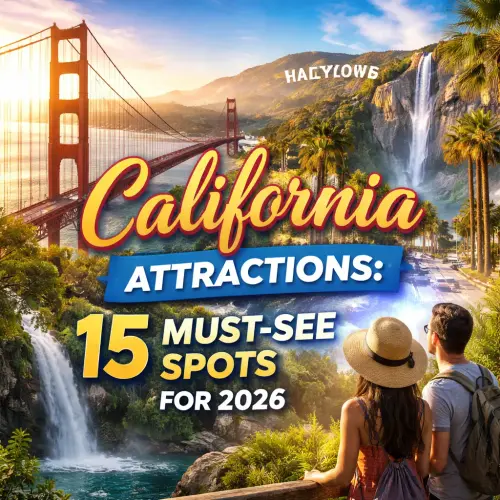
Why These California Attractions Should Be on Your 2026 Bucket List
California is enormous—stretching nearly 800 miles from the Oregon border to Mexico. Trying to see it all in one trip is tempting, but unrealistic. Instead, we’ve curated 15 destinations that capture the state’s extraordinary diversity: coastal bluffs, alpine lakes, vibrant cities, and quiet desert escapes. Whether you’re a first-time visitor or a seasoned California traveler, these spots offer fresh reasons to return in 2026. For a related guide, see 15 Hidden Gems in California: Best Secret Spots You Must Visit.
15 Best Places to Visit in California 2026
Below you’ll find our handpicked list of California attractions for 2026. We’ve organized them from north to south to make route planning easier. Each entry includes a snapshot of why it matters now, plus honest advice to help you decide if it fits your travel style. For a related guide, see 20 Essential California Travel Tips You Need Before Your Trip.
1. Redwood National and State Parks
Why it’s a must-see: Standing beneath a 350-foot-tall coast redwood is a humbling experience you’ll carry forever. In 2026, the park’s centennial restoration projects have improved several trails and visitor centers.
Best time to visit: May through September for dry weather; crowds are thinner in late spring.
Entry fee: $35 per vehicle for a 7-day pass.
Pro tip: Take the Newton B. Drury Scenic Parkway rather than the highway—you’ll see more wildlife and ancient groves.
2. Lassen Volcanic National Park
Why it’s a must-see: Often overlooked for Yosemite, Lassen offers bubbling mud pots, steaming fumaroles, and crystal-clear lakes without the crowds. The park’s 2026 trail rehabilitation makes summit hikes safer.
Best time to visit: July through September when the main road is fully open.
Entry fee: $30 per vehicle for 7 days.
Pro tip: Arrive before 8 a.m. to snag a parking spot at the popular Bumpass Hell trailhead.
3. Napa Valley Wine Country
Why it’s a must-see: Beyond the world-class cabernets, Napa in 2026 is embracing sustainable tourism—several wineries now offer solar-powered tastings and organic farm tours.
Best time to visit: September and October for harvest season; March to May for wildflowers and fewer visitors.
Entry fee: Tastings range from $35–$75 per person; many require reservations.
Pro tip: Book a guided bike tour through the valley—it’s the best way to visit multiple estates without worrying about driving.
4. Golden Gate Bridge (San Francisco)
Why it’s a must-see: The Golden Gate Bridge remains one of the most photographed California attractions for good reason. In 2026, a new pedestrian plaza on the San Francisco side offers expanded viewpoints and interpretive exhibits.
Best time to visit: Late morning on a clear day (July–October offers the best odds for no fog).
Entry fee: Free to walk or bike across; southbound toll for vehicles is $8.70 (FasTrak).
Pro tip: For a classic shot, head to Battery Spencer on the Marin side just after sunrise.
5. Yosemite National Park
Why it’s a must-see: Yosemite’s granite cliffs and waterfalls are legendary. 2026 marks the completion of major trail upgrades, including improved access to Glacier Point for those with mobility challenges.
Best time to visit: May and June for peak waterfalls; September for mild temps and fewer people.
Entry fee: $35 per vehicle for 7 days.
Pro tip: Reserve day-use parking or lodging well in advance—summer slots sell out months ahead.
6. Monterey Bay Aquarium
Why it’s a must-see: This world-renowned aquarium opens a new deep-sea exhibit in summer 2026, showcasing bioluminescent jellyfish and anglerfish rarely seen outside the abyss.
Best time to visit: Weekdays in spring or fall to avoid school groups.
Entry fee: Adults $59.95; children $44.95.
Pro tip: Plan your visit around feeding times (posted on the website) for sea otters and penguins.
7. Big Sur Coastline
Why it’s a must-see: The dramatic cliffs of Highway 1 are a classic California road trip. 2026 is an ideal year to visit because recent road repairs have fully reopened all viewpoints, including the iconic Bixby Creek Bridge.
Best time to visit: April through October for clear driving conditions.
Entry fee: No fee for the highway; state parks along the route charge $10 per vehicle.
Pro tip: Stay overnight at Ventana Campground for stunning sunrise views without the day‑trip rush.
8. Hearst Castle (San Simeon)
Why it’s a must-see: William Randolph Hearst’s opulent estate offers a glimpse into 1920s extravagance. In 2026, the castle launches a new twilight tour that includes the rarely seen wine cellar.
Best time to visit: Fall or winter for cooler weather and smaller tour groups.
Entry fee: $30 per adult for the standard tour.
Pro tip: Book the “Grand Rooms Tour” online—it sells out first and covers the most ornate interiors.
9. Channel Islands National Park
Why it’s a must-see: Often called the “Galápagos of North America,” this offshore park protects unique wildlife like island foxes and blue whales. 2026 brings new kayak routes around Anacapa Island.
Best time to visit: June through August for calm seas and whale sightings.
Entry fee: Free; boat transportation costs $65–$90 per person round trip.
Pro tip: Bring seasickness medication and pack all food—there are no concessions on the islands.
10. Los Angeles County Museum of Art (LACMA)
Why it’s a must-see: LACMA’s expansive new building, scheduled to open fully in 2026, will transform how visitors experience its encyclopedic collection. The “Urban Light” installation remains a free selfie‑worthy landmark.
Best time to visit: Friday evenings (free general admission for county residents) or weekday mornings.
Entry fee: $25 for adults; reduced rates for students and seniors.
Pro tip: Allow at least three hours—the permanent collection alone spans over 150,000 works.
11. Disneyland Resort (Anaheim)
Why it’s a must-see: Disneyland’s 2026 expansion includes a revamped “Mickey’s Toontown” and a new nighttime drone spectacle. It remains the happiest place on Earth for families and theme‑park enthusiasts.
Best time to visit: Weekdays in January or February (after the holiday rush).
Entry fee: Single-day tickets start at $104; dynamic pricing applies.
Pro tip: Use the free Disneyland app to book Lightning Lane passes as soon as you enter the park.
12. Joshua Tree National Park
Why it’s a must-see: The park’s otherworldly Joshua trees and massive rock formations attract hikers and stargazers. 2026’s dark‑sky program includes new telescope viewing stations.
Best time to visit: October through April for comfortable daytime temps.
Entry fee: $30 per vehicle for 7 days.
Pro tip: Stay until after sunset—the Milky Way is visible from most parts of the park on moonless nights.
13. Salvation Mountain (Niland)
Why it’s a must-see: This vibrant, hand‑painted adobe shrine in the Sonoran Desert is a folk‑art masterpiece. Recent restoration efforts have reinforced the structure, ensuring it remains intact for years to come.
Best time to visit: November through February to avoid extreme heat.
Entry fee: Free (donations appreciated).
Pro tip: Combine a visit with the nearby East Jesus art installation for a full afternoon of off‑beat creativity.
14. San Diego Zoo
Why it’s a must-see: The zoo is celebrated for its naturalistic habitats and conservation work. In 2026, a new “Rainforest Aviary” will feature free‑flying tropical birds and butterflies.
Best time to visit: Early morning (8 a.m.) on weekdays during September or October.
Entry fee: $62 for adults; $52 for children ages 3–11.
Pro tip: The guided “Bus Tour” is included with admission and gives a great overview of the 100‑acre park.
15. Death Valley National Park
Why it’s a must-see: The hottest and driest national park in the U.S. offers surreal landscapes like Badwater Basin and the Mesquite Flat Sand Dunes. 2026 brings improved accessibility to the Artists Palette scenic drive.
Best time to visit: November through March for temperatures below 80°F.
Entry fee: $30 per vehicle for 7 days.
Pro tip: Fill your gas tank at Furnace Creek—stations inside the park are sparse and expensive.
Practical Tips for Visiting California Attractions in 2026
Before you hit the road, a few logistical notes will save you time and money. Book lodging for national parks at least three months ahead—summer and school‑break slots go fast. Carry layers wherever you go; California’s microclimates can shift from 50°F fog to 90°F sunshine within an hour. Finally, consider purchasing a California Explorer Annual Pass ($195) if you plan to visit three or more state parks—it pays for itself quickly.
Useful Resources
For official park alerts, real‑time road conditions, and event calendars, check California State Parks and National Park Service before your trip.
Frequently Asked Questions About California Attractions
What are the top California attractions for 2026?
The top California attractions for 2026 include Yosemite National Park, Disneyland, Golden Gate Bridge, Big Sur, and Joshua Tree National Park. This list covers both natural wonders and urban highlights.
Which California attractions are free to visit?
Several attractions have no entry fee, including Golden Gate Bridge (walking/biking), Salvation Mountain, and most beaches. National parks charge admission, but California attractions like LACMA’s “Urban Light” and the Monterey Bay Aquarium’s lobby are free to view from public spaces.
What is the best time of year to visit California?
September through October offers mild weather across most of the state, fewer crowds than summer, and vibrant harvest events in wine country. Spring (March–May) is also excellent for wildflowers and moderate temperatures.
How many days do I need to see California attractions?
A minimum of 10–14 days is recommended if you want to visit both Northern and Southern California. For a focused trip—say, only National Parks or only coastal cities—plan 7–10 days to avoid feeling rushed.
What is the cheapest way to visit California attractions?
Camping in National Parks (campsites start at $20 per night), cooking your own meals, and purchasing a California Explorer Pass ($195) for multiple state parks can reduce costs significantly.
Are California attractions open year‑round?
Most major attractions like Disneyland, San Diego Zoo, and LACMA operate 365 days a year. However, some National Parks have seasonal road closures; Yosemite’s Tioga Pass, for example, typically closes from November to May.
Which California attractions are best for families with kids?
Disneyland, Monterey Bay Aquarium, San Diego Zoo, and the beaches of Santa Monica are top picks. Many California attractions offer free admission for children under 3 or discounted rates for ages 4–12.
Do I need a car to visit California attractions?
For most California attractions, especially National Parks and rural destinations, a car is essential. In cities like San Francisco and Los Angeles, public transit and rideshares can supplement a car rental.
What California attractions require advance reservations?
Yosemite National Park requires day‑use reservations in summer. Hearst Castle, Napa Valley wine tastings, and some Disneyland dining experiences also need advance booking.
Which California attractions are pet‑friendly?
Many state and National Parks allow dogs on leashes in developed areas but not on trails. Beaches like Carmel‑by‑the‑Sea and Huntington Dog Beach are pet‑friendly. Disneyland and the aquarium do not allow pets (service animals excepted).
What is the most visited California attraction?
Disneyland Resort in Anaheim draws roughly 18 million visitors annually, making it the most visited paid California attraction. The Golden Gate Bridge is the most visited free attraction.
Can I see multiple California attractions in one day?
Yes, in compact areas like San Francisco you can visit Fisherman’s Wharf, Golden Gate Bridge, and Alcatraz in a single day. Spreading out National Park visits over separate days is strongly recommended.
What is the best California attraction for photography?
For landscape photography, Yosemite Valley and Big Sur are unmatched. For urban shots, the Golden Gate Bridge at sunrise and the “Urban Light” installation at LACMA offer iconic compositions.
Which California attractions are accessible for visitors with disabilities?
Most National Parks offer paved paths and wheelchair‑accessible shuttles. Disneyland and the San Diego Zoo provide wheelchair rentals. Always check the specific attraction’s accessibility page before visiting.
Are there any hidden‑gem California attractions?
Salvation Mountain near the Salton Sea, the ghost town of Bodie, and the Sea Lion Caves in Oregon (though technically not California) are lesser‑known gems. Channel Islands National Park also feels remote and untouched.
What should I pack for visiting California attractions in 2026?
Layered clothing, sunscreen, a reusable water bottle, comfortable walking shoes, and a hat are essential. If visiting desert parks, include extra water and a first‑aid kit.
Do California attractions offer military discounts?
Yes, National Parks offer free annual passes for active‑duty military and veterans. Disneyland and LACMA also provide discounted tickets for military personnel.
What is the best app for navigating California attractions?
The National Park Service App provides maps and alerts for all federal parks. For theme parks, the Disneyland App is indispensable for wait times and reservations.
Which California attractions have the worst crowds?
Disneyland, Yosemite Valley (summer), and the Monterey Bay Aquarium on weekends can feel overwhelmingly crowded. Visiting on weekdays or during off‑peak months dramatically improves the experience.
How can I save money on California attractions in 2026?
Purchase multi‑park passes, visit on free‑admission days (LACMA has them), stay in budget motels outside tourist zones, and eat at local markets instead of on‑site restaurants.

Jin Grey is a Filipino Senior SEO Consultant and AI-First SEO Strategist who helps international brands grow through modern search strategies. She specializes in technical SEO, semantic keyword research, and AI-ready content creation. She is also the owner of JinGrey.com.
As a digital nomad, she loves exploring the world and trying different cuisines during her free time.