
Home / 12 Reasons Why New York Should Be on Your Travel Bucket List
Reasons Why New York Should Be on Your Travel Bucket List Key Takeaways
New York City is more than skyscrapers and yellow cabs—it’s a living museum, a global kitchen, and a stage for every kind of traveler.
- The city offers free world-class attractions, from Central Park to the High Line, making it accessible for budget travelers.
- Neighborhoods like Chelsea, Williamsburg, and Astoria deliver authentic culinary experiences without tourist markup.
- First-time visitors can rely on a clean, 24/7 subway system and walkable blocks to explore safely.
Table of Contents
- What Makes the Reasons Why New York Should Be on Your Travel Bucket List So Compelling
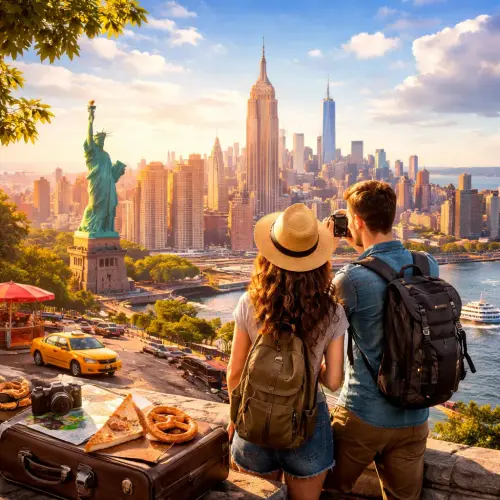
What Makes the Reasons Why New York Should Be on Your Travel Bucket List So Compelling
New York City draws more than 60 million visitors each year, yet it never feels like a one-note destination. The energy shifts block by block: one moment you’re in a quiet bookshop in the West Village, the next you’re pushing through the crowd at Times Square.
For the research-oriented planner, the city offers endless logistics to optimize—flight deals, museum free days, and subway hacks. For the adventure seeker, there’s always a rooftop bar, a hidden speakeasy, or a new pop-up market. This versatility is the core of why the Reasons Why New York Should Be on Your Travel Bucket List hold true for every traveler profile. For a related guide, see Texas Travel Destination: 12 Best Reasons to Visit Now.
A Destination That Adapts to Your Budget
Contrary to popular belief, you don’t need a fortune to enjoy New York. Free attractions like the Staten Island Ferry, the Brooklyn Bridge walk, and the outdoor art at Socrates Sculpture Park cost nothing. Budget travelers can find $3 pizza slices in Greenwich Village and $2 bagels with cream cheese in Brooklyn. Meanwhile, luxury hotels and Michelin-starred restaurants are available for those who want to splurge.
Iconic Sights You Won’t Find Anywhere Else
The Statue of Liberty, Empire State Building, and Central Park are clichés for good reason—they’re genuinely impressive. First-time travelers often underestimate the scale of Central Park (843 acres) or the sheer height of the One World Observatory (1,776 feet).
These landmarks anchor the New York bucket list experience and provide photo opportunities that social media creators crave. For a related guide, see 15 Must-Visit Places in New York for First-Time Travelers.
12 Unforgettable Experiences That Define New York Travel
These twelve reasons go beyond the standard list. They consider what road trip planners, family travelers, digital nomads, and foodies actually value when building an itinerary.
1. The High Line: An Elevated Urban Oasis
This 1.45-mile-long park built on a historic freight rail line runs through Chelsea. It’s free, beautifully landscaped, and offers views of the Hudson River. For social media creators, the changing art installations and seasonal blooms make it a perfect backdrop. Road trip planners can use it as a rest stop after driving into the city—parking garages nearby charge around $20 for the day.
2. World-Class Museums with Free Days
The Metropolitan Museum of Art, the American Museum of Natural History, and the Museum of Modern Art (MoMA) all have pay-what-you-wish hours or free admission days.
Budget travelers should plan visits on Fridays after 4 p.m. at the Museum of Modern Art, where admission is free. The Met’s collection spans 5,000 years, making it a must for research-oriented travelers who want depth.
3. The Food Scene: Global Flavors on Every Block
From Korean BBQ in Koreatown to halal carts in Midtown, the New York travel food scene requires a dedicated appetite. Family travelers appreciate the roti shops in Jackson Heights and the dim sum houses in Chinatown. Food and culinary travelers should book a food tour in Chelsea Market or Smorgasburg on weekends for curated bites.
4. Walkable Neighborhoods for Every Vibe
Brooklyn’s Williamsburg offers vintage shops and riverfront parks; the Lower East Side has live music and speakeasies; SoHo features cast-iron architecture and designer stores. Digital nomads often base themselves in the Financial District for reliable coworking spaces like WeWork, while families prefer the Upper West Side’s quieter streets and proximity to Central Park.
5. Subway System: 24/7 Access
Unlike most global cities, the New York subway runs all night. A single ride costs $2.90, and a weekly unlimited MetroCard costs $34. This connectivity makes it easy for adventure seekers to start late and explore multiple boroughs. Road trip planners can park their car at a commuter lot in New Jersey and take the PATH train into Manhattan for under $10.
6. Broadway and Off-Broadway Theater
Live theater in New York is a bucket-list staple. TKTS booths in Times Square and Brooklyn offer same-day tickets at up to 50% off. For budget travelers, off-Broadway shows in smaller theaters (like the Public Theater) cost as little as $25.
7. The Skyline from the Water
The Staten Island Ferry is free and provides a 25-minute ride past the Statue of Liberty and Ellis Island. Social media creators should ride at sunset for golden-hour lighting on the Manhattan skyline. Adventure seekers can upgrade to a Circle Line cruise for $40.
8. Rooftop Bars and Observation Decks
Top of the Rock at Rockefeller Center offers a clear view of the Empire State Building without the crowds. The Edge at Hudson Yards has a glass floor that extends 1,100 feet above street level. Family travelers can book timed tickets in advance to skip lines. Budget travelers might prefer the free rooftop at the Metropolitan Museum of Art (roof bar open seasonally).
9. Markets and Flea Markets
Brooklyn Flea, the Chelsea Market, and the Union Square Greenmarket are treasure troves for unique souvenirs and local produce. Food and culinary travelers can sample artisanal cheeses, fresh pastries, and craft coffee. Road trip planners should bring a cooler to stock up on local ingredients.
10. Green Spaces Beyond Central Park
Prospect Park in Brooklyn, the Bronx Botanical Garden, and Flushing Meadows-Corona Park in Queens offer massive green space without the tourist crowds. These parks have free concert series in summer, making them ideal for social media content and family picnics.
11. Cultural Festivals Year-Round
The city hosts the Macy’s Thanksgiving Day Parade, the New York Film Festival, and the Puerto Rican Day Parade. Digital nomads and long-stay travelers can align their visit with these events for free entertainment. Research-oriented planners should check the NYC and Company events calendar before booking flights.
12. The Energy That Never Sleeps
Finally, the intangible energy of New York—the mix of languages, the late-night diners, the street performers—creates a sense of possibility. This feeling is what keeps travelers returning. For first-time travelers, it’s the moment they realize they’re really in the city that rarely sleeps.
How to Choose the Best Reasons Why New York Should Be on Your Travel Bucket List for Your Trip
Not every reason applies to everyone. Here’s a quick breakdown of which reasons fit which traveler profile.
Traveler Type Top Priority Best Reason from the List Budget traveler Low-cost attractions Free museums, Staten Island Ferry, cheap eats First-time traveler Iconic landmarks Statue of Liberty, Empire State Building, Broadway Food and culinary traveler Authentic cuisine Global food scene, markets, food tours Social media creator Photo opportunities High Line, skyline views, rooftop bars Family traveler Safe, engaging activities Central Park, children’s museums, parades Digital nomad Connectivity and coworking 24/7 subway, coworking spaces, 24-hour diners Adventure seeker Unique experiences Edge glass floor, off-Broadway, nightlife Road trip planner Parking and entry logistics Commuter parking, PATH train, walkable blocks Practical Tips for First-Time New York Travel
These tips help you avoid common mistakes and get the most out of your trip.
Book Attractions in Advance
Timed entry for the Statue of Liberty, the Empire State Building, and the 9/11 Memorial and Museum saves you hours in line. Many offer a 10% discount when you book at least seven days ahead.
Use the Subway App
Download the MTA app or Google Maps before you go. The subway is the fastest way to get around, but it can be confusing for first-timers. The app shows real-time arrivals and service changes.
Carry a Reusable Water Bottle
New York tap water is safe and excellent. Refilling a bottle at any park or public fountain saves $2–$3 per drink. It’s a simple way to cut daily costs.
Useful Resources
For official visitor information and event calendars, visit NYC and Company. For real-time subway maps and service alerts, check the MTA website.
Ready to plan your trip? Start by deciding which traveler profile fits you best, then use the table above to pick your top experiences.
Whether you’re a first-timer or a seasoned visitor, New York travel offers something new every time. Book your flights early, pack comfortable shoes, and get ready for a city that lives up to every expectation.
Frequently Asked Questions About Reasons Why New York Should Be on Your Travel Bucket List
Is New York City safe for solo travelers?
Yes, New York is generally safe. Stick to well-lit streets, keep your phone out of sight in crowded areas, and use the subway system which is monitored 24/7. Solo travelers should stay in neighborhoods like the Upper West Side, Midtown, or Williamsburg.
What is the best time of year to visit New York?
Spring (April–June) and fall (September–November) offer mild weather and fewer crowds. December is festive but expensive. July and August can be hot and humid.
How much does a 3-day trip to New York cost?
A budget traveler can spend around $400–$600 (hostel, cheap eats, attractions), a mid-range traveler $800–$1,200, and a luxury traveler $2,000+.
Can you visit New York on a tight budget?
Absolutely. Free attractions like the High Line, Central Park, and the Staten Island Ferry keep costs low. Eat at halal carts, pizza joints, and grocery delis for under $10 per meal.
What is the best way to get around the city?
The subway is the most efficient. Buy a weekly unlimited MetroCard if you plan to take more than 12 rides. Walking is often faster for short distances.
Do I need a car in New York City?
No. Parking is expensive and traffic is heavy. Use the subway, buses, and ride-sharing apps. If you drive from out of town, park in a commuter lot in New Jersey or Connecticut.
What are the must-see attractions for first-timers?
Statue of Liberty, Empire State Building, Central Park, Times Square, Broadway, The Met, and the 9/11 Memorial. These define the classic New York bucket list.
Is New York a good destination for digital nomads?
Yes. Coworking spaces like WeWork and The Farm SoHo offer day passes. Cafés with free Wi-Fi are abundant. The 24/7 subway makes late-night work sessions easy.
What neighborhoods are best for food lovers?
Chinatown (dim sum), Koreatown (Korean BBQ), Jackson Heights (Indian and Himalayan), and Arthur Avenue in the Bronx (Italian). Each offers authentic cuisine.
How do I get discounted Broadway tickets?
Visit a TKTS booth in Times Square or Brooklyn for same-day discounts of up to 50%. Also check online lotteries and rush tickets for popular shows.
What is the best free view of the skyline?
The Staten Island Ferry gives you a spectacular free view. Also, the Top of the Rock at Rockefeller Center is affordable (around $40) and less crowded than the Empire State Building.
Is New York kid-friendly?
Very. The Children’s Museum, Central Park Zoo, the Bronx Zoo, and the American Museum of Natural History are designed for families. Many hotels offer cribs and kid-friendly activities.
What should I pack for a New York trip?
Comfortable walking shoes, layers (seasons change fast), a reusable water bottle, a portable charger, and an umbrella. Leave valuables in the hotel safe.
How do I avoid tourist traps in Times Square?
Walk through once for the photo, but avoid eating in chain restaurants there. Walk two blocks west to Hell’s Kitchen for better food at lower prices.
Can I use my credit card everywhere in New York?
Yes. Credit cards are widely accepted. Keep some cash for small delis, taxis, and street vendors. ATMs are common.
What is the tipping etiquette in the city?
Tip 15–20% at restaurants, $1–$2 per drink for bartenders, and $1–$2 per bag for hotel porters. Rideshare tips are usually included in the app.
Are there free walking tours in New York?
Yes. Free Tours by Foot offers pay-what-you-wish tours in Manhattan. They cover landmarks, neighborhoods, and even food tours.
How do I get from JFK to Manhattan?
The AirTrain (JFK to Jamaica Station) connects to the subway or Long Island Rail Road. Total cost is about $10–$15. A taxi costs a flat $70 (plus tolls).
What kind of weather should I expect?
Winters (Dec–Feb) are cold with occasional snow; summers (Jun–Aug) are hot and humid; spring and fall are mild and pleasant. Always check the forecast one week before your trip.
Is New York good for social media content creators?
Excellent. The city offers endless photo backdrops: colorful street art in Bushwick, neon signs in Times Square, rooftop views, and seasonal installations like the Rockefeller Christmas tree.

Jin Grey is a Filipino Senior SEO Consultant and AI-First SEO Strategist who helps international brands grow through modern search strategies. She specializes in technical SEO, semantic keyword research, and AI-ready content creation. She is also the owner of JinGrey.com.
As a digital nomad, she loves exploring the world and trying different cuisines during her free time.