
Dinagyang Key Takeaways
Whether you’ve never heard of Dinagyang before or you’re still figuring out what to pack, this guide is designed to get you festival-ready with zero stress.
- Dinagyang is a world-class festival held every fourth weekend of January in Iloilo City, Philippines. It honors the Santo Niño (Child Jesus) with tribal dances, drumbeats, and colorful costumes.
- First-time visitors should book accommodations at least 3 months in advance, pack light breathable clothing and rain gear, and prepare to walk a lot — streets close early and traffic gets heavy.
- Budget around PHP 3,000–5,000 per day (USD 55–90) including food, transport, and minor souvenirs. The main events are free to watch, but VIP seats for the grand parade cost extra.
Table of Contents
- What First-Time Travelers Actually Ask About Dinagyang
- What Exactly Is Dinagyang ? A Quick Cultural Breakdown
- When and Where Does Dinagyang Happen?
- Must-Know Schedule for First-Timers
- Dinagyang Highlights You Can’t Miss
- The Grand Ati-Atihan Competition
- Street Parties and Food Stalls
- Religious Procession on Sunday
- Practical Tips for First-Time Dinagyang Goers
- What to Wear
- Staying Safe in the Crowd
- Budget Breakdown for Three Days
- Common Mistakes First-Timers Make (And How to Avoid Them)
- Useful Resources
- What Makes the Dinagyang Festival Unique Compared to Other Festivals?
- Cultural Roots of Dinagyang
- Key Differences at a Glance
- Top 5 Mistakes to Avoid During Your First Dinagyang Experience
- Where to Stay for the Best Dinagyang Experience
- Budget-Friendly Options for Backpackers
- Mid-Range Hotels with Good Location
- Luxury Stays for Comfort Seekers
- How to Capture the Best Photos and Videos at Dinagyang
- Best Times for Photography
- Equipment You Should Bring
- Etiquette When Photographing Participants
- Is Dinagyang free to watch?
- What is the best time to arrive in Iloilo for Dinagyang ?
- Can I bring children to Dinagyang ?
- Is Dinagyang only for Catholics?
- What kind of food should I try at Dinagyang ?
- How do I get around Iloilo City during the festival?
- Is it safe to travel alone to Dinagyang ?
- What should I NOT bring to the festival?
- Can I take photos during the parade?
- Is Dinagyang similar to Sinulog?
- What is the weather like during Dinagyang ?
- Are ATMs easily available in Iloilo City?
- Can I wear the Ati makeup as a foreign tourist?
- Is there a dress code for the religious procession?
- How long does the grand parade last?
- Can I join the dance competition as a foreigner?
- What is the best spot to watch the parade?
- Are there hotels near the parade route?
- Can I bring alcohol to the street party?
- What happens if it rains during the parade?
What First-Time Travelers Actually Ask About Dinagyang
“Is it just a dance competition?” “Do I need to book a hotel months ahead?” “What’s the best spot to watch the parade?” These are exactly the questions that run through every first-timer’s mind when they hear about Dinagyang. And honestly, it’s not surprising. The festival blends street parties, religious processions, and high-energy performances — and if you’ve never experienced anything like it, it can feel like a lot at once.
Let’s clear that up right now. This festival is not something you want to miss, but it is something you want to prepare for. Whether you’re flying in from Manila or coming from abroad, a little planning goes a long way. Below, I’ll walk you through the essentials so you can enjoy the energy without the anxiety.
What Exactly Is Dinagyang? A Quick Cultural Breakdown
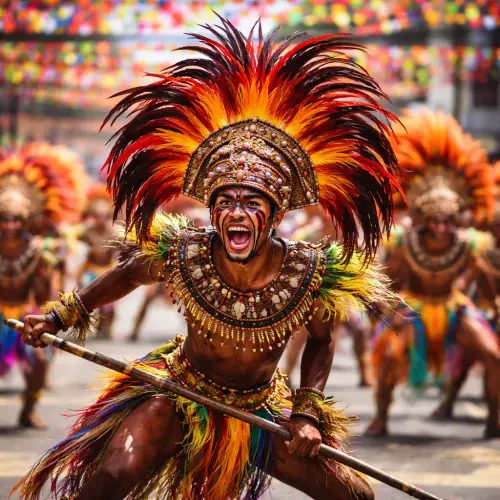
Dinagyang is a religious and cultural festival in Iloilo City that honors the Santo Niño. The name comes from the Hiligaynon word “dagyang,” which means “merrymaking.” And that’s exactly what happens — thousands of dancers in elaborate indigenous-inspired costumes move to the beat of live drums, all while devotees carry images of the child Jesus through the streets.
Unlike other festivals that focus purely on spectacle, Dinagyang has a deeply rooted Catholic devotion. The festival traces its origins to 1967 when a replica of the Santo Niño image was brought from Cebu. Later, the city added the now-famous Ati-Atihan-style tribal dance competition, where participants paint their skin black and perform as the native Ati people — a tribute to the island’s indigenous heritage.
The combination of faith, history, and high-energy performance is what makes this festival stand out. If you come with an open mind, you’ll leave with a deeper appreciation of Filipino culture. Just be ready for the heat and the crowd — both are intense.
When and Where Does Dinagyang Happen?
The main events of Dinagyang are held annually on the fourth weekend of January. In 2025, the festival runs from January 24 to January 26, with some pre-events starting a week earlier. The epicenter is Iloilo City proper, specifically the streets around the Iloilo Sports Complex, the City Hall grounds, and the San Jose Parish Church.
If you’re coming from out of town, fly into Iloilo International Airport (ILO). The city is accessible via direct flights from Manila, Cebu, Cagayan de Oro, and Davao. Once you’re there, jeepneys, tricycles, and ride-hailing apps like Grab will get you around. Just expect heavy traffic and road closures on parade days.
Must-Know Schedule for First-Timers
Here are the key dates and events you should plan around:
- January 23 (Thursday) — Opening salvo, fluvial parade along the Iloilo River, and street party kick-off.
- January 24 (Friday) — Crowd-drawing competition among barangays (local communities). Free to watch.
- January 25 (Saturday) — Grand Ati-Atihan street dance parade. The main attraction. Best viewed along the designated parade route near the Iloilo Sports Complex.
- January 26 (Sunday) — Solemn religious procession and “Kasadyahan” cultural event. A more intimate day for reflection and local food.
Pro tip: Arrive at least two hours early if you want a good spot for the grand parade on Saturday. The streets fill up fast.
Dinagyang Highlights You Can’t Miss
While the entire festival is a sensory overload in the best way, these are the highlights that first-timers most often rave about.
The Grand Ati-Atihan Competition
This is the heart of Dinagyang. Dressed as the Ati people, participants — from toddlers to adults — perform choreographed dances to the beat of massive drums. The costumes are handmade, the makeup is done with charcoal and paint, and the energy is infectious. Even if you don’t know the story behind the dance, you’ll feel the emotion. It’s loud, sweaty, and unforgettable.
Street Parties and Food Stalls
During the festival nights, the streets of Iloilo turn into one gigantic block party. Local bands play, food stalls serve everything from grilled chicken inasal (Iloilo’s signature dish) to fresh seafood and desserts like biscocho and tibok-tibok. It’s the perfect time to wander, eat, and dance with strangers.
Religious Procession on Sunday
If you want to experience the sacred side of Dinagyang, join the Sunday procession. Thousands of devotees walk barefoot, carrying candles and statues of the Santo Niño. It’s a moving sight. Even if you’re not religious, the sense of community and devotion is palpable.
Practical Tips for First-Time Dinagyang Goers
You’ve seen the videos. You’ve read the hype. Now let’s get you ready for the real thing — the crowds, the heat, and the magic of Dinagyang.
What to Wear
Lightweight, breathable clothing is non-negotiable. Think cotton shirts, shorts or joggers, and comfortable walking shoes. Avoid sandals or open-toe footwear — you’ll be on your feet for hours, and the streets get crowded and dusty. Bring a cap or sun hat and sunglasses. A small towel or handkerchief is also a lifesaver for wiping sweat.
It can also get rainy in January. Pack a foldable rain jacket or poncho. Umbrellas are fine but can be cumbersome in dense crowds.
Staying Safe in the Crowd
Pickpocketing can happen in any large gathering. Keep your phone and wallet in a zippered bag worn in front of you. Avoid flashing valuables. Stick to well-lit, populated areas — especially at night. If you’re traveling solo, let someone back home know your general schedule. The local police and volunteers are usually visible and helpful.
Also, stay hydrated. Dinagyang is physically demanding. Bring a reusable water bottle and drink frequently. Dehydration is the #1 complaint among first-timers.
Budget Breakdown for Three Days
| Expense | Estimated Cost (PHP) | Notes |
|---|---|---|
| Accommodation (per night) | 1,500–3,500 | Book early. Prices double during the festival. |
| Food and drinks (per day) | 800–1,500 | Street food is cheap; restaurants cost more. |
| Local transport (per day) | 200–500 | Jeepney, tricycle, Grab. |
| Souvenirs and extras | 500–1,500 | T-shirts, keychains, fan merchandise. |
| VIP parade seat (optional) | 1,000–2,000 | Reserved seats for grand Saturday parade. |
A comfortable three-day budget falls between PHP 9,000 and PHP 18,000 per person (USD 165–330). If you’re traveling on a shoestring, you can cut costs by staying in hostels and eating at street stalls.
Common Mistakes First-Timers Make (And How to Avoid Them)
I know, you’re excited. But trust me, a few mistakes can turn your Dinagyang trip from unforgettable into frustrating. Here’s what to avoid.
- Not booking accommodation early — Hotels, guesthouses, and even Airbnb listings sell out by October. If you’re planning to go in January, book by September or October at the latest.
- Wearing white shoes — The streets get dusty, muddy (if it rains), and crowded. Your white sneakers will look brown by noon. Wear dark-colored footwear you don’t mind ruining.
- Being too ambitious with the schedule — Don’t try to attend every single event. Pick one or two main attractions per day. Your feet will thank you.
- Forgetting earplugs — The drum music is LOUD. Earplugs or noise-canceling earbuds can save your hearing and your sanity after a few hours.
Useful Resources
If you want to dig deeper into Dinagyang history or check the official schedule, these two resources are the most reliable:
- Iloilo City Government Official Website — The most authoritative source for festival announcements, road closures, and event schedules.
- Philippines Department of Tourism — General travel advisories, tourist information, and cultural background on festivals across the country.
Frequently Asked Questions About Dinagyang
What Makes the Dinagyang Festival Unique Compared to Other Festivals?
First-time visitors often wonder how Dinagyang differs from other major Philippine festivals like Sinulog or Ati-Atihan. Understanding these distinctions helps you appreciate the experience more deeply.
Cultural Roots of Dinagyang
Dinagyang traces its origins to a 1967 visit by the Augustinian Fathers bringing a replica of the Santo Niño de Cebú. The festival evolved from a simple religious procession into a world-class celebration combining tribal dancing, street theater, and Catholic devotion. Unlike Sinulog, which has a more commercialized feel, Dinagyang retains a stronger indigenous character through its Ati-Atihan-inspired tribal performances.
Key Differences at a Glance
| Feature | Dinagyang Festival | Sinulog Festival (Cebu) |
|---|---|---|
| Main Highlight | Tribal dance competition called “Kasadyahan” | Grand parade with giant images of Santo Niño |
| Body Paint Style | Black soot and tribal patterns | Colorful face paint and costumes |
| Competition Focus | Choreographed tribal storytelling | Street dancing with religious undertones |
| Overall Atmosphere | More intimate and community-driven | Larger crowds and more tourist-oriented |
Top 5 Mistakes to Avoid During Your First Dinagyang Experience
Even seasoned travelers make errors when attending Dinagyang. Avoid these common pitfalls to ensure your first trip is memorable for the right reasons.
- Mistake 1: Arriving at the Last Minute — The parade route fills up hours before the main event. Secure your spot by 6 AM for the morning performances. Latecomers end up behind crowds or in areas with limited visibility.
- Mistake 2: Wearing New or Expensive Shoes — Street parties involve mud, spilled drinks, and heavy foot traffic. Wear old sneakers or sandals you don’t mind trashing. Your new white sneakers will be ruined before lunchtime.
- Mistake 3: Ignoring the Side Streets — Many first-timers stick to the main parade route. However, side streets host pop-up food stalls, smaller performances, and local artisans selling unique souvenirs. Explore beyond the crowd.
- Mistake 4: Not Bringing a Power Bank — You will use your phone for photos, videos, maps, and finding friends. With limited charging stations and long hours outdoors, a fully charged power bank is essential.
- Mistake 5: Eating Only at Restaurants — Street food is a major part of the Dinagyang experience. Skip the fast-food chains and try grilled barbecue, bibingka, and freshly made turon from vendors. These are cheaper and more authentic.
Where to Stay for the Best Dinagyang Experience
Accommodation choices significantly impact your Dinagyang trip. Consider these strategic locations based on your priorities.
Budget-Friendly Options for Backpackers
Hostels like Iloilo City Backpackers and Zuri Hotel offer affordable dormitory beds starting at PHP 500 per night. They are located near the parade route and provide communal spaces where you can meet fellow travelers. Book at least two months in advance as budget options fill up quickly. For a related guide, see Iloilo Delicacies Guide: Must-Try Eats and Ratings.
Mid-Range Hotels with Good Location
Hotels like Seda Atria and Days Hotel offer comfort within walking distance of the main festivities. Expect rates between PHP 3,000 to PHP 5,000 per night during the festival period. These hotels often have shuttle services to major event venues.
Luxury Stays for Comfort Seekers
For those wanting a premium experience, Marriott Iloilo and Court Meridian offer full-service amenities. Rates can reach PHP 8,000 to PHP 12,000 per night. You get peace, good food, and easy access to VIP viewing areas. Book immediately after the previous festival ends to secure rooms.
How to Capture the Best Photos and Videos at Dinagyang
Documenting your first Dinagyang trip requires strategy. The chaotic energy of the festival makes it challenging to get clear shots without planning ahead.
Best Times for Photography
Early morning between 7 AM and 9 AM offers the best natural light for capturing performers in their full costumes. The afternoon sun creates harsh shadows and washes out colors. During the evening street parties, use night mode or a small tripod for stability.
Equipment You Should Bring
- Camera with zoom lens — A 70-200mm lens lets you capture performers from a distance without getting pushed
- Waterproof phone case — Protect your device from accidental splashes and sweat
- Small gorilla pod — Useful for steady shots during low-light street performances
- Extra memory cards — You will shoot hundreds of photos. Don’t miss a moment because your card is full
Etiquette When Photographing Participants
Always ask permission before taking close-up photos of performers and locals in costume. A simple smile and nod usually suffice. Many participants are happy to pose for photos but may expect a small tip of PHP 20 to PHP 50. Avoid using flash directly in their eyes as it disturbs the performance.
Frequently Asked Questions About Dinagyang
Is Dinagyang free to watch?
Yes, most events including the street parade and religious procession are free. Only VIP seats for the grand competition require a paid ticket, usually around PHP 1,000 to PHP 2,000.
What is the best time to arrive in Iloilo for Dinagyang ?
Arrive by Thursday evening or Friday morning to catch the opening events and secure your spot before the weekend crowd swells.
Can I bring children to Dinagyang ?
Yes, but keep them close. The crowd can be overwhelming for small kids. Bring ear protection, snacks, and a plan for diaper changes.
Is Dinagyang only for Catholics?
No. While it has religious roots, the festival is a cultural celebration open to everyone. Many tourists attend just for the performances and street parties.
What kind of food should I try at Dinagyang ?
Don’t leave without trying chicken inasal, La Paz batchoy, biscocho, and tibok-tibok. These are Iloilo’s iconic dishes.
How do I get around Iloilo City during the festival?
Jeepneys and tricycles are the most common. Grab operates in Iloilo but can be hard to book during peak hours. Walking is often the fastest option within the city center.
Is it safe to travel alone to Dinagyang ?
Yes, thousands of solo travelers attend. Just practice usual safety: keep your valuables secure, stay in well-lit areas at night, and let someone know your plans.
What should I NOT bring to the festival?
Avoid bulky backpacks, expensive jewelry, and large umbrellas. They become cumbersome in dense crowds. Leave drones at home — they are prohibited in the parade area.
Can I take photos during the parade?
Absolutely. Photography and video are allowed. Just be mindful not to block others’ view. A portable power bank is a smart addition.
Is Dinagyang similar to Sinulog?
Both honor the Santo Niño, but Dinagyang has a stronger focus on tribal dance competition and is generally considered more organized. Sinulog in Cebu is bigger and more street-party oriented.
What is the weather like during Dinagyang ?
January is the dry season in Iloilo, but brief rain showers are possible. Expect temperatures between 25°C and 32°C with high humidity.
Are ATMs easily available in Iloilo City?
Yes, ATMs are abundant near the city center and malls. However, lines can be long during the festival. Withdraw cash before you arrive.
Can I wear the Ati makeup as a foreign tourist?
It’s generally acceptable if done respectfully and in the spirit of the celebration. Some locals offer face painting services. Avoid wearing it in mockery or without understanding its meaning.
Is there a dress code for the religious procession?
No strict dress code, but modest attire is recommended. Many participants wear simple white shirts and long pants or skirts.
How long does the grand parade last?
The main parade typically runs from 7:00 AM to 5:00 PM, with breaks. It’s a full-day affair, so come prepared with food, water, and patience.
Can I join the dance competition as a foreigner?
The professional competition is usually for local groups. However, there are open street dance segments where anyone can join and dance with the performers.
What is the best spot to watch the parade?
The Iloilo Sports Complex grandstand offers the best view. VIP seats are available, but you can also watch along the parade route for free.
Are there hotels near the parade route?
Yes, but they book up fast. Hotels like Seda Atria, Days Hotel, and Circle Inn are within walking distance. Book early.
Can I bring alcohol to the street party?
Alcohol is sold at many stalls and is allowed in public areas. Drinking openly is common, but stay responsible and avoid over-intoxication.
What happens if it rains during the parade?
The parade continues rain or shine. Performers are used to it. Bring a raincoat or poncho and protect your electronics.
