
Must-Try Foods in Abu Dhabi Key Takeaways
Abu Dhabi serves up a dazzling mix of Bedouin heritage, Middle Eastern classics, and global flavors – from street-side shawarma to elegant seafood.
- The city’s must-try foods in Abu Dhabi include traditional Emirati dishes like machboos and luqaimat, plus beloved Levantine and Indian street eats.
- Many of the best dishes in Abu Dhabi can be found at casual eateries, night markets, and waterfront restaurants, not just high-end hotel dining.
- Plan your tasting journey around local specialties such as camel burger, dates, and Arabic coffee for an authentic food experience.
Table of Contents
- What Makes Abu Dhabi’s Food Scene Unforgettable
- 15 Must-Try Foods in Abu Dhabi : Your Ultimate Tasting List
- 1. Machboos (Spiced Rice with Meat)
- 2. Luqaimat (Sweet Dumplings)
- 3. Regag Bread (Thin Emirati Bread)
- 4. Shawarma (Middle Eastern Wrap)
- 5. Harees (Slow-Cooked Wheat and Meat)
- 6. Camel Burger
- 7. Samosa (Fried Pastry with Savory Filling)
- 8. Al Harees (Savory Wheat Porridge – second variation)
- 9. Falafel (Crispy Chickpea Balls)
- 10. Chebab (Emirati Pancakes)
- 11. Stuffed Lamb (Ouzi / Mensaf style)
- 12. Fish Machboos (Samak Machboos)
- 13. Knafeh (Cheese Dessert)
- 14. Dates with Arabic Coffee (Tamar and Gahwa)
- 15. Balaleet (Sweet-Savory Vermicelli)
- Tips for Navigating the Must-Try Foods in Abu Dhabi on Your Trip
- Useful Resources
- What is the most famous dish in Abu Dhabi?
- Is camel meat common in Abu Dhabi?
- What is a typical breakfast in Abu Dhabi?
- Are there vegetarian options among the must-try foods in Abu Dhabi ?
- Where can I find the best shawarma in Abu Dhabi?
- Is Abu Dhabi expensive for food?
- What is luqaimat?
- Do I need to tip in restaurants in Abu Dhabi?
- What is the difference between harees and al harees?
- Can I find Arabic coffee everywhere?
- What is the best dessert in Abu Dhabi?
- Is it safe to eat street food in Abu Dhabi?
- What is the best time of year for food festivals in Abu Dhabi?
- Do I need to dress modestly when eating out?
- What is jallab?
- Where can I buy dates in Abu Dhabi?
- Are non-Emirati cuisines worth trying?
- What fish is used in samak machboos?
- Is alcohol served with meals in Abu Dhabi?
- What is the best way to travel between food spots?
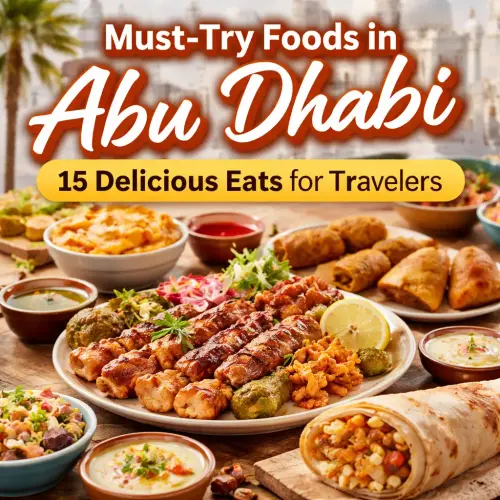
What Makes Abu Dhabi’s Food Scene Unforgettable
Abu Dhabi may be known for its glittering skyscrapers and pristine beaches, but its food culture is just as impressive. The capital of the UAE has long been a crossroads of trade and travel, which means its kitchens borrow from Persian, Indian, Levantine, and African traditions. You’ll find saffron-spiced rice dishes sitting next to crispy samosas and rich, slow-cooked stews. For any traveler, Abu Dhabi food is a story of heritage and hospitality served on a plate. For a related guide, see Must-Try Foods in Ho Chi Minh City: Top 15 Best Dishes 2026.
Whether you’re exploring the sprawling souks of the city or dining in a modern food hall, the flavors are bold, the portions generous, and the prices range from super affordable to splurge-worthy. This list of must-try foods in Abu Dhabi is designed to help you eat like a local and discover dishes you’ll crave long after you’ve left. For a related guide, see 15 Must-Try Foods in Dubai for Every Traveler.
15 Must-Try Foods in Abu Dhabi: Your Ultimate Tasting List
Below you’ll find 15 dishes that define the capital’s food identity. Each entry gives you a short description, why it’s worth your time, and where to find a great version of it.
1. Machboos (Spiced Rice with Meat)
Machboos is often called the national dish of the UAE. It’s a fragrant rice dish cooked with tender lamb, chicken, or camel, seasoned with cardamom, cinnamon, saffron, and dried limes. The result is a deep, smoky flavor with a subtle tang.
Why try it: This is a true taste of Emirati home cooking. It’s the dish that grandmothers make for family gatherings, and it tells you everything about the region’s love for spices.
Where to find it: Try the Al Fanar Restaurant and Cafe in the Al Bateen area. They serve a very authentic machboos in a setting that mimics old Dubai.
2. Luqaimat (Sweet Dumplings)
Luqaimat are golden, deep-fried dumplings drizzled with date syrup or honey and sprinkled with sesame seeds. They are crisp on the outside, fluffy on the inside, and usually served with Arabic coffee.
Why try it: No celebration in the UAE is complete without these sweet morsels. They are the perfect ending to a meal or a great companion to an afternoon coffee break.
Where to find it: Mille Mille in Yas Mall serves some of the best luqaimat in town, with creative toppings like pistachio cream.
3. Regag Bread (Thin Emirati Bread)
Regag is a paper-thin, slightly crispy bread made from flour, water, and salt. It’s often stuffed with cheese, egg, or meat, then rolled up for a quick breakfast or snack.
Why try it: It’s incredibly versatile and light. You can eat it plain, but the cheese-filled version is absolutely addictive.
Where to find it: Look for Regag Al Ain Bakery in the city center – they have been making regag fresh all day for decades.
4. Shawarma (Middle Eastern Wrap)
Shawarma is a universally loved street food: thinly sliced marinated chicken or beef, stacked on a vertical rotisserie, then shaved, wrapped in pita or flatbread, and topped with garlic sauce, pickles, and fries.
Why try it: Because shawarma in Abu Dhabi is on another level. The meat is seasoned with a unique blend of Middle Eastern spices, and the sauces are creamy and tangy.
Where to find it: Al Farooj Fresh on Khalifa Street is famous for its chicken shawarma – it’s juicy, affordable, and always busy.
5. Harees (Slow-Cooked Wheat and Meat)
Harees is a comforting porridge made from wheat and slow-cooked meat (usually chicken or lamb), beaten into a smooth, homogenous texture. It’s seasoned with just salt and a little butter.
Why try it: This dish dates back centuries and is traditionally served during Ramadan. It’s simple but deeply satisfying, like a savory oatmeal packed with protein.
Where to find it: Al Ibrahimi Restaurant in Madinat Zayed serves a superb harees, especially during the holy month.
6. Camel Burger
Yes, camel meat is a thing – and it makes a very interesting burger. Camel meat is lean, slightly sweet, and not gamey at all. The patty is often blended with spices to keep it moist.
Why try it: It’s a quirky, Instagram-worthy dish that actually tastes delicious. Also, camel farming is sustainable in the desert environment.
Where to find it: Local House restaurant near the Corniche regularly features a camel burger on its menu, served with house-made fries.
7. Samosa (Fried Pastry with Savory Filling)
Indian-style samosas are huge in Abu Dhabi. These fried triangular pastries are filled with spiced potatoes, peas, or minced meat, sometimes with cheese.
Why try it: They are the perfect on-the-go snack and pack a ton of flavor. Plus, you can find them at almost every café and bakery.
Where to find it: Moti Mahal Delux in Tourist Club Area (TCA) serves exceptional samosas with a side of mint chutney.
8. Al Harees (Savory Wheat Porridge – second variation)
While similar to harees, Al Harees is often cooked with more liquid and includes clarified butter (ghee) for extra richness. Some versions mix in a bit of cinnamon or black lime.
Why try it: It’s a staple of Emirati hospitality and comfort food – a warm hug in a bowl.
Where to find it: Al Khayal Heritage Restaurant is known for its authentic preparation of this dish.
9. Falafel (Crispy Chickpea Balls)
Falafel in Abu Dhabi is lighter and fluffier than many versions elsewhere. The chickpeas (or fava beans) are ground with fresh herbs, then fried until golden. Served in pita with tahini, salad, and pickles.
Why try it: This is the ultimate plant-based street food done right. It’s fresh, crunchy, and satisfying.
Where to find it: Zam Zam Falafel on Electra Street serves a falafel sandwich that locals swear by.
10. Chebab (Emirati Pancakes)
Chebab are small, spongy pancakes made from flour, eggs, and a touch of cardamom. They are typically served with date syrup (dibs) or creamy honey and sometimes stuffed with cheese.
Why try it: A lovely alternative to Western pancakes. Lighter, less sweet, and the cardamom gives them a unique floral note.
Where to find it: Bait Al Khetyar in the Khalidiya area offers chebab on their breakfast menu.
11. Stuffed Lamb (Ouzi / Mensaf style)
Whole lamb or large pieces are slow-roasted with rice, nuts, and aromatic spices. The meat falls off the bone and is served on a large platter for sharing.
Why try it: This is the dish for special occasions. It’s incredibly tender and the rice soaks up all the juices. Perfect for a group.
Where to find it: Al Maha Arjaan by Rotana serves a magnificent ouzi on Friday brunch.
12. Fish Machboos (Samak Machboos)
A coastal twist on the classic machboos: fresh fish (often hammour or sea bass) is cooked with the same spice mix and rice, but the fish adds a delicate, flaky texture.
Why try it: Abu Dhabi sits on the Arabian Gulf, so seafood is at its peak. This dish showcases local fish in the best way possible.
Where to find it: Fishmarket Restaurant at the Marina Mall has a fantastic samak machboos, using fish caught that morning.
13. Knafeh (Cheese Dessert)
Knafeh is a hot dessert made from thin shredded filo dough (kataifi) or semolina, layered with soft white cheese, baked until golden, and soaked in sweet syrup. Topped with pistachios.
Why try it: It’s impossible to eat just one piece. The contrast of stretchy, salty cheese with the sweet, crispy crust is addictive.
Where to find it: Feras Al Diyafa Cafeteria is the go-to spot for late-night knafeh cravings.
14. Dates with Arabic Coffee (Tamar and Gahwa)
Dates are the fruit of the desert, and Abu Dhabi grows dozens of varieties. They are usually served with Arabic coffee (gahwa) – spiced with cardamom, saffron, and cloves.
Why try it: This pairing is the ultimate cultural welcome. It’s light, energizing, and the coffee helps balance the sweetness of the dates.
Where to find it: Dates Market near Zayed Port lets you sample fresh dates and coffee for free.
15. Balaleet (Sweet-Savory Vermicelli)
Balaleet is a dish of sweet vermicelli noodles cooked with sugar, cardamom, and rose water, then topped with a thin omelet. It sounds unusual, but it works.
Why try it: It perfectly captures the Emirati love for balancing sweet and savory elements. Breakfast never tasted this exciting.
Where to find it: Al Mallah Cafeteria on Al Salam Street serves a classic version that has been popular since the 1970s.
Tips for Navigating the Must-Try Foods in Abu Dhabi on Your Trip
Now that you have the list, here are a few practical tips to make the most of your food tour:
- Start early. Breakfast spots that serve chebab and regag bread get busy by 8 a.m. Go early for the freshest batches.
- Share generously. Portions are large. Order two or three dishes and share among friends to try more.
- Don’t skip the souks. The central market and the dates market are where locals shop. You’ll find the most authentic versions of these foods there.
- Cash is handy. While most places accept cards, small eateries and street stalls may only take cash.
Also, consider taking a guided food tour if you want to hit multiple spots without the planning. Companies like Frying Pan Adventures (though Dubai-based) sometimes offer trips to Abu Dhabi. Always check for seasonal hours during Ramadan, when many restaurants shift their timings.
Useful Resources
For deeper reading on Emirati cuisine and the best places to eat, check out these two excellent resources:
- Visit Abu Dhabi – Official Food and Drink Guide
- Time Out Abu Dhabi – Restaurant Reviews and Recommendations
Frequently Asked Questions About Must-Try Foods in Abu Dhabi
Frequently Asked Questions About Must-Try Foods in Abu Dhabi
What is the most famous dish in Abu Dhabi?
Machboos (spiced rice with meat) is widely considered the national dish and the most iconic Abu Dhabi food you should try.
Is camel meat common in Abu Dhabi?
Camel meat is traditional and available, but not as common as lamb or chicken. The camel burger is a popular modern twist for adventurous eaters.
What is a typical breakfast in Abu Dhabi?
A typical Emirati breakfast includes chebab (pancakes), regag bread with cheese, and a side of balaleet or sweet vermicelli, often paired with Arabic coffee.
Are there vegetarian options among the must-try foods in Abu Dhabi ?
Yes, falafel, hummus, samosas (vegetable), and luqaimat are all vegetarian-friendly. Many restaurants also offer vegetable machboos.
Where can I find the best shawarma in Abu Dhabi?
Many locals rate Al Farooj Fresh on Khalifa Street as the top spot for chicken shawarma. It’s consistently fresh and well-seasoned.
Is Abu Dhabi expensive for food?
It can be, but street food and casual eateries are very affordable. You can eat well for under 20 AED ($5) at many places listed in this article. For a related guide, see Cheap Eats in Saigon: Best Filipino-Friendly Food Under $2.
What is luqaimat?
Luqaimat are small, deep-fried dumplings drizzled with date syrup or honey. They are a beloved Emirati sweet treat, especially during Ramadan.
Do I need to tip in restaurants in Abu Dhabi?
Many restaurants include a service charge of 10-15%. If not, a tip of 10% is appreciated but not mandatory.
What is the difference between harees and al harees?
Both are similar slow-cooked wheat and meat porridges, but al harees sometimes includes more ghee and slightly different spices. The names are often used interchangeably.
Can I find Arabic coffee everywhere?
Yes, Arabic coffee (gahwa) is widely available in hotels, restaurants, and even at some gas stations. It’s usually served with dates.
What is the best dessert in Abu Dhabi?
Knafeh is a crowd favorite, but luqaimat is a close second. Both are deeply rooted in local culture.
Is it safe to eat street food in Abu Dhabi?
Yes, the city has strict hygiene regulations. Eateries are regularly inspected, so street food is generally safe and clean.
What is the best time of year for food festivals in Abu Dhabi?
The Abu Dhabi Food Festival usually runs from December to February. It’s a great time to sample multiple dishes in one place.
Do I need to dress modestly when eating out?
Not strictly, but wearing respectful clothing (covering shoulders and knees) is appreciated in more traditional restaurants and souks.
What is jallab?
Jallab is a sweet drink made from grape molasses, rose water, and dates, often topped with pine nuts. It’s a refreshing non-alcoholic beverage.
Where can I buy dates in Abu Dhabi?
The Dates Market near Zayed Port is the best place. You’ll find dozens of varieties, from fresh medjool to stuffed dates.
Are non-Emirati cuisines worth trying?
Absolutely. Abu Dhabi has top-tier Lebanese, Indian, Filipino, and Thai restaurants. The diversity is part of the city’s charm.
What fish is used in samak machboos?
Hammour (grouper) is the most traditional choice, but sea bass and snapper are also common. Always ask if the fish is local.
Is alcohol served with meals in Abu Dhabi?
Alcohol is only available in licensed restaurants, bars, and hotels. Many smaller eateries do not serve alcohol.
What is the best way to travel between food spots?
Ride-hailing apps like Uber and Careem are widely available and affordable. Buses are cheap but slower. Taxis are easy to find.

Jin Grey is a Filipino Senior SEO Consultant and AI-First SEO Strategist who helps international brands grow through modern search strategies. She specializes in technical SEO, semantic keyword research, and AI-ready content creation. She is also the owner of JinGrey.com.
As a digital nomad, she loves exploring the world and trying different cuisines during her free time.