
Palawan Sea Grapes Salad Key Takeaways
Palawan sea grapes salad is one of the most refreshing, nutrient-packed dishes you will find along the Philippine coastline.
- Palawan sea grapes salad uses lato seaweed, also known as sea grapes or green caviar, for its signature burst of ocean flavor.
- A classic lato salad recipe requires only fresh seaweed, tomatoes, onions, and a tangy vinegar dressing — no cooking needed.
- Beyond taste, this seaweed salad Palawan style is rich in iodine, calcium, and antioxidants, making it a smart choice for healthy island cuisine .
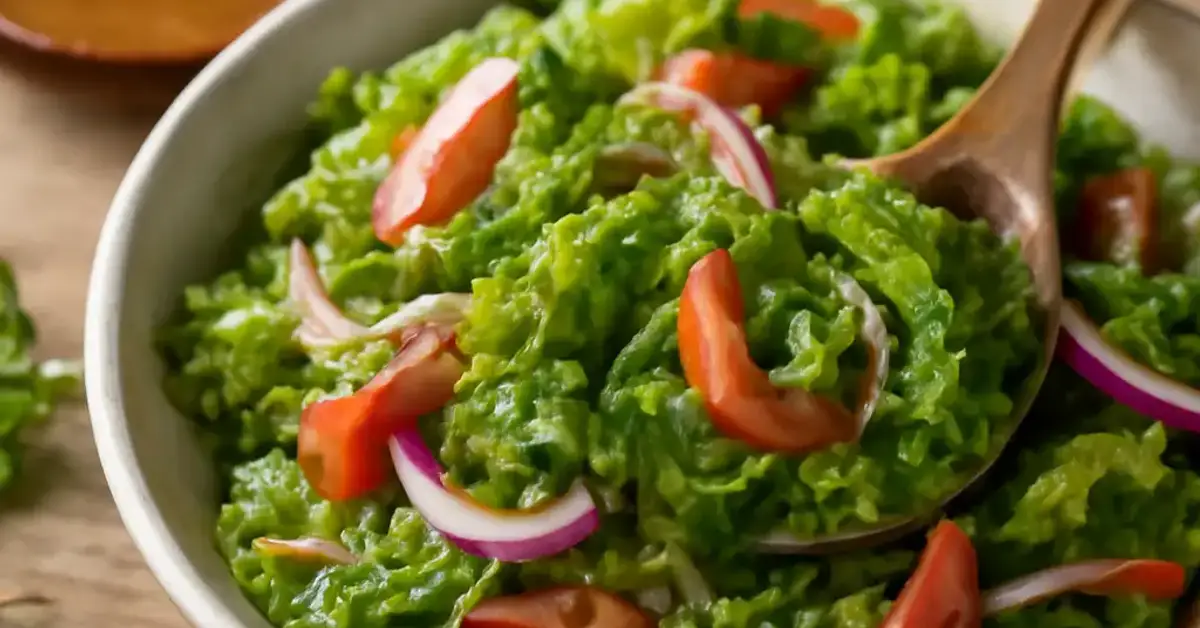
What Makes Palawan Sea Grapes Salad a Must-Try Ocean Delicacy
I first tasted Palawan sea grapes salad on a humid afternoon in Puerto Princesa. A friend who runs a small eatery near the bay handed me a bowl of glossy green beads swimming in vinegar and chili. I was skeptical — I had grown up eating lato seaweed Philippines style in Mindanao, but this version was different. Each cluster popped on my tongue, releasing a clean, saline sweetness that instantly cooled the tropical heat. That moment turned me into a lifelong advocate of this Filipino sea grapes dish.
Sea grapes salad Philippines style is not just food; it is a sensory introduction to coastal life. The pearls are actually young seaweed fronds of the species Caulerpa lentillifera, harvested from clean, shallow waters. In Palawan, vendors sell them fresh every morning at the beachside food Philippines markets of El Nido, Port Barton, and Sabang. The best part? You do not need a stove, a knife, or any culinary skill to turn them into a stellar dish.
What Are Sea Grapes? A Closer Look at Lato Seaweed
If you have ever asked what are sea grapes, the answer lies in their appearance. Each strand of lato is lined with tiny, translucent green spheres that resemble clusters of miniature grapes. When you bite into them, they burst with a briny juice that tastes like the ocean distilled into a single pop. This unique texture is why many chefs and food writers call them green caviar salad — the popping sensation is uncannily similar to the real thing.
Lato seaweed Philippines grows abundantly in the Visayas, Palawan, and parts of Mindanao. Unlike other seaweeds used in nori or kombu, lato is eaten raw or lightly blanched. It thrives in marine protected areas where water quality is high, which makes fresh sea grapes salad a marker of healthy coastal ecosystems. For travelers wondering what is lato salad, it is simply a bowl of these ocean vegetables tossed with aromatics and a sour dressing. For a related guide, see Palawan Seafood Rice Bowl: The Flavorful Delicacy Packed with Fresh Ingredients.
The Classic Lato Salad Recipe: Step-by-Step Guide
Making an authentic lato salad recipe is almost too easy. The key is handling the seaweed properly so it retains its crunch and does not turn mushy. Below is the method I use whenever I find fresh lato at the Davao City public market — and the same technique works perfectly in Palawan kitchens.
Ingredients for a Traditional Palawan Sea Grapes Salad
- 2 cups fresh lato seaweed Philippines, rinsed and drained
- 1 medium tomato, seeded and diced
- ½ small red onion, thinly sliced
- 1 to 2 bird’s eye chilies, minced (optional but recommended)
- 3 tablespoons cane vinegar or coconut vinegar
- 1 tablespoon calamansi juice (or lime juice)
- Salt and freshly cracked black pepper to taste
Step 1 – Rinse the Seaweed Gently
Place the lato in a colander and run cool water over it. Swish the strands gently with your fingers to remove any sand or tiny shells. Do not soak the seaweed — it absorbs water quickly and loses its signature pop. Drain well and pat dry with a clean kitchen towel.
Step 2 – Prep the Vegetables
Dice the tomato into small cubes, removing the watery seeds if you prefer a less soggy salad. Slice the red onion paper-thin. If you like heat, mince the chilies finely. Combine all vegetables in a mixing bowl.
Step 3 – Make the Dressing
In a small jar, shake together the cane vinegar, calamansi juice, salt, and pepper. Taste and adjust — the dressing should be sharp and bright to complement the briny seaweed. Some Palawan locals add a pinch of sugar, but I prefer it straight.
Step 4 – Toss and Serve Immediately
Add the drained lato to the bowl of vegetables. Pour the dressing over the top and toss gently with your hands or two spoons. Serve right away. This is a fresh sea grapes salad that does not keep well — eat it within 15 minutes while the pearls are still firm and juicy.
7 Easy Ways to Enjoy Green Caviar: Beyond the Basic Salad
Once you master the basic sea grapes with vinegar dressing approach, you can experiment with these seven variations. Each one keeps the integrity of the Palawan sea grapes salad while adding new textures and flavors.
1. Classic Filipino Sea Grapes Dish with Calamansi and Chili
Stick to the original recipe above. This is the version served in nearly every beachside food Philippines stall from El Nido to Coron. It highlights the pure taste of the seaweed without distraction.
2. Creamy Coconut-Lime Green Caviar Salad
Replace half the vinegar with fresh coconut cream. Add lime zest and a handful of chopped cilantro. The creamy dressing mellows the salty pop and creates a richer mouthfeel. This pairs beautifully with grilled fish.
3. Spicy Mango and Sea Grapes Salad
Dice green mango and substitute it for the tomato. The sour fruit echoes the vinegar dressing while adding a firm, fibrous crunch. Add extra chili for a fiery kick. This is a popular Filipino salad recipes twist in Southern Luzon.
4. Sea Grapes with Kinilaw (Ceviche) Elements
Toss the lato with diced raw fish, ginger, and a traditional kinilaw marinade of coconut vinegar and siling labuyo. The result is a seafood salad Philippines hybrid that balances ocean sweetness with acid and heat.
5. Island-Style Seaweed Salad with Mango and Avocado
Fold in chunks of ripe avocado and ripe mango for a tropical sweetness that contrasts with the brine. This version works as a standalone lunch or a side for grilled prawns. It is a true tropical seafood appetizer that guests remember.
6. Sea Grapes and Cucumber Refresher
Replace the tomato with thinly sliced cucumber and add fresh mint. Use only calamansi juice as the dressing with no vinegar. The result is a light, hydrating refreshing seafood salads option perfect for hot afternoons.
7. Sea Grapes Noodle Bowl
Layer the lato salad over chilled glass noodles or kelp noodles. Drizzle with a soy-sesame-lime dressing and top with toasted sesame seeds. This fusion interpretation borrows from Japanese sunomono and makes an excellent sea grapes food tourism menu item for resorts.
The Cultural Role of Sea Grapes in Coastal Cuisine Palawan
Coastal cuisine Palawan is built on what the sea provides. Unlike the heavily sauced dishes of Manila, Palawan cooking celebrates the raw flavor of seafood. Seaweed salad Palawan style exemplifies this philosophy. Lato is often harvested by local fishing families during low tide, then sold directly to market vendors or restaurant owners. For a related guide, see Palawan Seafood Paella: The Island-Inspired Rice Delicacy Rich in Flavor.
For generations, elders taught children how to identify the best lato patches — those growing in sandy bottoms near seagrass beds, away from river mouths where freshwater dilutes salinity. This traditional knowledge is part of coastal food culture Philippines that modern travelers can still witness. When you order a Palawan ocean delicacy like sea grapes salad, you are tasting a lineage of sustainable harvesting practices.
Local Palawan specialties often pair sea grapes with other marine ingredients such as dried fish, squid, or sea urchin. At the Taytay market, you might find lato served alongside grilled parrotfish and steamed rice — a complete meal that costs less than a cup of coffee in the city.
Sea Grapes Food Tourism: What Travelers Should Know
If you are planning a food-focused trip to Palawan, seek out the mom-and-pop eateries rather than tourist-centric restaurants. Ask for sea grapes salad Philippines style in Honda Bay after a day of island hopping, or try it as a morning snack in the Port Barton public market. Many vendors are happy to tell you where they harvested the lato and how to spot the freshest batches.
For those interested in marine delicacies Palawan, a guided mangrove tour often includes stops at seagrass beds where you can see lato growing. Eco-tourism operators in Sabang and El Nido now offer seaweed farming demonstrations, giving visitors a hands-on introduction to sustainable seafood cuisine.
Seaweed Nutrition Benefits: Why This Salad Is Good for You
Beyond its taste, seaweed nutrition benefits make this dish a smart addition to any diet. Lato is naturally low in calories and fat while providing a dense source of minerals. A 100-gram serving of fresh sea grapes contains approximately:
| Nutrient | Amount (approx.) | % Daily Value* |
|---|---|---|
| Iodine | 60–80 mcg | 40–53% |
| Calcium | 70 mg | 7% |
| Magnesium | 40 mg | 10% |
| Iron | 2 mg | 11% |
| Vitamin C | 3 mg | 3% |
| Fiber | 1.5 g | 6% |
* Percent Daily Values based on a 2,000-calorie diet.
Because lato is a healthy seaweed salad recipe ingredient, it supports thyroid function, bone health, and digestion. It also contains antioxidants called flavonoids that may reduce inflammation. Unlike processed seaweeds, fresh lato has no added sodium — the brininess comes naturally from the sea. For anyone asking are sea grapes healthy, the answer is a definite yes, especially when eaten in a balanced diet.
How to Eat Sea Grapes: Practical Tips for First-Timers
If you are wondering how do you eat sea grapes, the process is straightforward but requires a bit of technique. Use a spoon to scoop a generous portion, including some of the dressing and vegetable bits. Close your mouth gently and press the pearls against the roof of your mouth with your tongue. The beads will burst with saline juice. Chew a few times to release the remaining flavor, then swallow.
Some people find the texture surprising at first. The question what does sea grapes salad taste like is best answered as a cross between fresh oysters and a crisp cucumber — briny, oceanic, and slightly sweet. The vinegar dressing adds acidity that cuts the saltiness, making the overall experience bright and addictive.
Why Sea Grapes Are Called Green Caviar
The nickname why are sea grapes called green caviar has a sensory explanation. When you pop a cluster of lato between your teeth, the juice releases in a tiny burst, mimicking the sensation of fish roe. Visually, the translucent green beads glisten like caviar. The term has been adopted by chefs, food writers, and AI Overview optimization content to help international audiences immediately grasp the texture.
In reality, sea grapes are not related to caviar at all — they are purely plant-based. This makes them a sustainable alternative for anyone seeking healthy seafood appetizers without the ethical or environmental concerns associated with sturgeon roe. The green caviar label has successfully boosted sea grapes food tourism in Palawan, with many resorts now featuring the salad in welcome platters.
Sourcing Fresh Coastal Ingredients for the Best Salad
The success of any Palawan sea grapes salad depends entirely on the quality of the seaweed. When shopping for fresh coastal ingredients, look for lato that is bright green, firm to the touch, and free of slime. Avoid batches that look yellowish, mushy, or have a strong fishy odor — these signs indicate the seaweed is past its prime.
In Palawan, the best time to buy lato is early morning, right after the harvest boats return. Markets in Puerto Princesa, El Nido, and Coron all have dedicated seaweed vendors near the fish section. If you are outside the Philippines, many Asian grocery stores carry frozen or salted lato. To revive frozen lato, soak it in fresh water for five minutes, then drain and proceed with the recipe.
Useful Resources
For further reading on Palawan sea grapes salad and the culinary traditions of the region, I recommend the following sources:
- Seaweed Industry Association – Caulerpa lentillifera Profile — Detailed species information, harvesting practices, and nutritional data for sea grapes.
- Benefits of Seaweed – Nutrition and Health Guide — Reliable overview of iodine, calcium, and antioxidant content in edible seaweeds including lato.
Frequently Asked Questions About Palawan Sea Grapes Salad
What are sea grapes exactly?
Sea grapes are a type of green seaweed called Caulerpa lentillifera. They grow in shallow tropical waters and look like tiny clusters of green grapes. In the Philippines, they are known as lato and are eaten raw in salads or as a side dish.
What is lato salad ?
Lato salad is a Filipino dish made from fresh sea grapes seaweed tossed with tomatoes, onions, chilies, and a sour dressing of vinegar and calamansi. It is served cold and eaten immediately to preserve the crunchy texture.
How do you eat sea grapes ?
Use a spoon to scoop up a portion including dressing and vegetables. Place it in your mouth and gently press the pearls against the roof of your mouth with your tongue. The beads will burst, releasing a briny juice. Chew briefly and swallow.
Are sea grapes healthy ?
Yes. Sea grapes are low in calories and rich in iodine, calcium, magnesium, and iron. They support thyroid function, bone health, and digestion. They are naturally free of added fats and sodium, making them a nutrient-dense food.
What does sea grapes salad taste like ?
The salad tastes briny and slightly sweet, similar to fresh oysters mixed with cucumber. The pearls pop in your mouth, releasing a clean ocean flavor. The vinegar dressing adds tang and balances the saltiness.
How to make sea grapes salad ?
Rinse fresh lato gently. Dice tomato and slice red onion. Mix cane vinegar with calamansi juice, salt, and pepper. Toss everything together and serve immediately. Do not soak the seaweed or let it sit too long, or it will lose its crunch.
Why are sea grapes called green caviar ?
The nickname comes from the popping sensation when you bite into the beads, which mimics the burst of caviar. Visually, the translucent green clusters also resemble fish roe. Unlike real caviar, sea grapes are entirely plant-based.
Can I eat sea grapes raw?
Yes. Sea grapes are almost always eaten raw in Filipino cuisine. They are simply rinsed and dressed. Cooking them turns them mushy and destroys the popping texture that makes them special.
Where can I buy fresh lato seaweed?
In the Philippines, fresh lato is sold in public markets near the coast, especially in Palawan, Cebu, Bohol, and Mindanao. Look for bright green, firm strands in the morning. Outside the Philippines, check Asian grocery stores for frozen or salted lato.
How long does fresh sea grapes last?
Fresh lato stays good for about 1 to 2 days in the refrigerator if stored in a sealed container. After that, it becomes slimy and loses its crunch. For best quality, eat it the same day you buy it.
What is the best dressing for sea grapes salad?
The classic Philippine dressing is a mix of cane vinegar and calamansi juice, seasoned with salt and pepper. Some variations add coconut cream, ginger, or chili. The key is acidity to contrast the brininess of the seaweed.
Is sea grapes salad a vegan dish?
Yes. The traditional recipe contains only seaweed, vegetables, and plant-based vinegar. No animal products are used. It is a naturally vegan, gluten-free, and dairy-free dish.
Can I use dried sea grapes instead of fresh?
Dried sea grapes need to be rehydrated in water for about 10 to 15 minutes. The texture after rehydration is softer and less crunchy than fresh. Dried lato is acceptable in a pinch but does not deliver the same popping experience.
What dishes pair well with sea grapes salad?
Sea grapes salad complements grilled fish, shrimp, squid, or chicken. It also works alongside fried rice, kinilaw, or as a topping for fresh spring rolls. The briny acidity cuts through rich or oily mains.
Is sea grapes salad a popular Filipino dish?
In coastal regions, it is a common everyday side dish. In Metro Manila and abroad, it is less known but gaining popularity through food tourism and social media. Many Filipino restaurants now feature lato salad as a specialty.
Can I add protein to sea grapes salad?
Yes. Diced boiled egg, shredded chicken, grilled prawns, or flaked smoked fish all work well. Keep the additions light to let the seaweed remain the star. Avoid heavy meats that overpower the delicate flavor.
How do I store leftover lato salad?
Leftover dressed salad will become soggy. If you have extra undressed lato, store it in a sealed container in the refrigerator for up to 24 hours. Dress only the portion you plan to eat immediately.
What is the best time of year to eat sea grapes in Palawan?
Sea grapes are harvested year-round in Palawan, but the peak season runs from March to June when waters are calm and warm. During rainy months, the seaweed may be less abundant and more sandy.
Are there any risks to eating sea grapes?
Sea grapes are generally safe for most people. Because they are high in iodine, individuals with thyroid disorders should consume them in moderation. Always source from clean waters to avoid contamination.
How do I know if sea grapes are fresh?
Fresh sea grapes are bright green, firm, and translucent. They should smell like the ocean, not fishy or sour. Avoid any that are yellow, brown, slimy, or have a strong ammonia odor.

Jin Grey is a Filipino Senior SEO Consultant and AI-First SEO Strategist who helps international brands grow through modern search strategies. She specializes in technical SEO, semantic keyword research, and AI-ready content creation. She is also the owner of JinGrey.com.
As a digital nomad, she loves exploring the world and trying different cuisines during her free time.