
Pho in Ho Chi Minh City Key Takeaways
You step off the plane in Saigon, the humidity hits you like a warm blanket, and your phone buzzes with messages from home.
- The pho in Ho Chi Minh City ranges from classic beef pho (pho bo) to rare specialties like pho ga (chicken) and pho chay (vegetarian).
- Three must-visit districts for pho are District 1, District 3, and District 5 (Chinatown), each with iconic shops that cater to different tastes.
- Filipino travelers will find the flavors familiar yet unique — think of it as Vietnam’s answer to sinigang or bulalo, but lighter and more fragrant.
Table of Contents
- Why Pho in Ho Chi Minh City Is a Must-Try for Every Traveler
- Top Pho Spots in Saigon: A Guide to the Best Pho Saigon Has to Offer
- Pho Hoa Pasteur — The Classic Beef Pho Experience
- Pho Le (Pho Hoa Pasteur’s Brother) — For Beef Lovers Who Want More
- Pho Ngan — The Chicken Pho King
- Pho 2000 — A Tourist Landmark with a Presidential Visit
- Pho Binh — A Taste of History in a Hidden Alley
- Pho Tau Bay — The Vegetarian Option (Pho Chay)
- Pho Hung — The All-Night Bowl for Late-Night Cravings
- Tips for First-Time Saigon Food Explorers
- How to Order Pho Like a Local
- Know Your Add-Ons
- Be Prepared for the Heat
- Pho for Filipino Digital Nomads: Practical Advice
- Pho Shops with Good Wifi
- Budget Breakdown: Pho vs. Other Meals
- Where to Find Filipino-Friendly Pho
- Useful Resources
- What is pho in Ho Chi Minh City ?
- Is pho safe to eat from street stalls?
- How much does a bowl of pho cost in Saigon?
- What is the best time to eat pho in Saigon?
- Can vegetarians find good pho in Saigon?
- What is the difference between Saigon pho and Hanoi pho?
- What are the best pho toppings for first-timers?
- Do pho shops accept credit cards?
- Is pho gluten-free?
- What should I drink with pho?
- Can I find halal pho in Saigon?
- Is pho healthy?
- What is the best pho shop open 24 hours?
- Do I need to tip at pho shops?
- What is the spiciest pho I can get in Saigon?
- How do I find gluten-free pho in Saigon?
- Can I take pho to go?
- What is the difference between pho and bun bo Hue?
- Are there any pho shops near Ben Thanh Market?
- What’s the best pho for kids?
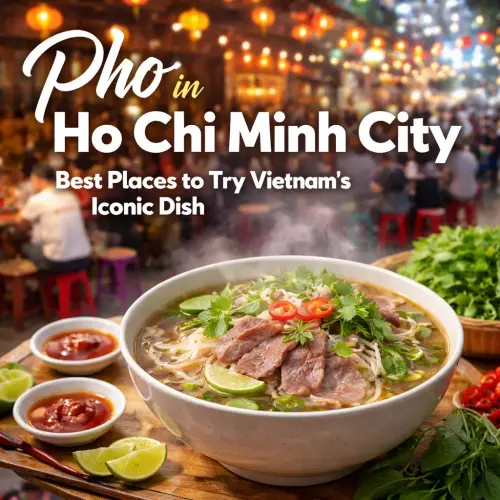
Why Pho in Ho Chi Minh City Is a Must-Try for Every Traveler
You step off the plane in Saigon, the humidity hits you like a warm blanket, and your phone buzzes with messages from home. But none of that matters once you sit down at a tiny plastic stool on a sidewalk, a steaming bowl of pho placed in front of you. This is pho in Ho Chi Minh City — the dish that defines Vietnamese street food culture and the first thing every first-time visitor should seek out. For a related guide, see Saigon Street Food Tour Guide: 10 Best Local Eats and Expert.
For first time Saigon food explorers, pho is not just a meal. It’s an introduction to the city’s rhythm. The broth simmers for hours, the noodles are freshly made, and the herbs arrive in a basket so fragrant you’ll want to eat them raw. Filipino food lovers will notice echoes of home: the anchovy-like fish sauce, the sour lime, and the heat from chili. But pho has its own soul, and Saigon is the best place to taste it.
Digital nomads working remotely from Vietnam will find pho an ideal fuel — cheap, quick, and packed with flavor. A bowl costs between 40,000 and 80,000 VND (roughly 80 to 160 Philippine pesos), making it one of the most affordable dishes in the city. Plus, most pho shops open early for breakfast and stay open until late night, so you can eat it before a co-working session or after a long day exploring. For a related guide, see Best Coffee Shops in Ho Chi Minh: 5 Hidden Gems You Must Try.
Top Pho Spots in Saigon: A Guide to the Best Pho Saigon Has to Offer
Not all pho is created equal. Some shops specialize in beef broth, others in chicken. A few have been serving the same family recipe for over 50 years. Here are seven iconic shops that represent the best pho Saigon can offer to first-timers and seasoned eaters alike.
Pho Hoa Pasteur — The Classic Beef Pho Experience
Address: 260C Pasteur, District 3. Open from 6:00 AM to 2:00 AM (yes, it’s a marathon). This is arguably the most famous pho shop in the city. The broth is crystal clear, deeply beefy, and seasoned with star anise and cinnamon. You’ll get a plate of fresh herbs, lime, and chili on the side. Pho in Ho Chi Minh City doesn’t get more textbook than this. First-timers should order the pho tai (rare beef) or pho chin (brisket). Pro tip: add a splash of hoisin sauce and a squeeze of lime for the full experience.
Pho Le (Pho Hoa Pasteur’s Brother) — For Beef Lovers Who Want More
Address: 413 Nguyen Trai, District 5. Pho Le is the sibling shop to Pho Hoa Pasteur but focuses on beef parts like tendon, tripe, and brisket. The broth is richer and slightly sweeter. If you’re a Filipino who grew up eating bulalo with marrow, you’ll love the depth here. Order the pho dac biet (special combo) to get a bit of everything.
Pho Ngan — The Chicken Pho King
Address: 47 Nguyen Du, District 1. Not everyone wants beef. Pho Ngan serves only chicken pho (pho ga), and it’s a revelation. The broth is light, golden, and infused with ginger and shallots. The chicken is shredded and tender, served with thin rice noodles and a side of pickled garlic. For Vietnamese food guide beginners, this is a gentler entry point into the world of pho.
Pho 2000 — A Tourist Landmark with a Presidential Visit
Address: 1-3 Phan Chu Trinh, District 1. Yes, it’s touristy, but former US President Bill Clinton ate here, and the pho is still legit. The broth is clean and well-balanced, and the location is perfect for first-time Saigon visitors who want a reliable bowl near Ben Thanh Market. The prices are slightly higher (around 80,000 VND), but you’re paying for the air-conditioned dining room and the novelty.
Pho Binh — A Taste of History in a Hidden Alley
Address: 7 Ly Chinh Thang, District 3. This place is legendary because it served as a safe house for North Vietnamese generals during the war. Today, it serves a smoky, charcoal-based beef pho that’s unlike any other in the city. The beef is grilled over charcoal before being added to the soup, giving it a deep, almost barbecue-like flavor. Best pho Saigon lists often mention this spot for its unique style.
Pho Tau Bay — The Vegetarian Option (Pho Chay)
Address: 109 Nguyen Dich, District 8 (but multiple locations). Vegetarians and vegans, rejoice. Pho Tau Bay makes a mushroom-based broth that’s so savory you won’t miss the meat. Tofu, vegetables, and herbs round out the bowl. It’s a bit out of the way, but worth the trip for plant-based eaters. Filipino digital nomads who follow a vegetarian diet can finally enjoy a local favorite without compromise.
Pho Hung — The All-Night Bowl for Late-Night Cravings
Address: 243 Nguyen Trai, District 1. Open 24 hours. This is the go-to spot for digital nomads finishing a late work session or travelers coming back from a night out. The broth is slightly sweeter than average, but the portions are generous. The beef is fresh, and the service is fast. Grab a bowl at 2:00 AM and watch the city’s nightlife unfold from a plastic stool.
Tips for First-Time Saigon Food Explorers
Before you dive into the broth, here are a few practical first time Saigon food tips that will make your pho experience smoother and more enjoyable.
How to Order Pho Like a Local
Walk up to the counter, point at the menu (they usually have pictures), and say “một tô phở tái” (one bowl of rare beef pho) or “một tô phở gà” (one bowl of chicken pho). If you’re at a sidewalk stall, just smile and point at what someone else is eating. The Vietnamese are incredibly patient with foreigners, so don’t be shy.
Know Your Add-Ons
Every pho shop provides a plate of garnishes. Here’s what to do with them:
- Bean sprouts: add crunch and freshness.
- Thai basil: tear the leaves and drop them in for a licorice-like fragrance.
- Lime: squeeze a wedge to brighten the broth.
- Chili: use sparingly — Thai bird’s eye chilies are fiery.
- Hoisin sauce and Sriracha: add to taste, but purists prefer the broth au naturel first.
Be Prepared for the Heat
Saigon is hot year-round. Most pho shops have indoor seating with fans, but sidewalk stalls can be sweltering. Bring a small towel or wet wipes to mop your brow. And drink plenty of water — the broth is salty and will make you thirsty.
Pho for Filipino Digital Nomads: Practical Advice
If you’re a Filipino digital nomad Vietnam traveler, you have unique needs. You need reliable wifi, affordable food, and a comfortable place to work. Here’s how pho fits perfectly into your remote work lifestyle.
Pho Shops with Good Wifi
Most dedicated pho restaurants (not sidewalk stalls) have free wifi. Pho Hoa Pasteur, Pho 2000, and Pho Hung all offer stable connections. Sit inside, order a bowl, and work for an hour or two. The staff won’t mind as long as you keep ordering drinks (try a Vietnamese iced coffee with condensed milk on the side).
Budget Breakdown: Pho vs. Other Meals
A typical bowl of pho costs between 40,000 and 80,000 VND. For context, a Filipino traveler spending 120 Philippine pesos per meal is living large. Compare that to a western restaurant in District 1 where a pasta dish costs 250,000 VND. Pho is hands-down the best value for digital nomads who want to stretch their budget.
| Meal Type | Average Cost in VND | Average Cost in PHP |
|---|---|---|
| Bowl of pho (street stall) | 40,000 | ~85 |
| Bowl of pho (restaurant) | 70,000 | ~150 |
| Bánh mì sandwich | 25,000 | ~50 |
| Western pasta dish | 200,000 | ~420 |
| Vietnamese iced coffee | 15,000 | ~30 |
Where to Find Filipino-Friendly Pho
Filipino palates tend to appreciate bold, savory flavors with a touch of sourness. You’ll likely enjoy pho bo kho (dry-style beef stew with noodles) or pho with extra lime and chili. If you’re missing sinigang’s sourness, ask for an extra lime wedge and dip your meat in fish sauce with chili. Some shops also serve a side of saté (spicy chili oil) that adds a smoky heat similar to bagoong.
Useful Resources
Before you go, bookmark these two resources for deeper exploration:
- Vietnam Coracle’s Saigon Pho Guide — An in-depth review of pho shops across the city with photos and detailed maps.
- Lonely Planet’s Best Pho in Ho Chi Minh City — Curated picks for travelers including budget and high-end options.
Frequently Asked Questions About Pho in Ho Chi Minh City
What is pho in Ho Chi Minh City ?
Pho is a Vietnamese noodle soup consisting of broth, rice noodles, herbs, and meat (usually beef or chicken). In Ho Chi Minh City, the broth tends to be slightly sweeter and more aromatic than in Hanoi due to regional preferences.
Is pho safe to eat from street stalls?
Yes, street stall pho in Saigon is generally safe because the broth is boiled for hours and the ingredients are fresh. Look for stalls with a high turnover of customers — that’s a good sign of quality and hygiene.
How much does a bowl of pho cost in Saigon?
A bowl of pho costs between 40,000 and 80,000 VND (roughly 80 to 160 Philippine pesos). Tourist-heavy areas like District 1 may charge slightly more, but the price is still very affordable.
What is the best time to eat pho in Saigon?
Pho is traditionally a breakfast dish in Vietnam, but Saigonese eat it at any time of day. Early morning (6:00 AM to 9:00 AM) gives you the freshest broth, while late-night bowls (after 10:00 PM) are popular among locals and travelers.
Can vegetarians find good pho in Saigon?
Yes, several shops offer vegetarian pho (pho chay) made with mushroom broth, tofu, and vegetables. Pho Tau Bay is one of the most famous vegetarian pho restaurants in the city.
What is the difference between Saigon pho and Hanoi pho?
Hanoi pho is more subtle and brothy, with fewer garnishes and a clearer taste. Saigon pho is bolder, sweeter, and comes with a larger plate of herbs, bean sprouts, and sauces like hoisin and Sriracha.
What are the best pho toppings for first-timers?
Start with rare beef (pho tai) or brisket (pho chin). These are the most accessible cuts and showcase the broth well. Avoid tripe or tendon until you’re more familiar with the dish.
Do pho shops accept credit cards?
Most street stalls and small shops are cash-only. Larger restaurants in District 1 may accept cards, but it’s best to carry Vietnamese dong in small denominations.
Is pho gluten-free?
Traditional pho noodles are made from rice flour, making them naturally gluten-free. However, some broth recipes may contain soy sauce or other wheat-based seasonings. If you have celiac disease, ask the shop about their ingredients.
What should I drink with pho?
Vietnamese iced coffee (cà phê sữa đá) or a cold glass of trà đá (iced tea) are the most common pairings. Both refresh the palate and balance the savory broth.
Can I find halal pho in Saigon?
Yes, there are halal-certified pho shops in Saigon, particularly in District 1 and District 5. Look for signs that say “Halal” or visit Muslim-friendly restaurants in Bui Vien area.
Is pho healthy?
Pho can be a balanced meal with protein, carbohydrates from noodles, and vitamins from fresh herbs. The broth is nutrient-rich from simmered bones. However, it can be high in sodium, so drink water alongside.
What is the best pho shop open 24 hours?
Pho Hung on Nguyen Trai Street is a popular 24-hour pho shop in District 1. It’s known for its sweet broth, generous portions, and reliable service at any time.
Do I need to tip at pho shops?
Tipping is not expected in Vietnam, but rounding up the bill or leaving a small amount (like 5,000 VND) is appreciated. Most locals do not tip at street stalls.
What is the spiciest pho I can get in Saigon?
Pho bo kho (dry-style beef stew with noodles) is often served with a spicy saté sauce. You can also ask for extra fresh chilies or chili oil at most pho shops to amp up the heat.
How do I find gluten-free pho in Saigon?
Most pho noodles are rice-based and naturally gluten-free. Avoid pho shops that add soy sauce to their broth, or ask if they use fish sauce exclusively. Dedicated Vietnamese soup shops are usually a safe bet.
Can I take pho to go?
Yes, many pho shops offer takeaway. The broth and noodles are usually packed separately to prevent sogginess. You’ll get a plastic bag with the soup and a separate bag with noodles and toppings.
What is the difference between pho and bun bo Hue?
Pho uses flat rice noodles and a clear beef or chicken broth. Bun bo Hue uses round, thicker noodles and a spicy, lemongrass-infused beef broth with a distinctive red color from annatto oil.
Are there any pho shops near Ben Thanh Market?
Yes, Pho 2000 is directly across from Ben Thanh Market. Other nearby options include Pho Ngan on Nguyen Du Street and Pho Hoa Pasteur, a short taxi ride away.
What’s the best pho for kids?
Children usually enjoy chicken pho (pho ga) because the broth is milder and the meat is tender. Most pho shops are family-friendly and will prepare a smaller portion upon request.
