
Treatment options for a deviated septum and nasal blockage range from medical management to surgery. Medical treatments include nasal corticosteroid sprays, saline rinses, decongestants for short-term use, and allergy medications. Surgical treatment is septoplasty, a procedure that straightens the deviated septum to improve nasal airflow. Dr. Brett Leavers is a Sinus and Septum Specialist in Sydney who treats chronic sinus symptoms, ongoing nasal blockage, deviated septum, and nasal polyps. During a consultation, he reviews your GP referral, performs a nasal and ENT examination, discusses findings, outlines management options, and arranges tests like CT scans if needed. A GP referral is required before booking.
You breathe through your nose hundreds of times per hour. You do not think about it.
Until you cannot.
One nostril is always blocked. The other is partially blocked. You wake up with a dry mouth because you breathe through your mouth all night. You snore. You feel tired. You cannot breathe freely.
This might be a deviated septum.
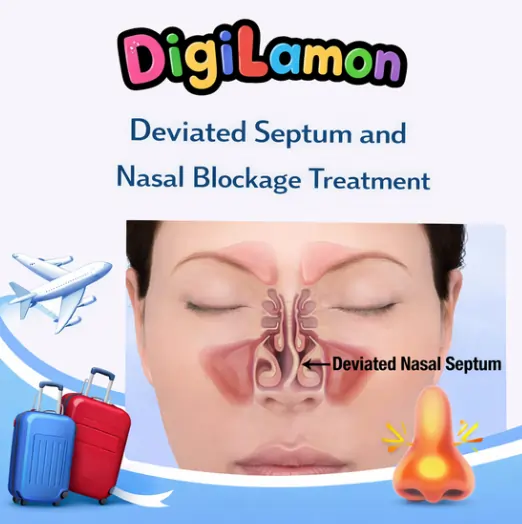
The septum is the wall of cartilage and bone that divides your nose into left and right nostrils. A deviated septum means this wall is crooked or off-center.
According to the American Academy of Otolaryngology, approximately 80 percent of people have some degree of septal deviation. Most are minor and cause no symptoms. For others, a deviated septum causes significant nasal blockage that affects sleep, exercise, and quality of life.
For travelers and digital nomads, nasal blockage can be especially frustrating. Dry airplane air makes symptoms worse. Changing climates trigger congestion. Poor sleep affects work performance.
This guide will help you understand deviated septum and nasal blockage, recognize symptoms, and know when to see a sinus specialist like Dr. Brett Leavers in Sydney.
Related article: Chronic Sinusitis in Travelers
What Travelers Want to Know About Deviated Septum
Here are the most common questions travelers ask about deviated septum and nasal blockage.
- What is a deviated septum?
A deviated septum is when the nasal wall between nostrils is crooked or off-center. - How common is a deviated septum?
Approximately 80 percent of people have some degree of septal deviation. - What causes a deviated septum?
Causes include birth defects, facial trauma or injury, or normal growth variations. - Can a deviated septum get worse over time?
Yes, aging and trauma can worsen deviation. - Do I need surgery for a deviated septum?
No. Many people manage symptoms with medical treatment. Surgery is only for severe cases. - What is septoplasty?
Septoplasty is surgery to straighten the deviated septum and improve nasal airflow.
What Is a Deviated Septum?
The septum is the wall that divides your nose into left and right nasal passages.
Normal septum:
- Straight and centered
- Both nostrils have equal airflow
- No symptoms
Deviated septum:
- Crooked or off-center
- One nostril is smaller than the other
- Nasal airflow is reduced on one or both sides
- Symptoms range from mild to severe
Types of deviation:
- C-shaped deviation: curves to one side
- S-shaped deviation: curves back and forth
- Spurs: sharp projections of bone or cartilage
Dr. Brett Leavers is a Sinus and Septum Specialist who diagnoses and treats deviated septum.
Resource: Sinus & Septum Specialist Sydney
Causes of Deviated Septum
Several factors can cause a deviated septum.
Birth or congenital causes:
- Present from birth
- Caused by positioning in the womb
- May be noticed during childhood or adulthood
Trauma or injury:
- Broken nose from sports, accidents, or falls
- Injury during childbirth
- Any significant impact to the nose
Normal growth:
- The septum can deviate as the face grows
- More common in teenagers and young adults
- May worsen with age
Worsening over time:
- Existing deviation can worsen
- Aging causes cartilage changes
- Repeated minor trauma
Most people with deviated septum do not remember a specific injury. The deviation often develops gradually over time.
Symptoms of Deviated Septum
Not everyone with a deviated septum has symptoms.
Nasal symptoms:
- One nostril more blocked than the other
- Difficulty breathing through the nose
- Alternating nasal congestion that switches sides
- Reduced sense of smell
Sleep symptoms:
- Snoring or noisy breathing during sleep
- Mouth breathing while sleeping
- Dry mouth in the morning
- Sleep apnea in severe cases
Other symptoms:
- Frequent nosebleeds, especially from one nostril
- Recurring sinus infections
- Facial pain or pressure
- Post-nasal drip
- Headaches
Symptoms worsen with:
- Dry air from flying or air conditioning
- Allergies causing nasal swelling
- Colds or sinus infections
- Exercise requiring increased airflow
If you have these symptoms and they affect your quality of life, see a sinus specialist.
When to See a Sinus Specialist: A Simple Decision Guide
When to See a Sinus Specialist for Deviated Septum: A Simple Guide
Do you have persistent nasal blockage on one or both sides?
↓
Does the blockage affect your sleep quality?
↓ YES → See a sinus specialist for evaluation
↓ NO → Continue monitoring
Do you snore loudly or wake up with a dry mouth?
↓ YES → See a sinus specialist
↓ NO → Continue monitoring
Do you get frequent sinus infections, 4 or more per year?
↓ YES → See a sinus specialist
↓ NO → Continue monitoring
Have you tried medical treatments like nasal sprays with no improvement?
↓ YES → See a sinus specialist
↓ NO → Try medical treatments first
Is the blockage interfering with your work or daily activities?
↓ YES → See a sinus specialist
↓ NO → Continue monitoring
Do you have nosebleeds that do not stop or recur frequently?
↓ YES → See a sinus specialist
↓ NO → Continue monitoring
Medical Treatment Options for Deviated Septum
Medical treatment can manage symptoms without surgery.
Nasal corticosteroid sprays:
- Reduce swelling of nasal tissues
- Improve airflow through both nostrils
- Examples: fluticasone, mometasone, budesonide
- Safe for long-term use
- May take weeks to see full effect
Saline nasal rinses:
- Clear mucus and allergens from the nose
- Moisturize dry nasal passages
- Use with a neti pot or squeeze bottle
- Safe for daily use
Decongestants:
- Temporarily shrink swollen nasal tissues
- Improve airflow within minutes
- Examples: oxymetazoline, pseudoephedrine
- NOT for long-term use, can cause rebound congestion
Antihistamines:
- For patients with allergies
- Reduce allergy-related nasal swelling
- May cause drowsiness in some
Combination approach:
- Nasal steroid spray daily
- Saline rinses as needed
- Decongestants only for short-term relief
Medical treatment is effective for many patients. Surgery is only considered when medical treatment fails.
Septoplasty Surgery for Deviated Septum
Septoplasty is surgery to straighten the deviated septum.
What septoplasty does:
- Straightens the crooked cartilage and bone
- Improves nasal airflow
- Does NOT change the external appearance of the nose
- Preserves the structure of the nose
What septoplasty does NOT do:
- Rhinoplasty or nose reshaping for cosmetic purposes
- Change the external shape of your nose
- Remove nasal polyps or turbinates (though these can be done at the same time)
Who is a candidate for septoplasty:
- Patients with significant nasal blockage
- Symptoms that do not improve with medical treatment
- Recurrent sinus infections
- Sleep apnea or severe snoring
- Desire to improve quality of life
Dr. Brett Leavers can help determine if septoplasty is right for you.
What Happens During Septoplasty Surgery
Understanding the procedure reduces anxiety.
Before surgery:
- Pre-operative evaluation with your surgeon
- Stop certain medications like blood thinners
- Arrange for someone to drive you home
During surgery:
- Performed under general anesthesia
- Takes 30 to 90 minutes
- Surgeon makes an incision inside the nostril
- The deviated cartilage and bone are straightened
- No external incisions or scars
After surgery:
- You go home the same day
- Nasal packing may or may not be used
- Mild to moderate discomfort
- Some bleeding is normal
Recovery:
- First week: rest with head elevated
- One to two weeks off work for sedentary jobs
- Two to four weeks before heavy exercise
- Full healing takes several months
Results:
- Improved nasal airflow within weeks
- Maximum improvement at 3 to 6 months
- Most patients are very satisfied
Turbinate Reduction: Often Done with Septoplasty
The turbinates are structures inside the nose that warm and humidify air.
What are turbinates:
- Bony structures covered with mucous membrane
- Three on each side: inferior, middle, superior
- Swell and shrink to control airflow
Turbinate hypertrophy:
- Turbinates are enlarged
- Block nasal airflow
- Can occur with or without deviated septum
Turbinate reduction procedures:
- Performed at the same time as septoplasty
- Reduces the size of the turbinates
- Improves nasal airflow
- Several techniques available
Recovery:
- Similar to septoplasty recovery
- May have more nasal crusting
- Full results in several months
Many patients with deviated septum also have enlarged turbinates. Treating both gives the best results.
Septoplasty vs. Rhinoplasty: What Is the Difference?
Patients often confuse these two procedures.
| Feature | Septoplasty | Rhinoplasty |
|---|---|---|
| Purpose | Improve breathing | Change appearance |
| What is treated | Deviated septum | External shape of the nose |
| Incisions | Inside the nostril, no visible scars | Inside nostrils or across columella |
| Insurance coverage | Usually covered for medical necessity | Usually not covered, cosmetic |
| Recovery | 1 to 2 weeks off work | 1 to 2 weeks off work |
| Results | Improved nasal airflow | Improved appearance and possibly breathing |
Septoplasty is a functional surgery. Rhinoplasty is a cosmetic surgery. They can be performed together, called septorhinoplasty.
What Happens During a Sinus Consultation for Deviated Septum
Based on Dr. Leavers’ Sinus and Septum page, here is what happens during a consultation.
Step 1: GP referral and history reviewed
The doctor reads your referral and asks about your nasal blockage, when it started, and what makes it better or worse.
Step 2: Nasal and ENT examination
The doctor examines your nose using a nasal speculum and light. They may use a nasal endoscope to see inside your nasal passages.
Step 3: Findings are discussed
The doctor explains what they found, including the degree of septal deviation and any other issues like turbinate hypertrophy.
Step 4: Management options outlined
The doctor discusses treatment options including medical management, septoplasty, or turbinate reduction.
Step 5: Tests arranged if needed
The doctor may order a CT scan of your sinuses to evaluate for other issues.
Diagnostic Tests for Deviated Septum
Dr. Brett Leavers may recommend tests to evaluate your nasal blockage.
Nasal endoscopy:
- A thin, flexible tube with a camera is inserted into your nose
- Allows the doctor to see the septum and turbinates
- Can identify the degree of deviation
- Performed in the clinic, no anesthesia needed
CT scan of the sinuses:
- Provides detailed images of the nasal anatomy
- Shows the extent of septal deviation
- Identifies other issues like polyps or sinusitis
- Helps plan surgery if needed
Nasal airflow studies:
- Rhinomanometry measures nasal resistance
- Acoustic rhinometry measures nasal cross-section
- Not always necessary for diagnosis
Your sinus specialist will explain which tests are right for your situation.
How Flying Affects Deviated Septum
Flying can worsen symptoms of a deviated septum.
Why flights affect deviated septum:
- Dry cabin air dries out nasal passages
- Swelling of nasal tissues occurs
- The already narrowed side becomes more blocked
- Pressure changes cause discomfort
Tips for flying with deviated septum:
- Use saline spray before and during flight
- Stay hydrated with water
- Use nasal steroid spray regularly before travel
- Avoid alcohol and caffeine before flying
- Consider decongestant spray before descent for severe cases
When to see a doctor before flying:
- Severe nasal blockage at baseline
- History of sinus infections from flying
- Pain or pressure during previous flights
How to Get a GP Referral for Deviated Septum
In Australia, you need a GP referral to see a sinus specialist like Dr. Brett Leavers.
Steps to get a referral via telehealth:
- Choose a telehealth service like InstantScripts or Qoctor
- Book a 15-minute video consultation
- Describe your nasal blockage symptoms clearly
- Tell the GP how long you have had symptoms
- Ask for a referral to a sinus and septum specialist
- Receive your referral by email instantly
Related article: Telehealth for Travelers: How to See a Doctor Online
Dr. Brett Leavers: Sinus and Septum Specialist in Sydney
Dr. Brett Leavers is an ENT specialist and surgeon experienced in sinus and septum conditions.
His expertise includes:
- Chronic sinus symptoms
- Ongoing nasal blockage
- Deviated septum
- Nasal polyps
- Sinus surgery assessment including septoplasty
Why patients choose Dr. Leavers:
- Multiple clinic locations across Sydney
- Accepts telehealth GP referrals
- Provides thorough nasal examinations
- Clear explanation of findings and options
- Performs septoplasty when medically necessary
A valid GP referral is required before booking. This is not for emergencies.
Resource: Sinus & Septum Specialist Sydney
For a complete review of Dr. Brett Leavers as the best ENT doctor in Sydney for sinus conditions, read our detailed guide: Best ENT Doctor in Sydney Nomad Experience
What Impressed Me About Dr. Leavers’ Approach to Septum Conditions
I have read many resources about deviated septum. Dr. Brett Leavers’ website stands out.
What impressed me:
- He clearly explains the difference between septoplasty and rhinoplasty
- He identifies when medical management is sufficient
- He describes the surgical process so patients know what to expect
- He emphasizes that not everyone needs surgery
- He discusses turbinate reduction when appropriate
- He does not push unnecessary procedures
His practical, educational approach helped me understand deviated septum treatment.
If you are based in Sydney, please visit Dr. Brett Leavers for your nasal concerns. His expertise as a sinus specialist speaks for itself.
Frequently Asked Questions About Deviated Septum and Nasal Blockage
- What is a deviated septum?
A deviated septum is when the nasal wall between nostrils is crooked or off-center. - How common is a deviated septum?
Approximately 80 percent of people have some degree of septal deviation. - What causes a deviated septum?
Causes include birth defects, facial trauma or injury, or normal growth variations. - What are the symptoms of a deviated septum?
Symptoms include nasal blockage, snoring, frequent nosebleeds, and sinus infections. - Can a deviated septum get worse over time?
Yes, aging and trauma can worsen deviation. - Do I need surgery for a deviated septum?
No. Many people manage symptoms with medical treatment. Surgery is only for severe cases. - What is septoplasty?
Septoplasty is surgery to straighten the deviated septum and improve nasal airflow. - Is septoplasty painful?
Mild to moderate discomfort is expected. Most patients manage with over-the-counter pain medication. - How long is recovery from septoplasty?
One to two weeks off work for sedentary jobs. Two to four weeks before heavy exercise. - Does septoplasty change how my nose looks?
No. Septoplasty only changes the internal structure. It does not change external appearance. - What is the difference between septoplasty and rhinoplasty?
Septoplasty improves breathing. Rhinoplasty changes appearance. They can be done together. - What are turbinates?
Turbinates are structures inside the nose that warm and humidify air. - What is turbinate reduction?
Turbinate reduction is a procedure to reduce enlarged turbinates that block nasal airflow. - Can I see a sinus specialist in Sydney without a referral?
No, you need a valid GP referral to see any ENT specialist in Australia. - How do I get a GP referral as a traveler in Australia?
Use a telehealth service like InstantScripts or Qoctor for a 15-minute online consultation. - How much does a sinus consultation cost in Sydney?
Private ENT consultations typically cost between 200 and 350 Australian dollars. - Where are Dr. Brett Leavers clinic locations?
His clinics are in Darlinghurst, Kogarah, Rozelle, Eastwood, and Griffith. - Can I use nasal sprays for a deviated septum?
Yes, nasal corticosteroid sprays can reduce swelling and improve airflow. - Does deviated septum cause sleep apnea?
Yes, severe deviated septum can contribute to obstructive sleep apnea. - Who is the best sinus specialist for deviated septum in Sydney?
Dr. Brett Leavers is highly recommended for deviated septum and nasal blockage.
Final Words: Breathe Freely Again
A deviated septum does not have to control your life.
Medical treatments help many people. For those with severe symptoms, septoplasty can be life-changing.
Do not accept chronic nasal blockage as normal. You deserve to breathe freely.
If you are in Sydney, Dr. Brett Leavers is a trusted Sinus and Septum Specialist who can evaluate your condition, explain your options, and create a treatment plan.
Breathe easy. Sleep well. Live better.
Summary Table for Deviated Septum and Nasal Blockage
| Question | Answer |
|---|---|
| What is a deviated septum? | Crooked nasal wall between nostrils |
| How common? | 80 percent of people have some deviation |
| Common symptoms | Nasal blockage, snoring, nosebleeds, sinus infections |
| Medical treatment | Nasal sprays, saline rinses, decongestants |
| Surgical treatment | Septoplasty to straighten the septum |
| Recovery time | 1 to 2 weeks off work |
Trusted sinus specialist in Sydney: Dr. Brett Leavers
GP referral required: Yes, via telehealth
Clinic locations: Darlinghurst, Kogarah, Rozelle, Eastwood, Griffith
Related articles:
- Chronic Sinusitis in Travelers
- General ENT Concerns for Digital Nomads
- Neck Lumps: When to Worry and When to See a Specialist
- Best ENT Doctor in Sydney Nomad Review
- Telehealth for Travelers
YMYL Disclaimer
This article is for informational purposes only and does not constitute medical advice.
This post is written based on general medical knowledge about deviated septum. I am not a medical professional. I am sharing educational information about nasal blockage and when to see a specialist.
I am not giving medical advice. I am not promoting any specific doctor or service directly. I am simply sharing educational information about deviated septum and the expertise of Dr. Brett Leavers as a sinus specialist.
If you have nasal blockage, breathing difficulties, or any other medical concern, please consult a qualified healthcare professional in person.
If you are based in Sydney, I encourage you to visit Dr. Brett Leavers for a professional evaluation. This is an educational recommendation based on his expertise as a sinus and septum specialist, not a medical endorsement.
For emergencies, go to a hospital or call emergency services immediately.

I’m Jean Palabrica, known in the industry as Jin Grey—a name reflecting my specialized expertise in Grey Hat SEO.
With over 18 years of experience as a “Chief Everything Officer,” I provide data-driven strategies for high-competition niches like iGaming. As a Senior SEO and Digital Marketing Consultant, I help brands navigate complex markets, optimize technical systems, and scale sustainably