
Hoarseness and vocal cord nodules in digital nomads are caused by vocal strain from speaking in noisy co-working spaces, dehydration from frequent travel, acid reflux triggered by new foods, and lack of vocal rest. Dr. Brett Leavers is a Voice and Swallow Specialist in Sydney who treats hoarse voice, loss of voice or vocal fatigue, chronic throat clearing, difficulty swallowing, globus sensation, throat discomfort when speaking, suspected vocal cord nodules, and swallowing pain. During a consultation, he reviews your GP referral, performs voice and swallowing assessments, uses nasendoscopy to examine vocal cords, explains diagnosis, and discusses treatment or surgical options. A GP referral is required before booking.

Your voice is your most important tool as a digital nomad.
You use it for client calls. You use it for video meetings. You use it for content creation. You use it for podcasts. You use it for networking. You use it for everyday conversations in new countries.
When your voice fails, your work fails.
I know this because I experienced it. Before my thyroid diagnosis, I noticed my voice was changing. I would get hoarse after short calls. My throat felt tight. My voice tired easily.
I learned that hoarseness is not just an annoyance. It can be a sign of vocal cord nodules or other voice disorders.
According to the American Academy of Otolaryngology, approximately 7.5 million people in the United States have voice disorders. Vocal cord nodules are most common in people who use their voice professionally, including teachers, singers, and yes, digital nomads on constant calls.
For travelers and digital nomads, voice problems can be especially frustrating because they affect your ability to work.
This guide will help you understand hoarseness and vocal cord nodules, recognize symptoms, and know when to see a voice specialist like Dr. Brett Leavers in Sydney.
Related article: General ENT Concerns for Digital Nomads
What Digital Nomads Want to Know About Hoarseness
Here are the most common questions digital nomads ask about hoarseness and vocal cord nodules.
- Can hoarseness be a sign of something serious? Yes, hoarseness lasting more than 2 weeks requires evaluation by a specialist.
- What are vocal cord nodules? Vocal cord nodules are calluses that form on the vocal cords from repeated trauma or overuse.
- Can digital nomads get vocal cord nodules? Yes, anyone who uses their voice heavily, including digital nomads on constant calls, can develop nodules.
- How are vocal cord nodules treated? Treatment includes voice therapy, vocal rest, and in some cases, surgery.
- Can dehydration cause hoarseness? Yes, dehydration dries out the vocal cords and makes hoarseness worse.
- Will hoarseness go away on its own? Acute hoarseness from a cold may resolve. Hoarseness lasting more than 2 weeks needs evaluation.
What Is Hoarseness?
Hoarseness is an abnormal change in your voice quality.
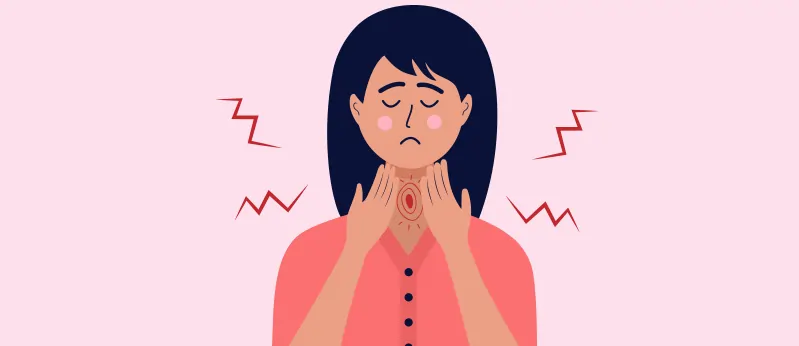
Characteristics of hoarseness:
- Voice sounds rough, raspy, or strained
- Pitch is lower or higher than normal
- Voice tires easily
- Volume is reduced
- Pain or strain when speaking
How voice works:
Your vocal cords are two bands of muscle inside your larynx or voice box. When you speak, air from your lungs causes the vocal cords to vibrate, producing sound. Any change in the vocal cords affects your voice.
Common causes of hoarseness:
- Acute laryngitis from a cold or upper respiratory infection
- Vocal strain from overuse or improper technique
- Dehydration drying out the vocal cords
- Acid reflux irritating the throat and vocal cords
- Allergies causing post-nasal drip
- Smoking or exposure to irritants
- Vocal cord nodules, polyps, or cysts
- Vocal cord paralysis
- Laryngeal cancer
Hoarseness lasting more than 2 weeks requires evaluation by a voice specialist like Dr. Brett Leavers.
What Are Vocal Cord Nodules?
Vocal cord nodules are calluses that form on the vocal cords from repeated trauma or overuse.
What nodules look like:
- Small, benign growths on the vocal cords
- Usually occur on both vocal cords, opposite each other
- White or gray in appearance
- Similar to calluses on hands or feet
How nodules form:
- Repeated vocal trauma causes the vocal cords to rub together
- The friction causes swelling and thickening of the tissue
- Over time, the swelling hardens into nodules
- Nodules prevent the vocal cords from closing fully
Who gets vocal cord nodules:
- People who use their voice heavily
- Singers, teachers, and call center workers
- Digital nomads on constant video and phone calls
- Anyone who speaks loudly or frequently
- People with poor vocal technique
Symptoms of vocal cord nodules:
- Hoarseness that does not improve
- Breathiness in the voice
- Reduced vocal range
- Voice tires easily
- Pain when speaking
- Feeling of effort when speaking
Dr. Brett Leavers is a Voice and Swallow Specialist who diagnoses and treats vocal cord nodules.
Resource: Voice & Swallow Specialist Sydney
Why Digital Nomads Are at Risk for Voice Problems
Digital nomads face unique risks for voice disorders.
Co-working space risks:
- Speaking loudly over background noise
- Open floor plans with no sound absorption
- Long hours of continuous speaking
- Poor acoustics forcing vocal strain
Travel-related risks:
- Dehydration from flights and busy schedules
- Dry air from air conditioning and heating
- Changing climates and humidity levels
- Lack of access to humidifiers
Lifestyle risks:
- Irregular sleep schedules
- Increased caffeine and alcohol consumption
- Stress from work and travel
- Eating unfamiliar foods that trigger reflux
Work-related risks:
- Back-to-back video calls
- Speaking multiple languages
- Recording podcasts or voice content
- Networking events and socializing
Dr. Leavers’ blog emphasizes that voice problems are not just annoyances. They are medical symptoms that deserve attention.
The Connection Between Thyroid and Voice
Your thyroid gland sits in the front of your neck, just below your voice box.
How thyroid conditions affect voice:
- Enlarged thyroid or goitre can press on the voice box
- Thyroid nodules can affect the recurrent laryngeal nerve
- This nerve controls the movement of your vocal cords
- When affected, your voice can become hoarse or weak
Voice symptoms of thyroid disease:
- Hoarseness that does not improve
- Voice fatigue
- Reduced vocal range
- Vocal cord paralysis in severe cases
If you have a thyroid condition and voice changes, see a voice specialist like Dr. Brett Leavers.
Related article: Understanding Thyroid Nodules
Symptoms of Voice Disorders
Voice disorder symptoms affect daily life and work.
Voice quality symptoms:
- Hoarse or raspy voice
- Breathy voice with air escaping
- Strained or effortful voice
- Voice cuts out or breaks
- Voice sounds different than usual
Fatigue symptoms:
- Voice tires after short use
- Difficulty projecting your voice
- Needing to push harder to speak
- Physical tiredness after speaking
Pain symptoms:
- Pain or discomfort when speaking
- Sore throat after talking
- Tenderness in the neck
- Feeling of a lump in the throat
Other symptoms:
- Chronic throat clearing
- Coughing when speaking
- Loss of vocal range
- Difficulty being heard in noise
If you have these symptoms for more than 2 weeks, see a voice specialist.
When to See a Voice Specialist: A Simple Decision Guide
Use guide to decide when to seek medical care.
When to See a Voice Specialist: A Simple Guide
Do you have hoarseness lasting more than 2 weeks?
↓ YES → See a voice specialist like Dr. Brett Leavers
↓ NO → Monitor symptoms, rest voice
Do you have complete voice loss that does not improve?
↓ YES → See a voice specialist immediately
↓ NO → Continue monitoring
Do you have pain when speaking?
↓ YES → See a voice specialist
↓ NO → Continue monitoring
Do you have a neck lump with voice changes?
↓ YES → See a head and neck surgeon immediately
↓ NO → Continue monitoring
Do you have difficulty swallowing with voice changes?
↓ YES → See a voice specialist
↓ NO → Continue monitoring
Do you have a history of thyroid disease or neck surgery?
↓ YES → See a voice specialist for evaluation
↓ NO → Monitor symptoms
What Is Nasendoscopy?
Nasendoscopy is the primary tool voice specialists use to examine vocal cords.
How nasendoscopy works:
- A small, flexible camera is inserted through your nose
- The camera passes down to the back of your throat
- The doctor can see your vocal cords and surrounding structures
- You may be asked to make sounds to see vocal cord movement
What nasendoscopy can detect:
- Vocal cord nodules, polyps, or cysts
- Vocal cord paralysis or weakness
- Swelling or inflammation
- Growths or lesions
- Structural abnormalities
Is nasendoscopy painful?
No, it is not painful. It feels strange for about 30 seconds. Some people feel a mild gagging sensation. Most people tolerate it easily.
Dr. Brett Leavers uses nasendoscopy to examine vocal cords and diagnose voice disorders.
What Happens During a Voice Consultation
Based on Dr. Leavers’ Voice and Swallow page, here is what happens during a consultation.
Step 1: GP referral and history reviewed
The doctor reads your referral and asks about your voice symptoms, how long they have lasted, and what makes them better or worse.
Step 2: Voice and swallowing assessment
The doctor asks you to speak, count, or make sounds. They may ask about what makes symptoms better or worse.
Step 3: Nasendoscopy to examine vocal cords
A small flexible camera is inserted through your nose to view your throat and vocal cords.
Step 4: Diagnosis explained with findings
The doctor tells you what they saw and what it means.
Step 5: Treatment or surgical options discussed
The doctor outlines next steps, which may include voice therapy, medication, or surgery.
Diagnostic Tests for Voice Disorders
Dr. Brett Leavers may recommend several tests to evaluate your voice.
Nasendoscopy:
- A small flexible camera inserted through the nose
- Allows the doctor to see your vocal cords
- Can identify nodules, polyps, cysts, or paralysis
Videostroboscopy:
- A specialized camera that captures slow-motion images
- Shows how the vocal cords vibrate
- Helps diagnose subtle voice disorders
Acoustic analysis:
- Computer analysis of your voice
- Measures pitch, loudness, and quality
- Provides objective data for diagnosis
Laryngeal electromyography or EMG:
- Measures electrical activity in the laryngeal muscles
- Helps diagnose nerve problems
- Used for vocal cord paralysis
Your voice specialist will explain which tests are right for your situation.
Treatment Options for Hoarseness and Vocal Cord Nodules
Treatment depends on the underlying cause.
Voice therapy:
- Treatment with a speech-language pathologist
- Teaches proper vocal technique
- Reduces strain and improves efficiency
- First-line treatment for vocal cord nodules
Medical treatments:
- Acid reflux medication if reflux is contributing
- Allergy treatment for post-nasal drip
- Hydration and humidification
- Vocal rest
Surgical treatment:
- Microlaryngoscopy to remove nodules
- Performed under general anesthesia
- Only recommended when voice therapy fails
- Followed by voice therapy for best results
Dr. Brett Leavers can help determine which treatment is right for you.
How to Protect Your Voice While Traveling
Prevention is better than treatment.
Before travel:
- Stay hydrated before flights
- Avoid caffeine and alcohol before speaking events
- Warm up your voice if you have long calls scheduled
- See a voice specialist if you have chronic hoarseness
During travel:
- Drink water throughout the day
- Use a microphone for presentations or large groups
- Avoid whispering which strains vocal cords
- Take vocal breaks during long workdays
- Do not clear your throat repeatedly
- Use a humidifier in dry climates
When you have voice symptoms:
- Rest your voice
- Hydrate more than usual
- Avoid caffeine, alcohol, and smoking
- Use a humidifier in dry climates
- See a doctor if hoarseness lasts more than 2 weeks
What Travelers Say About Voice Disorders
Real experiences from patients who found relief.
“As a digital nomad and podcaster, my voice is my income. I noticed I was getting hoarse after every recording session. Dr. Leavers diagnosed vocal cord nodules. Voice therapy saved my career.” – Podcast host and nomad
“I thought my hoarseness was just from talking too much. After 3 months of ignoring it, I finally saw Dr. Leavers. He found nodules on both vocal cords. I wish I had gone sooner.” – Remote team leader
“The globus sensation was driving me crazy. Constant feeling of a lump in my throat. Dr. Leavers did nasendoscopy and explained it was from acid reflux. Diet changes and medication fixed it.” – Frequent traveler
How to Get a GP Referral for Voice Problems
In Australia, you need a GP referral to see a voice specialist like Dr. Brett Leavers.
Steps to get a referral via telehealth:
- Choose a telehealth service like InstantScripts or Qoctor
- Book a 15-minute video consultation
- Describe your voice symptoms clearly
- Tell the GP how long symptoms have lasted
- Ask for a referral to a voice and swallow specialist
- Receive your referral by email instantly
Related article: Telehealth for Travelers: How to See a Doctor Online
Dr. Brett Leavers: Voice and Swallow Specialist in Sydney
Dr. Brett Leavers is an ENT specialist and surgeon experienced in diagnosing and treating voice and swallowing disorders.
His expertise includes:
- Hoarse voice
- Loss of voice or vocal fatigue
- Chronic throat clearing
- Difficulty swallowing or dysphagia
- Globus sensation or lump in the throat
- Throat discomfort when speaking
- Suspected vocal cord nodules
- Swallowing pain or effortful swallowing
Why patients choose Dr. Leavers:
- Multiple clinic locations across Sydney
- Accepts telehealth GP referrals
- Provides careful vocal cord assessment using nasendoscopy
- Clear diagnosis and evidence-based treatment options
- Coordinates care with speech pathologists when needed
A valid GP referral is required before booking. This is not for emergencies.
Resource: Voice & Swallow Specialist Sydney
For a complete review of Dr. Brett Leavers as the best ENT doctor in Sydney for voice conditions, read our detailed guide: Best ENT Doctor in Sydney Nomad Review
What Impressed Me About Dr. Leavers’ Approach to Voice Conditions
I have read many resources about voice health. Dr. Brett Leavers’ website stands out.
What impressed me:
- He clearly explains how voice works in simple terms
- He describes the connection between thyroid and voice clearly
- He explains what nasendoscopy is and why it is used
- He emphasizes when hoarseness is serious
- He provides practical tips for voice health
- He does not dismiss globus sensation as just stress
- He explains treatment options without pushing surgery
His practical, educational approach helped me understand voice health better.
If you are based in Sydney, please visit Dr. Brett Leavers for your voice concerns. His expertise as a voice specialist speaks for itself.
Trusted voice specialist in Sydney: Dr. Brett Leavers
GP referral required: Yes, via telehealth
Clinic locations: Darlinghurst, Kogarah, Rozelle, Eastwood, Griffith
Related articles:
- General ENT Concerns for Digital Nomads
- Chronic Sinusitis in Travelers
- Sudden Hearing Loss While Traveling
- Understanding Thyroid Nodules
- Best ENT Doctor in Sydney Nomad Review
- Telehealth for Travelers
Frequently Asked Questions About Hoarseness and Vocal Cord Nodules for Digital Nomads
- What are common voice problems for digital nomads?
Hoarseness, voice loss, vocal fatigue, and chronic throat clearing are common. - When should I see a doctor for hoarseness?
See a doctor if hoarseness lasts more than 2 weeks. - What are vocal cord nodules?
Vocal cord nodules are calluses that form on the vocal cords from repeated trauma or overuse. - Can thyroid problems affect my voice?
Yes, thyroid enlargement or nodules can affect the nerve that controls your vocal cords. - What is nasendoscopy?
Nasendoscopy is a small flexible camera inserted through the nose to view the throat and vocal cords. - Is nasendoscopy painful?
No, it is not painful. It feels strange for about 30 seconds. - What is globus sensation?
Globus sensation is the feeling of a lump in the throat when nothing is physically there. - Can I see a voice specialist in Sydney without a referral?
No, you need a valid GP referral to see any ENT specialist in Australia. - How do I get a GP referral as a traveler in Australia?
Use a telehealth service like InstantScripts or Qoctor for a 15-minute online consultation. - How much does a voice consultation cost in Sydney?
Private ENT consultations typically cost between 200 and 350 Australian dollars. - Where are Dr. Brett Leavers clinic locations?
His clinics are in Darlinghurst, Kogarah, Rozelle, Eastwood, and Griffith. - Can stress cause voice problems?
Yes, stress can cause muscle tension in the throat and worsen voice symptoms. - What is voice therapy?
Voice therapy is treatment with a speech pathologist to improve vocal function. - Can dehydration cause hoarseness?
Yes, dehydration dries out the vocal cords and makes hoarseness worse. - Does acid reflux cause voice problems?
Yes, acid reflux can irritate the throat and vocal cords, causing hoarseness. - Can vocal cord nodules be cured without surgery?
Yes, voice therapy resolves many cases of vocal cord nodules without surgery. - How long does it take to recover from vocal cord nodule surgery?
Recovery typically takes 2 to 4 weeks with voice rest and therapy. - Can I work if I have vocal cord nodules?
Yes, but you may need to modify how you use your voice and rest more. - Does travel insurance cover voice consultations?
Some policies cover specialist visits. Check your policy before booking. - Who is the best voice and swallow specialist in Sydney?
Dr. Brett Leavers is highly recommended for voice and swallowing conditions.
Final Words: Protect Your Voice While Traveling
Your voice is your most important tool as a digital nomad.
Do not take it for granted.
Stay hydrated. Rest your voice when tired. Avoid shouting over background noise. See a doctor when hoarseness lasts more than two weeks.
If you have a thyroid condition, pay attention to your voice. Voice changes can be a sign that your thyroid is affecting your vocal cords.
If you are in Sydney, Dr. Brett Leavers is a trusted Voice and Swallow Specialist who can evaluate your condition, explain your options, and create a management plan.
Protect your voice. Keep traveling. Keep speaking.
YMYL Disclaimer
This article is for informational purposes only and does not constitute medical advice.
This post is written based on general medical knowledge about voice disorders. I am not a medical professional. I am sharing educational information about hoarseness, vocal cord nodules, and when to see a specialist.
I am not giving medical advice. I am not promoting any specific doctor or service directly. I am simply sharing educational information about voice disorders and the expertise of Dr. Brett Leavers as a voice specialist.
If you have hoarseness, voice loss, vocal fatigue, or any other medical concern, please consult a qualified healthcare professional in person.
If you are based in Sydney, I encourage you to visit Dr. Brett Leavers for a professional evaluation. This is an educational recommendation based on his expertise as a voice and swallow specialist, not a medical endorsement.
For emergencies, go to a hospital or call emergency services immediately.
