
Discover Authentic Asian Flavors Key Takeaways
If you’re craving real-deal Japanese, Thai, or Vietnamese food in Metro Manila, three Taguig restaurants deliver the goods.
- Bijin Nabe’s Golden Collagen Stock is a game-changer for hot pot lovers seeking authentic Asian flavors in Metro Manila
- Sabai serves punchy, herb-forward Thai dishes that rival Bangkok’s best, all in a lively setting ideal for groups
- Em Hà Nội’s menu focuses on Northern Vietnamese classics, with a phở bò that’s fragrant, clean, and deeply satisfying
Why I Set Out to Discover Authentic Asian Flavors in Taguig
I’m Jin Grey, born and raised in Mindanao but now a Digital Nomad who calls the Philippines home — and sometimes Manila my temporary base. Growing up, I learned that real flavor doesn’t shout. It simmers. It ferments. It takes time. So when friends kept telling me about three Taguig restaurants that serve “the real thing” — Japanese hot pot, Thai street food, and Northern Vietnamese pho — I had to see for myself. For a related guide, see Siklab Elevates Filipino Food With Modern Flair.

What I found were three places that don’t just copy recipes. They respect origins. And they make it easy for anyone — from casual diners to hardcore foodies — to Discover Authentic Asian Flavors without a plane ticket.
What Makes Bijin Nabe, Sabai, and Em Hà Nội Stand Out in Manila’s Asian Dining Scene?
Manila’s dining landscape is packed with Asian restaurants, but most fall into two camps: overpriced “elevated” places that tone down spice for local palates, or hole-in-the-wall joints that are authentic but uncomfortable for a date night. These three restaurants hit a sweet spot — they’re authentic, well-designed, and welcoming for both first-time and seasoned diners. For a related guide, see Wooshi Lets You Build Your Own Japanese-Inspired Meal Experience.
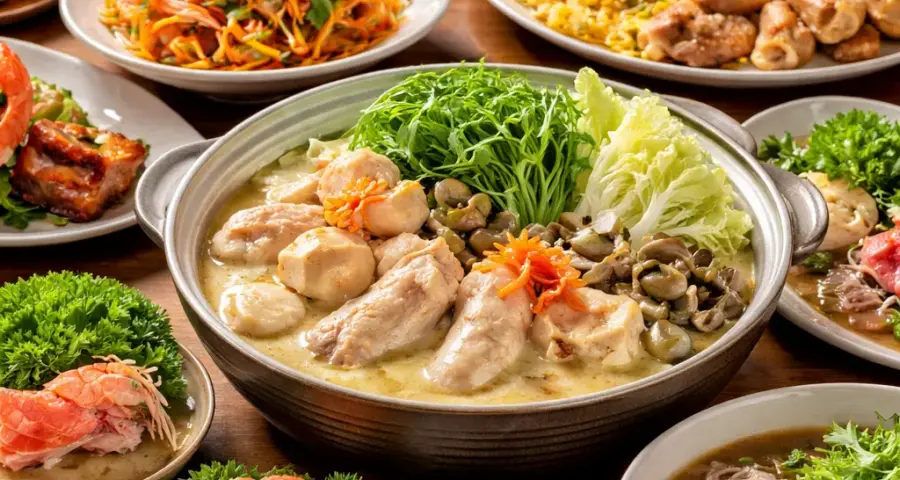
Each restaurant represents a different Asian culinary tradition with integrity. They source quality ingredients, employ chefs who understand the cuisine’s soul, and don’t dumb down the heat or the umami. That’s why food lovers, bloggers, and travelers keep recommending them.
Bijin Nabe by Tsukada Nojo: Japan’s Beauty Hotpot in the Heart of BGC
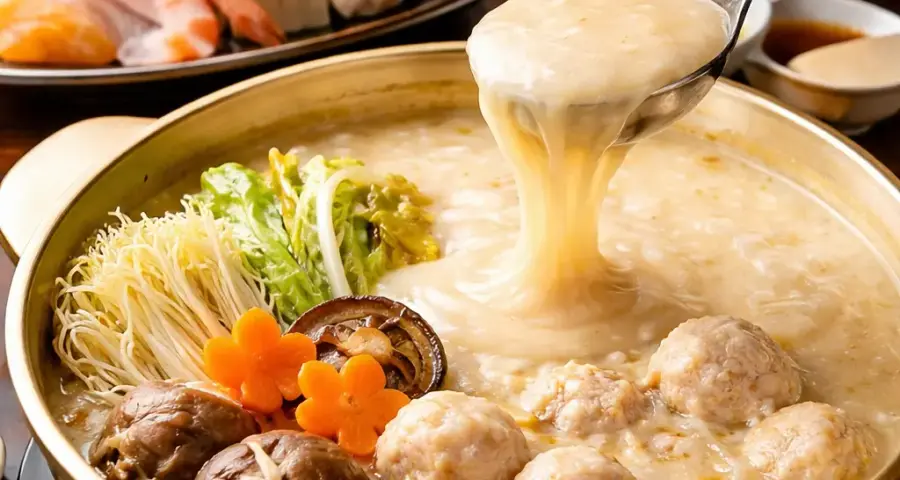
The Broth That Started a Craze
Walk into Bijin Nabe and the first thing you notice is the aroma — rich, savory, almost collagen-sweet. Their signature Golden Collagen Stock is made by simmering Jidori chicken bones for hours until the broth turns milky and sets into a jelly when chilled. It’s served in a hot pot and meant to be eaten in stages: sip the broth first, then cook premium ingredients like Kurobuta pork, fresh vegetables, and handmade tofu.
The beauty ritual doesn’t end with soup. After you finish the hot pot, the staff adds rice, egg, and cheese to the remaining broth to make a creamy zosui (rice porridge). It’s a meal that feels both indulgent and healthy — and it’s the main reason I tell people to Discover Authentic Asian Flavors by starting here.
Must-Try Dishes at Bijin Nabe
- Golden Collagen Stock — The signature. Drink it straight or use it as a cooking base.
- Kurobuta Pork Set — Premium black Berkshire pork, marbled and tender.
- Homemade Tofu and Seasonal Vegetables — Freshness you can taste.
- Zosui (finishing porridge) — The perfect finale to a hot pot session.
Atmosphere and Dining Experience
Bijin Nabe feels like a chic Tokyo hot pot parlor. Warm wood, soft lighting, and private-ish booths make it great for intimate dinners. It’s not cheap — expect to spend around ₱1,500–₱2,000 per person — but the quality justifies the price. I’d recommend it for couples on a date night or small groups who appreciate a slow, interactive meal.
Sabai: Bangkok Street Food Energy in a Bottle
Why Sabai Feels Different from Other Thai Restaurants in Manila
Step inside Sabai at Shangri-La The Fort and you’re hit with a wall of aromatics — lemongrass, galangal, chili, fish sauce. The playlist is upbeat, the lights are a little dim, and the energy is pure Bangkok soi. Unlike many Thai restaurants in Manila that cream-down their curries for local palates, Sabai keeps the heat honest.
Their Sabai Thai food Manila menu is built around sharing. You order a bunch of dishes, pass them around, and let the flavors collide. The Tom Yum Goong is sour-sharp and spicy, the Pad Thai is wok-hei kissed, and the Green Curry is herb-heavy rather than coconut-cream heavy. It’s unapologetically Thai.
Must-Try Dishes at Sabai
- Tom Yum Goong — Sour, spicy, loaded with prawns.
- Pad Thai Goong Sod — Fresh, balanced, with proper tamarind tang.
- Gaeng Keow Wan Gai — Green curry with chicken, packed with Thai basil.
- Mango Sticky Rice — Classic dessert, perfectly executed.
Best For Casual Dining and Group Fun
Sabai’s vibe is social — loud enough to feel alive, but not so loud you can’t talk. It works for group dinners, post-work drinks with colleagues, or even a casual date where you want to share plates. Prices are mid-range, with most dishes between ₱300–₱600. If you’re looking to Discover Authentic Asian Flavors with a group, this is your spot.
Em Hà Nội: A Taste of Northern Vietnam in BGC
Why Em Hà Nội Wins Hearts (and Stomachs)
Vietnamese food in Manila often leans Southern — sweeter, heavier on coconut. Em Hà Nội takes the opposite approach. It focuses on Hanoi-style cuisine: lighter broths, more herbs, less sugar. The Em Hà Nội Vietnamese cuisine experience starts with a bowl of Phở Bò that tastes like it was ladled in a Hanoi alley — clear beef broth, slippery rice noodles, rare beef slices that cook in the heat, and a mountain of fresh herbs and lime on the side.
Their Bún Chả — grilled pork patties served with cold vermicelli and a side of dipping fish sauce — is the dish that made me text my friends “I found the real deal.” It’s messy, fragrant, and absolutely perfect.
Must-Try Dishes at Em Hà Nội
- Phở Bò — Classic beef pho with a clear, aromatic broth.
- Bún Chả Hà Nội — Grilled pork patties with vermicelli, herbs, and nuoc cham.
- Chả Giò — Crispy spring rolls, light and not greasy.
- Cà Phê Trứng — Egg coffee, a Hanoi specialty that’s creamy and addictive.
Atmosphere and Occasion Fit
Em Hà Nội is casual and cozy — think simple wooden furniture, warm lighting, and Vietnamese music playing softly. It’s perfect for a relaxed lunch, a solo dinner with a book, or a catch-up with a friend. Prices are reasonable (₱200–₱500 per dish), making it accessible for everyday authentic Asian flavors in Metro Manila cravings.
Which Asian Restaurant Has the Best Atmosphere and Dining Experience?
This really depends on your mood and company. For an intimate, slow-paced, almost spa-like dining experience, Bijin Nabe wins. The ritual of cooking in broth, sipping, and ending with porridge feels meditative. Sabai has the most energy — it’s loud, bright, and made for sharing laughter and spicy food. Em Hà Nội sits in the middle: relaxed but not boring, ideal for conversations that matter.
If you ask me which one I’d choose for a date night, I’d say Bijin Nabe. For a group celebration, Sabai. For a solo food adventure or a low-key dinner, Em Hà Nội.
Are These Restaurants Good for Group Dining and Date Nights?
Yes, all three accommodate groups, but they do it differently. Bijin Nabe has private-ish booths and works best for 4–6 people. Sabai has communal tables and a lively atmosphere that fits 6–10 diners. Em Hà Nội is more intimate but can push tables together for groups up to 8. For couples, all three work — just know that Sabai can get noisy during peak hours.
Why Do Food Lovers Recommend These Asian Restaurants?
Because they deliver the flavors that foodies crave: real, bold, unapologetic. Whether it’s a Japanese hot pot that makes your skin glow, a Thai curry that clears your sinuses, or a Vietnamese pho that tastes like a hug from a Hanoi grandma — these restaurants don’t compromise. That’s why Manila foodies are talking about them, and why I keep going back.
Which Restaurant Should First-Time Diners Visit for Asian Comfort Food?
If you’re new to Asian cuisine beyond the usual sweet-and-sour fare, start with Em Hà Nội. The flavors are clean, familiar enough (broth, noodles, grilled meat), and easy to love. Then graduate to Sabai for more intense flavors, and finally Bijin Nabe for a full-on Japanese hot pot experience. Each step builds your palate for authentic Asian flavors in Metro Manila.
Useful Resources
- Bijin Nabe by Tsukada Nojo Philippines – Official Menu and Locations
- Sabai at Shangri-La The Fort – Dining Details and Reservations
Frequently Asked Questions About Discover Authentic Asian Flavors
Is Bijin Nabe worth visiting for Japanese hot pot lovers?
Absolutely. The Golden Collagen Stock is unique in Manila — it’s rich, gelatinous, and turns into a creamy porridge at the end. Serious hot pot fans will appreciate the premium ingredients and the ritual.
What makes Sabai different from other Thai restaurants in Manila?
Sabai doesn’t sweeten or water down its curries and soups. The flavor profile is closer to authentic Bangkok street food — bold, spicy, and herb-forward.
Why is Em Hà Nội popular for Vietnamese cuisine?
Because it focuses on Northern Vietnamese cuisine — less sweet, more herbal, with clean broths and grilled meats. The pho and bún chả are the real stars.
Which restaurant offers the most authentic Asian flavors in Metro Manila ?
All three are authentic in their own ways, but if I had to pick one, Em Hà Nội edges ahead for its devotion to Hanoi-style cooking. The pho broth is unmistakably traditional.
What are the must-try dishes at Bijin Nabe?
Start with the Golden Collagen Stock, then add Kurobuta Pork and handmade tofu. Don’t skip the zosui porridge at the end.
What are the must-try dishes at Sabai?
Tom Yum Goong, Pad Thai Goong Sod, Green Curry, and Mango Sticky Rice. Order them all and share.
What are the must-try dishes at Em Hà Nội?
Phở Bò, Bún Chả Hà Nội, Chả Giò, and Cà Phê Trứng. The egg coffee is a must even if you don’t usually drink coffee.
Which restaurant is best for casual dining?
Em Hà Nội is the most casual and welcoming for a quick, affordable meal. Sabai also works for a lively casual dinner with friends.
Which restaurant is best for special occasions?
Bijin Nabe, because of its luxurious feel, interactive dining, and premium ingredients. It’s perfect for anniversaries or milestone dinners.
What makes the flavors at these restaurants authentic?
Each restaurant uses traditional cooking techniques, imports or sources key ingredients (like Jidori chicken for Bijin Nabe, palm sugar and Thai basil for Sabai, and nuoc cham for Em Hà Nội), and respects regional flavor profiles without excessive adaptation.
Are these restaurants good for group dining?
Yes. Sabai is best for larger groups (6–10), Bijin Nabe works for 4–6, and Em Hà Nội can accommodate 6–8 with advance notice.
Are these restaurants good for date nights?
Bijin Nabe is the top choice for a romantic, slow-paced dinner. Em Hà Nội is great for a quiet date, and Sabai suits couples who enjoy lively, shared plates.
Why are Manila foodies talking about Bijin Nabe, Sabai, and Em Hà Nội?
Because they fill a gap in Manila’s dining scene: authentic Asian cuisine that’s not dumbed down, served in stylish yet unpretentious settings. They’ve earned word-of-mouth buzz for their quality and consistency.
Which restaurant should first-time diners visit for Asian comfort food?
Em Hà Nội — the flavors are approachable, the menu is intuitive, and the prices are reasonable. It’s a gentle but authentic introduction.
Where can travelers experience authentic Japanese, Thai, and Vietnamese cuisine in Manila?
All three are in Taguig (BGC area). Bijin Nabe and Sabai are inside Shangri-La The Fort, and Em Hà Nội is on Bonifacio High Street. Easy to walk between for a food crawl.
Does Bijin Nabe have vegetarian options?
The hot pot experience is centered around chicken and pork, but they offer a vegetable set and tofu. It’s not fully vegan-friendly, but vegetarians can still enjoy the broth and sides.
Does Sabai offer gluten-free dishes?
Many Thai dishes are naturally gluten-free (like Tom Yum and curries), but always ask about fish sauce and soy sauce. Staff are accommodating.
Does Em Hà Nội serve pho with beef tendon or tripe?
Their standard Phở Bò comes with rare beef slices, but you can request additional cuts. Call ahead to confirm availability.
Can I make reservations at these restaurants?
Yes. Bijin Nabe and Sabai accept reservations via the Shangri-La website. Em Hà Nội takes walk-ins but also accepts bookings through their Facebook page or phone.
What is the average price range at these restaurants?
Bijin Nabe: ₱1,500–₱2,000 per person. Sabai: ₱300–₱600 per dish. Em Hà Nội: ₱200–₱500 per dish. All offer good value for the quality.

Jin Grey is a Filipino Senior SEO Consultant and AI-First SEO Strategist who helps international brands grow through modern search strategies. She specializes in technical SEO, semantic keyword research, and AI-ready content creation. She is also the owner of JinGrey.com.
As a digital nomad, she loves exploring the world and trying different cuisines during her free time.