
The Rise of Hikiniku To Come and Manilas Wagyu Burger Craze Key Takeaways
This is the story of how a single Japanese concept— Hikiniku To Come —sparked a full-blown wagyu burger craze across Manila.
- The Rise of Hikiniku To Come and Manila’s Wagyu Burger Craze shows how Japanese hamburg steaks have won over local foodies seeking quality and spectacle.
- Hikiniku To Come Uptown Mall offers a unique dining experience: freshly grilled wagyu patties served over rice with unlimited toppings, raw egg, and miso soup.
- Manila’s obsession with wagyu burgers reflects a broader trend toward high-quality, interactive meals that feel both indulgent and comforting.
What Readers Should Know About The Rise of Hikiniku To Come and Manila’s Wagyu Burger Craze
I still remember the first time I bit into a wagyu patty that had been seared over binchotan charcoal. I was in BGC, sitting at a small counter inside Hikiniku To Come Uptown Mall, watching the chef flip a glistening mound of minced wagyu with precision. The steam carried the scent of charcoal and beef fat—a perfume that signals luxury but tastes like home.
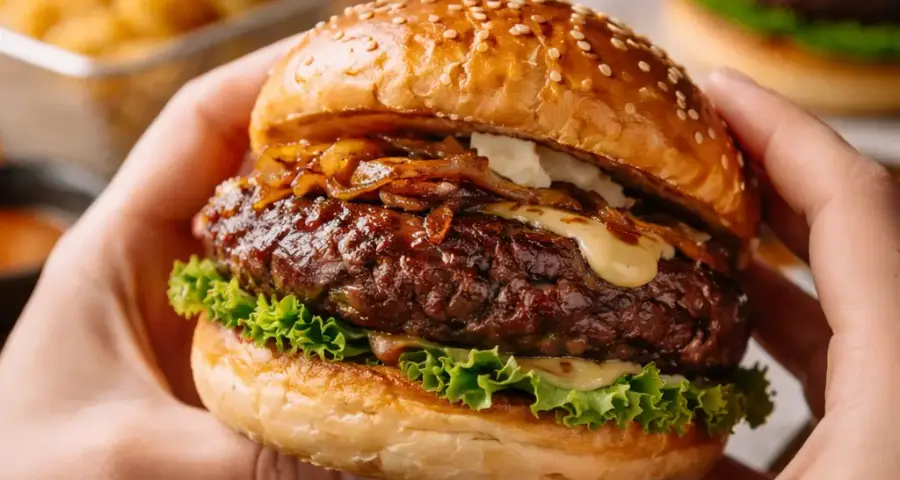
As a Digital Nomad born and raised in Mindanao, I’ve traveled the archipelago tasting everything from Cebu lechon to Ilocos empanada. But this particular moment felt different. This wasn’t just another burger. This was a Japanese hamburg steak, and it was about to flip Manila’s food scene on its head.
The Rise of Hikiniku To Come and Manila’s Wagyu Burger Craze isn’t just about a menu item. It’s about how a culture of high-quality, ingredient-focused cooking found a new home in the Philippines. It’s about why diners in Taguig are lining up for a patty served over rice, with an egg on top, instead of between two buns. For a related guide, see Hikiniku To Come vs Greenlight Burgers: Which Burger Spot Wins?.
Why Is Hikiniku To Come Becoming So Popular in Manila?
Manila has always loved a good food trend. We’ve seen the milk tea boom, the sudden proliferation of artisanal coffee, and the rise of Korean barbecue. But Hikiniku To Come hit differently. It entered the scene not with a loud marketing blitz, but with a simple, honest promise: handheld perfection meets Japanese craftsmanship.
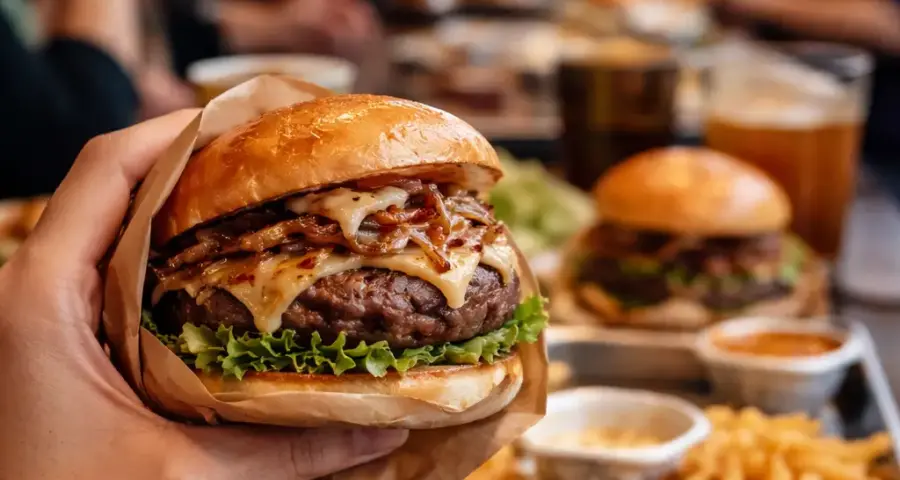
Hikiniku To Come is a Japanese chain that specializes in Japanese hamburg steaks Manila has grown obsessed with. The name itself tells you everything: “Hikiniku” means minced meat, and “To Come” invites you to experience it fresh. The Uptown Mall branch in BGC quickly became the epicenter of this movement. Diners were drawn to the open kitchen where they could watch chefs shape each patty by hand, season it minimally, and grill it over real binchotan charcoal—a white-hot charcoal that burns at extreme temperatures without imparting any smoky taste.
The result? A crusty, caramelized exterior and a juicy, nearly medium-rare center. It’s the kind of beef experience that demands attention.
The Role of Binchotan Charcoal in Japanese Grilling
Binchotan is not your typical charcoal. Originating from Wakayama Prefecture in Japan, it reaches temperatures above 1,000°C and radiates intense, even heat. At Hikiniku To Come, this charcoal is the backbone of every patty. The high heat locks in the beef’s natural juices while creating a beautiful charred crust. This technique alone sets it apart from standard griddled burgers found in most Manila diners.
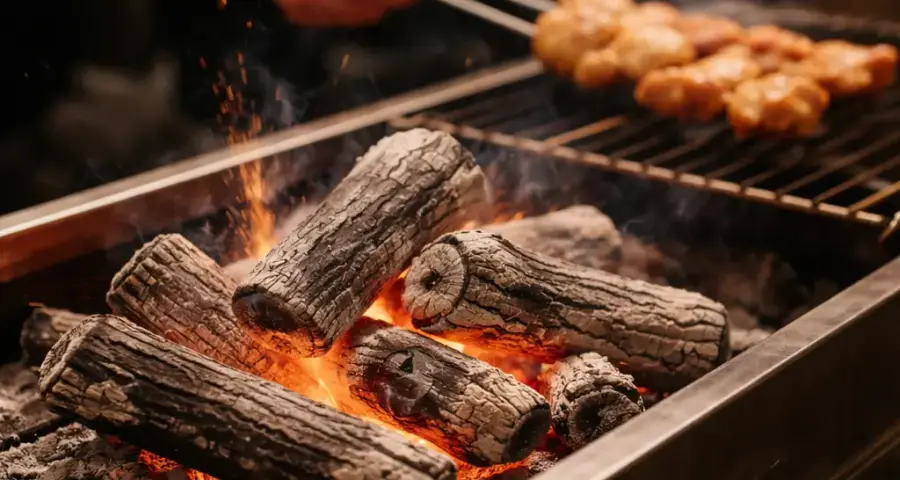
Using binchotan is an age-old Japanese cooking tradition that elevates simple ingredients. For the wagyu lover, this means every bite carries a subtle crispiness layered over a buttery, melt-in-your-mouth interior.
What Started Manila’s Wagyu Burger Craze?
To understand the craze, you have to look at how Manila’s burger culture evolved. For years, the city was dominated by American-style smash burgers—thin, crispy-edged patties from spots like Sweet Ecstasy or 8 Cuts. Then came the premium burger wave, led by concepts like Greenlight Burgers by Alvin Cailan, which introduced double-stacked wagyu patties with house-made sauces.
The Manila wagyu burger craze didn’t happen overnight. It was a slow build—fueled by social media, food vloggers, and a growing appreciation for Japanese ingredients. Wagyu, once considered an unaffordable luxury, became more accessible as restaurants began offering it in burger form. A wagyu burger became the ultimate comfort food: indulgent yet familiar, high-quality but not intimidating. For a related guide, see Katsudonya Saiko and Its Crispy Japanese Katsu Craze.
Hikiniku To Come crystallized this trend by offering wagyu that wasn’t hidden between buns, but presented as the star of the show. The format—rice, a raw egg, and condiments—felt fresh and exciting. It also felt utterly Japanese.
The Influence of Japanese Comfort Food in Metro Manila
Japanese food has long enjoyed a special place in Filipino hearts. From ramen and katsu to sushi and sashimi, we’ve embraced Japanese flavors with enthusiasm. The Japanese-style hamburg steak fits perfectly into this narrative. It’s not a burger in the Western sense—it’s a patty that stands alone, seasoned with soy or miso, and paired with rice. This format feels both nostalgic and novel.
Manila diners are increasingly seeking out wagyu burgers Metro Manila has to offer, and they’re willing to queue for it. Hikiniku To Come’s success reflects a city that values quality ingredients and authentic preparation methods over fast convenience.
What Makes Hikiniku To Come Different from Other Burger Restaurants?
The first thing you notice upon entering Hikiniku To Come is the open grill station. There are no freezers here—every patty is formed to order. That’s a massive departure from typical burger chains where patties arrive frozen and pre-shaped.
Every patty is made from 100% wagyu beef, ground in-house and seasoned with a proprietary blend of salt and pepper. No extenders. No breadcrumbs. Just pure, high-quality beef. The patties are then grilled over binchotan until they develop a thin, crispy crust while remaining tender and pink inside.
Another key difference is the serving style. Instead of a bun, you get a bowl of premium Japanese rice. Your patty is placed directly on the rice, topped with a raw egg yolk, and surrounded by pickled vegetables, wasabi, and soy-based dipping sauces. The idea is to mix everything together, creating a rich, savory bowl that feels more like a hearty meal than a sandwich.
This approach aligns with the growing demand for premium comfort food Manila diners crave—food that feels elevated but not pretentious.
Theatrical Preparation and Sensory Dining
Hikiniku To Come offers more than just a meal; it offers a performance. Watching a chef smash a ball of wagyu onto a flat iron grill, then flip it with a spatula as flames lick the patty, is pure theater. The sizzle, the aroma, the golden crust forming—it’s a sensory experience that makes the food taste even better. This theatrical presentation is part of the brand’s charm and a big reason why it went viral on TikTok and Instagram.
Why Are Diners Obsessed with Japanese-Style Hamburg Steaks?
Japanese hamburg steaks occupy a unique space in the culinary world. They’re not burgers, but they’re not meatloaf either. They’re a distinct category—ground beef patties seasoned with panko, onions, and spices, then grilled or pan-seared. The result is a tender, flavorful patty that pairs beautifully with sauces like demi-glace or ponzu.
In Manila, this obsession has grown because of the sheer quality of the beef being used. Wagyu adds a level of richness that standard beef simply cannot match. The marbling melts as the patty cooks, resulting in a juiciness that feels almost decadent.
Additionally, the interactive nature of the meal—breaking the egg yolk, mixing the rice, dipping the patty in sauce—makes the dining experience feel personal and engaging. It’s comfort food that demands your full attention.
The Unique Texture of Japanese Hamburg Steaks
Unlike smash burgers that prioritize thin, crispy edges, Japanese hamburg steaks are thicker and more tender. They’re formed loosely so that the final texture is almost like a soft meatloaf. At Hikiniku To Come, the texture is enhanced by the wagyu’s natural fat content, which keeps the patty moist and luscious.
This texture is a big reason why diners return. It’s satisfying but not heavy—a perfect balance for a rice-based meal.
Is Hikiniku To Come Worth Visiting for Wagyu Lovers?
Absolutely. If you consider yourself a wagyu devotee, Hikiniku To Come should be on your shortlist. The restaurant uses wagyu from Japan, ensuring that each patty has the marbling and flavor profile you’d expect from premium beef. The price point, while higher than a typical fast-food burger, is reasonable for the quality. You’re paying for the meat, the technique, and the experience.
The restaurant also offers a wagyu-heavy menu that includes the signature hamburg steak with raw egg, as well as variations topped with cheese, truffle, or kimchi. Each option highlights the beef rather than masking it.
For wagyu purists, the plain wagyu hamburg steak with rice is the ultimate test. If the patty itself can stand alone without heavy sauces or condiments, you know the meat is top-notch.
What Are the Must-Try Menu Items at Hikiniku To Come?
Hikiniku To Come Uptown Mall has a menu that’s focused but thoughtfully curated. The star of the show is the Wagyu Hamburg Steak, served on rice with a raw egg yolk. But there are several other items worth ordering:
- Signature Wagyu Hamburg Steak – The original. A 150g wagyu patty grilled over binchotan, served on warm rice with a raw egg, pickled daikon, wasabi, and soy sauce.
- Cheese Wagyu Hamburg Steak – Topped with melted cheese that adds a creamy richness to the savory beef.
- Truffle Wagyu Hamburg Steak – Finished with truffle oil for an earthy, aromatic flavor that elevates the entire dish.
- Kimchi Wagyu Hamburg Steak – A spicy-sour twist that cuts through the fatty richness of the wagyu.
- Unlimited Rice and Miso Soup – Every meal comes with free-flow rice and miso soup, making it an incredible value for the quality.
Each dish is designed to be enjoyed as a complete bowl. The condiments—wasabi, soy sauce, pickles—are meant to be mixed in with the rice and egg, creating a cohesive flavor profile.
How Does Hikiniku To Come Elevate the Burger Dining Experience?
The phrase “burger dining” often implies a quick, handheld meal. Hikiniku To Come subverts that expectation entirely. Here, you sit at a counter, watch the cooking process, and use chopsticks to eat your meal. The presentation is beautiful—each bowl arrives artfully arranged, with the patty glistening under the restaurant’s warm lighting.
The unlimited rice and miso soup encourage a leisurely pace. You’re not rushing; you’re savoring. The staff also encourage you to try the patty with different condiments, guiding you through the flavor possibilities.
This elevated experience is what transforms a simple patty into a memorable meal. It’s the kind of dining that creates loyal regulars—people who return not just for the food but for the ritual.
Why Are Wagyu Burgers Trending in Metro Manila?
Several factors explain the trending status of wagyu burgers in Metro Manila. First, the ingredient itself—wagyu—carries a prestige that appeals to diners seeking something special. It’s associated with luxury, quality, and Japan’s culinary heritage. Second, the burger format makes wagyu accessible and shareable. It’s not a full steak; it’s a patty you can photograph, post, and enjoy with friends.
Third, restaurants like Hikiniku To Come and Greenlight Burgers have successfully marketed wagyu burgers as the next big thing in comfort food. Food bloggers and vloggers have amplified this trend, sharing videos of patties being smashed, grilled, and served. The visual appeal of wagyu—the marbling, the sizzle, the glistening crust—drives engagement online, which fuels real-world demand.
The trend also aligns with a broader shift toward high-quality, ingredient-focused dining. Metro Manila diners are more educated and discerning than ever. They want to know where the beef comes from, how it was raised, and how it was cooked. Wagyu burgers satisfy this curiosity while delivering a deliciously satisfying meal.
What Makes Japanese Hamburg Steaks Unique from Traditional Burgers?
The differences go beyond the bun. Traditional burgers are defined by their handheld construction—patty, cheese, lettuce, tomato, and sauce all stacked between a bun. Japanese hamburg steaks, on the other hand, are patty-forward. They’re meant to be eaten with chopsticks, paired with rice, and complemented by sauces like ponzu or demi-glace.
The cooking technique also differs. While many traditional burgers are griddled, Japanese hamburg steaks are often grilled over binchotan or cooked slowly in a pan. The texture is softer, the flavors more subtle.
Another difference is the role of fat. Traditional burger patties typically use a blend of chuck and brisket, with a fat content around 20%. Japanese hamburg steaks, especially those made with wagyu, can have a fat content of 30% or higher. This richness fundamentally changes the eating experience—it’s more luxurious, more decadent.
Is Hikiniku To Come Better Than Classic Smash Burger Spots?
“Better” depends on what you’re looking for. If you want a classic, handheld burger with crispy edges and a soft bun, a smash burger spot like Sweet Ecstasy or 8 Cuts might be your preference. But if you want a Japanese-inspired dining experience that emphasizes ingredient quality and interactive eating, Hikiniku To Come is the clear winner.
The comparison isn’t entirely fair because the two styles serve different purposes. Smash burgers are about texture and portability. Hikiniku To Come is about indulgence and theater. However, for sheer quality of beef and cooking technique, Hikiniku To Come stands out. The binchotan grilling alone puts it in a different league.
Many foodies recommend trying both—but Hikiniku To Come offers something you can’t replicate at home, while a smash burger can be approximated in a kitchen with a cast iron pan and a spatula.
Why Do Manila Foodies Recommend Hikiniku To Come?
Ask any Manila food blogger about their go-to spots in BGC, and Hikiniku To Come will almost certainly be mentioned. The reasons are consistent: the quality of the wagyu, the novelty of the serving style, and the overall dining experience.
The restaurant also offers good value. For around PHP 450 to PHP 600, you get a substantial bowl of rice topped with a premium wagyu patty, unlimited refills, and miso soup. That’s competitive pricing for wagyu in Metro Manila, especially considering the setting and service.
Foodies also appreciate the restaurant’s consistency. Whether you visit on a weekday lunch or a weekend dinner, the quality remains high. The patties are always fresh, the charcoal always hot, and the service always welcoming.
What Are the Customer Favorites at Hikiniku To Come?
While the plain wagyu hamburg steak is the signature item, several other dishes have developed cult followings. The cheese wagyu hamburg steak is a favorite among diners who want a richer, creamier flavor. The truffle version appeals to those seeking a more sophisticated taste.
Another customer favorite is the set that includes both the wagyu hamburg steak and a side of fries—though purists argue that fries distract from the rice-and-egg experience. Still, it’s a popular option for those who want to customize their meal.
Also notable is the restaurant’s dessert menu, which includes a simple matcha ice cream that provides a refreshing finish after the rich beef.
Does Hikiniku To Come Use Authentic Japanese Cooking Techniques?
Yes. The restaurant adheres to traditional Japanese methods for making hamburg steaks. The meat is ground in-house using a coarse grind, which preserves the texture and prevents the patty from becoming pasty. The seasoning is minimal—salt and pepper—allowing the beef’s natural flavor to shine.
The use of binchotan charcoal is also authentic. This specific type of charcoal is prized in Japan for its high heat output and clean burn. It’s the same charcoal used in high-end yakitori restaurants. Hikiniku To Come sources its binchotan from Japan, ensuring that the grilling technique matches the original Japanese concept.
The on-the-rice serving style is also a direct transplant from Japan, where hamburg steaks are often served as a set meal called “hamburg teishoku.” The addition of raw egg, pickles, and miso soup completes the authentic Japanese meal experience.
What Role Does Wagyu Play in Manila’s Modern Food Scene?
Wagyu has become a status symbol in Manila’s dining world. It’s no longer reserved for high-end steakhouses charging PHP 5,000 per portion. Wagyu has democratized—appearing in burgers, tacos, and even dumplings. This shift reflects a broader desire for premium ingredients at accessible price points.
Hikiniku To Come has been a key player in this democratization. By offering wagyu in a comfort-food format, it has introduced the ingredient to diners who might otherwise shy away from a full wagyu steak. The result is a win-win: diners get to experience wagyu’s unrivaled flavor, and restaurants build loyalty by offering something special.
The presence of wagyu on menus across Taguig and BGC also signals the maturation of Manila’s culinary scene. It shows that local diners are willing to pay for quality and that restaurants are rising to meet that demand.
Why Is the Japanese Hamburg Concept Becoming a Dining Trend in Manila?
The trend toward Japanese hamburg steaks can be traced back to several overlapping factors. First, the Filipino palate has always been compatible with Japanese flavors—soy sauce, rice, raw egg, and savory beef are familiar taste profiles. Second, the concept offers a departure from the standard pizza or pasta meal that dominates many restaurant menus.
Third, the format is inherently photogenic. A glossy, charred patty sitting on a bed of white rice, topped with a golden egg yolk, is social media gold. When viral videos show the egg yolk breaking and coating the rice, it creates a visual craving that drives foot traffic to the restaurant.
Finally, the Japanese hamburg concept fits the current demand for hearty, satisfying meals that don’t compromise on quality. It’s comfort food, but elevated. It’s familiar, but new. That combination is irresistible to Manila’s foodie community.
Useful Resources
For more details about Japanese cooking techniques and wagyu sourcing, you can explore these resources:
- Japan Travel Guide: Binchotan Charcoal and Yakitori Tradition – Learn about the history and benefits of binchotan charcoal used in Japanese grilling.
- Wagyu Australia: What Makes Wagyu Special – Understand the marbling, grading, and flavor profile of wagyu beef.
Frequently Asked Questions About The Rise of Hikiniku To Come and Manila’s Wagyu Burger Craze
What is Hikiniku To Come known for?
Hikiniku To Come is known for its Japanese-style wagyu hamburg steak grilled over binchotan charcoal, served over rice with a raw egg, pickles, and unlimited miso soup.
Where is Hikiniku To Come located in Manila?
Its flagship branch in Metro Manila is located at Uptown Mall in Bonifacio Global City (BGC), Taguig.
Is the wagyu at Hikiniku To Come authentic Japanese wagyu?
Yes, Hikiniku To Come uses authentic Japanese wagyu that is ground in-house to ensure high quality and freshness.
What makes binchotan charcoal special for grilling?
Binchotan charcoal burns at extremely high temperatures with minimal smoke, giving the meat a perfect charred crust while locking in moisture and flavor.
How much does a meal at Hikiniku To Come cost?
A standard wagyu hamburg steak bowl ranges from PHP 450 to PHP 600, with unlimited rice and miso soup included.
Is Hikiniku To Come suitable for wagyu beginners?
Absolutely. The format is approachable and familiar, making it a great introduction to wagyu beef for first-timers.
What should I order on my first visit?
Start with the Signature Wagyu Hamburg Steak with a raw egg, which best showcases the quality of the beef and the binchotan grilling technique.
Does Hikiniku To Come accept reservations?
The restaurant operates on a first-come, first-served basis. Expect to queue during peak hours, especially on weekends.
Can I customize my hamburg steak toppings?
Yes, you can add cheese, truffle oil, or kimchi to your patty for an additional charge.
Is the rice unlimited at Hikiniku To Come ?
Yes, every meal comes with unlimited Japanese rice and bottomless miso soup.
How does Hikiniku To Come compare to other Japanese steak houses?
It focuses on the hamburg steak format rather than steak cuts, making it more affordable and casual while maintaining high-quality beef and charcoal grilling.
Is there a vegetarian option at Hikiniku To Come ?
The restaurant primarily focuses on beef dishes. Vegetarian options are limited, but the unlimited rice and miso soup provide some flexibility.
What is the best time to visit Hikiniku To Come ?
Weekday lunch or early dinner (before 6 PM) tends to have shorter queues. Avoid weekend peak hours if you dislike waiting.
Does Hikiniku To Come offer delivery?
Currently, the restaurant does not offer delivery; the experience is designed to be enjoyed fresh and in-person.
Are there other branches of Hikiniku To Come in Manila?
As of now, the only branch in Metro Manila is at Uptown Mall in BGC, Taguig.
Is Hikiniku To Come kid-friendly?
Yes, the rice-based meal is generally appealing to children, and the raw egg can be omitted upon request.
What is the dining atmosphere like?
The restaurant features an open kitchen with counter seating, allowing guests to watch the grilling process. The ambiance is casual and lively.
Do they serve alcohol at Hikiniku To Come ?
The menu is limited to non-alcoholic beverages. However, nearby restaurants in Uptown Mall offer a wide selection of drinks.
How did Hikiniku To Come influence Manila’s burger trend?
It popularized the concept of wagyu hamburg steaks in a rice bowl format, sparking a wave of Japanese-inspired burger spots across the city.
Will Hikiniku To Come expand to other parts of the Philippines?
There has been no official announcement, but given its popularity, expansion to other major cities like Cebu or Davao seems likely in the future.

Jin Grey is a Filipino Senior SEO Consultant and AI-First SEO Strategist who helps international brands grow through modern search strategies. She specializes in technical SEO, semantic keyword research, and AI-ready content creation. She is also the owner of JinGrey.com.
As a digital nomad, she loves exploring the world and trying different cuisines during her free time.