
Korea Trip Planning Key Takeaways
I’m Jin Grey, and like many first-timers, I spent weeks researching every detail of my upcoming trip.
- Korea trip planning starts 4 to 6 months ahead — earlier for peak seasons like cherry blossom and autumn foliage.
- K-ETA and visa requirements changed for 2026; knowing what to book before a Korea trip can save you from denied boarding.
- Flights, top attractions, and popular hotels fill up fast; advance booking is the difference between a stress-free holiday and a scramble.
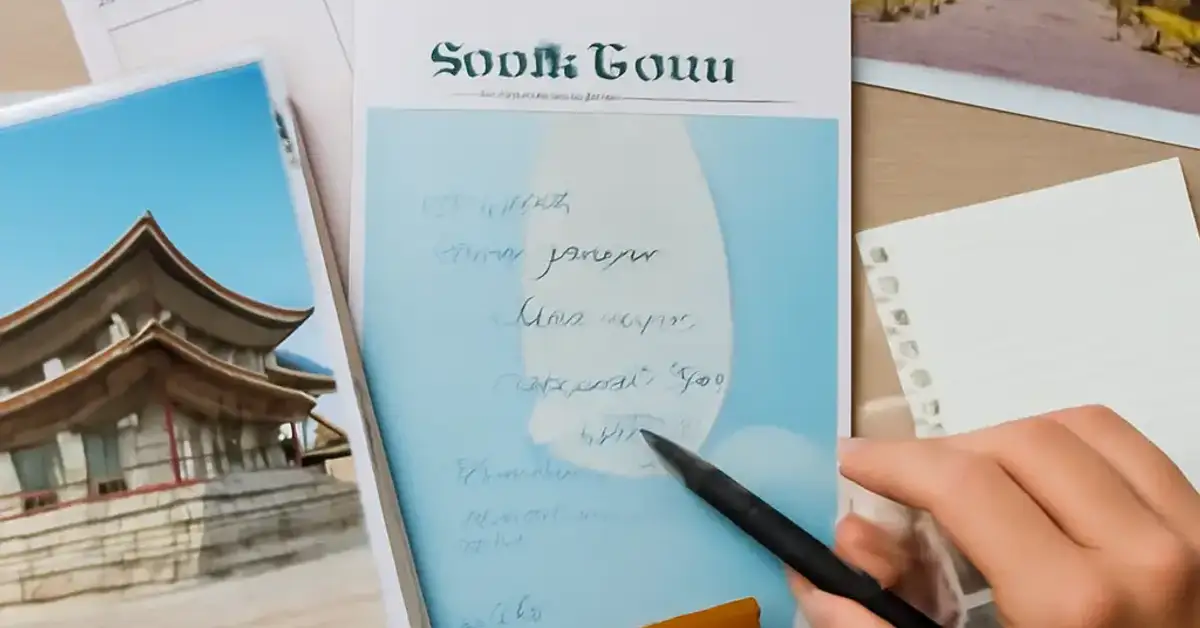
Why Smart Korea Trip Planning Begins Long Before You Fly
I’m Jin Grey, a digital nomad based in Singapore who loves testing travel strategies before I even step on a plane. Being born and raised in Mindanao taught me that preparation is everything — especially when you’re about to visit a country for the first time. South Korea is incredibly accessible, but its popularity means that slots for K-ETA approvals, guided palace tours, and even train seat reservations disappear fast. Without a solid pre-trip Korea booking guide, you risk spending your holiday in queues instead of enjoying kimchi jjigae in a cozy Bukchon cafe. For a related guide, see 8 Smart Tips for Saving Money on Your Next Flight.
This guide is my personal booking playbook. I’ll walk through the ten essential steps, from documents to deals, so your trip feels planned by a local — even if you’ve never been to Asia before.
10 Essential Korea Booking Tips Before You Go (2026 Edition)
Tip 1 — Master the Korea Booking Timeline Guide
The biggest mistake I see in forums is people trying to book everything two weeks before departure. Korea booking timeline guide best practices suggest starting 6 months out for peak travel (April cherry blossom, October autumn foliage) and 3 to 4 months for shoulder seasons. For 2026, I recommend breaking your timeline into four phases: initial research (6 months ahead), document application and flight booking (4 to 5 months ahead), accommodation and attraction reservations (2 to 3 months ahead), and final confirmations plus packing (2 to 4 weeks ahead). This phased plan prevents overwhelm and spreads out costs. For a related guide, see Book Smart, Travel Better: 10 Singapore Tips You’ll Wish You Knew Sooner.
Practical takeaway: Mark your calendar today with “Check K-ETA status” and “Compare Seoul Busan Jeju booking planning” reminders spaced across these intervals.
Tip 2 — Get Your Documents Right (K-ETA and Visa)
Nothing derails a trip faster than a rejected travel authorisation. For 2026, K-ETA booking requirements still apply to visa-free nationals, but the system now requires a more detailed application. You’ll need a passport valid for at least 6 months beyond your stay, a recent digital photo, and a valid credit card for the fee (around 10,000 KRW). Approval typically takes 72 hours, but during peak season it can stretch to a week. If your passport requires a visa — check the Korean embassy website for your country — start that process 8 to 12 weeks ahead. Korea visa and booking tips always emphasises: never book non-refundable flights or hotels until you have a confirmed K-ETA or visa.
Practical takeaway: Apply for K-ETA at least 3 weeks before your trip. Save the approval PDF on your phone and print two paper copies.
Tip 3 — Lock In Your Korea Flight Booking Timeline Early
Flights to Incheon, Gimhae, and Jeju fluctuate wildly. My research shows that the ideal Korea flight booking timeline is 4 to 5 months ahead for international routes — especially from Singapore, Manila, and other Southeast Asia hubs. For domestic connections within Korea (like Seoul to Jeju), book 2 to 3 months out because those routes are among the busiest in the world. I always use fare alerts on Google Flights or Skyscanner, but once I see a price within my budget for 3 consecutive days, I lock it in. Last-minute deals rarely exist for popular Korea routes.
Practical takeaway: Set price alerts for your preferred airports, and aim to purchase international tickets between 130 and 150 days before departure.
Tip 4 — Choose Your Accommodation Strategy (Hotel vs Hanok vs Guesthouse)
Korea hotel booking before arrival is straightforward once you decide your style. Seoul’s Hongdae area buzzes with budget guesthouses and hostels, while Myeongdong offers mid-range chains right next to shopping streets. For a cultural stay, book a hanok in Bukchon at least 3 months ahead — there are only a few hundred authentic hanok rooms. In Busan, I recommend staying near Haeundae Beach for ocean views, and on Jeju, choose a pension or resort near Seogwipo City for easier access to waterfalls and Olle trails. Always check cancellation policies: flexible rates cost slightly more but protect you if your itinerary changes.
Practical takeaway: Use booking sites that allow free cancellation up to 24 hours before check-in, and filter for “no pre-payment required” options if you’re still waiting on visa approval.
Tip 5 — Pre-Book Attractions and Experiences
I made the mistake of thinking I could just show up at Gyeongbokgung Palace or N Seoul Tower. In 2026, timed entry slots are mandatory for major attractions. Korea attraction pre-booking guide advice: reserve popular spots like Lotte World, Everland, and the DMZ tour at least 2 to 3 months in advance. For cultural experiences — like a Korean cooking class or a private hanbok rental — book 4 to 6 weeks ahead. For festivals, such as the Jinhae Cherry Blossom Festival, accommodation and festival entry should be locked in as soon as dates are announced (typically December for spring events).
Practical takeaway: Create a list of your must-visit places and check their official websites for pre-booking links. Add each reservation date to your calendar.
Tip 6 — Plan Your Itinerary Booking Sequence Strategically
Your Korea itinerary booking strategy should mirror your travel route. Fly into Seoul, spend 3 to 4 days exploring palaces and street food, then take the KTX train to Busan (book train tickets 1 month ahead via the Korail app). From Busan, fly to Jeju for 2 to 3 days of nature and relaxation. Domestic flights within Korea are cheap but limited; book them alongside your international ticket. If you’re visiting during Korea cherry blossom autumn foliage booking timing, align your itinerary so you’re in Jinhwa or Yeouido at peak bloom — usually the first to second week of April for Seoul, and late April for Busan. Autumn foliage peaks in mid-October in Seoraksan National Park.
Practical takeaway: Use a spreadsheet or a travel planning app to map out day-by-day activities, then book transport and attractions in the order you’ll need them.
Tip 7 — Know the Peak Season Booking Preparation Differences
Korea peak season booking preparation requires a different mindset. Spring (March–May) and autumn (September–November) see the highest influx of tourists. During these windows, even mid-range hotels in popular districts sell out 2 to 3 months ahead. I recommend treating these months like a major global event — think of it as the Korean equivalent of a Taylor Swift concert tour. Book everything refundable first, then slowly upgrade to non-refundable deals as you confirm each piece of your trip. Winter (December–February) is quieter except for ski resorts like Yongpyong, which require slope passes and accommodation booked at least 4 months in advance for the New Year period.
Practical takeaway: If you’re aiming for cherry blossom or autumn foliage, start your search 8 months before and be ready to pay deposits as soon as booking windows open.
Tip 8 — Compare Korea Early Bird Booking Deals vs Last-Minute Options
I love a good discount, and Korea early bird booking deals are often the best value. Airlines like Korean Air and Asiana release promotional fares about 6 months ahead for new routes. Hotel chains such as Lotte Hotel and Shilla Stay frequently offer prepaid rates that are 20–30% cheaper than flexible rates. However, Korea last-minute versus advance booking analysis shows that for low-season travel (mid-January, early March), last-minute hotel deals on platforms like Agoda or Booking.com can be cheaper than advance rates. The trick is knowing your season: advance for peak, last-minute for off-peak. For attractions and KTX tickets, always book early regardless of season — prices rarely drop.
Practical takeaway: Sign up for airline newsletters and set deal alerts on travel apps. For hotels, compare the prepaid rate with the flexible rate to see how much you truly save.
Tip 9 — Avoid These Korea Travel Booking Mistakes to Avoid Before Departure
After reading horror stories (and almost falling into a few traps myself), I compiled the most common Korea travel booking mistakes to avoid before departure. The list includes: booking a KTX ticket before securing your K-ETA; assuming all Korean hotels have English-speaking staff (many don’t, but apps like Papago help); forgetting that Jeju requires a separate flight or ferry from the mainland; reserving a hanok without reading the no-shoes policy; and ignoring the Korean age system for festival tickets (some events still use Korean age for discounts). Another big one: skipping travel insurance that covers medical evacuation — Korea’s healthcare is excellent but can be expensive without it.
Practical takeaway: Create a “mistakes to avoid” checklist and review it one week before your departure date. Cross off each item as you complete the booking.
Tip 10 — Use a Korea Trip Planning Essentials Pre-Departure Checklist
Korea trip planning essentials go beyond what you book — they include what you prepare. I recommend a physical checklist pinned to your wall (or a digital one in Notion). Must-haves: K-ETA approval confirmation (digital and paper copy), passport with 6+ months validity, a reusable T-money card (buy at any convenience store), a small amount of Korean won for taxi rides, a universal travel adapter (Korean outlets are type C and F), and a data SIM or eSIM purchased online before you leave. For digital nomads like me, also download offline maps and translation apps. Finally, notify your bank of your travel dates to avoid card blocks.
Practical takeaway: Print the checklist below and tick it off 48 hours before your flight:
| Item | Status |
|---|---|
| K-ETA or visa approval (printed + digital) | ☐ |
| Flight tickets (international + domestic) | ☐ |
| Hotel booking confirmations | ☐ |
| Attraction / tour pre-booking confirmations | ☐ |
| Travel insurance (medical + cancellation) | ☐ |
| T-money card + top-up | ☐ |
| Data SIM / eSIM (purchased and activated) | ☐ |
| Power bank + universal adapter | ☐ |
| Bank travel notification | ☐ |
| Offline maps (Maps.Me or Naver) | ☐ |
Useful Resources
These two official sources will keep your booking timeline accurate and your documents straight:
- K-ETA Official Portal — The only site to apply or check your travel authorisation. Avoid third-party agencies that charge extra fees.
- Visit Korea Official Tourism Site — Updated seasonal calendars, festival dates, and attraction booking links for 2026.
I’m Jin Grey, and after all this research, I’m finally ready to book my own Korea adventure. Korea trip planning doesn’t have to feel overwhelming — it just takes the right sequence, a bit of patience, and a willingness to secure key items early. Whether you’re a first-time Asia traveller, a remote worker like me, or a family planning a multi-generational holiday, these ten tips give you the confidence to click that “book now” button without second-guessing. Happy planning — and I’ll see you at the Korean BBQ spot in Myeongdong!
Frequently Asked Questions About Korea trip planning
How early should I start Korea trip planning ?
Start 4 to 6 months before your departure. For peak seasons like cherry blossom or autumn foliage, begin 8 months ahead to secure accommodation and attraction slots.
What is the first thing I should book for a Korea trip?
Apply for K-ETA or visa immediately. Without approved documents, you risk losing money on non-refundable flights and hotels. Do this first, then book international flights.
Can I book a hotel before my visa is approved?
Yes, but use a refundable rate or a platform that allows free cancellation. Many travellers pay extra for flexibility until documents are confirmed.
When is the best time to buy flights to Korea in 2026?
Book international flights 4 to 5 months ahead for the best prices. Domestic flights within Korea should be booked 2 to 3 months ahead. Use fare alerts to track price drops.
Do I need to pre-book KTX trains?
Yes, especially during peak season. Book KTX tickets at least 1 month ahead through the Korail app or website. Seats for popular routes like Seoul to Busan can sell out days in advance.
What attractions should I pre-book in Seoul?
Pre-book Gyeongbokgung Palace guided tours, N Seoul Tower observation deck tickets, and Lotte World or Everland entry. All require timed slots in 2026.
How do I book a hanok stay in Bukchon?
Use platforms like Airbnb, Hanokstay, or Booking.com with the “hanok” filter. Book 3 months ahead because supply is limited. Read the house rules carefully as many require no shoes and quiet after 9 PM.
What documents do I need for K-ETA in 2026?
A passport valid for at least 6 months beyond your stay, a recent digital passport photo, and a credit card for the fee. Some nationalities now require additional information like travel history.
Can I apply for K-ETA at the airport?
No. K-ETA must be approved before your flight. Airlines will check it at check-in. Apply at least 3 weeks before departure to allow for processing delays.
Is Korea expensive for first-time travellers?
Accommodation and dining are comparable to Singapore or Manila’s upscale areas. Public transport and street food are affordable. Advance booking helps lock in lower rates for hotels and flights.
How do I plan a Seoul Busan Jeju trip?
Start in Seoul for 3–4 days, take KTX to Busan for 2–3 days, then fly to Jeju for 2–3 days. Book domestic flights between Busan and Jeju 2 months ahead. Use a spreadsheet to align your itinerary sequence.
What should I pack for a Korea trip in spring?
Layers! Spring temperatures vary from 5°C to 20°C. Bring a jacket, comfortable walking shoes, a reusable water bottle, a T-money card, and a power bank. For cherry blossom season, pack a light raincoat.
Do I need travel insurance for Korea?
Yes. While Korea has excellent healthcare, medical costs for tourists can be high. Travel insurance covering medical evacuation, trip cancellation, and lost baggage is strongly recommended.
Can I book Jeju Island tours in advance?
Absolutely. Book rental cars (with international driving permit) or guided tours at least 2 months ahead. Attractions like Seongsan Ilchulbong and Manjang Cave require entry tickets booked online.
How do I avoid booking scams for Korea?
Use official websites for K-ETA and attraction tickets. For hotels, stick to reputable platforms like Booking.com or Agoda. Avoid wire transfers or sellers who demand full payment upfront outside the platform.
What is the best time to visit Korea for cherry blossoms?
Late March to early April in Seoul and Jinhwa. Jeju’s cherry blossoms bloom slightly earlier — mid to late March. Book accommodation at least 5 months ahead for these dates.
What is the best time for autumn foliage?
Mid-October to early November. Seoraksan National Park peaks mid-October, while Naejangsan and Seoul’s Namsan Park peak in late October. Plan your itinerary around these windows.
How can I save money on Korea bookings?
Book early bird deals for flights and hotels. Use T-money for public transport discounts. Eat at local markets instead of tourist zones. For attractions, bundle tickets (e.g., Seoul City Pass) for savings.
Do I need to book SIM or eSIM in advance?
Yes. Pre-order an eSIM online before your trip for instant activation upon arrival. Physical SIM cards are available at Incheon arrivals, but buying online often gets you better data packages.
What if my itinerary changes after I book?
Choose flexible or refundable booking options for hotels and attraction tickets where possible. KTX tickets can be cancelled with a small fee. For flights, buy a travel insurance that covers changes or cancellation.

Jin Grey is a Filipino Senior SEO Consultant and AI-First SEO Strategist who helps international brands grow through modern search strategies. She specializes in technical SEO, semantic keyword research, and AI-ready content creation. She is also the owner of JinGrey.com.
As a digital nomad, she loves exploring the world and trying different cuisines during her free time.