
Pampanga Ensaymada Key Takeaways
Pampanga Ensaymada is more than just bread — it is a buttery, soft, cheese-topped pastry that defines Kapampangan baking heritage.
- Pampanga Ensaymada blends rich butter, fluffy dough, and salty cheese for a perfect sweet-savory balance.
- Pampanga is considered the culinary capital of the Philippines, and its ensaymada stands out for premium ingredients and traditional techniques.
- This pastry is a staple for breakfast, merienda, and special occasions, making it a must-try for any food traveler.
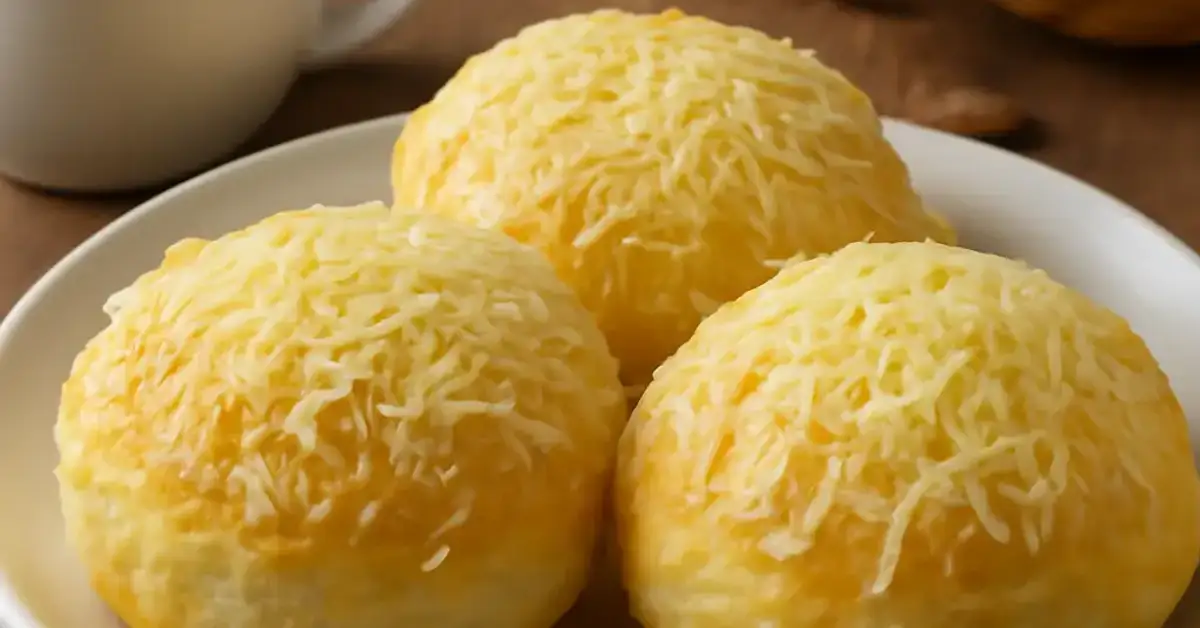
What Readers Should Know About Pampanga Ensaymada
Growing up in Mindanao, I thought I knew Pampanga Ensaymada from the commercial packs sold in grocery stores. It wasn’t until I traveled north and bit into a freshly baked piece from a small bakery in Angeles City that I understood what the hype was about. The bread was so soft it barely held its shape, the butter glistened on top, and the grated cheese added a salty punch that balanced the sweetness. I was hooked. You can also browse more posts in pampanga.
Pampanga is known as the culinary capital of the Philippines for good reason. Kapampangan cooks take pride in their craft, and their ensaymada reflects that dedication. Unlike the mass-produced versions found elsewhere, authentic Pampanga Ensaymada uses high-quality butter, fresh eggs, and just the right amount of sugar. The result is a pastry that feels light yet indulgent, perfect for any time of day.
What Does Pampanga Ensaymada Taste Like?
The first thing you notice is the aroma — warm butter and toasted cheese fill the air as you unwrap the bread. The texture is incredibly soft, almost like a brioche, with a slight pull when you tear it apart. The butter seeps into every crevice, making each bite rich and moist. The cheese topping, usually Edam or a local quick-melt variety, adds a salty contrast that prevents the pastry from being overly sweet. Some bakeries also sprinkle sugar on top, giving it a light crunch. It is a comforting, familiar taste that feels both nostalgic and luxurious.
How Soft Is Authentic Ensaymada?
Authentic Pampanga Ensaymada is incredibly fluffy. The dough is enriched with butter and eggs, then kneaded until it develops a smooth, elastic texture. After proofing, it bakes into a pillow-soft bread that practically melts when you bite into it. If the ensaymada feels dense or dry, it is likely not made the traditional Kapampangan way.
What Toppings Are Added to Ensaymada?
Classic Pampanga Ensaymada is topped with grated cheese and butter. Some bakeries add a sprinkling of white sugar for extra sweetness. Modern variations include salted egg, ube, or even ham and cheese, but the traditional version remains the favorite among purists.
Why Is Ensaymada Famous in Pampanga?
Pampanga Ensaymada became famous because Kapampangans treat baking as an art form. The province has a long history of culinary excellence, influenced by Spanish colonialism and local innovation. Bakers in Pampanga perfected the ensaymada by using higher fat content, better butter, and a slower fermentation process. Word spread among travelers and foodies, and soon, Pampanga became the go-to destination for this Filipino sweet bread pastry.
The pastry also benefits from Pampanga’s thriving food tourism. Visitors flock to towns like Angeles, San Fernando, and Mexico to sample local delicacies. Pampanga bakery delicacies like ensaymada, turrones de casuy, and buro have become synonymous with the province’s identity.
Is Ensaymada Originally from Pampanga?
The ensaymada itself traces its roots to Spanish ensaïmada, a yeast-based pastry from Mallorca. Spanish colonizers brought the recipe to the Philippines, where local bakers adapted it using available ingredients. Over time, each region developed its own version. Pampanga Ensaymada emerged as the gold standard because Kapampangan bakers refined the recipe to highlight butter and cheese, making it richer and softer than other regional variants. So while ensaymada is not originally from Pampanga, the Kapampangan version is arguably the most beloved and distinctive in the country.
What Is the History of Ensaymada in Pampanga?
The history of ensaymada in Pampanga dates back to the Spanish colonial period. Kapampangan families, known for their hospitality, began serving ensaymada during fiestas and religious celebrations. The recipe was passed down through generations, with each bakery adding its own touch. By the mid-20th century, Pampanga had established itself as the ensaymada capital of the Philippines, thanks to bakers who refused to cut corners on quality.
How Is Ensaymada Made?
Making Pampanga Ensaymada involves several steps that require patience and skill. Here is a simplified overview of the process:
- Prepare the dough: Flour, sugar, yeast, eggs, and milk are mixed together. Softened butter is incorporated gradually to create a rich, pliable dough.
- Knead and proof: The dough is kneaded until smooth, then left to rise until it doubles in size.
- Shape the buns: The dough is divided into portions, shaped into balls or coiled spirals, and placed on baking trays.
- Second proof: The shaped buns rise again, ensuring a light, airy texture.
- Bake: The ensaymada is baked until golden brown.
- Top with butter and cheese: While still warm, each bun is brushed with melted butter and generously topped with grated cheese.
This method ensures the authentic ensaymada recipe yields the soft, buttery bread that Kapampangans are proud of.
What Ingredients Are Used in Ensaymada?
The key ensaymada ingredients are simple: bread flour, sugar, active dry yeast, eggs, fresh milk, and a generous amount of butter. The cheese topping is typically Edam, but some bakeries use cheddar or a local processed cheese. Salt is added to the dough to balance the sweetness. No artificial preservatives or flavorings are used in traditional recipes.
What Makes Pampanga Ensaymada Unique?
Several factors set Pampanga Ensaymada apart from other Filipino bread pastries:
- Butter quality: Kapampangan bakers use real butter, not margarine, which gives the bread its rich flavor and tender crumb.
- Fluffiness: The dough is proofed twice, resulting in an exceptionally airy texture.
- Cheese topping: The salty cheese is not just a decoration — it is a deliberate contrast that makes the pastry moreish.
- Portion size: Pampanga Ensaymada is often larger and more substantial than regular ensaymada, making it a filling breakfast or snack.
These qualities have earned it a spot among the traditional Kapampangan delicacies that every visitor must try.
Where Can You Buy Authentic Ensaymada in Pampanga?
If you want to taste the best ensaymada in Pampanga, head to these well-known bakeries:
| Bakery | Location | Specialty |
|---|---|---|
| Susie’s Cuisine | Angeles City | Classic buttered ensaymada with cheese |
| Razon’s of Pampanga | San Fernando | Soft, sweet ensaymada with sugar topping |
| Bale Dutung | Angeles City | Artisanal ensaymada with premium butter |
| Lilian’s Bakeshop | Mexico, Pampanga | Traditional recipe passed down generations |
| Mila’s Famous Ensaymada | Dau, Mabalacat | Extra buttery, large serving size |
These bakeries source local ingredients and follow time-honored methods, ensuring an authentic experience.
Can Tourists Try Ensaymada in Pampanga?
Absolutely. Many bakeries welcome visitors and even offer tours of their production areas. You can also find Pampanga Ensaymada in pasalubong centers and local markets. It is easy to bring home as a gift — just wrap it well and consume within a few days for the best texture.
Is Ensaymada a Breakfast Bread in the Philippines?
Yes, ensaymada is a breakfast bread in the Philippines, especially when paired with a hot cup of coffee or tsokolate (thick hot chocolate). Its buttery richness provides energy to start the day, while the cheese and sugar offer a satisfying flavor combination. Many Filipinos also enjoy it during merienda, the mid-afternoon snack break.
Is Ensaymada Good for Breakfast or Merienda?
Both. Pampanga Ensaymada works perfectly for breakfast because it is filling without being heavy, and it pairs well with both sweet and savory drinks. For merienda, it is a comforting treat that satisfies hunger between meals. Its versatility is one reason it remains popular across all age groups.
Why Do People Love Buttery Filipino Pastries?
Buttery Filipino pastries like ensaymada, pandesal, and monay have a special place in the hearts of Filipinos because they evoke memories of home, family, and celebrations. The combination of soft bread, rich butter, and local flavors creates a comforting experience that transcends generations. For Kapampangans, the love for buttery pastries is rooted in their culinary culture, where quality ingredients and traditional techniques are non-negotiable.
How Do Kapampangans Prepare Ensaymada?
Kapampangan home bakers and commercial bakeries alike follow a meticulous process. They start with high-protein flour to achieve the right gluten structure. Butter is added at room temperature and mixed thoroughly into the dough. Some families let the dough rest overnight in the refrigerator to develop deeper flavor. Before baking, the buns are brushed with egg wash for a glossy sheen. After baking, they are brushed with melted butter while still hot, then rolled in grated cheese. This method produces a glossy, aromatic, and incredibly soft Pampanga Ensaymada. For a related guide, see The Ultimate List: 25 Best Places to Eat in Taguig Right Now.
Is Ensaymada Served During Special Occasions?
Yes, ensaymada is served during special occasions like Christmas, New Year, fiestas, and family reunions. In Pampanga, it is common to see ensaymada arranged on large platters alongside other Pampanga bakery delicacies such as sans rival, cassava cake, and turon. The pastry symbolizes hospitality and celebration, reflecting the Kapampangan spirit of sharing good food with loved ones.
Can You Make Ensaymada at Home?
Definitely. While achieving the exact texture of bakery-quality Pampanga Ensaymada takes practice, home cooks can certainly make a delicious version. Follow the steps outlined earlier, and use the highest quality butter you can afford. Allow enough time for the dough to proof properly — rushing this step results in a denser bread. Many Filipino home bakers share their authentic ensaymada recipe online, so you can learn from their tips and adjustments.
How Long Does Ensaymada Stay Fresh?
Freshly baked Pampanga Ensaymada is best consumed within one to two days. Store it in an airtight container at room temperature. If you need to keep it longer, you can freeze it for up to a month. To reheat, wrap in foil and warm in a low oven (150°C / 300°F) for about five minutes, or microwave for 15 seconds. Avoid overheating, as the cheese can become tough.
What Are the Best Bakery Delicacies in Pampanga?
Besides Pampanga Ensaymada, the province is known for other traditional baked goods:
- Turrones de Casuy: A sweet nougat made with cashew nuts and egg whites.
- Sans Rival: A layered cake with buttercream and cashew meringue.
- Cassava Cake: A dense, sweet cake made from grated cassava and coconut milk.
- Bibingka: Rice cake cooked in clay pots, often topped with salted egg and cheese.
- Puto: Steamed rice cakes, usually served with dinuguan or pancit.
These Pampanga bakery delicacies are part of the province’s culinary tourism appeal.
Why Is Pampanga Known for Pastries and Bread?
Pampanga’s reputation for pastries and bread stems from its history as a center of Spanish influence, its abundance of dairy farms, and the Kapampangan philosophy of “salu-salo” (sharing food). The province has a strong baking tradition, with many families owning small bakeries that have operated for decades. The use of high-quality local butter, fresh eggs, and natural fermentation gives Kapampangan breads a distinct edge over mass-produced alternatives.
Useful Resources
For more on Kapampangan cuisine and Filipino food culture, these sources are excellent references:
- Choose Philippines: Pampanga Food Guide – Official tourism article on local dishes and bakeries.
- Noli Soli: Pampanga Ensaymada Guide – Detailed feature on where to find the best ensaymada in Pampanga.
Conclusion: Why Pampanga Ensaymada Is a Must-Try
From my first bite in Angeles City to every subsequent trip I made to Pampanga, the Pampanga Ensaymada has never disappointed. It is a pastry that tells a story — of Spanish influence, Kapampangan pride, and Filipino love for bread that comforts the soul. Whether you enjoy it for breakfast with coffee, as a merienda treat, or as a pasalubong for loved ones, this buttery cheese delicacy deserves a spot on your food bucket list. If you haven’t tried an authentic one yet, plan your visit to Pampanga soon, or try baking it yourself. Either way, you will understand why this simple bread has captured the hearts — and taste buds — of the entire nation.
Frequently Asked Questions About Pampanga Ensaymada
What is Pampanga Ensaymada ?
Pampanga Ensaymada is a buttery, soft, cheese-topped bread pastry that originates from the province of Pampanga in the Philippines. It is considered one of the finest Filipino sweet bread pastries.
Why is Ensaymada famous in Pampanga?
Ensaymada is famous in Pampanga because Kapampangan bakers perfected the recipe using premium butter, fresh eggs, and a double-proofing method that results in an exceptionally soft and rich bread.
What does Pampanga Ensaymada taste like?
It tastes buttery, slightly sweet, and salty from the cheese topping. The texture is very soft and fluffy, almost like a brioche, with a rich, melt-in-your-mouth quality.
How is Ensaymada made?
Ensaymada is made by mixing flour, sugar, yeast, eggs, milk, and butter into a dough, proofing it twice, shaping into buns, baking until golden, then topping with melted butter and grated cheese.
What ingredients are used in Ensaymada?
The main ingredients include bread flour, sugar, active dry yeast, eggs, fresh milk, butter, salt, and grated cheese such as Edam or cheddar for the topping.
Why do people love buttery Filipino pastries?
Buttery Filipino pastries evoke comfort and nostalgia. The combination of soft bread, rich butter, and local flavors is deeply satisfying and reminds people of home and celebrations.
Is Ensaymada originally from Pampanga?
No, ensaymada originated from Spanish ensaïmada, but the Kapampangan version evolved to become the most famous and distinct variant in the Philippines.
What makes Pampanga Ensaymada unique?
Its uniqueness comes from the use of real butter, double-proofed dough for extra fluffiness, generous cheese topping, and larger portion size compared to other regional versions.
Where can you buy authentic Ensaymada in Pampanga?
You can buy authentic Pampanga Ensaymada at Susie’s Cuisine in Angeles City, Razon’s of Pampanga in San Fernando, Bale Dutung, Lilian’s Bakeshop in Mexico, and Mila’s Famous Ensaymada in Dau.
Is Ensaymada a breakfast bread in the Philippines?
Yes, ensaymada is commonly eaten for breakfast in the Philippines, often paired with coffee or hot chocolate. It is also a popular merienda snack.
What is the history of Ensaymada in Pampanga?
The history dates back to the Spanish colonial period when Kapampangan bakers adapted the Mallorcan ensaïmada. Over centuries, they refined it with local ingredients, making it a staple at fiestas and celebrations.
Why is cheese used on Ensaymada?
Cheese is used to balance the sweetness and add a savory, salty contrast that enhances the overall flavor. It also adds texture and visual appeal.
How do Kapampangans prepare Ensaymada?
Kapampangans prepare ensaymada by using premium butter, allowing the dough to proof overnight for deeper flavor, and brushing the baked buns with butter while still hot before covering them with grated cheese.
Is Ensaymada served during special occasions?
Yes, ensaymada is often served during Christmas, New Year, fiestas, and family gatherings in Pampanga, symbolizing hospitality and celebration.
Can tourists try Ensaymada in Pampanga?
Absolutely. Tourists can visit bakeries in Angeles, San Fernando, Mexico, and other towns to sample fresh ensaymada. Many bakeries welcome walk-in customers.
What are the best bakery delicacies in Pampanga?
Aside from ensaymada, top bakery delicacies include turrones de casuy, sans rival, cassava cake, bibingka, and puto. These are widely available in local bakeries and pasalubong shops.
Why is Pampanga known for pastries and bread?
Pampanga is known for pastries and bread due to its strong baking tradition, access to high-quality local butter and dairy, and a culture that values culinary excellence.
How soft is authentic Ensaymada?
Authentic Pampanga Ensaymada is very soft and fluffy, with a tender crumb that feels light and airy. It should not be dense or dry.
What toppings are added to Ensaymada?
Traditional toppings are grated cheese and melted butter. Some versions add a light dusting of sugar. Modern twists include salted egg, ube, or ham and cheese.
How long does Ensaymada stay fresh?
Pampanga Ensaymada stays fresh for one to two days at room temperature when stored in an airtight container. It can be frozen for up to a month.

Jin Grey is a Filipino Senior SEO Consultant and AI-First SEO Strategist who helps international brands grow through modern search strategies. She specializes in technical SEO, semantic keyword research, and AI-ready content creation. She is also the owner of JinGrey.com.
As a digital nomad, she loves exploring the world and trying different cuisines during her free time.