
Pampanga Halayang Ube Key Takeaways
Pampanga Halayang Ube is a rich, creamy Filipino dessert made from purple yam, butter, milk, and sugar — famous for its velvety texture that truly melts in your mouth.
- Pampanga Halayang Ube is the gold standard in the Philippines for purple yam desserts, prized for its ultra-smooth, melt-in-your-mouth consistency.
- Authentic Pampanga Halayang Ube is made with simple ingredients — grated ube, coconut milk, butter, sugar, and a touch of vanilla — but the secret lies in the patient, low-heat cooking process.
- This delicacy is a top pasalubong choice, available at local markets in Pampanga, and pairs beautifully with toasted bread, leche flan, or even ice cream.
I’m Jin Grey. Born and raised in Mindanao, I grew up surrounded by the bold, coconut-rich flavors of the south. But as a Digital Nomad, I made it my mission to taste what each region of the Philippines does best. Every trip became a food pilgrimage. And when I first visited Pampanga — the culinary capital of the country — I knew I had found something extraordinary. From the moment I dipped my spoon into a jar of Pampanga Halayang Ube, I understood why this humble purple yam spread has captured the hearts of Filipinos everywhere. It wasn’t just sweet. It was like eating a whisper of violet velvet. Let me take you through everything I discovered about this iconic Kapampangan treat. You can also browse more posts in pampanga.
What Is Pampanga Halayang Ube?
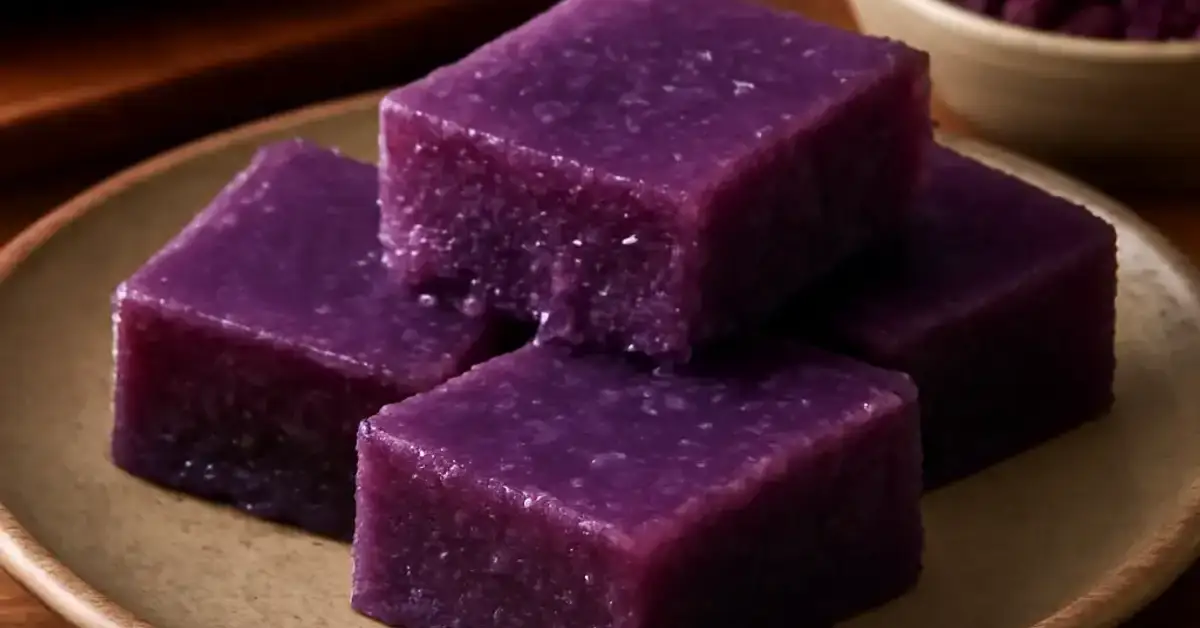
Pampanga Halayang Ube is not your ordinary ube jam. It is a traditional Filipino dessert from the province of Pampanga, made by slowly cooking grated purple yam (ube) with coconut milk, butter, condensed milk, and sugar. The result is a thick, glossy, and incredibly smooth spread that is neither sticky nor watery — it simply coats your spoon and dissolves on your tongue. While ube dishes exist across the country, the Kapampangan version is revered for its refined texture and balanced sweetness. It is a staple on dining tables during fiestas and holiday gatherings, but also fits perfectly into a simple breakfast with pandesal.
Why Is Pampanga Halayang Ube Famous?
Pampanga has long been celebrated as the food capital of the Philippines, home to culinary legends like Chef Claude Tayag and the famous San Nicolas cookies. But what makes Pampanga Halayang Ube stand out is the province’s commitment to craft. Kapampangan cooks treat each ingredient with respect, often using heirloom recipes passed down through generations. The fame comes from the painstaking process: grating fresh ube by hand, toasting it gently in coconut milk, stirring continuously for hours until the starches break down into pure silk. This attention to detail results in a halayang ube that is not just a dessert — it’s a cultural signature of Pampanga’s culinary heritage. For a related guide, see Pampanga Ensaymada: Buttery Cheese Delicacies Perfect for Breakfast.
How Is Halayang Ube Made in Pampanga?
The creation of authentic Pampanga Halayang Ube is a slow art. First, fresh purple yam is boiled and then grated into fine shreds. In a heavy-bottomed pan, coconut milk is simmered until it reduces slightly, releasing its natural oils. The grated ube is added along with sugar, butter, and sometimes evaporated milk. The mixture is then stirred continuously over low heat for 45 minutes to an hour. This constant stirring prevents burning and encourages the starches to break down completely, giving the halaya its signature creamy, almost whipped texture. Finally, a splash of vanilla or ube flavoring is added for depth. The spread is packed into sterilized jars while still warm, sealed, and left to rest. When it cools, the texture becomes dense and spreadable — perfect for sinfully thick layers on bread.
What Does Halayang Ube Taste Like?
If you have never tasted Pampanga Halayang Ube, imagine a dessert that is simultaneously earthy and sweet. The purple yam contributes a subtle, nutty, and slightly floral flavor that is uniquely its own — nothing like the artificial taste of purple food coloring. The combination of coconut milk and butter adds richness while the sugar brings a gentle sweetness that never overwhelms. The real magic, however, is in the texture. When you take a spoonful, it feels thick and heavy, but as soon as it touches your tongue, it melts. It is indulgent in the best possible way — satisfying but never cloying. Many say it tastes like comfort, and I agree entirely.
What Ingredients Are Used in Halayang Ube?
Traditional Pampanga Halayang Ube keeps the ingredient list short but purposeful:
- Purple yam (ube) — the star ingredient, which gives the dessert its color, flavor, and natural creaminess.
- Coconut milk (kakang gata) — provides richness and a subtle tropical fragrance that complements the ube.
- Butter — adds a silky mouthfeel and helps the halaya set with a luxurious consistency.
- Condensed milk or evaporated milk — contributes both sweetness and a smooth texture.
- Sugar — usually white or brown sugar, adjusting sweetness to taste.
- Vanilla extract — rounds out the flavor profile with a warm, sweet aroma.
- Salt — a tiny pinch to balance the sweetness and amplify the ube flavor.
Some modern recipes add cream cheese or ube extract for an extra boost, but purists stick to these six or seven ingredients.
Is Halayang Ube Different from Ube Jam?
Yes, and the difference matters. Pampanga Halayang Ube is a type of ube jam, but not all ube jams are halaya. The term “ube jam” is a general category that includes spreadable purple yam preserves. Halayang ube, especially the Kapampangan version, is cooked longer and with a higher ratio of coconut milk and butter, resulting in a denser, more solid spread that holds its shape when spooned. In contrast, many commercial ube jams are runnier, sweeter, and cooked for shorter periods. Pampanga-style halaya is closer to a soft, buttery fudge than a jam — it is meant to be a star on its own, not just a filling.
Where Can You Buy Authentic Pampanga Halayang Ube?
Finding genuine Pampanga Halayang Ube is easy once you are in the province. The best place to start is the public markets: San Fernando Public Market, Clark Market in Angeles City, and the famous Pampanga Pasalubong Centers along the North Luzon Expressway (NLEX). Look for brands like “Rosing’s Ube Halaya,” “Lola Baby’s,” or “Mila’s Homemade Halaya.” Many small home-based producers sell their jars at roadside stalls and local bakeries. If you are visiting during fiesta season, you might even find homemade halaya sold in banana leaves — the most authentic way to enjoy it. For those outside Pampanga, some online shops ship nationwide, but always check that the product is freshly made and refrigerated upon arrival.
Why Do Filipinos Love Halayang Ube?
Filipinos love Pampanga Halayang Ube because it represents the very best of Filipino culinary tradition: simple ingredients transformed through patience and love into something sublime. Ube itself has a nostalgic value — it appears in all our childhood favorites, from halo-halo to ube ice cream. But halayang ube elevates that nostalgia into a grown-up indulgence. It is also incredibly versatile. You can eat it straight from the jar (I won’t judge), spread it on pandesal, layer it in cakes, swirl it into ice cream, or pair it with leche flan for a classic combination called “ube flan.” The rich violet color also makes any dessert table instantly festive. For OFWs living abroad, a jar of halayang ube is like a piece of home they can taste.
Is Halayang Ube Good for Pasalubong?
Absolutely. Pampanga Halayang Ube is one of the best pasalubong items you can bring from the province. It is non-perishable for several days without refrigeration (if sealed properly), lightweight, and instantly recognizable as a premium local product. Unlike leche flan or ube cake, it does not require careful stacking or fragile packaging. Just wrap the jar in bubble wrap, place it in your bag, and you are ready to go. When you hand it to family or friends, they know they are receiving a piece of Pampanga’s culinary heritage. I always bring at least three jars whenever I visit — one for myself, and two for loved ones who miss the taste of home.
How Long Does Halayang Ube Last?
When stored correctly, Pampanga Halayang Ube can last up to two to three weeks in the refrigerator, and up to three months in the freezer. The key is to keep it in an airtight container. The butter and sugar act as natural preservatives, but because it contains coconut milk and fresh ube, it can spoil if left at room temperature for more than two days. If you notice any mold, off-smell, or separation of liquids, discard it immediately. For best quality, consume it within the first week after opening — trust me, it will not be hard to finish.
Can You Make Halayang Ube at Home?
Yes, and making your own Pampanga Halayang Ube is a rewarding project. You will need fresh ube (often available frozen at Asian markets), coconut milk, butter, condensed milk, sugar, and a good arm for stirring. Start by boiling the ube until tender, then peel and grate it finely. In a deep pan, combine all ingredients and cook over low heat, stirring constantly for about an hour until the mixture thickens and pulls away from the sides of the pan. Pour it into a greased dish or jar, let it cool, then refrigerate. The homemade version may not be as perfectly smooth as commercial ones, but the taste is unbeatable. For a shortcut, you can use frozen grated ube from brands like “Bounty Agro” or “Good Shepherd,” but fresh ube always yields a richer flavor.
What Makes Pampanga-style Halayang Ube Special?
What sets Pampanga Halayang Ube apart is the artisan approach. Kapampangan cooks use a technique called “pagsasarà” — a slow reduction method that concentrates flavor naturally without adding thickeners like cornstarch. The constant stirring over the lowest possible heat allows the ube starches to gelatinize gradually, producing a spread that is incredibly dense and smooth. There is also a cultural reverence for the process. In many Kapampangan households, making halaya is a communal activity — everyone takes turns stirring, sharing stories, and tasting along the way. This love and intentionality are impossible to replicate in mass production. That is why a single spoonful of authentic Pampanga halaya can taste so deep, so complete.
Is Halayang Ube Served During Fiestas and Holidays?
Without a doubt. Pampanga Halayang Ube is a fixture on the dessert table for nearly every major occasion — Christmas, New Year, town fiestas, baptisms, and weddings. In Pampanga, it is not unusual to see several varieties of halaya displayed: the classic version, one with macapuno (coconut strings), and sometimes a version topped with latik (coconut caramel curds). During fiestas, families compete over whose halaya is the smoothest and most flavorful. It is often served in beautiful glass bowls or molded into flower shapes, garnished with slivered almonds or grated cheese. For many Kapampangans, no celebration is complete without its presence.
What Foods Pair Well with Halayang Ube?
Pampanga Halayang Ube is incredibly versatile. Here are some of my favorite pairings:
- Toasted pandesal — the classic breakfast combination; the warm, crusty bread provides a perfect contrast to the cold, creamy halaya.
- Leche flan — serve a slice of leche flan on top of a mound of halaya for an indulgent duo called ube flan.
- Crunchy cookies — spread on butter cookies or graham crackers for a quick dessert.
- Ice cream — swirl halaya into vanilla or coconut ice cream for a ube flavor boost.
- Biko or suman — use it as a topping for these classic rice cakes for a double-carb treat.
- Crepe or pancake filling — spread inside crepes or between layers of pancakes for breakfast dessert.
- Cheese — a surprising but delicious combo: edam or kesong puti (white cheese) pairs beautifully with the sweet ube.
Is Halayang Ube Healthy?
Pampanga Halayang Ube is a dessert, so it contains sugar and fats, but it also offers some nutritional benefits. Ube (purple yam) is rich in antioxidants called anthocyanins — the same compounds that give it that gorgeous deep purple color. It is also a decent source of vitamin C, potassium, and dietary fiber. That said, the halaya version packs in sugar, coconut milk, and butter, so it is calorie-dense. Enjoy it in moderation as a treat rather than a health food. For a lighter twist, some health-conscious cooks reduce the sugar and swap full-fat coconut milk with a lighter version, but purists argue the flavor suffers. I say: enjoy a spoonful and savor every bit.
Why Is Purple Yam Popular in Filipino Desserts?
Purple yam, or ube, has been a beloved ingredient in Filipino cuisine for centuries. It grows abundantly in the Philippines and was introduced to the islands long before Spanish colonization. Its natural sweetness, striking color, and versatility make it a perfect candidate for both savory and sweet dishes. Ube becomes creamy when cooked but holds its shape well — ideal for jams, cakes, ice cream, and drinks. Additionally, the vibrant violet hue makes any dish look festive and appetizing. Unlike artificial colors, ube’s natural pigment is also packed with antioxidants, which adds a health halo that modern consumers love. That is why you now see ube popping up in doughnuts, lattes, and even pizza crusts worldwide. But the original Filipino classic remains Pampanga Halayang Ube.
What Is the History of Halayang Ube in Pampanga?
The exact origins are hard to pin down, but local food historians trace Pampanga Halayang Ube back to the early Spanish colonial period. The Kapampangan region has always been a culinary powerhouse, partly because of its rich agricultural land. Ube thrived in the volcanic soil of Mount Arayat and the surrounding plains. Early versions of halaya were probably much simpler — just boiled ube mashed with coconut milk and sugar cane juice. Over time, as trade introduced condensed milk and butter, the recipe evolved into the rich spread we know today. By the 20th century, Kapampangan home cooks had perfected the slow-stirring method, and the fame of Pampanga Halayang Ube spread across the archipelago. Today, it is recognized as a cultural treasure of the province.
How Creamy Is Pampanga Halayang Ube?
The creaminess of Pampanga Halayang Ube is legendary. It is not just thick — it is velvety, like eating a cloud made of yam. When you press it with the back of a spoon, it offers slight resistance before yielding smoothly, leaving a glossy sheen. On the palate, it coats every taste bud evenly, with no grainy or fibrous residue. The long cooking process transforms the ube’s starch into a silky gel, while the butter and milk fats emulsify with the natural oils from coconut milk to create an unctuous richness. This is the hallmark of an authentic Kapampangan halaya: a creaminess so luxurious that it feels decadent with every bite.
What Makes Halayang Ube Melt in Your Mouth?
There are two secrets behind the “melt in your mouth” quality of Pampanga Halayang Ube. First, the grating. By grating the ube into fine shreds (rather than mashing it into a paste), the starch granules remain intact but small, allowing them to absorb moisture evenly and break down completely during cooking. Second, the slow cooking. Over low heat, the starches swell and eventually burst, releasing their thick, creamy contents. At the same time, the fat from the coconut milk and butter coats these gel particles, preventing them from clumping. The result is a homogeneous, pudding-like structure that dissolves almost instantly when it meets the warmth of your mouth. It feels magical — but it is just good science and great technique.
Why Should Tourists Try Pampanga Halayang Ube?
If you are visiting the Philippines, Pampanga Halayang Ube deserves a top spot on your food bucket list. The province is easily accessible from Metro Manila — just a two-hour drive via NLEX — making it an ideal day trip for food tourism. But more than convenience, this dessert offers a window into the soul of Filipino cooking. It shows how we transform simple, local ingredients into something that feels luxurious and comforting at the same time. The flavor is uniquely Filipina: sweet but with backbone, creamy but not heavy. And the spiritual pleasure of sharing a jar with family or friends is universal. Whether you are a dessert enthusiast, a cultural explorer, or just someone with a sweet tooth, Pampanga Halayang Ube will leave you smiling — and probably wanting more.
As I sit here, finishing the last spoonful of a jar I brought back from my last trip, I feel grateful. Grateful that places like Pampanga exist to remind us that cooking is an act of love. Grateful that purple yam, a humble root, can teach us so much about patience and craft. And grateful that I get to share this with you. Now, go find a jar of real Pampanga Halayang Ube. Spread it on something warm. Close your eyes. Taste what makes this country so special.
Useful Resources
For more about Kapampangan food culture and halayang ube recipes, visit these credible sources:
Frequently Asked Questions About Pampanga Halayang Ube
What is the exact difference between ube halaya and ube jam?
Ube halaya (especially Pampanga Halayang Ube) is cooked longer with more fat, resulting in a dense, fudge-like texture, while regular ube jam is thinner and more spreadable.
Can I eat Pampanga Halayang Ube without toasting it?
Yes, it is fully cooked and ready to eat straight from the jar. Many people enjoy it chilled or at room temperature as a dessert on its own.
Does Pampanga Halayang Ube contain dairy?
Traditional recipes use butter and condensed milk, so yes, it contains dairy. Vegan versions can be made with coconut butter and coconut cream.
Is there a vegan version of Halayang Ube?
Yes, replace butter with vegan margarine and use coconut cream instead of condensed milk. Some recipes use coconut sugar for lower glycemic index.
How do I know if my halayang ube is authentic Pampanga-style?
Authentic Pampanga Halayang Ube is thick enough to hold its shape on a spoon, has a deep purple color, and tastes rich without being overly sweet.
Can I use frozen ube for halayang ube?
Yes, frozen grated ube works well. Thaw it completely, squeeze out excess water, then proceed with the recipe. Fresh ube still produces a superior texture.
What brand of Pampanga Halayang Ube is best?
Local favorites include Rosing’s Ube Halaya, Lola Baby’s Halaya, and Mila’s Homemade. Each has a slightly different sweetness and creaminess level.
How much does a jar of Pampanga Halayang Ube cost?
Prices range from PHP 100 to PHP 250 per jar (approx. USD 2 to 5) depending on size, brand, and packaging. Premium jars with decorative covers may cost more.
Can I bring Pampanga Halayang Ube abroad?
Yes, if it is commercially sealed and kept in your checked luggage. Customs regulations vary, so check the destination country’s food import rules before traveling.
What is the best way to store leftover halayang ube?
Transfer it to a clean, airtight container and refrigerate. Do not leave it at room temperature for more than two hours to prevent spoilage.
Is Pampanga Halayang Ube gluten-free?
Yes, the traditional recipe contains no wheat or gluten ingredients. But always verify the brand’s ingredient list to avoid cross-contamination.
Can I use halayang ube as a cake filling?
Absolutely. Its thick consistency makes it an excellent filling for layer cakes, cupcakes, and sandwich cookies. Chill the cake after assembly to prevent slipping.
What is the texture of Pampanga Halayang Ube compared to other ube desserts?
Compared to ube ice cream or ube cheese pandesal, halayang ube is denser, richer, and more concentrated in flavor. It is the purest expression of the ube root.
Does Pampanga Halayang Ube contain preservatives?
Most homemade and small-batch brands do not use preservatives. Commercial brands sometimes add sodium benzoate to extend shelf life. Check the label if this concerns you.
What is the origin of the name ‘Halayang Ube’?
‘Halaya’ comes from the Spanish word ‘jalar’ (to pull) or ‘halla’ (a type of jam), reflecting the method of stirring until thick. In Kapampangan, the process is called ‘pagsasarà.’
Can I freeze Pampanga Halayang Ube ?
Yes, place it in a freezer-safe container with a tight lid. It can be stored for up to three months. Thaw overnight in the refrigerator before serving.
What is the ideal sugar-to-ube ratio for halayang ube?
Most Kapampangan recipes use one part sugar to three parts ube (by weight). Adjust to taste, but too little sugar will make the halaya watery and prone to spoilage.
Can I use food coloring to make halayang ube?
Artificial coloring is never used in traditional Pampanga Halayang Ube. The deep purple comes naturally from the ube variety. Some brands add ube extract for color intensity.
What is the best time of year to buy fresh Pampanga Halayang Ube ?
November to February is peak season because of the holidays, but local producers make halaya year-round. Fresh batches are often available on weekends at public markets.
How can I tell if a jar of halayang ube has gone bad?
Signs of spoilage include mold on the surface, a sour or yeast-like smell, separation of liquid, or a change in color to a grayish-brown. Discard if in doubt.

Jin Grey is a Filipino Senior SEO Consultant and AI-First SEO Strategist who helps international brands grow through modern search strategies. She specializes in technical SEO, semantic keyword research, and AI-ready content creation. She is also the owner of JinGrey.com.
As a digital nomad, she loves exploring the world and trying different cuisines during her free time.