
Pampanga Delicacies Guide Key Takeaways
This Pampanga Delicacies Guide takes you straight into the heart of Angeles City’s food revolution, where traditional Kapampangan flavors meet bold, modern creativity.
- Pampanga Delicacies Guide reveals seven must-try reinvented dishes that blend heritage techniques with contemporary flair.
- Key restaurants and food hubs are reshaping how locals and tourists experience Kapampangan cuisine.
- Practical tips for your food trip include best times to visit, must-order dishes, and how to navigate the city’s vibrant food neighborhoods.
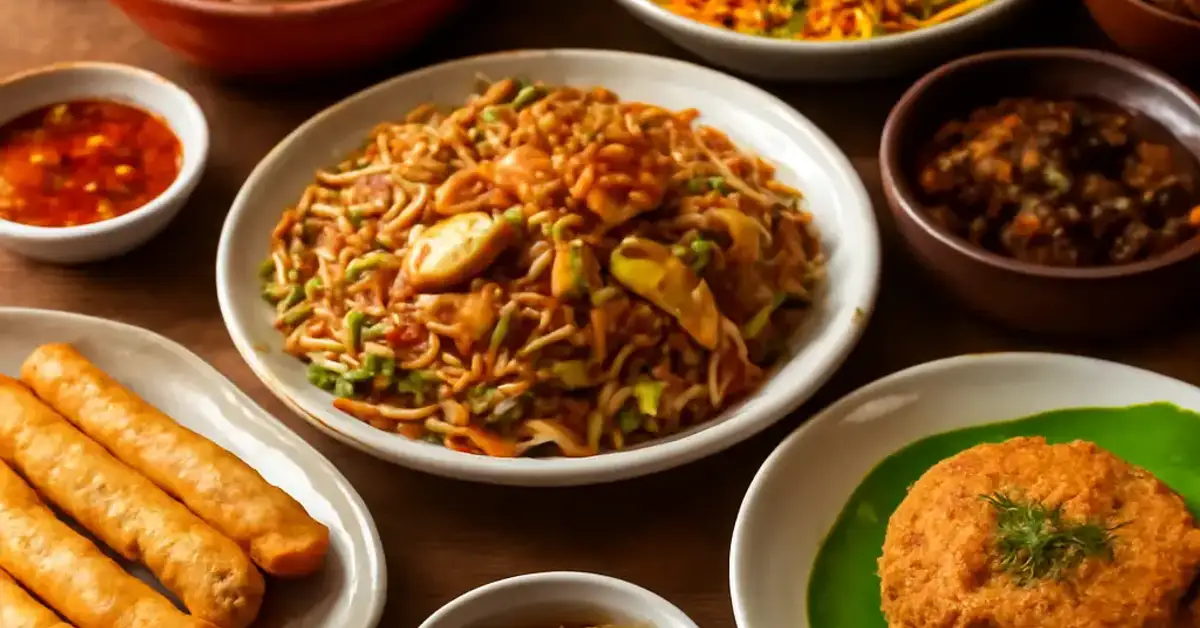
Why This Pampanga Delicacies Guide Starts in Angeles City
I grew up in Mindanao, in a small town called Isulan, Sultan Kudarat, where every fiesta meant a table heaping with lechon, pancit, and homemade sweets. After moving to Davao City and later working as a digital nomad, I made it my mission to taste what’s best in the Philippines. That journey led me straight to Angeles City, Pampanga — a place that chefs, historians, and local food lovers call the culinary capital of the country.
Kapampangan cuisine has always been celebrated for its bold flavors — rich, savory, and often unapologetically indulgent. But what surprised me most in Angeles City wasn’t just the depth of tradition; it was how young chefs and creative restaurateurs are reimagining those classics. This Pampanga Delicacies Guide is my personal chronicle of a food trip where old favorites wear new clothes, and every bite tells a story of heritage meeting innovation. For a related guide, see Pampanga Chicharon: Crispy Pork Rind Delicacies with a Kapampangan Twist.
Understanding the Pampanga Delicacies Guide to Modern Kapampangan Cuisine
Before we dive into the specific dishes, it’s worth asking: what makes modern Kapampangan cuisine different from the classic dishes our grandparents cooked? The answer lies in technique, presentation, and integration of global influences without losing the soul of the ingredient.
Kapampangan food culture has always been experimental. The province was among the first in the Philippines to adopt Spanish, Chinese, and American culinary influences. Today, chefs in Angeles City are taking that tradition even further. They use sous-vide for tenderizing lechon, incorporate Japanese fermentation into traditional sauces, and plate sisig like a fine-dining entrée. This Angeles City food guide celebrates that evolution.
What Defines Traditional Pampanga Delicacies?
Dishes like bringhe (a Kapampangan paella), betute tugak (stuffed frogs), and tibok-tibok (carabao milk pudding) define the region’s culinary heritage. These recipes were born from local produce — river prawns, native chickens, purple yam, and carabao milk. Heritage food Pampanga is characterized by its use of fermented ingredients like burong isda and its love for deep, savory umami. For a related guide, see Pampanga Buro: Fermented Fish Delicacy with a Strong Kapampangan Soul.
How Chefs Are Reinventing Classic Filipino Delicacies
Chefs in Angeles City are using innovative Filipino dishes to bridge generations. For example, Chef Josh Boutwood at The Test Kitchen transforms the humble pork sisig into a refined dish served with quail egg foam and crispy pig ears. Meanwhile, young culinary graduates are opening pop-ups inside food parks where they serve lechon kawoli sliders and ube-cheese pandesal. The creativity is boundless.
7 Must-Try Reinvented Kapampangan Dishes in Angeles City
During my food trip, I identified seven reinvented dishes that every visitor should order. Each dish honors the original while introducing new textures, flavors, or presentation styles. This section of the Pampanga Delicacies Guide serves as your cheat sheet for the best meals in the city.
1. Sisig Tacos at a Local Food Park
Sisig might be the most famous iconic Kapampangan dish, and for good reason. The traditional version — chopped pig face and liver, seasoned with calamansi and chili — is served sizzling on a hot plate. But at food parks like MarQuee Place or the food stalls near SM Clark, you’ll find sisig stuffed into soft corn tortillas with pickled onions and chipotle mayo. The crunch of the shell meets the tangy, fatty sisig in a way that feels both familiar and unexpected.
2. Ube Latte with Tablea
Innovative Filipino dishes aren’t limited to savory plates. Coffee shops across Angeles City, such as Café Fleur and Kape Republic, now serve ube latte made from real purple yam paste, topped with a dusting of local tablea (pure cocoa). It’s a warm, earthy drink that marries two traditional ingredients — ube and tablea — in a modern beverage format. This is a must-sip for anyone looking for contemporary Kapampangan recipes.
3. Bringhe Risotto
Bringhe is essentially a Kapampangan paella cooked with coconut milk, glutinous rice, chicken, and turmeric. At Restaurante Café Italia, chef-owner Rhea Sy transforms the dish into a creamy risotto using Arborio rice while keeping the coconut milk and turmeric base. The result is a richer, more textural take on the classic that still tastes like home. It’s a shining example of reinvented Filipino dishes in action.
4. Lechon Kawali Sliders
Lechon kawali — deep-fried pork belly — is a staple in every Filipino celebration. In Angeles City, restaurants like Bale Capampangan and Chef Martin’s Table serve it as sliders: small brioche buns stuffed with an inch-thick slice of lechon kawali, a smear of spicy vinegar aioli, and shredded lettuce. This portable version lets you enjoy the crunch and fatty goodness without committing to a whole platter.
5. Tibok-Tibok Panna Cotta
Tibok-tibok is a traditional pudding made from carabao milk, thickened with cornstarch and sweetened with sugar. Chef Sau del Rosario at Café de Astoria gives it a modern makeover by turning it into a panna cotta, served with a side of mango coulis and toasted coconut flakes. The texture is silkier, and the sweetness is more balanced, making it a dessert that appeals to younger palates.
6. Betute Tugak Egg Rolls
Stuffed frog (betute tugak) is a delicacy that often scares first-time visitors. But at Bale Capampangan, they debone the frog legs, season them with garlic and lemongrass, and roll them in lumpia wrappers before deep frying. The result resembles an egg roll, served with a sweet-sour dipping sauce. It’s a brilliant way to introduce adventurous diners to a local Pampanga specialty.
7. Burong Isda Tacos
Fermented rice and fish (burong isda) is an acquired taste — sharp, sour, and pungent. Contemporary restaurants like 19 Degrees use it as a filling for soft tacos, balancing the strong flavor with fresh avocado, pickled carrots, and crema. It’s a fusion dish that keeps the heritage ingredient alive but makes it approachable for modern foodies.
Top Angeles City Restaurants for Modern Kapampangan Cuisine
You can’t talk about culinary innovation Pampanga without mentioning the restaurants and chefs who drive it. These establishments are where tradition and creativity collide.
Bale Capampangan: A Heritage Hub
Located along the main highway, Bale Capampangan is a restaurant and event space dedicated to preserving and modernizing Kapampangan dishes. Their menu includes both traditional favorites and contemporary reinterpretations. The owner, who spent years researching old recipes, works with young chefs to create seasonal dishes that highlight local produce.
Café Fleur: Artistic Plates
Café Fleur, owned by Chef Claude Tayag, is a must-visit for anyone interested in modern Filipino gastronomy. The space is art-filled, and the menu changes frequently. For example, they might serve a “lengua” dish where ox tongue is braised for 10 hours, then sliced thin and paired with a creamy mushroom sauce made from local wild mushrooms. Every plate is a work of art.
The Test Kitchen: Experimental Dining
Chef Josh Boutwood’s The Test Kitchen in Clark offers a tasting menu that regularly incorporates Kapampangan ingredients. Dishes like “bangus belly with burong mustasa” or “pork belly with atchara” show how classic components can be deconstructed and rebuilt into something entirely new.
Food Trends and the Future of Pampanga Delicacies Guide
The next wave of Pampanga food tourism is being shaped by younger chefs who are more connected to global food movements. Many of them train abroad — in Melbourne, Tokyo, San Francisco — and return to Angeles City with new techniques. Here are the trends I noticed during my visit.
Fermentation Revival
Kapampangan cuisine has always fermented everything — from fish to rice to vegetables. A new generation of chefs is reviving that tradition but with modern control. They make their own burong isda in small batches, ferment local vegetables into Korean-style kimchi using Kapampangan seasonings, and even ferment chicken before grilling it.
Plant-Based Kapampangan Dishes
As plant-based eating grows, chefs are reimagining authentic Pampanga cuisine for vegetarians and vegans. At Chef Martin’s Table, you’ll find a vegan sisig made from mushrooms and jackfruit, seasoned with the same calamansi and chili. It’s not a replacement — it’s a celebration of vegetables done the Kapampangan way.
Pop-Ups and Food Parks
Angeles City has a thriving food park scene, where young entrepreneurs test new ideas on a budget. These pop-ups are where you’ll find the most adventurous must-try Pampanga foods — from sisig empanadas to ube-cheese crème brûlée. The low overhead allows for constant innovation, making food parks the incubator of modern Kapampangan cuisine.
Practical Tips for Your Angeles City Food Trip
To make the most of your visit, follow these tips from a person who walked the city’s food streets.
Best Times to Visit
Weekdays are ideal if you want shorter lines. Weekends are full of energy, especially at food parks. For a calm dining experience at restaurants like Café Fleur, book a table for lunch on a Tuesday or Wednesday.
Must-Order Dishes Checklist
When you sit down at any restaurant, ask for these dishes as a starting point: sisig (any version), bringhe, lechon kawali, tibok-tibok, and a ube latte. This gives you a broad taste of the regional Filipino cuisine spectrum.
Transportation Tips
Grab taxis and tricycles are the easiest way to move between food spots. Many restaurants are concentrated along the main highways and near Clark Freeport Zone, so you can cover several in a single afternoon.
Useful Resources
For more on Kapampangan food history and ongoing culinary projects, visit the blog of food historian Genice Abre, who documents heritage recipes and their modern adaptations. Also check out the Philippines Food Festival website for event schedules that highlight Kapampangan cuisine.
Frequently Asked Questions About Pampanga Delicacies Guide
What is the best Pampanga Delicacies Guide for first-time visitors?
This guide focuses on reinvented favorites in Angeles City, including sisig tacos, ube lattes, and bringhe risotto. It’s designed for travelers who want to taste both tradition and innovation.
How are traditional Pampanga delicacies being reinvented today?
Chefs use modern techniques like sous-vide, fermentation, and fine-dining plating while keeping core ingredients such as carabao milk, pork, and local vegetables.
What modern twists are chefs adding to classic Kapampangan dishes?
Examples include sisig tacos, tibok-tibok panna cotta, lechon kawali sliders, and burong isda tacos. These versions make traditional flavors accessible to new audiences.
Why is Angeles City considered a food destination in Pampanga?
Angeles City is the culinary heart of Pampanga because of its concentration of award-winning restaurants, food parks, and chef-driven cafes that constantly innovate.
Which traditional recipes remain popular among locals and tourists?
Sisig, bringhe, lechon kawali, and tibok-tibok remain top choices. These dishes are widely available and continue to be ordered by both locals and tourists.
How do contemporary restaurants preserve Kapampangan culinary heritage ?
Restaurants like Bale Capampangan and Café Fleur maintain old recipes while training young chefs to respect traditional methods, ensuring heritage stays alive.
What are the newest food trends inspired by Pampanga delicacies?
Trends include fermentation revival, plant-based sisig, ube-cheese pairings, and pop-up food stalls that experiment with Kapampangan ingredients in new contexts.
Where can visitors find innovative versions of classic Kapampangan favorites?
Visit food parks like MarQuee Place, restaurants in Clark Freeport Zone such as The Test Kitchen, and cafés like Kape Republic for modern takes.
How do old and new flavors blend in Angeles City cuisine?
Chefs pair traditional sauces with international techniques — like using burong isda as a taco filling or serving sisig as a slider — creating a seamless blend.
What makes Angeles City a hub for culinary creativity?
The city attracts chefs trained abroad, has a supportive food park culture, and benefits from the region’s agricultural abundance, all fueling creative cooking.
Which Pampanga delicacies have evolved the most over the years?
Burong isda and betute tugak have evolved significantly, now appearing in taco form and egg roll form respectively, while sisig continues to see countless reinterpretations.
How are younger chefs reimagining traditional Kapampangan recipes?
Young chefs often reduce salt, increase vegetable content, and apply global cooking methods while keeping the dish’s flavor profile recognizable.
What food experiences should first-time visitors try in Angeles City?
Try a sisig taco at a food park, an ube latte at a café, and a tasting menu at a fine-dining restaurant like The Test Kitchen for a complete range.
How do modern Pampanga delicacies appeal to younger generations?
By using familiar formats like tacos, sliders, and lattes, and by incorporating trendy elements like fermentation and plant-based alternatives, they attract younger diners.
Why is Angeles City at the forefront of Kapampangan food innovation?
Because of its dense concentration of creative chefs, supportive food park infrastructure, and a local culture that prizes both tradition and experimentation.
What is the best time of year to visit Angeles City for food?
Visit during the cooler months from November to February when food festivals often happen and outdoor dining at food parks is most comfortable.
Are there vegetarian options in Kapampangan cuisine?
Yes, many restaurants now offer vegetarian and vegan versions of classic dishes, such as mushroom sisig and vegetable bringhe, catering to plant-based diets.
How expensive is food in Angeles City compared to Manila?
It is generally more affordable in Angeles City, with street food and food park meals averaging 100–300 PHP, while fine-dining tasting menus start around 1,500 PHP.
What is the most Instagrammable dish in Angeles City?
The ube latte with latte art and the tibok-tibok panna cotta are highly photogenic, often featured on food bloggers’ feeds.
Can I take cooking classes to learn modern Kapampangan dishes?
Yes, several restaurants and cooking schools in Angeles City offer classes where you can learn to make sisig, bringhe, and ube desserts with contemporary twists.

Jin Grey is a Filipino Senior SEO Consultant and AI-First SEO Strategist who helps international brands grow through modern search strategies. She specializes in technical SEO, semantic keyword research, and AI-ready content creation. She is also the owner of JinGrey.com.
As a digital nomad, she loves exploring the world and trying different cuisines during her free time.