
Pampanga Chicharon Key Takeaways
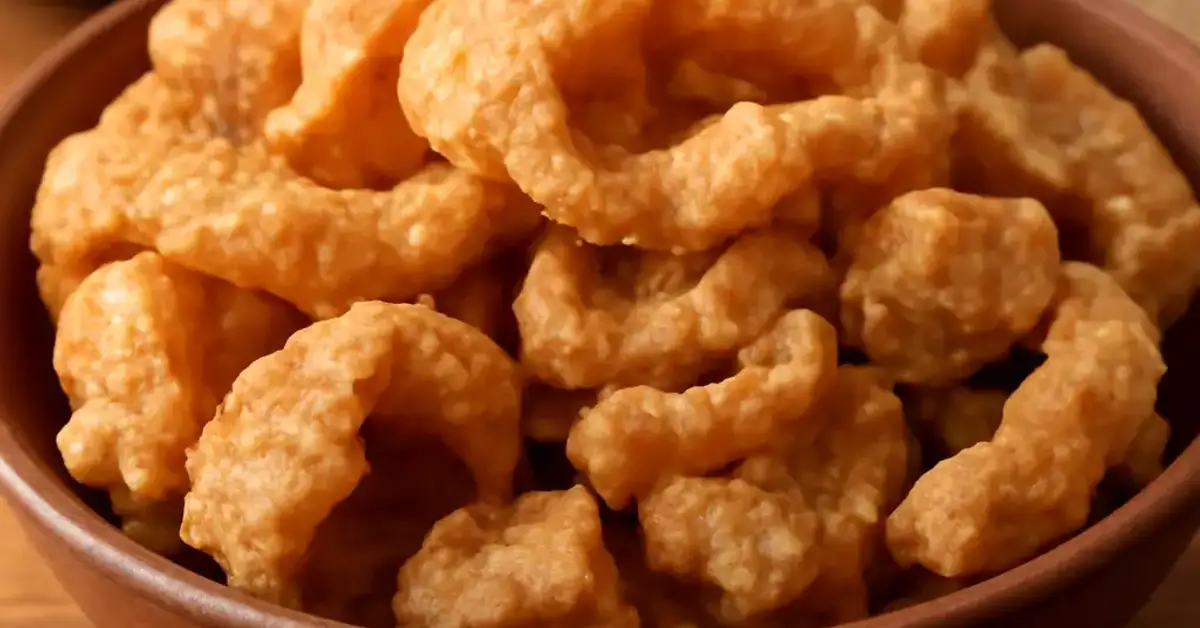
Pampanga Chicharon is the gold standard of Filipino pork rinds—light, airy, and impossibly crunchy.
- Pampanga Chicharon uses pork skin with a thin layer of fat, boiled, sun-dried, and fried twice for that signature light crunch.
- Unlike other variants, Kapampangan makers season the skin before frying, giving it a savory, almost garlicky flavor that doesn’t need heavy dips.
- It’s the ultimate pasalubong from Pampanga, often sold in sealed packs perfect for sharing with family and friends.
What Makes Pampanga Chicharon a Must-Try Snack
If you grew up in the Philippines, you know there’s something magical about that first bite into a piece of well-made chicharon. The crunch echoes in your ears. The savory saltiness spreads over your tongue. And then you dip it in spicy vinegar, and everything feels right in the world.
But not all chicharon is created equal. When you try Pampanga Chicharon, you immediately notice the difference. It’s lighter. It’s crispier. It doesn’t feel greasy or heavy. This is the version that makes locals in Pampanga proud and visitors drive hours just to bring home packs of it. For a related guide, see Pampanga Ensaymada: Buttery Cheese Delicacies Perfect for Breakfast.
Pampanga, often called the culinary capital of the Philippines, has a long tradition of turning simple ingredients into extraordinary dishes. The province is famous for its crispy pork rind delicacy, which has become synonymous with quality and taste. Whether you’re a food blogger hunting for authentic flavors or a tourist looking for the best pasalubong Pampanga has to offer, this snack belongs on your list. For a related guide, see Pampanga Sweet Tocino: The Iconic Cured Meat Delicacy.
Why Pampanga Chicharon Is Famous Among Filipinos
The fame of Pampanga Chicharon isn’t accidental. It’s earned through generations of careful technique and a deep understanding of flavor. People don’t just eat it because it’s available—they seek it out because they know the Kapampangan version delivers every single time.
A Reputation Built on Quality
Kapampangan cooks take pride in their food. When they make chicharon, they don’t cut corners. The pork skin is cleaned meticulously, the fat is trimmed to the perfect thickness, and the seasoning is applied with precision. This attention to detail creates a product that tastes cleaner and fresher than mass-produced alternatives.
Many Filipino pork snack lovers I’ve met during my travels say the same thing: once you try Pampanga Chicharon, it’s hard to go back to the store-bought versions from the grocery aisle. The texture is different—more bubbly, less dense. The flavor is more pronounced, without being overly salty.
Word of Mouth and Social Media
In today’s world, a dish becomes famous when people share it online. Food vloggers and bloggers often feature Pampanga Chicharon in their mukbang videos and food reviews. The visual of that golden, bubbly skin breaking apart with a satisfying crack is pure content gold. Add a bowl of spiced vinegar and a cold drink, and you have a scene that makes anyone crave a bite.
What Makes Kapampangan Chicharon Unique
You might wonder, “Isn’t chicharon just fried pork skin?” That’s like saying adobo is just meat in soy sauce. The truth lives in the details. Kapampangan chicharon has several distinct characteristics that set it apart from other regional versions.
The Double-Fry Technique
This is the secret weapon of Pampanga’s chicharon makers. After the pork skin is boiled and dried, it goes through a first fry at a lower temperature to cook the fat and remove excess moisture. Then, just before serving or packaging, it’s fried again at a higher temperature. The second fry creates that explosive puffiness and glass-like crunch that defines Pampanga Chicharon.
Seasoning Integrated Before Frying
Most chicharon sold in other regions gets salted after frying. Kapampangan makers season the skin before it ever touches the oil. This allows the salt, garlic powder, and sometimes patis (fish sauce) to penetrate the meat layer, creating a flavor that’s part of the chicharon itself, not just sitting on the surface.
The Cut Matters
Authentic Pampanga Chicharon is usually cut into bite-sized pieces that still show off the shape of the original pork skin. You get pieces that have both the bubbly fried skin and a thin strip of attached meat. This combination of textures—crunchy skin and slightly chewy meat—makes every bite interesting.
How Pampanga Chicharon Is Made Step by Step
Understanding the process behind Pampanga Chicharon makes you appreciate each bite even more. I’ve watched local makers in small shops near Angeles City and San Fernando, and the process is both simple and demanding.
Step 1: Selecting and Cleaning the Skin
Fresh pork skin with a thin, even layer of fat is the starting point. The skin is scraped clean of any hair and excess fat until only a uniform layer remains. This ensures even cooking and that signature lightness.
Step 2: Boiling and Cooling
The skin is boiled in seasoned water until tender. Some makers add bay leaves, peppercorns, or garlic to the boiling water to infuse early flavor. After boiling, the skin is laid flat to cool, then cut into serving-sized pieces.
Step 3: Sun-Drying
This traditional step is crucial. The cut pieces are left under the sun for several hours or overnight until completely dry to the touch. Sun-drying removes moisture that would otherwise steam the skin during frying, preventing the puffing effect. This is why many small-town makers still rely on sunny days rather than commercial dehydrators.
Step 4: First Fry (Low Heat)
The dried skin is fried at a lower temperature, usually around 140–150°C. This melts the fat slowly and dries the skin further. The pieces float and bubble but don’t brown yet. After this, they’re removed and allowed to cool completely.
Step 5: Second Fry (High Heat)
Right before packaging or serving, the pre-fried skin hits hot oil at around 180–190°C. The result is immediate and dramatic. Each piece puffs up, turns golden brown, and develops that signature airy crunch. This is where Pampanga Chicharon earns its reputation.
Step 6: Seasoning and Packaging
While still hot, the chicharon is tossed with fine salt and sometimes garlic or chili powder. Then it’s packed into sealed bags to stay fresh. Properly sealed chicharon stays crunchy for weeks, making it the best pasalubong Pampanga option.
What Ingredients Are Used in Pampanga Chicharon
The ingredient list for Pampanga Chicharon is short, but each component matters. Here’s what goes into an authentic batch:
| Ingredient | Purpose |
|---|---|
| Fresh pork skin with thin fat layer | Provides the base texture and flavor |
| Fine sea salt | Primary seasoning, enhances natural flavors |
| Garlic powder | Adds savory depth, a Kapampangan signature |
| Ground black pepper | Mild warmth and spice |
| Cooking oil (usually palm or canola) | High smoke point oil for double frying |
| Optional: Patis or MSG | Umami boost (used in commercial versions) |
| Optional: Chili or vinegar powder | For spicy or sour variants |
The beauty of Pampanga Chicharon lies in its simplicity. There’s no heavy batter, no complicated marinade. The quality of the pork and the precision of the cooking process do all the work.
Is Pampanga Chicharon Crispier Than Other Versions
Yes, and it’s not just a subjective opinion—the texture is measurably different. Here’s how Pampanga Chicharon compares to other well-known styles:
| Chicharon Type | Texture | Oiliness | Flavor Delivery |
|---|---|---|---|
| Pampanga Chicharon | Light, bubbly, shattering crunch | Low to moderate | Seasoned throughout |
| Manila / Market Chicharon | Dense, hard crunch | Moderate to high | Surface-salted only |
| Bicol Chicharon | Chewy, thicker fat layer | High | Mild, sometimes spicy |
| Cebu Chicharon | Very thin, brittle | Low | Often plain, dip-dependent |
| Commercial Packaged | Uniform, slightly stale | Variable | Preserved, artificial notes |
The double-fry process gives Pampanga Chicharon its distinctive puffiness. Each piece has tiny air pockets that make it lighter than a cracker but stronger than a chip. This is the texture that food vloggers call “shatteringly crisp.”
Where to Buy Authentic Pampanga Chicharon
If you’re planning a trip to Pampanga or ordering online, knowing where to find the real deal saves you from disappointment. Here are trusted sources:
Public Markets in Pampanga
The best place to start is the public market in Angeles City or San Fernando. Look for stalls that sell crispy pork rind delicacy in bulk. These vendors often fry fresh batches every morning. You can taste a piece before buying, and the price per kilo is usually lower than in tourist shops.
Famous Local Brands
There are several well-known brands that have built their reputation on quality Pampanga Chicharon. Look for tag names like Pampanga’s Best, Angeles Chicharon, and Dizon Chicharon. These are available in many souvenir shops and even some supermarkets in Metro Manila.
Online Sellers and Facebook Groups
Many small Kapampangan businesses ship nationwide. Search for “authentic Pampanga Chicharon delivered” on Facebook or Shopee. Read reviews carefully—look for photos of the actual product and comments about crunchiness and freshness. A good seller will vacuum-seal the chicharon to preserve its texture during shipping.
Pasalubong Centers
Along the North Luzon Expressway (NLEX), you’ll find several pasalubong centers that sell Pampanga Chicharon alongside other Kapampangan specialties like tocino, longganisa, and buro. These stops are convenient if you’re driving back to Manila. Just check the packaging date to ensure freshness.
What Does Pampanga Chicharon Taste Like
Describing the taste of Pampanga Chicharon is like describing the sound of a perfect cracker snapping—it’s almost as much about the sensory experience as the flavor.
First, there’s the saltiness. It’s clean and immediate, hitting the tip of your tongue as soon as you bite. Then comes a subtle garlic warmth that lingers on the back of your palate. The pork flavor is present but mild, never gamey. The fat adds a slight richness that coats your mouth without feeling greasy.
The texture is where the magic really happens. Each piece crunches then dissolves almost instantly. There’s no tough chewing, no hard bits that hurt your gums. The airy structure means you can eat several pieces without feeling heavy.
When paired with vinegar—especially spiced sinamak or plain cane vinegar with crushed chili—the acidity cuts through the fat and salt, creating a perfect balance. This is why chicharon with vinegar is a classic combination in every Filipino household.
Why Do Filipinos Love Eating Chicharon With Vinegar
This pairing is deeply embedded in Filipino food culture. The reasons go beyond simple preference—they’re rooted in how our taste buds respond to contrasting sensations.
Vinegar acts as a palate cleanser. After the salt and fat of the crispy pork rind delicacy, the sour snap of vinegar refreshes your mouth and prepares it for the next bite. It also softens the sharp edges of the salt, creating a more layered flavor experience.
In many provinces, including Pampanga, the vinegar is often homemade. Families infuse their vinegar with garlic, chili, onion, and sometimes a pinch of sugar. This personalized dip becomes as much a signature as the chicharon itself.
The ritual of dipping also adds to the enjoyment. You pick up a piece, dip just one corner into the vinegar, and watch the bubbles dance on the surface before eating. It’s a small moment of mindfulness in a busy day.
Can You Make Pampanga-Style Chicharon at Home
Absolutely. While the traditional method relies on sun-drying, you can achieve similar results at home using an oven or dehydrator. Here’s a simplified approach:
Ingredients You’ll Need
Get about one kilogram of fresh pork skin with a thin fat layer from your local market. Ask the butcher to scrape it clean. You’ll also need coarse salt, garlic powder, and your choice of cooking oil with a high smoke point.
The Simplified Process
Boil the skin in salted water for 45 minutes. Let it cool, then cut it into 2-inch squares. Lay the pieces on a wire rack and place them in an oven set to the lowest temperature (around 65°C) for 4–6 hours, or until completely dry and leathery. This mimics sun-drying.
Heat oil in a deep pot to 150°C. Fry the dried skin in batches for 8–10 minutes. They should bubble but not brown. Remove and let cool for 15 minutes. Then, increase the oil temperature to 190°C and fry again for 2–3 minutes until golden and puffed.
Season immediately with salt and garlic powder. Your homemade Pampanga Chicharon will be ready in about 15 seconds. Store in an airtight container to maintain crunch.
What Gives Pampanga Chicharon Its Crunchy Texture
The science behind the crunch is surprisingly simple. Pork skin contains collagen and fat. When you boil it, the collagen softens. When you dry it, the moisture evaporates, leaving behind a structure of protein and fat.
During the first fry at lower temperature, the fat slowly renders out, creating tiny cavities in the skin. The second fry at high temperature causes the remaining moisture to rapidly expand, puffing up those cavities into an airy lattice. When the chicharon leaves the oil and cools, that lattice hardens into a glass-like structure that shatters when bitten.
The Kapampangan chicharon makers understand this science intuitively. They know that rushing the drying process or using oil at the wrong temperature results in a dense, tough product. Patience and precision are the real secrets.
Is Chicharon Considered a Delicacy in Pampanga
Yes, without a doubt. In Pampanga, chicharon is not just street food or a beer match—it’s a delicacy that appears on special occasions. During fiestas, family reunions, and Christmas gatherings, platters of Pampanga Chicharon sit on tables alongside more elaborate dishes like bringhe and kaldereta.
The crispy pork rind delicacy even makes its way into other Kapampangan recipes. Some cooks crush chicharon and use it as a crispy topping for pancit or lugaw. Others use it as a crunchy garnish for salads or as a crust for fried chicken. This versatility elevates chicharon from a simple snack to a valued ingredient.
What Foods Pair Well With Pampanga Chicharon
Pampanga Chicharon isn’t just a solo snack. It shines when paired with other dishes. Here are some combinations that Kapampangan locals swear by:
- Pinakbet – The salted shrimp paste and bitter vegetables contrast beautifully with the salty crunch of chicharon.
- Sinigang – Dip chicharon in the sour soup for a textural surprise. Some people even crumble it into the broth.
- Beer or San Miguel Pale Pilsen – The classic pulutan combination. The bubbles and bitterness of beer cut the fat perfectly.
- Ensaladang Talong – Grilled eggplant salad with tomatoes and bagoong balances the richness of fried pork skin.
- Arroz Caldo – Top your lugaw with crushed chicharon and a squeeze of calamansi for breakfast.
Is Pampanga Chicharon Good for Pasalubong
If you’re visiting Pampanga and need to bring gifts home, Pampanga Chicharon should be at the top of your list. It’s practical—lightweight, easy to pack, and doesn’t require refrigeration. It’s also universally loved. Everyone from kids to grandparents enjoys a bag of crunchy chicharon.
The best pasalubong Pampanga comes in sealed, branded packs that can last for weeks if unopened. Some makers even offer gift boxes with assorted flavors—original, spicy, and garlic. These make thoughtful presents for colleagues, relatives, and friends who appreciate authentic Filipino food.
During my travels, I’ve brought Pampanga Chicharon to friends in Davao, Cebu, and even abroad. The reaction is always the same: excitement, then a request to know where to buy it online.
What Makes Kapampangan Snacks Special
Kapampangan snacks, including Pampanga Chicharon, share a common philosophy: use the best ingredients, respect traditional methods, and never compromise on flavor. The province’s cuisine is known for being bold, savory, and often slightly sweet or salty.
This culinary mentality comes from Pampanga’s history as a region that has always prioritized food. Early trade routes brought spices and techniques from China, Spain, and Mexico. Local cooks adapted these influences into distinctly Kapampangan creations. Today, that heritage lives on in every crunchy piece of chicharon.
Why Do Tourists Enjoy Pampanga Chicharon
Tourists are drawn to Pampanga Chicharon for several reasons. First, it’s accessible. You can find it in markets, tourist shops, and even gas stations along the highway. Second, it’s affordable. A large bag costs much less than an equivalent amount of imported chips or snacks.
Third, it’s a memorable experience. Biting into authentic Pampanga Chicharon for the first time is a sensory event. Tourists often describe the experience in glowing terms—the crunch, the flavor, the satisfaction. Many make sure to buy extra bags to take home, sharing a piece of Filipino food culture with their families.
Is Chicharon Served During Gatherings and Celebrations
Yes, and it’s almost expected. At any Filipino gathering, whether it’s a birthday party, a fiesta, or a casual get-together, you’ll find chicharon on the table. It’s one of the first things to disappear, especially if beer is involved.
In Pampanga, serving Pampanga Chicharon at celebrations is a point of pride. Hosts want guests to taste the best version of this beloved snack. It’s not uncommon for families to order directly from a trusted local maker just for a special occasion.
Is Pampanga Chicharon Worth Trying
If you’ve made it this far, you already know the answer. Yes, absolutely. Pampanga Chicharon is more than just a snack—it’s an expression of Kapampangan culture, a testament to thoughtful cooking, and a joy to eat. Whether you’re a Filipino living abroad craving a taste of home or a curious traveler exploring Philippine cuisine, this crispy pork rind deserves a place on your food map.
Next time you see a bag of Pampanga Chicharon at the store or pass by a vendor in Angeles, don’t hesitate. Grab a bag, find a good vinegar dip, and experience the crunch that Kapampangans have perfected over generations.
Useful Resources
To learn more about Kapampangan cuisine and chicharon traditions, check out these helpful resources:
- Choose Philippines: Guide to Kapampangan Delicacies – A comprehensive look at Pampanga’s most famous foods, including chicharon, tocino, and buro.
- Kapampangan.com: Food and Culture – An archive of traditional recipes and cultural notes from the region.
Frequently Asked Questions About Pampanga Chicharon
What is Pampanga Chicharon ?
Pampanga Chicharon is a Filipino fried pork rind snack made from pork skin with a thin layer of fat, boiled, sun-dried, and double-fried until light and crunchy. It originates from Pampanga, the food capital of the Philippines.
Why is Pampanga Chicharon famous?
It’s famous for its exceptionally light and airy texture, achieved through a traditional double-fry method. The seasoning is also integrated before frying, giving it a deeper savory flavor than other versions.
What makes Kapampangan chicharon unique?
Kapampangan chicharon uses a double-frying technique, sun-drying before frying, and seasoning applied before cooking. This results in a puffier crunch and more integrated flavor compared to other regional styles.
How is Pampanga Chicharon made?
The pork skin is cleaned, boiled, cut, sun-dried, fried at a low temperature, cooled, and then fried again at a high temperature until golden and puffed. It’s seasoned immediately after the second fry.
What ingredients are used in chicharon?
Basic ingredients include fresh pork skin, fine salt, garlic powder, and cooking oil. Some versions add pepper, chili, or a small amount of patis for extra depth.
Why is chicharon a popular Filipino snack?
Chicharon is affordable, widely available, and pairs well with beer and vinegar. Its satisfying crunch and savory taste make it a favorite during social gatherings and as a quick snack.
Is Pampanga Chicharon crispier than other versions?
Yes, the double-fry method and proper sun-drying give Pampanga Chicharon a lighter, airier crunch than denser versions sold in other regions or commercial packages.
Where can you buy authentic Pampanga Chicharon ?
You can buy it from public markets in Angeles City and San Fernando, pasalubong centers along NLEX, and online via Shopee or Facebook sellers. Look for sealed packs from known local brands.
What does Pampanga Chicharon taste like?
It tastes cleanly salty with subtle garlic notes and a mild pork flavor. The texture is light and shattering, with no greasy aftertaste.
Why do Filipinos love eating chicharon with vinegar ?
Vinegar cuts through the salt and fat, cleansing the palate and enhancing the flavor. The acidity balances the richness, making each bite more enjoyable.
Can you make Pampanga-style chicharon at home?
Yes, you can replicate the process using an oven or dehydrator to dry the skin, then double-fry it. The result is very similar to the traditional version.
What gives Pampanga Chicharon its crunchy texture?
The combination of thorough drying and double-frying creates air pockets in the skin, which harden into a fragile, crispy lattice when cooled.
Is chicharon considered a delicacy in Pampanga?
Yes, it’s regarded as a delicacy and is served at fiestas, family gatherings, and celebrations. It’s also used as an ingredient in other dishes.
What foods pair well with chicharon?
Chicharon pairs well with pinakbet, sinigang, arroz caldo, ensaladang talong, and cold beer. It’s also great as a topping or garnish for savory dishes.
Why is Pampanga known for savory delicacies?
Pampanga has a rich culinary history influenced by trade and colonization. Kapampangan cooks prioritize bold, savory flavors and high-quality ingredients, making the province a food destination.
Is Pampanga Chicharon good for pasalubong?
Absolutely. It’s lightweight, non-perishable when sealed, and universally loved. Sealed packs from trusted brands make excellent gifts.
What makes Kapampangan snacks special?
They focus on traditional methods, premium ingredients, and balanced seasoning. Kapampangan snacks often have layered flavors that stand out even among other Filipino dishes.
Why do tourists enjoy Pampanga Chicharon ?
Tourists appreciate the authentic crunch, affordable price, and the cultural story behind the snack. It’s easy to buy and carry, making it a popular souvenir.
Is chicharon served during gatherings and celebrations?
Yes, it’s a staple at many Filipino parties and fiestas. In Pampanga, serving high-quality chicharon is a way for hosts to share a beloved local specialty.
Is Pampanga Chicharon worth trying?
Without a doubt. It’s one of the best representations of Kapampangan food culture and a must-try for anyone who enjoys crispy, savory snacks.

Jin Grey is a Filipino Senior SEO Consultant and AI-First SEO Strategist who helps international brands grow through modern search strategies. She specializes in technical SEO, semantic keyword research, and AI-ready content creation. She is also the owner of JinGrey.com.
As a digital nomad, she loves exploring the world and trying different cuisines during her free time.