
Pampanga Betute Tugak Key Takeaways
Pampanga Betute Tugak is a stuffed frog delicacy from Mexico, Pampanga that transforms humble frog legs into an extraordinary Kapampangan feast.
- Learn what makes Pampanga Betute Tugak a cherished heritage dish and how it reflects the ingenious spirit of Kapampangan cuisine.
- Discover the step-by-step preparation process, from cleaning the frogs to achieving that irresistible crispy skin.
- Find out where to taste authentic Betute Tugak in Mexico, Pampanga and what side dishes pair best with it.
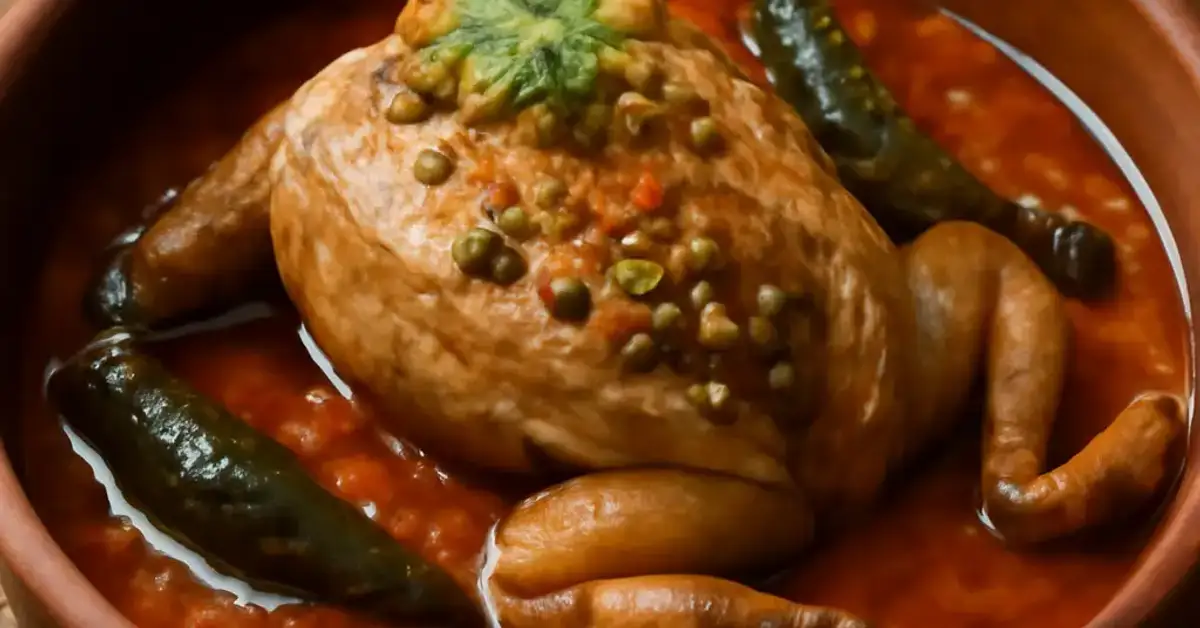
What Is Pampanga Betute Tugak? A Personal Encounter with the Stuffed Frog Delicacy
I first heard about Pampanga Betute Tugak from a fellow food adventurer during a layover in Clark. He described it with such reverence—crispy frog legs, savory stuffing, a dish that pushed boundaries. Being born and raised in Mindanao, I grew up eating familiar Ilonggo and Bisaya fare, but frog? That was entirely new territory.
Fast forward to a weekend trip to Mexico, Pampanga. I sat down at a small roadside eatery where the owner, a cheerful Kapampangan named Aling Nena, placed a plate of golden-brown frogs before me. “Betute Tugak,” she said, smiling. The skin was shatteringly crisp. Inside, the stuffing was a savory blend of pork, garlic, and native herbs. I was hooked. That first bite not only conquered my apprehension but also ignited a deep curiosity about this stuffed frog delicacy. For a related guide, see Pampanga Chicharon: Crispy Pork Rind Delicacies with a Kapampangan Twist.
Betute Tugak is essentially a frog—typically the large swamp frog (Rana magna species)—that is de-boned, stuffed with a seasoned meat mixture, then deep-fried. The term “Betute” comes from the Spanish word bejuco (vine), possibly referencing how the frogs are tied or trussed before cooking. “Tugak” means frog in Tagalog. Together, they name one of the most iconic Mexico Pampanga food specialties. For a related guide, see Pampanga Sweet Tocino: The Iconic Cured Meat Delicacy.
How Is Betute Tugak Prepared in Mexico, Pampanga? The Traditional Method
Preparing Betute Tugak is a labor of love perfected over generations in the kitchens of Mexico, Pampanga. Here is the step-by-step process used by local cooks.
Step 1: Sourcing and Cleaning the Frogs
Freshness is everything. Local frog catchers harvest live frogs from rice paddies and freshwater swamps. The frogs are humanely cleaned—skinned, eviscerated, and thoroughly washed in running water. The legs are kept intact, and the body cavity is opened to create a pocket for the stuffing.
Step 2: Preparing the Stuffing
The stuffing is what elevates the frog from simple protein to a Kapampangan delicacy. It typically contains minced pork, garlic, onions, salt, pepper, and a secret mix of local herbs such as pandan leaves or lemongrass. Some versions include shrimp or giniling (ground beef) for extra richness.
Step 3: Stuffing and Trussing
Each frog is carefully filled with the stuffing so it bulges naturally. The opening is secured with a toothpick or tied with string to keep the filling in place during frying. The frogs are then marinated in a mixture of soy sauce, calamansi, and spices for at least 30 minutes.
Step 4: Deep-Frying to Crispy Perfection
The stuffed frogs are dredged in seasoned flour or beaten egg and then deep-fried in hot oil until the skin is golden brown and crispy. The result is a stuffed frog delicacy that is moist inside, crunchy outside, and packed with umami flavor.
What Ingredients Are Used in Betute Tugak?
The beauty of traditional Kapampangan cuisine lies in its use of simple, locally sourced ingredients that create complex flavors. Here is a typical ingredient list for Betute Tugak.
| Ingredient | Role in the Dish |
|---|---|
| Whole frog (skin-on) | Main protein; provides delicate flavor and crispy skin |
| Minced pork or beef | Stuffing base; adds richness and texture |
| Garlic and onion | Aromatics; foundational flavor |
| Calamansi juice | Marinade acid; tenderizes and brightens flavors |
| Soy sauce or patis (fish sauce) | Saltiness and umami depth |
| Pandan leaves or lemongrass | Herbal aroma; unique Kapampangan touch |
| Flour or egg wash | Coating for crispiness |
| Cooking oil | For deep-frying |
Why Is Betute Tugak Considered a Unique Kapampangan Delicacy?
Betute Tugak is not just food—it is a statement of Kapampangan culinary audacity. In a province known for sophisticated dishes like Bringhe and Tocino, frog might seem like an unlikely star. Yet Kapampangan cooks have historically turned to whatever nature provides—including frogs—and transformed them into something extraordinary.
What makes it unique is the combination of techniques: the Spanish-influenced stuffing (similar to relleno) applied to a local amphibian, then finished with a Filipino deep-fry. This fusion exemplifies Pampanga culinary traditions where resourcefulness meets artistry. The dish also represents the indigenous food traditions that have been passed down orally, often without written recipes, making every family version a living piece of Filipino heritage cuisine.
What Does Stuffed Frog Taste Like?
Let me put your mind at ease: Betute Tugak does not taste gamey or “frog-like” in an off-putting way. The meat is delicate and mildly sweet, similar to a cross between chicken wings and freshwater fish. The stuffing adds savory, garlicky contrast, and the crispy skin provides a satisfying crunch. When dipped in suka (vinegar) with siling labuyo, the flavor becomes bright and addictive.
Many first-timers describe it as “better than chicken” and “more interesting than pork belly.” The texture is tender, never rubbery, as long as the frog is fresh and properly cooked.
What Is the History of Betute Tugak in Pampanga?
The history of Betute Tugak is woven into the agricultural rhythm of Pampanga. During rainy seasons, frogs flood the rice paddies of Mexico, Pampanga. Farmers, needing protein, began catching and cooking them. The stuffing technique likely came from Spanish relleno dishes introduced during colonial times. Over the decades, the recipe was refined and became a local specialty served during fiestas and family gatherings. Today, it stands as a proud example of Pampanga food heritage that adventurous eaters travel miles to try.
Why Is Mexico, Pampanga Known for Betute Tugak?
Mexico, Pampanga is not named after the country—it actually comes from the Spanish word México (often spelled with an accent), but the town has carved its own identity through food. Its swampy terrain provides ideal habitat for the frogs used in Betute Tugak. Local families have been preparing the dish for generations, and several eateries in the town center have built their reputations solely on this local Pampanga cuisine. Ask any food traveler, and they will tell you: the best Betute Tugak comes straight from Mexico.
How Do Chefs Clean and Prepare Frogs for Cooking?
Cleaning frogs for Betute Tugak requires care and skill. The frog is first stunned humanely, then the head is removed. The skin is peeled away from the body, and the internal organs are discarded. The frog is rinsed in several changes of water, sometimes with a little salt or vinegar, to remove any slime. Legs are left attached, and the body cavity is opened to form a pocket. Only fresh, never frozen, frogs are used for the best authentic Betute Tugak recipe.
Is Betute Tugak Safe to Eat?
Yes, absolutely. Frogs used in Philippine frog dishes are sourced from clean, monitored environments, not from polluted waterways. When properly cooked—which means reaching an internal temperature that kills any bacteria—Betute Tugak is perfectly safe. The deep-frying process ensures the meat is fully cooked. Health authorities in Pampanga have long approved the sale of frog-based dishes, and many locals eat it regularly without issue.
What Makes Betute Tugak Popular Among Food Adventurers?
Food adventurers are drawn to Betute Tugak for the same reason they seek out balut, itik, and other exotic delicacies of Pampanga: the thrill of trying something culturally significant that challenges everyday palates. It is a unique Filipino dish that sparks conversation and earns bragging rights. But beyond the novelty, people return because it genuinely tastes incredible—a testament to Kapampangan food culture that wins over skeptics.
What Season Is Best for Sourcing Frogs for Betute Tugak?
The rainy season, from June to October, is prime frog-catching time in Pampanga. Frogs are more abundant and at their plumpest. However, because of high demand, some local farms now raise frogs year-round to supply restaurants and home cooks. If you want the freshest authentic Betute Tugak, plan your visit between July and September.
How Does Betute Tugak Reflect Kapampangan Culinary Creativity?
Kapampangans are known as the “culinary capital of the Philippines” for good reason. They take humble ingredients and elevate them through technique. Betute Tugak shows this creativity by taking a frog—often seen as a poor man’s food—and turning it into a festive dish. The stuffing technique, the use of local herbs, and the perfect frying skill all point to a kitchen culture that respects tradition but isn’t afraid to innovate. It is a living example of Filipino gastronomic tourism at its most delicious.
Where Can Tourists Try Authentic Betute Tugak in Pampanga?
If you want the real experience, head to Mexico, Pampanga. Here are my top recommendations:
- Leny’s Eatery – A no-frills spot near the town plaza, serving Betute Tugak daily. Ask for their special vinegar dip.
- Razon’s of Guagua (nearby)—While famous for halo-halo, their branch sometimes offers seasonal frog dishes.
- D’Original Betute – A dedicated stall in Mexico proper, known for generous stuffing and consistent crispiness.
These places cater to both locals and tourists exploring regional Philippine delicacies. Prices are very affordable—around PHP 50–80 per piece.
What Side Dishes Pair Well with Betute Tugak?
A plate of Betute Tugak is wonderful on its own, but pairing it with the right sides makes the meal complete. Here are my go-to combinations:
- Atchara – Pickled papaya slaw cuts through the richness of the fried frog.
- Steamed rice – A must to soak up the savory juices from the stuffing.
- Fresh ensaladang talong – Grilled eggplant salad with tomatoes and salted egg balances flavors.
- Sinigang na hipon – A sour shrimp soup alongside the crispy frog creates a lovely contrast.
- Spiced vinegar or toyomansi – For dipping, the acidity brightens every bite.
Why Is Betute Tugak Considered a Heritage Dish of Pampanga?
Heritage dishes are not just about age—they are about identity. Betute Tugak is a heritage dish of Pampanga because it encapsulates the province’s agricultural history, its people’s resourcefulness, and its fearless approach to flavor. Unlike mass-produced foods, this dish is made with care, often by family cooks who learned the process from their grandparents. It survives not because it is easy, but because Kapampangans refuse to let their heritage recipes Pampanga disappear. For that reason, every bite of Betute Tugak is a taste of living history.
Useful Resources
To deepen your understanding of Pampanga Betute Tugak and Kapampangan cuisine, check out these credible sources:
- Visit Pampanga’s official guide to traditional Betute Tugak – A comprehensive look at the dish’s preparation and cultural significance.
- Skyscanner’s Pampanga food guide – Travel-oriented overview of must-try regional dishes, including Betute Tugak.
Whether you are a hardened food adventurer or a curious first-timer, Pampanga Betute Tugak is a dish that will forever change how you think about frog. It is more than just a novelty—it is a proud emblem of Kapampangan food culture and a delicious reason to visit Mexico, Pampanga. Next time you find yourself in Central Luzon, do yourself a favor: order a plate, keep an open mind, and let the crispy, savory magic win you over.
Frequently Asked Questions About Pampanga Betute Tugak
What is Pampanga Betute Tugak ?
Pampanga Betute Tugak is a stuffed frog delicacy from Mexico, Pampanga, where whole frogs are de-boned, stuffed with seasoned pork or beef, and deep-fried until crispy.
How did Betute Tugak originate?
The dish likely evolved from Spanish relleno techniques combined with local frog catching by farmers during the rainy season in Pampanga.
Is Betute Tugak safe to eat?
Yes, when sourced from clean environments and properly cooked, Betute Tugak is completely safe and widely consumed in Pampanga.
What does stuffed frog taste like?
The meat is mild, slightly sweet, and tender, similar to chicken or fish, with a savory stuffing and crispy skin.
How is Betute Tugak prepared?
Frogs are cleaned, stuffed with minced pork and aromatics, marinated, coated with flour or egg, and deep-fried until golden brown.
What ingredients are used in Betute Tugak ?
Key ingredients include whole frogs, minced pork or beef, garlic, onion, calamansi, soy sauce, pandan, and flour for coating.
Where can I try authentic Betute Tugak ?
Head to Mexico, Pampanga, especially Leny’s Eatery or D’Original Betute near the town plaza.
Why is Mexico, Pampanga known for this dish?
The town has abundant frog populations and a long-standing tradition of preparing Betute Tugak passed down through generations.
What side dishes go with Betute Tugak ?
Atchara, steamed rice, ensaladang talong, sinigang, and spiced vinegar are excellent pairings.
When is the best season for Betute Tugak ?
The rainy season from June to October yields the plumpest and freshest frogs for Betute Tugak.
Is Betute Tugak expensive?
No, it is quite affordable, typically costing PHP 50 to PHP 80 per piece at local eateries.
How do you clean frogs for cooking?
Frogs are stunned, skinned, eviscerated, rinsed in salt water or vinegar water, and then prepared for stuffing.
Is Betute Tugak similar to other stuffed dishes?
It shares technique with stuffed chicken or fish dishes but uses frog as the main ingredient, making it distinctive in Kapampangan cuisine.
What frogs are used for Betute Tugak ?
Large swamp frogs (Rana magna) are preferred for their size and mild taste.
Does Betute Tugak come with bones?
The body is de-boned, but the legs are usually left intact with bones for structure and presentation.
Why do Kapampangans eat frogs?
Frogs were historically abundant in rice paddies, and Kapampangans developed recipes to turn them into delicious, celebratory dishes.
Can I find Betute Tugak outside Pampanga?
It is rare outside Pampanga, but some Filipino restaurants in Metro Manila occasionally feature it as a specialty.
Is Betute Tugak considered exotic food?
Yes, to many international visitors and even some Filipinos, frog is considered exotic food Philippines, which adds to its appeal.
What is the texture of Betute Tugak ?
The skin is crispy, the meat is tender and moist, and the stuffing is soft and savory.
How should I eat Betute Tugak for the first time?
Start with a small bite to enjoy the crispy skin, then dip in vinegar or toyomansi to experience the full flavor profile.

Jin Grey is a Filipino Senior SEO Consultant and AI-First SEO Strategist who helps international brands grow through modern search strategies. She specializes in technical SEO, semantic keyword research, and AI-ready content creation. She is also the owner of JinGrey.com.
As a digital nomad, she loves exploring the world and trying different cuisines during her free time.