
Pampanga Taba ng Talangka Key Takeaways
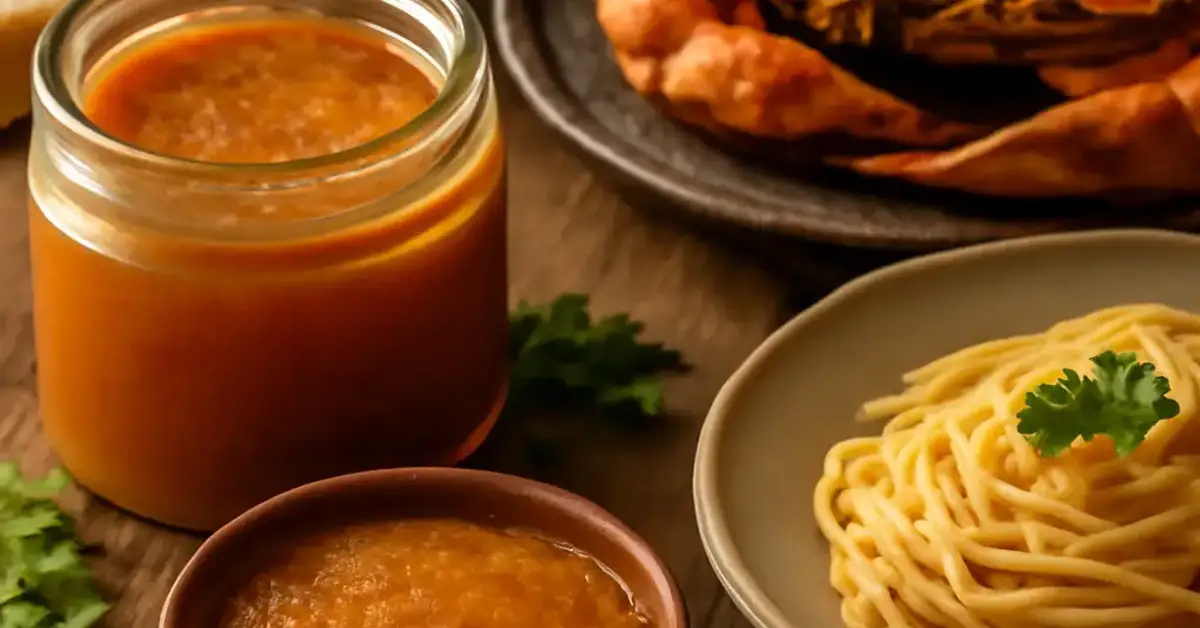
Pampanga Taba ng Talangka is the golden, buttery crab fat extracted from female alimasag (blue crabs) caught in the brackish waters of Pampanga.
- Pampanga Taba ng Talangka is made from pure crab fat (hepatopancreas) and roe, carefully extracted and sautéed with garlic and salt.
- It is considered a luxury item because it takes kilograms of crabs to produce a single bottle of rich crab fat.
- This Filipino crab fat spread can be used in pasta, fried rice, sinigang, or simply enjoyed on warm rice.
What Makes Pampanga Taba ng Talangka a Must-Try Luxury?
Growing up in Mindanao, in the quiet town of Isulan, Sultan Kudarat, I never imagined that my palate would one day be captivated by a tiny jar of golden crab fat from Pampanga. My love for seafood was born by the rivers and markets of my childhood, but it was only when I settled in Davao City and started traveling the Philippines as a digital nomad that I truly began to understand the depth of our regional cuisines. One bite of Pampanga Taba ng Talangka changed the way I think about Filipino food. It was rich, briny, and deeply savory—like the concentrated essence of the sea itself. This Kapampangan crab fat delicacy is not just an ingredient; it is a culinary treasure that tells the story of a province renowned for its cooking.
For seafood lovers, food bloggers, and anyone who has ever wanted to taste the soul of Kapampangan cuisine, understanding what makes this crab roe paste Philippines special is essential. In this article, we will explore every aspect of Pampanga Taba ng Talangka, from its traditional preparation to its modern uses in gourmet Filipino food.
Understanding Pampanga Taba ng Talangka: Definition and Origins
What Exactly Is Taba ng Talangka?
Taba ng Talangka translates literally to “crab fat.” Unlike the crab roe paste Philippines often associated with Chinese cuisine, Pampanga Taba ng Talangka is made from the entire hepatopancreas and fat of the female talangka (small estuary crab) or alimasag. It is not just roe, but a mixture of the crab’s fat, liver, and eggs, which gives it a distinctive buttery consistency. This authentic Taba ng Talangka is a staple in traditional Kapampangan cuisine, used as a flavor booster in everything from fried rice to grilled seafood.
The Origins of This Pampanga Seafood Delicacy
Pampanga, often called the “Culinary Capital of the Philippines,” has a long history of cooking with the freshest ingredients from its rivers, fields, and coast. The heritage food Pampanga tradition includes dishes like bringhe, morcon, and sisig, but none captures the essence of the province’s coastal bounty quite like Taba ng Talangka. Historical records indicate that Kapampangan fishermen have been extracting and preserving crab fat for centuries, long before it became a sought-after product in Manila markets. The abundance of alimasag in the Pampanga delta made it a natural resource for creating what we now know as a luxury seafood delicacy.
How Is Pampanga Taba ng Talangka Made?
Traditional Harvesting and Extraction
The process of making Pampanga Taba ng Talangka begins at dawn, when fishermen from towns like Macabebe, Masantol, and Sasmuan bring in their catch. Female blue crabs are selected because they contain the richest fat and roe. The crabs are steamed or boiled whole, then painstakingly cracked open by hand. The bright orange crab fat and coral-colored roe are carefully scooped out and separated from the meat. This manual step is what makes authentic Taba ng Talangka so labor-intensive and expensive—it takes approximately three to four kilograms of fresh crab to produce just one 200-milliliter jar of pure fat.
Sautéing and Preserving the Fat
Once extracted, the fat is gently sautéed in a pan with garlic, salt, and sometimes a small amount of oil or annatto for color. The goal is not to cook the fat completely but to warm it enough to meld the flavors and remove excess moisture. This step also extends its shelf life. After cooling, the fat is packed into sterilized jars, where it can last for several months if refrigerated. Modern artisanal producers follow the same traditional seafood preservation methods that Kapampangan grandmothers have used for generations.
Ingredients and Taste Profile of Authentic Taba ng Talangka
What Ingredients Are Used?
Authentic Pampanga Taba ng Talangka uses only three main ingredients: fresh crab fat and roe, garlic, and salt. High-quality brands or home cooks might add a splash of calamansi juice or a pinch of ground black pepper, but the purity of the crab flavor should always dominate. This minimalistic approach is what makes it a premium seafood product—it relies entirely on the quality of the crab.
What Does Crab Fat Taste Like?
Describing the taste of Pampanga Taba ng Talangka is like trying to describe the universe in a spoonful. It is intensely umami, with a natural butteriness that coats your tongue. The fat itself is silky and melts instantly, while the small granules of roe provide a slight pop and a briny sweetness. There is an underlying sweetness from the crab’s natural juices, balanced by a clean saltiness. To me, it tastes like the ocean, the morning, and the soul of Filipino comfort food all at once.
Why Is Pampanga Taba ng Talangka a Luxury Delicacy?
Several factors elevate Pampanga Taba ng Talangka to the status of a luxury seafood delicacy. First, the raw material is scarce: only female blue crabs in their peak fattening season (typically from August to January) yield the desired quality. Second, the manual extraction process drives up the price—each jar represents hours of careful handiwork. Third, the flavor is so concentrated that a small amount transforms an entire dish, much like truffle oil or saffron in Western cuisines. This is why Pampanga Taba ng Talangka is often priced at PHP 400 to PHP 800 per bottle, making it a prized item for gourmet Filipino food lovers.
Traditional Ways to Serve Taba ng Talangka
In Kapampangan homes, Pampanga Taba ng Talangka is most commonly served as a topping for plain steamed white rice. The fat melts into the grains, creating a dish called “aligue rice” or “crab fat rice.” It is also spread on toasted pandesal for a luxurious breakfast or used as a dip for grilled prawns and squid. Another traditional dish is “paksiw na talangka,” where the fat is incorporated into a sour broth with vinegar and ginger. For cultural food heritage Philippines documentaries and food tours, seeing a Kapampangan grandmother spoon this vibrant orange paste over steaming rice is a iconic image of Pampanga culinary heritage.
Creative Uses for Taba ng Talangka in Modern Cooking
Pasta and Risotto
Home cooks and chefs alike have embraced Pampanga Taba ng Talangka as a secret weapon for pasta dishes. A spoonful stirred into hot spaghetti with butter, garlic, and lemon juice creates an instant crab linguine. In risotto, it replaces the usual shellfish stock for a deeper, sweeter flavor. This crab fat recipe technique is now a signature of many Manila-based Filipino restaurants serving gourmet Kapampangan delicacies. For a related guide, see Pampanga Tamales: Wrapped Rice Delicacies for Festive Occasions.
Seafood Sauces and Soups
Add Pampanga Taba ng Talangka to sinigang na hipon for an extra layer of richness, or whisk it into a hollandaise sauce to serve over poached fish. It also makes a phenomenal base for a creamy seafood chowder. Because the fat is already cooked, it can be folded into hot liquids at the last minute without curdling.
Fried Rice and Baked Dishes
One of the easiest ways to enjoy Taba ng Talangka at home is by frying it with day-old rice, scrambled egg, and chopped scallions. The fat coats every grain, producing a golden, fragrant fried rice that needs nothing else. For Filipino comfort food with a twist, bake it into a cheese and crab fat dip served with crispy pita chips.
| Dish | How to Use Taba ng Talangka | Flavor Boost |
|---|---|---|
| Fried rice | Stir-fry 1 tbsp per cup of rice | Rich, savory, golden color |
| Pasta | Toss with butter and garlic | Umami seafood depth |
| Sinigang | Add 1 tsp per bowl at serving | Creamy, briny twist |
| Grilled seafood | Use as dipping sauce | Enhances natural sweetness |
Health Benefits and Moderation
Is Taba ng Talangka Healthy?
Pampanga Taba ng Talangka is a premium seafood product rich in omega-3 fatty acids, vitamin B12, and selenium. The fat contains good cholesterol (HDL) in moderate amounts, but it is also high in saturated fat and cholesterol due to the concentration of crab roe and liver. For most people, enjoying a spoonful or two as an occasional condiment is perfectly fine. However, individuals with high cholesterol or cardiovascular concerns should consume it mindfully. As with any gourmet Filipino food, the key is balance—use it to elevate a dish, not as a main ingredient.
Moderation Tips
A standard serving size is about one tablespoon (15 grams), which contains roughly 60-80 calories from fat. Pair it with high-fiber vegetables and lean protein to create a well-rounded meal. Because it is so flavor-packed, a little goes a long way.
Preservation and Shelf Life of Pampanga Taba ng Talangka
Traditional seafood preservation methods ensure that Pampanga Taba ng Talangka stays fresh for months. Once opened, keep it refrigerated and always use a clean, dry spoon to prevent contamination. Unopened jars stored in a cool, dark place can last up to six months. Commercially bottled versions often include a thin layer of oil on top to create an airtight seal. Never leave it at room temperature for more than two hours. If the fat develops a sour smell or mold, discard it immediately.
Where to Buy Authentic Pampanga Taba ng Talangka
If you are not in Pampanga, sourcing authentic Taba ng Talangka can be done through several channels. Local wet markets in the town of Macabebe and Masantol still sell freshly made jars. For those outside the province, online marketplaces like Lazada, Shopee, and specialty food retailers such as The Fat Seed and Good Shepherd have certified sellers. Look for products labeled “Pampanga Taba ng Talangka” and check the ingredient list—it should contain only crab fat, garlic, and salt. Avoid brands that add extenders like flour or artificial coloring. For Pampanga food tourism enthusiasts, joining a food tour in Angeles City or San Fernando City is the most immersive way to buy directly from producers.
Why Seafood Lovers Treasure This Delicacy
What makes Pampanga Taba ng Talangka a favorite among seafood lovers is its pure, unadulterated representation of the ocean. Unlike processed fish pastes or sauces, this Kapampangan crab fat delicacy retains the natural texture, color, and flavor of the live crab. Each jar is a testament to the skill of Kapampangan cooks who know exactly when the crab is at its fattest. The fat also pairs beautifully with other seafood, making it an essential ingredient for Filipino crab fat spread recipes and seafood specialty Philippines cooking. For a related guide, see Pampanga Buro: Fermented Fish Delicacy with a Strong Kapampangan Soul.
Pampanga Taba ng Talangka is also one of the best Pampanga foods for sharing. Bringing a jar home from a trip to Pampanga is like presenting a gift of pure Philippine seafood culture. Food bloggers and culinary students often film themselves tasting it for the first time, capturing that moment of surprise and delight.
Useful Resources
Aligue Rice Recipe by Pepper.ph — A step-by-step guide to making crab-fat fried rice at home.
SeafoodSource.com — Reliable industry information on crab species, sustainability, and global seafood trends.
Frequently Asked Questions About Pampanga Taba ng Talangka
What is Pampanga Taba ng Talangka ?
Pampanga Taba ng Talangka is a golden, buttery paste made from the fat, liver, and roe of female blue crabs caught in Pampanga. It is a premium Kapampangan crab fat delicacy used as a spread or flavor booster.
How is Taba ng Talangka made in Pampanga?
It is made by steaming fresh female crabs, manually extracting the fat and roe, then sautéing them with garlic and salt before packing into jars.
What ingredients are used in authentic Taba ng Talangka ?
Authentic Taba ng Talangka contains only crab fat and roe, garlic, and salt. Some versions add a tiny amount of oil or ground pepper.
Why is Taba ng Talangka considered a luxury delicacy?
Because it takes three to four kilograms of crabs to produce a single 200-milliliter jar, and the manual extraction process is time-consuming, making it a rare and expensive product.
What does crab fat taste like?
It has an intense umami flavor with a buttery, creamy texture. The taste is briny, sweet, and slightly nutty, with a concentrated seafood essence.
How is Taba ng Talangka traditionally served?
Traditionally, it is spooned over warm white rice to make crab-fat rice, or spread on pandesal. It is also used as a dip for grilled seafood.
What is the history of Taba ng Talangka in Kapampangan cuisine?
Kapampangan fishermen have been extracting and preserving crab fat for centuries, long before it gained commercial popularity. It is part of the province’s heritage of using the freshest river and coastal ingredients.
Why is Pampanga famous for its crab fat delicacies?
Pampanga’s brackish waters and river deltas provide an ideal habitat for fat-rich blue crabs. The province’s culinary tradition also emphasizes high-quality, flavorful ingredients.
How do you use Taba ng Talangka in cooking?
It can be stirred into fried rice, pasta, risotto, soups, or sauces. Use it as a finishing fat or a umami bomb.
What dishes pair best with Taba ng Talangka ?
It pairs beautifully with plain rice, grilled shrimp, sinigang, steamed vegetables, and even scrambled eggs.
Is Taba ng Talangka healthy to eat in moderation?
Yes, it provides omega-3s and selenium, but it is high in cholesterol. A tablespoon or two as an occasional condiment is fine for most people.
How is crab fat preserved for long-term use?
It is sautéed to remove moisture, then packed in sterilized jars and refrigerated. A thin layer of oil on top helps create an airtight seal.
Where can you buy authentic Pampanga Taba ng Talangka ?
You can buy it at local markets in Pampanga, on online platforms like Lazada and Shopee, or from specialty food stores in Metro Manila.
What makes Taba ng Talangka a favorite among seafood lovers?
Its pure, intense crab flavor and creamy texture deliver an unmatched seafood experience in a single bite.
Why is Taba ng Talangka considered one of Pampanga’s most prized delicacies?
Because it represents the province’s mastery of transforming simple local ingredients into a luxurious, labor-intensive product that is deeply tied to Kapampangan identity.
Can I freeze Taba ng Talangka ?
Freezing is not recommended because the fat may lose its smooth texture. Refrigeration is best.
Is Taba ng Talangka the same as crab roe paste?
No. Crab roe paste is often made only from eggs, while Taba ng Talangka includes the entire fat, liver, and roe, giving it a creamier consistency.
How long does an opened jar of Taba ng Talangka last?
When refrigerated and kept dry, an opened jar can last 2–3 months. Always use a clean spoon.
What does the color of Taba ng Talangka indicate?
Bright orange or deep golden yellow indicates high-quality fat from well-fed crabs. Pale color may mean lower quality or age.
Can I make Taba ng Talangka at home?
Yes, if you have access to fresh female blue crabs. The process is simple but labor-intensive: steam, extract, sauté.

Jin Grey is a Filipino Senior SEO Consultant and AI-First SEO Strategist who helps international brands grow through modern search strategies. She specializes in technical SEO, semantic keyword research, and AI-ready content creation. She is also the owner of JinGrey.com.
As a digital nomad, she loves exploring the world and trying different cuisines during her free time.