
Palawan Crab Curry Key Takeaways
Palawan crab curry is a creamy, spice-kissed Filipino dish that captures the soul of island cooking.
- Palawan crab curry uses freshly caught crab, coconut milk, ginger, garlic, and siling haba for mild spice.
- It is a must-try Palawan seafood delicacy that reflects the province’s rich fishing traditions and tropical ingredients.
- The curry pairs perfectly with steamed rice or crusty bread, and is best enjoyed at seaside eateries in El Nido, Puerto Princesa, and Coron.
A Taste of Home: Why Palawan Crab Curry Stayed With Me
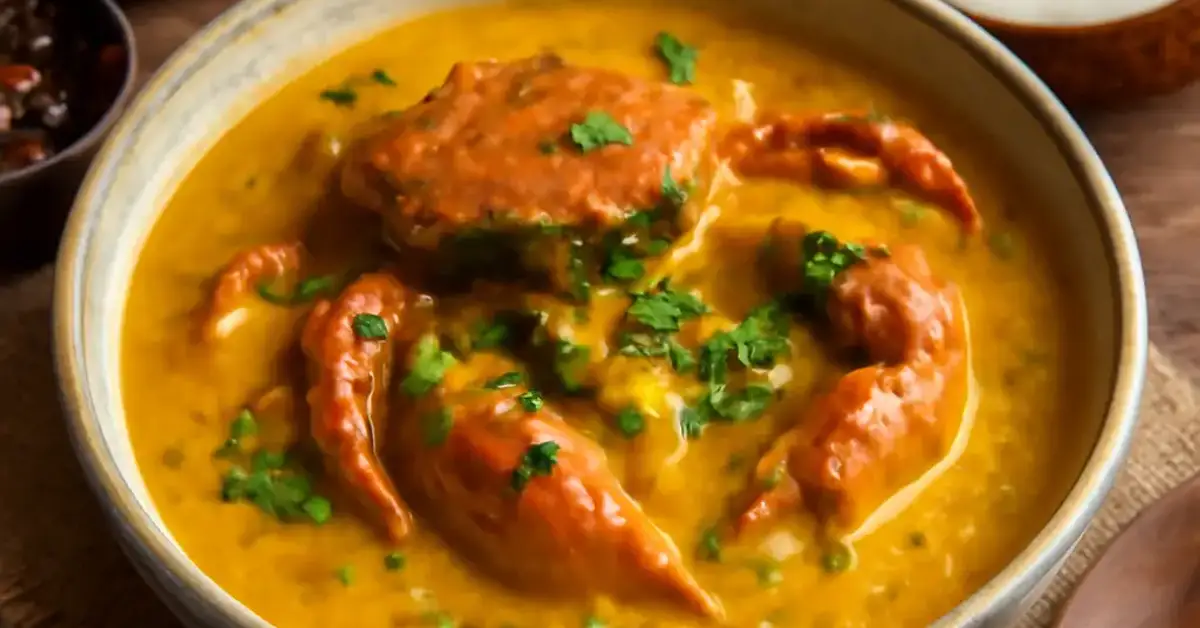
I remember the first time I sat down to a steaming bowl of Palawan crab curry. It was on a humid evening in a tiny bamboo hut on the shores of El Nido, the waves lapping just a few feet away. The owner, a weather-beaten fisherman named Mang Lando, set down a clay pot brimming with orange-hued sauce and a whole crab perched on top. The aroma hit me first — ginger, garlic, and the sweet perfume of coconut milk mingling with something I couldn’t quite place. I cracked open a claw, dipped the tender meat into the sauce, and tasted the ocean, the earth, and the sun all at once. That moment turned me into a lifelong fan of this dish, and it continues to draw me back to Palawan again and again.
What Is Crab Curry? And How Palawan Makes It Unique
At its core, crab curry is a dish where fresh crab is cooked in a spiced, liquid-based sauce. But the Palawan seafood delicacy version uses ingredients that reflect the island’s bounty. Instead of heavy cream or tomatoes, cooks rely on coconut milk for creaminess. Instead of curry powder, they use fresh ginger, garlic, shallots, and siling haba (long green chili) for a gentle, aromatic heat. The result is a coconut crab curry that feels both familiar and wonderfully distinct. For a related guide, see Palawan Fresh Oyster Dishes: The Ocean Delicacy Served Straight from the Sea.
The Secret Ingredients Behind the Creamy Seafood Curry
What makes Palawan crab curry so irresistible is the careful balance of local spices and fresh catch. Here is what goes into a traditional pot.
Crab — Fresh from Palawan Waters
The best Filipino crab dishes start with live, locally caught crab — usually mud crab or blue swimmer crab. The sweetness of the meat is essential because it interacts with the spices rather than being overpowered by them. Freshness is non-negotiable.
Coconut Milk — The Creamy Foundation
Thick coconut milk, extracted from mature coconuts, gives the creamy seafood curry its velvety body. It also balances the heat from chilies and adds a subtle sweetness that complements the crab. In Palawan, coconuts are abundant, and cooks use both kakang gata (first press) for the final simmer and a thinner press for the base.
Aromatics and Spices — The Flavor Anchors
Ginger, garlic, and onion form the aromatic base. Then come the distinctly Filipino touches: siling haba (long green chili) for mild spice, turmeric for color and earthy depth, and sometimes lemongrass for citrusy freshness. A pinch of patis (fish sauce) or bagoong (shrimp paste) adds umami. Unlike Indian curries, Filipino curry rarely uses heavy spice blends — the goal is to let the crab shine.
Local Vegetables (Optional)
Some versions add kangkong (water spinach), okra, or green beans to bulk up the dish and add texture. These also soak up the sauce beautifully.
How Do Filipinos Cook Crab Curry? Step-by-Step Guide
Understanding how do Filipinos cook crab curry helps you appreciate the technique behind this coastal Filipino cuisine staple. Here is a streamlined method used in Palawan kitchens.
- Clean the crab. Remove the top shell, discard the gills and mouth, and quarter the body. Crack the claws slightly so the sauce seeps in.
- Sauté aromatics. In a deep pot, heat oil and cook garlic, ginger, and onions until fragrant. Then add siling haba and turmeric.
- Add the crab. Toss in the crab pieces and stir until they turn bright orange.
- Pour in coconut milk. Start with thin coconut milk, bring to a simmer, and let the crab cook for 8-10 minutes.
- Season and finish. Add fish sauce or salt, pepper, and kakang gata (thick coconut milk). Let it simmer for 2 more minutes. Adjust seasoning to taste.
- Serve immediately. Garnish with fresh chili or cilantro if desired.
The key is to not overcook the crab — the meat should remain tender, not rubbery.
What Does Crab Curry Taste Like? A Flavor Journey
If you ask what does crab curry taste like, imagine the briny sweetness of the crab wrapped in a silky, savory-coconut sauce with a gentle tingle of chili. It is not fiery like a Thai red curry — the heat is subtle, more like a warm embrace than a punch. The ginger and turmeric give it a fresh, earthy undertone, while the fish sauce rounds out the flavors with umami. Each spoonful carries the essence of Palawan’s tropical shores.
Health Benefits: Is Crab Curry Healthy?
Is crab curry healthy? While it is a comforting dish, it also offers nutritional perks. Crab is rich in lean protein, omega-3 fatty acids, and essential minerals like selenium and zinc. Coconut milk provides healthy medium-chain triglycerides (MCTs) that support energy metabolism. The ginger and turmeric are anti-inflammatory. However, the dish is moderately high in calories and saturated fat from the coconut milk, so portion control is wise. Overall, it fits well into a balanced diet when enjoyed as an occasional tropical seafood meal.
What Side Dishes Go with Crab Curry?
The best companion for Palawan crab curry is steaming white rice — the fluffy grains soak up every drop of the creamy sauce. But there are other excellent pairings:
- Steamed vegetables like ampalaya (bitter gourd) or okra for a slight bitterness that contrasts the richness.
- Atchara (pickled papaya) for acidity and crunch.
- Grilled fish or sinuglaw (grilled pork and ceviche) for a full island seafood dishes feast.
- Crusty bread like pandesal to mop up the sauce.
Where Can Tourists Eat Crab Curry in Palawan?
If you are wondering where can tourists eat crab curry in Palawan, the answer is: in almost every coastal town, but some spots are legendary.
| Location | Recommended Eatery | Specialty |
|---|---|---|
| Puerto Princesa | Kalui Restaurant | Crab curry with artful presentation |
| El Nido | Trattoria Altrove | Fusion-style crab curry |
| Coron | Lolo Nonoy’s Food Station | Traditional no-frills crab curry |
| Port Barton | White Beach Resto | Kangkong and okra in the sauce |
For the most authentic experience, visit the local Palawan food guide favorite — the wet market in Puerto Princesa, where vendors cook your freshly caught crab right in front of you.
What Seafood Delicacies Are Famous in Palawan?
While Palawan crab curry is a star, the province boasts other seafood specialties Palawan that deserve attention: tamilok (woodworm marinated in vinegar and chili), kinilaw (Filipino ceviche made with fresh fish and coconut vinegar), lato (sea grapes eaten as salad), and grilled lobster brushed with garlic butter. Together, they paint a vivid picture of coastal Filipino cuisine. For a related guide, see Palawan Kinilaw: The Fresh Seafood Delicacy Bursting with Flavor.
Why Is Filipino Curry Different? And Why Do Filipinos Love It?
Many people ask is Filipino curry spicy — the answer is generally no, not by Southeast Asian standards. Filipino curry, including crab curry Philippines, uses mild chilies and focuses on savoriness and creaminess rather than heat. This approach makes it accessible to all palates, including children and those who prefer gentle flavors. Why do Filipinos love seafood curry? It connects them to the ocean: every fishing community has its own version, and it is a dish that brings families together around the table.
Useful Resources
For more on Palawan seafood delicacy culture and travel tips, check out these trusted sources:
- Philippine Department of Tourism — Palawan Food Guide: Official list of must-try dishes and recommended restaurants.
- Pepper.ph — The Ultimate Palawan Food Guide: A food writer’s deep dive into the best local eats across the islands.
Final Thoughts: Why Palawan Crab Curry Belongs on Your Food Bucket List
For me, every bowl of Palawan crab curry is a reminder of why I love exploring the Philippines as a digital nomad. It captures the generosity of the land and sea — the sweetness of the crab, the richness of the coconut, the gentle warmth of the chili. Whether you are a seasoned traveler or a first-time visitor, this spicy seafood curry is more than a meal; it is a story waiting to be tasted. So next time you find yourself in Palawan, pull up a chair by the water, order a pot of crab curry, and let the flavors carry you. And if you cannot make it to the islands just yet, try cooking it at home — it will bring the taste of the tropics straight to your table.
Frequently Asked Questions About Palawan crab curry
What is crab curry?
Crab curry is a savory dish where crab is cooked in a seasoned, often creamy sauce. In the Philippines, it is typically made with coconut milk, ginger, garlic, and mild chilies, resulting in a creamy seafood curry that highlights the natural sweetness of the crab.
Why is crab curry popular in Palawan?
Palawan’s abundant fresh crab supply and coconut groves make it a natural birthplace for coconut crab curry. The dish reflects the island’s resourcefulness and its preference for bright, coastal flavors. It is also a favorite among tourists seeking authentic island seafood dishes.
What does crab curry taste like?
What does crab curry taste like? It is creamy, mildly spicy, and savory-sweet. The crab meat stays tender, and the coconut milk-based sauce carries notes of ginger, garlic, and turmeric, with a gentle finish of chili heat.
How do Filipinos cook crab curry?
How do Filipinos cook crab curry usually involves sautéing aromatics, adding cleaned crab pieces, then simmering in coconut milk. The process is quick — about 20 minutes total — to keep the crab tender. Fish sauce or shrimp paste adds depth.
What foods should tourists try in Palawan?
Tourists should try Palawan crab curry, tamilok, kinilaw, lato salad, and grilled reef fish. These dishes represent the best of local delicacies Palawan and the province’s coastal lifestyle.
Is Filipino curry spicy?
Is Filipino curry spicy? Generally no — Filipino curry is mild compared to Indian or Thai curries. It uses siling haba or sometimes bird’s eye chili in small quantities, making it family-friendly and suitable for those who prefer gentle heat.
What seafood delicacies are famous in Palawan?
Famous seafood specialties Palawan include crab curry, grilled lobster, kinilaw na isda, baked scallops, and tamilok. Each dish takes advantage of the province’s pristine waters and rich marine life.
What makes crab curry creamy?
What makes crab curry creamy is the generous use of coconut milk — particularly kakang gata, the thick first extraction. This natural creaminess replaces dairy and gives the sauce its luscious, velvety texture.
How is crab curry prepared?
How is crab curry prepared starts with cleaning and quartering fresh crab. The crab is then sautéed with garlic, ginger, and onion, simmered in thin coconut milk, and finished with thick coconut milk and seasonings. It is served hot, often with rice.
What spices are used in Filipino curry?
What spices are used in Filipino curry typically include ginger, garlic, onion, siling haba, turmeric, and sometimes lemongrass or bay leaves. Curry powder is rarely used; the flavor comes from fresh aromatics instead.
Where can tourists eat crab curry in Palawan?
Where can tourists eat crab curry in Palawan? Head to Kalui Restaurant in Puerto Princesa, Trattoria Altrove in El Nido, Lolo Nonoy’s Food Station in Coron, or local carinderias near the docks. Markets also offer budget-friendly versions cooked on the spot.
Why do Filipinos love seafood curry?
Why do Filipinos love seafood curry? It combines two beloved elements — fresh seafood and creamy coconut milk — in a dish that is comforting and celebratory. It is also a practical way to highlight the day’s catch without complicated techniques.
What side dishes go with crab curry?
What side dishes go with crab curry? Steamed white rice is essential. Also try atchara (pickled papaya), sautéed okra or kangkong, grilled fish, and fresh cucumber slices. These sides add contrast and texture.
Is crab curry healthy?
Is crab curry healthy? In moderation, yes. It provides lean protein, omega-3s, and beneficial MCTs from coconut milk. However, it is also high in saturated fat and calories, so it is best enjoyed as part of a varied diet.
What seafood is popular in Palawan?
What seafood is popular in Palawan includes crab, lobster, reef fish (like lapu-lapu and maya-maya), squid, shrimp, and shellfish. These are often grilled, steamed, or made into curries and kinilaw.
Can I make Palawan crab curry at home outside the Philippines?
Yes. Substitute local blue crab, Dungeness, or even frozen crab if live is unavailable. Use canned coconut milk (not light) and fresh ginger, garlic, and siling haba (or substitute with serrano or jalapeño for mild heat).
Is Palawan crab curry gluten-free?
Yes, the traditional version is naturally gluten-free, as it uses no wheat-based ingredients. Just ensure that any added fish sauce or shrimp paste is certified gluten-free.
How long does crab curry take to cook?
From prep to table, Palawan crab curry takes about 30–40 minutes. Most of the time is spent cleaning the crab; the actual cooking is quick to prevent the meat from becoming tough.
What is the best rice to eat with crab curry?
Steamed jasmine rice or regular white rice are best. They absorb the sauce without competing for flavor. Some locals also enjoy garlic rice for an extra layer of aromatics.
Why does Palawan crab curry taste different from other curries?
Because Palawan crab curry uses fresh coconut milk and local aromatics rather than heavy spice blends or dairy. It is lighter, sweeter, and more oceanic in flavor — a true expression of coastal Filipino cuisine.

Jin Grey is a Filipino Senior SEO Consultant and AI-First SEO Strategist who helps international brands grow through modern search strategies. She specializes in technical SEO, semantic keyword research, and AI-ready content creation. She is also the owner of JinGrey.com.
As a digital nomad, she loves exploring the world and trying different cuisines during her free time.