
Palawan Lato Salad Key Takeaways
Palawan lato salad is a beloved Filipino dish made from fresh sea grapes (lato), known for its briny pop and resemblance to caviar.
- Lato is a type of seaweed that bursts like caviar in your mouth, hence the name "green caviar."
- Palawan’s pristine waters produce some of the freshest lato, making it a must-try in the region.
- This dish is naturally low in calories and rich in iodine, calcium, and antioxidants.
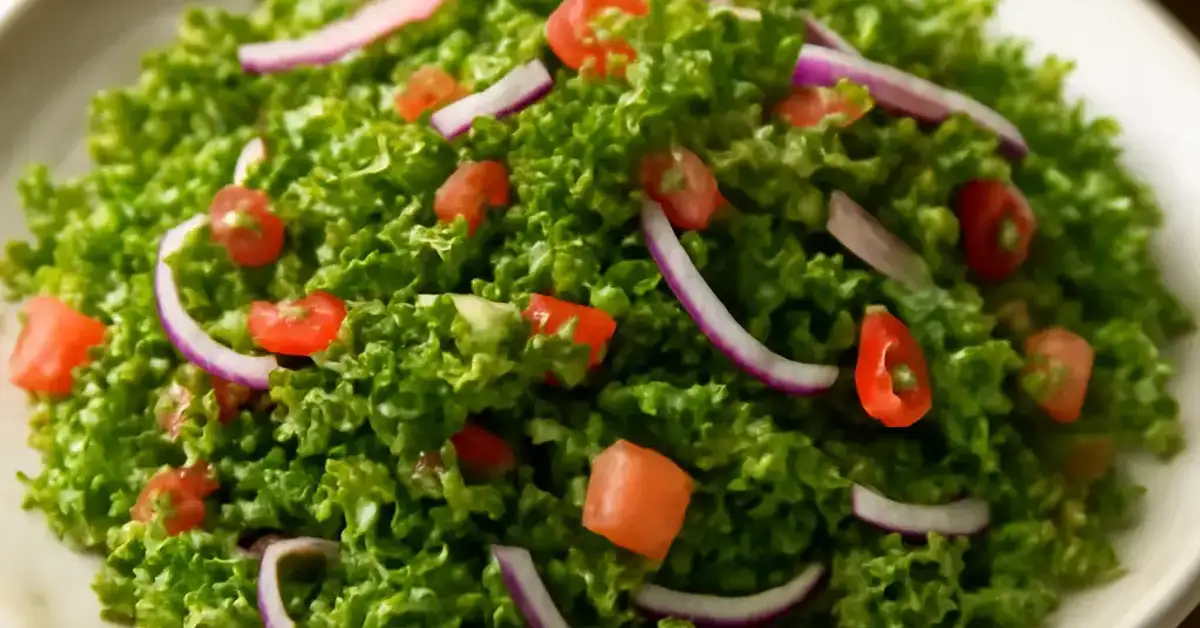
What Is Palawan Lato Salad? Understanding the Green Caviar
The first time I saw a bowl of Palawan lato salad at a beachfront eatery in Puerto Princesa, I thought someone had sprinkled tiny green marbles over fresh tomatoes and onions. I was wrong—and wonderfully surprised. Lato, or sea grapes, is a species of green seaweed that grows abundantly in the warm, clean waters surrounding Palawan. Each tiny bead holds a burst of seawater, giving it a texture that pops gently between your teeth.
This lato seaweed salad is one of the most iconic Filipino seaweed dishes you’ll find. Locals have been eating it for generations, usually as a simple side or a main component in seafood meals. What makes it stand out is how unprocessed it is. The seaweed is harvested, rinsed, and served almost immediately—sometimes even raw.
Why Is Lato Called Green Caviar?
If you’ve never heard of green caviar Philippines, think about the texture of expensive fish roe. Lato offers a similar burst of flavor and salinity, but it comes from the ocean in plant form. The comparison is so fitting that chefs and food writers around the world now call it “green caviar.”
Unlike real caviar, which can cost hundreds per ounce, lato is an affordable fresh seaweed delicacy available to anyone visiting Palawan. It’s also sustainable and completely plant-based, making it a favorite among healthy seaweed salad lovers. For a related guide, see Palawan Kinilaw: The Fresh Seafood Delicacy Bursting with Flavor.
The Taste and Texture of Palawan Lato Salad
What does lato taste like? I describe it as the ocean’s answer to a cucumber with a briny finish. The beads are crunchy yet tender, and they release a mild salty juice when you bite into them. Some compare it to seaweed used in Japanese cuisine, but lato is much more delicate.
In a typical sea grapes salad, the lato is mixed with sliced tomatoes, red onions, and sometimes chili. The dressing is almost always a simple blend of vinegar, calamansi, and salt. This lets the natural flavor of the seaweed shine.
If you’re wondering is lato eaten raw, yes, it usually is. The seaweed is rinsed thoroughly to remove sand and grit, then served fresh. You can also find it blanched briefly, but most Palawan locals prefer it raw for the best texture. For a related guide, see Palawan Chao Long: The Vietnamese-Inspired Noodle Delicacy Loved by Locals.
Health Benefits of Lato Seaweed Salad
Is lato healthy? Absolutely. This ocean vegetables Philippines staple is packed with nutrients. Here’s what a serving of lato seaweed salad can offer:
- Iodine: Supports thyroid function and metabolism.
- Calcium: More per gram than many dairy products.
- Antioxidants: Help reduce inflammation and oxidative stress.
- Low calories: Perfect for healthy Filipino food diets.
- Fiber: Aids digestion and keeps you full longer.
For wellness food lovers and health-conscious travelers, lato is a dream ingredient. It’s natural, minimally processed, and full of micronutrients that modern diets often lack.
Nutritional Comparison: Lato vs. Common Salad Greens
| Nutrient (per 100g) | Lato (Sea Grapes) | Romaine Lettuce | Spinach |
|---|---|---|---|
| Calories | ~40 kcal | ~17 kcal | ~23 kcal |
| Calcium | ~300 mg | ~33 mg | ~99 mg |
| Iodine | High | Trace | Trace |
| Fiber | ~4 g | ~2 g | ~2 g |
How to Prepare Lato Recipe Philippines Style
Making a lato recipe Philippines style is remarkably easy. I learned this from a vendor at a market in El Nido. She took a handful of fresh lato, swished it in a bowl of water three times, and then tossed it with the simplest ingredients.
Here’s a basic preparation method used by locals:
- Rinse thoroughly: Lato grows in sandy areas, so you need to rinse it multiple times. Some people soak it for a few minutes to remove any grit.
- Prepare the dressing: In a small bowl, mix vinegar (coconut or cane), fresh calamansi juice, minced garlic, sliced red onions, and salt to taste.
- Toss gently: Combine the seaweed and dressing. Add chopped tomatoes and optional chili. Do not overmix, as the beads can break.
- Serve immediately: Lato is best eaten fresh. It can become limp if left to sit for too long.
This Palawan seafood salad pairs beautifully with grilled fish, squid, or even fried chicken. Many restaurants serve it as a side dish alongside seafood dishes in Palawan. For a related guide, see Palawan Grilled Tuna Belly: The Smoky Seafood Delicacy by the Coast.
Why Is Lato Popular in Palawan?
Why is lato popular in Palawan? The answer lies in the geography. Palawan’s waters are among the cleanest in the Philippines, making them ideal for seaweed cultivation. Lato grows naturally in these nutrient-rich seas, and the local fishing communities have been harvesting it for generations.
As tourism grew, so did interest in local delicacies Palawan. Travel bloggers, food vloggers, and culinary explorers started featuring lato in their content, calling it a must-try. Today, it’s one of the most recognizable Palawan food guide highlights.
For Filipino island cuisine enthusiasts, lato represents everything: fresh, local, and incredibly flavorful. It’s also a staple in tropical seafood delicacies menus across the islands.
Where to Try the Best Lato Salad in Palawan
If you’re asking where can tourists try lato salad in Palawan, you’re in luck. It’s available in most seafood restaurants and local eateries. Here are some top recommendations:
- Puerto Princesa: Try Bona’s Chaolong or Kinabuch’s Grill. Both serve fresh lato as a side.
- El Nido: Head to Artcafe or Happy Beach Bar. Their versions often include mango and chili.
- Port Barton: Small roadside grills offer it with grilled seafood platters.
- Coron: Local markets sell it by the kilo. You can buy and ask vendors to dress it for you.
Most tourists encounter lato at hotel buffets or during island-hopping tours. If you’re on a group tour, ask your guide if they can arrange a fresh batch for lunch.
How Do Filipinos Eat Lato?
How do Filipinos eat lato? Traditionally, it’s served as a dipping salad or a side dish. You’ll see it on the table alongside grilled fish, fried pork, or even adobo. Some eat it with their hands, pinching a small bunch and dipping it into the vinegar mixture.
In recent years, chefs have gotten creative. I’ve seen lato used as a topping for rice bowls, mixed into ceviche, and even blended into dressings. However, the classic preparation remains the most popular.
Is Lato Expensive?
Is lato expensive? No. In Palawan, a generous serving of Palawan lato salad costs between PHP 50 to PHP 150 (USD 1 to 3). At local markets, you can buy a kilo of fresh lato for around PHP 100 to PHP 200. Considering its nutritional value and unique taste, it’s one of the best-value local delicacies Palawan has to offer.
Useful Resources
For more on seaweed farming in the Philippines, visit the FAO page on seaweed cultivation in Palawan. To explore more traditional Filipino dishes, check out Rappler’s feature on healthy seaweed recipes.
Frequently Asked Questions About Palawan Lato Salad
What is lato salad?
Lato salad is a Filipino dish made from fresh sea grapes seaweed, typically mixed with tomatoes, onions, and a vinegar-calamansi dressing. It is also known as Palawan lato salad.
Why is lato called green caviar?
Lato is called green caviar because its small green beads burst in your mouth, releasing a briny flavor similar to fish roe. This texture and taste earn it the moniker green caviar Philippines.
What does lato taste like?
Lato tastes mildly salty and briny with a crisp, juicy texture. Some describe it as a sea-flavored cucumber. The flavor is subtle and pairs well with sour and spicy dressings.
Is lato healthy?
Yes, lato is very healthy. It is low in calories, rich in iodine, calcium, fiber, and antioxidants. It supports thyroid health, bone density, and digestion.
What is sea grapes seaweed?
Sea grapes are a type of green seaweed (Caulerpa lentillifera) that grows in tropical seawater. They look like tiny green grapes and are commonly called lato in the Philippines.
Why is lato popular in Palawan?
Lato is popular in Palawan because the province’s clean, nutrient-rich waters produce some of the freshest seaweed in the country. It is a staple in Filipino island cuisine and a favorite among tourists.
How do Filipinos eat lato?
Filipinos typically eat lato raw as a salad with vinegar, calamansi, tomatoes, and onions. It is often served as a side dish to grilled seafood or meat.
What foods should tourists try in Palawan?
Tourists should try lato salad, fresh grilled seafood, tamilok (woodworm), and crocodile sisig. Palawan lato salad is a must for its unique taste and health benefits.
Is lato eaten raw?
Yes, lato is almost always eaten raw. It is thoroughly rinsed to remove sand and then dressed and served immediately. Some versions briefly blanch it, but raw is preferred.
What are the benefits of seaweed salad?
Seaweed salad provides essential minerals like iodine and calcium, supports thyroid function, is low in calories, and contains antioxidants that help reduce inflammation.
Where can tourists try lato salad in Palawan?
Tourists can try lato salad at seafood restaurants in Puerto Princesa, El Nido, Port Barton, and Coron. It is also available at local markets and during island-hopping tours.
What does seaweed salad taste like?
Seaweed salad has a fresh, briny, and slightly salty taste. Depending on the dressing, it can be tangy, spicy, or savory. Lato has a pop-like texture that is very satisfying.
Is lato expensive?
No, lato is very affordable. A serving costs around PHP 50 to PHP 150 in restaurants, and fresh seaweed can be bought at markets for PHP 100 to PHP 200 per kilo.
How is lato prepared?
Lato is prepared by rinsing it thoroughly to remove sand, then tossing it with a dressing of vinegar, calamansi, garlic, onions, and tomatoes. It is served fresh without cooking.
What seafood delicacies are famous in Palawan?
Famous seafood delicacies in Palawan include lato salad, grilled coral fish, squid adobo, and kinilaw (Filipino ceviche). Lato is a standout for its unique texture.
Can I eat lato if I’m pregnant?
If you are pregnant, consult your doctor before eating lato due to its high iodine content. In small amounts, it is generally safe, but medical advice is recommended.
Does lato need to be cooked?
No, lato does not need to be cooked. It is eaten raw to preserve its crunchy texture and fresh flavor. Cooking can make it mushy.
What is the best dressing for lato salad?
The best dressing is a simple mixture of coconut vinegar or cane vinegar, calamansi juice, minced garlic, sliced red onions, and a pinch of salt. Some add chili for heat.
Can I find lato outside Palawan?
Yes, lato is available in other coastal areas of the Philippines like Cebu, Bohol, and Mindanao. However, Palawan is famous for having the freshest and best-tasting lato.
How should I store fresh lato?
Store fresh lato in the refrigerator, submerged in cold water, and use it within one day. It loses its crisp texture quickly, so it’s best eaten immediately after purchase.

Jin Grey is a Filipino Senior SEO Consultant and AI-First SEO Strategist who helps international brands grow through modern search strategies. She specializes in technical SEO, semantic keyword research, and AI-ready content creation. She is also the owner of JinGrey.com.
As a digital nomad, she loves exploring the world and trying different cuisines during her free time.