
Palawan Prawn Sinigang Key Takeaways
Palawan prawn sinigang is a vibrant, sour seafood soup that captures the essence of tropical island life.
- Palawan prawn sinigang is a beloved Filipino sour soup that highlights the sweetness of fresh prawns against a tangy tamarind broth.
- It is a staple Palawan seafood delicacy and a prime example of tropical Filipino dishes that celebrate local ingredients.
- This seafood sinigang is not only delicious but also packed with nutrients, making it a healthy Filipino comfort food .
What Makes Palawan Prawn Sinigang a Must-Try Palawan Seafood Delicacy?
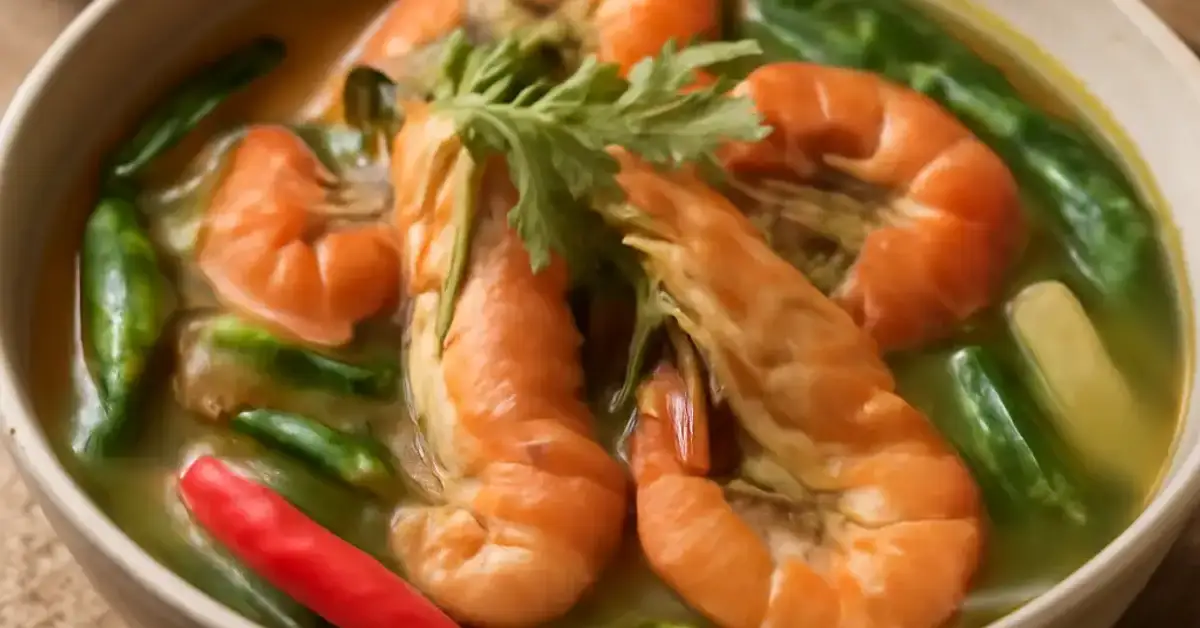
I remember my first bowl of Palawan prawn sinigang on a humid afternoon in Puerto Princesa. The broth was a beautiful amber, dotted with green vegetables and crowned with plump, coral-hued prawns. One sip and I understood why this dish is the soul of coastal Filipino food. The sourness from the tamarind didn’t just wake up my taste buds; it told a story of the islands — of fresh catches, of family gatherings, and of a cuisine that treasures balance above all else.
As a Filipino who grew up in Mindanao and now roams the archipelago as a digital nomad, I’ve had my fair share of sinigang. But the version from Palawan stands apart. The prawns here are different — sweeter, firmer, and tasting of the pristine waters they come from. When you combine these fresh seafood Palawan is known for with the classic tamarind seafood soup technique, you get a dish that is both familiar and extraordinary.
Prawn sinigang Philippines style is typically made with pork or shrimp, but the seafood sinigang of Palawan elevates the recipe. The prawns are the star, supported by a medley of vegetables that add texture and nutrition. It is an authentic Filipino soup that embodies the phrase “so sour it makes you smile.”
What Does Palawan Prawn Sinigang Taste Like? A Flavor Profile
If you have never tried tamarind seafood soup before, imagine a broth that is boldly sour but not overpowering. The tamarind provides a fruity, mouth-puckering tang that is immediately softened by the natural sweetness of the prawns. Then comes the umami — a subtle savory note from the shrimp heads and the fish sauce used in seasoning.
The vegetables — typically radish, okra, string beans, eggplant, and kangkong (water spinach) — soak up the broth and offer contrasting textures. The okra adds a slight sliminess that many Filipinos love, while the radish remains crisp. A touch of siling haba (long green chili) gives a mild heat that rounds out the flavor without making the dish spicy. So, Is sinigang spicy? Authentically, no — but it has a gentle warmth from the chili that enhances the sourness.
What does prawn sinigang taste like? It is a symphony of sour, salty, sweet, and savory. The sourness is the lead singer, but the supporting notes make it a complete performance.
The Cultural Roots: Why Sinigang Is the Heart of Filipino Comfort Food
Why is sinigang popular in the Philippines? The answer lies in the Filipino palate. We love sour flavors — whether from calamansi, kamias, or tamarind. Sinigang, which comes from the verb sigang meaning “to stew in a sour broth,” is a cooking method that predates Spanish colonization. It is a dish that connects modern Filipinos to their ancestors.
For many of us, sinigang is Filipino comfort food at its best. It is what my mother would cook on a rainy day, what we shared during Sunday lunches, and what I crave when I am far from home. The version made with prawns — shrimp sinigang recipe style — is especially cherished in coastal areas like Palawan, where seafood is abundant and affordable. For a related guide, see Palawan Stuffed Squid: The Savory Seafood Delicacy Packed with Flavor.
Why do Filipinos love sour soup? The heat and humidity of the tropics make sour flavors refreshing. A bowl of sinigang cools you down, awakens your appetite, and feels light on the stomach. It is the perfect food for the tropical climate, which is why tropical Filipino dishes often feature sour broths.
Step-by-Step: How to Prepare the Perfect Seafood Sinigang
How is prawn sinigang prepared? Making prawn sinigang Philippines style at home is simpler than you might think. Here is a step-by-step guide to recreating this Palawan food guide favorite in your own kitchen.
Ingredients You Will Need
- 1 kg fresh prawns (heads on for flavor)
- 1 pack tamarind sinigang mix (or fresh tamarind pulp)
- 1 medium onion, sliced
- 2 tomatoes, quartered
- 1 daikon radish, sliced
- 1 cup okra, ends trimmed
- 1 cup string beans, cut into 2-inch pieces
- 1 small eggplant, sliced
- 2 cups kangkong leaves
- 2-3 pieces siling haba (long green chili)
- 2 tablespoons fish sauce (patis)
- 6 cups water or rice wash
- Salt and pepper to taste
Preparation Steps
Step 1: Clean the Prawns. Rinse the prawns under cold water. Leave the heads and shells on — they add immense flavor to the broth. Remove the digestive tract if desired, but many prefer to leave it for authenticity.
Step 2: Sauté the Aromatics. In a large pot, sauté the onion and tomatoes over medium heat until the tomatoes soften and release their juices. This builds the base of the soup.
Step 3: Add the Tamarind Base. Pour in the water and bring to a boil. Add the tamarind sinigang mix or fresh tamarind pulp. Stir until fully dissolved. If using fresh tamarind, boil it separately with a cup of water, mash it, strain the pulp, and add the liquid to the pot.
Step 4: Cook the Vegetables (Except Kangkong). Add the radish, okra, string beans, and eggplant. Cook for 5-7 minutes until they begin to soften. The radish should still have a slight crunch.
Step 5: Add the Prawns and Chili. Gently add the prawns and siling haba. Simmer for 3-5 minutes only. Overcooking prawns makes them rubbery. You want them just pink and cooked through.
Step 6: Season and Finish. Season with fish sauce, salt, and pepper. Taste and adjust the sourness — add more tamarind if you want a stronger tang. Finally, add the kangkong leaves and turn off the heat. The residual heat will wilt the greens perfectly.
Step 7: Serve Immediately. Ladle the seafood soup Philippines style into bowls and serve with steamed rice. Enjoy the burst of tropical flavors.
What Vegetables Are Used in Sinigang? A Complete Guide
What vegetables are used in sinigang? The beauty of sinigang is its flexibility. While the classic combination includes radish, okra, string beans, eggplant, and kangkong, you can adapt based on what is available. Some add taro (gabi) for a thicker broth, or green papaya for extra texture.
In Palawan, local cooks often use vegetables grown in backyard gardens, making each bowl slightly different. The key is to include a mix of crunchy and soft vegetables that contrast with the tender prawns. The tamarind seafood soup pairs well with leafy greens that wilt quickly, so spinach or bok choy can substitute for kangkong.
Health Benefits: Is Shrimp Sinigang Healthy?
Is shrimp sinigang healthy? Absolutely. This sour seafood delicacy is a powerhouse of nutrients. Prawns are an excellent source of lean protein, omega-3 fatty acids, and selenium. The tamarind provides antioxidants and vitamins B and C. The vegetables add fiber, vitamins, and minerals — all in a low-calorie broth that is naturally gluten-free and dairy-free.
Because the soup is not heavy on oil or cream, it is a heart-healthy option. The high water content also keeps you hydrated, which is important in the tropical heat. For those watching their sodium, use less fish sauce and rely on the natural saltiness of the tamarind and seafood.
What makes sinigang sour? The sourness comes primarily from tamarind, but other souring agents like kamias (bilimbi), green mango, or calamansi can be used. Tamarind is the most common because of its balanced acidity and fruity undertone. It is also affordable and widely available in Philippine markets.
Where to Enjoy the Best Seafood Sinigang in Palawan
What seafood dishes are famous in Palawan? Palawan is a treasure trove of tropical seafood meals. Aside from Palawan prawn sinigang, you will find grilled squid, kinilaw (Filipino ceviche), and coconut crab. But for a truly local experience, head to the prawn dishes Palawan specialties served in rustic seaside eateries.
What foods should tourists try in Palawan? Make sure to sample the island seafood cuisine at places like Ka Lui Restaurant in Puerto Princesa, or the seafood grill houses along the baywalk in Sabang. The fresh seafood Palawan offers includes tiger prawns, lobsters, and groupers — all of which can be turned into a memorable sinigang.
If you are cooking at home or staying at a beach resort, ask the locals for their Filipino prawn recipes. Many families have their own secret to making the broth extra sour — sometimes adding green mango or calamansi alongside tamarind. This is the authentic Filipino soup experience you won’t find in a cookbook.
Why Palawan Prawn Sinigang Represents Island Seafood Cuisine
What is the best seafood soup in the Philippines? While opinions vary, Palawan prawn sinigang is a top contender. It represents everything that makes tropical seafood meals special: fresh, simple ingredients cooked with respect for their natural flavors. The dish does not hide behind heavy sauces or spices; it lets the prawn and tamarind speak for themselves.
Why is Palawan famous for seafood? Palawan’s waters are among the most pristine in the Philippines, thanks to strict conservation efforts. The province is part of the Coral Triangle, a marine biodiversity hotspot. This means the seafood here is fresh, sustainable, and incredibly flavorful. Every time I eat Palawan prawn sinigang, I taste the clean ocean and the care of the fishers who caught the prawns.
What is tamarind soup? Tamarind soup is a broad term for any soup soured with tamarind. In the Philippines, it is most commonly sinigang. In other Southeast Asian cuisines, tamarind is used in tom yum, pad thai, and various curries. The Filipino approach is unique in its simplicity — a clear broth that highlights the sourness without competing flavors.
Useful Resources
For more on the origins of sinigang and its cultural significance, visit Nolisoli’s article on the history of sinigang. It offers a deep dive into how this sour soup became a national treasure.
To explore authentic Filipino prawn recipes and cooking techniques, check out Panlasang Pinoy’s prawn sinigang recipe by chef Vanjo Merano. This site is a reliable resource for traditional seafood sinigang and other tropical dishes.
Frequently Asked Questions About Palawan Prawn Sinigang
Final Thoughts: Why Palawan Prawn Sinigang Is More Than Just Soup
In my travels across the Philippines, I have tasted many bowls of sinigang. But Palawan prawn sinigang holds a special place in my heart. It reminds me of the kindness of the people in Puerto Princesa, of sunsets over the bay, and of the simple joy of sharing a meal with new friends. This sour seafood delicacy is not just food; it is an invitation to understand island delicacies Philippines has to offer. For a related guide, see Palawan Grilled Lobster: The Island Delicacy Perfect for Seafood Lovers.
Whether you are a Filipino food enthusiast, a traveler planning your trip, or a home cook looking for new flavors, I encourage you to try this dish. Cook it with love, serve it with rice, and let the sour broth transport you to the tropical shores of Palawan. As we say in Mindanao, “Kain na!” — let’s eat!
Frequently Asked Questions About Palawan Prawn Sinigang
What is prawn sinigang?
Prawn sinigang is a Filipino sour soup made with fresh prawns, tamarind, and vegetables. It is a variation of classic sinigang that highlights the sweetness of the prawns against a tangy broth.
Why is sinigang popular in the Philippines?
Sinigang is popular because Filipinos love sour flavors. The dish is comforting, affordable, and adaptable to any protein or vegetable. It also reflects the tropical climate and agricultural bounty of the country.
What does prawn sinigang taste like?
It tastes sour, savory, and slightly sweet. The tamarind provides a bright tang, while the prawns add a natural sweetness and umami. The vegetables contribute texture and earthiness.
What makes sinigang sour?
The sourness comes from tamarind, either fresh or as a powdered mix. Other souring agents like kamias, green mango, or calamansi can also be used, but tamarind is the most traditional and widely used.
What seafood dishes are famous in Palawan?
Famous seafood dishes include Palawan prawn sinigang, grilled squid, kinilaw (raw fish in vinegar and citrus), and coconut crab. The province is known for its fresh and sustainable seafood.
Is shrimp sinigang healthy?
Yes, shrimp sinigang is healthy. It is low in calories and fat, high in protein and fiber, and packed with vitamins and antioxidants from the tamarind and vegetables. It is also naturally gluten-free.
How is prawn sinigang prepared?
Prawn sinigang is prepared by sautéing aromatics, adding water and tamarind, then cooking vegetables and fresh prawns until just done. It is seasoned with fish sauce and served hot with rice.
What vegetables are used in sinigang?
Common vegetables include radish, okra, string beans, eggplant, and kangkong (water spinach). Taro (gabi) is also added sometimes to thicken the broth.
Why do Filipinos love sour soup?
Filipinos love sour soup because the acidity is refreshing in the tropical heat. Sour flavors also stimulate the appetite and pair well with rice, which is a staple in every meal.
What foods should tourists try in Palawan?
Tourists should try Palawan prawn sinigang, grilled seafood, kinilaw, and local specialties like tamilok (woodworm) and crocodile dishes. The fresh seafood is unparalleled.
Is sinigang spicy?
Authentic sinigang is not spicy. It is primarily sour. Some recipes include siling haba (long green chili) for mild heat, but the spiciness is minimal and not a defining feature.
What is the best seafood soup in the Philippines?
Many consider Palawan prawn sinigang as one of the best seafood soups due to its fresh ingredients and balanced flavors. Other contenders include sinigang na malasugi (swordfish sinigang) and sinigang na isda (fish sinigang).
What is tamarind soup?
Tamarind soup is a general term for soups soured with tamarind. In the Philippines, it is synonymous with sinigang, but other cuisines also use tamarind in broth-based dishes like tom yum or Vietnamese canh chua.
Why is Palawan famous for seafood?
Palawan is part of the Coral Triangle, one of the most biodiverse marine areas on Earth. Strict environmental laws protect its waters, making the seafood abundant, fresh, and sustainable.
What makes Filipino cuisine unique?
Filipino cuisine is a fusion of indigenous, Malay, Chinese, Spanish, and American influences. It is characterized by bold flavors, especially sour and salty, and a love for rice and seafood.
Can I use frozen prawns for sinigang?
Yes, frozen prawns work well. Thaw them completely in the refrigerator overnight, then cook as directed. Avoid overcooking to prevent a rubbery texture.
How do I make sinigang less sour?
Add more water or a dash of sugar to balance the sourness. Start with less tamarind mix and adjust after tasting. Some cooks add a small amount of milk or coconut milk for creaminess.
What rice is best with sinigang?
Steamed white rice is the best pairing. It absorbs the sour broth and complements the savory flavors. Jasmine rice or any sticky short-grain rice works well.
Can I make sinigang without tamarind?
Yes, you can use other souring agents like green mango, kamias, calamansi, or even lemon. The flavor will change slightly, but the dish will still be recognizably sinigang.
Is sinigang served at special occasions?
Sinigang is an everyday comfort food, but it is also served during family gatherings and fiestas. It is a versatile dish that fits both casual and festive settings.

Jin Grey is a Filipino Senior SEO Consultant and AI-First SEO Strategist who helps international brands grow through modern search strategies. She specializes in technical SEO, semantic keyword research, and AI-ready content creation. She is also the owner of JinGrey.com.
As a digital nomad, she loves exploring the world and trying different cuisines during her free time.