
Pampanga Tamales Key Takeaways
This beloved Kapampangan rice delicacy is a staple during fiestas and holidays across the Philippines.
- Pampanga Tamales is a uniquely Filipino adaptation, distinct from its Mexican counterpart, using glutinous rice and coconut milk for a rich, creamy texture.
- Common fillings include shredded chicken, pork, salted egg, and sometimes peanuts or chorizo, all simmered in a savory sauce before wrapping.
- It is a beloved pasalubong from Pampanga, perfect for sharing during Christmas, town fiestas, and family reunions.
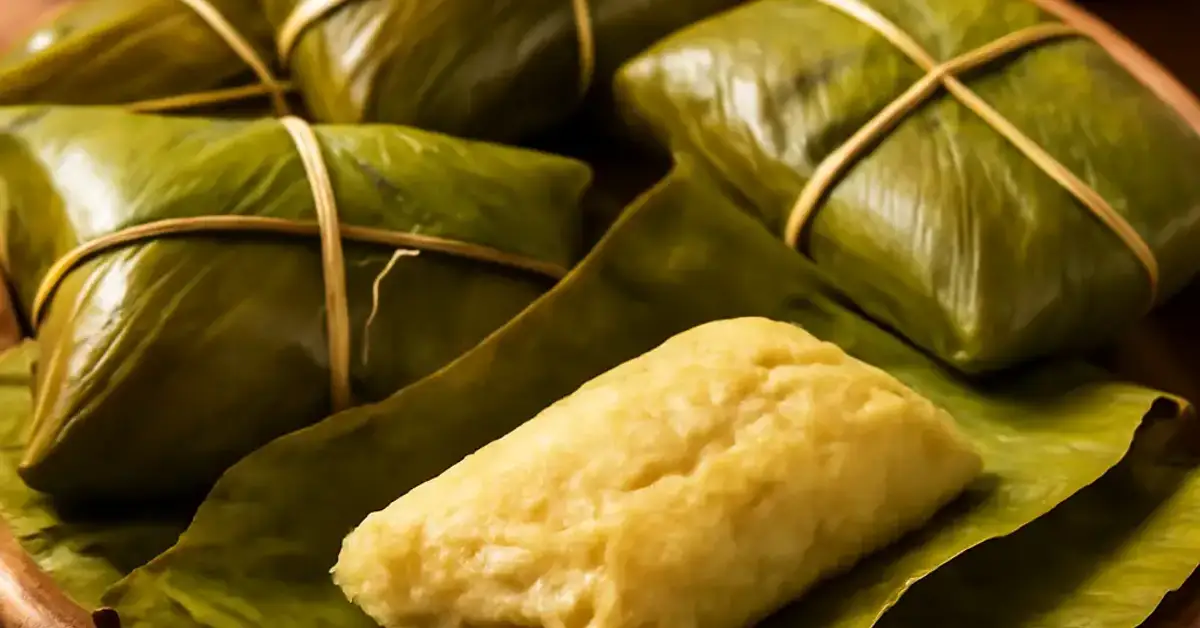
The first bite reveals a soft, almost pudding-like texture. The rice is not grainy; it melts on your tongue. The coconut milk imparts a gentle sweetness, balanced by the saltiness of the meat and egg. The achuete adds no flavor, just color, but the banana leaf wrapper contributes a faint, pleasant aroma that you only get from steamed leaves. It is comforting, savory, and slightly sweet all at once. Many describe it as a cross between a rice cake and a steamed pie. The filling is not overwhelming—you taste the rice as much as the toppings. For me, the best part is the edge, where the rice has pressed against the leaf and developed a slightly firmer texture.
Where Can You Buy Authentic Pampanga Tamales?
If you are planning a trip to Pampanga, you are in luck. The towns of Angeles City, San Fernando, and Guagua have numerous specialty shops and public markets selling Kapampangan tamales. Some well-known sources include:
- Razon’s of Guagua – While famous for halo-halo, they also sell high-quality tamales.
- Aling Lucing’s Sisig – Some branches offer tamales, especially during fiesta seasons.
- Public wet markets – The early morning market in San Fernando has vendors selling freshly wrapped tamales.
- Online sellers – Many Pampanga Tamales makers now ship nationwide via Facebook groups or Lazada. Look for sellers with good reviews and photos of real banana leaf wrapping.
For those like me, living in Davao, I have found that the best approach is to order from Kapampangan communities here who make them fresh for special occasions. Facebook Marketplace has been my go-to.
Can You Make Pampanga Tamales at Home?
Absolutely. While the process is time-consuming, it is rewarding. Here are a few tips for home cooks:
- Soak the rice overnight. Do not skip this—it ensures a smooth batter.
- Use kakang gata (first press coconut milk) for the richest flavor.
- Toast the achuete seeds in oil to release the color before mixing.
- Do not overfill the parcels. Leave room for the rice to expand during steaming.
- Steam on medium heat for even cooking. High heat can make the rice stick to the leaf.
If you are searching for Filipino recipes that impress visitors, this is the one to try. It tastes best when shared.
Is Pampanga Tamales Good for Pasalubong?
Yes. In fact, it is one of the best pasalubong ideas from Pampanga. The banana leaf wrapping keeps it fresh for several hours, and it reheats wonderfully—either by steaming or microwaving wrapped in a damp paper towel. Pampanga Tamales travels better than many other rice cakes because it is not overly sticky or wet. When I bring them back to Davao, my family always asks for more. Just be sure to pack them in an airtight container to retain moisture and prevent the leaf from drying out.
What Makes Tamales Soft and Flavorful?
The softness comes from the fine grinding of the rice and the generous use of coconut milk. Flavor develops from the sautéed fillings and the steam itself—the aroma of banana leaves infuses the rice as it cooks. Some cooks add a small amount of sugar to the batter, but authentic Pampanga Tamales leans savory, letting the natural sweetness of the coconut shine. Another trick is to let the tamales rest for 10 minutes after steaming. This allows the rice to set completely, making it easier to unwrap.
Why Do Tourists Love Pampanga Tamales?
Tourists love it because it is a taste of authentic Kapampangan culture. It is not something you find in every corner of the Philippines—it is specific to Pampanga. The bright yellow color, the neat wrapping, and the savory filling make it photogenic and delicious. It is also one of those dishes that sparks conversation: “What is this? How is it made? Can I find it anywhere else?” Food vloggers and bloggers often feature it because it represents the best of traditional Filipino tamales—handmade, heritage-rich, and unforgettable.
Why Is Pampanga Known for Traditional Delicacies?
Pampanga is often called the Culinary Capital of the Philippines for good reason. The province has a long history of refined cooking, influenced by Spanish colonialism and the availability of fresh ingredients. Kapampangans take pride in their food, from sisig to tocino to bringhe (a rice dish similar to paella). Pampanga Tamales is just one jewel in a crown full of delicious traditions. The province’s geography—rich farmland and access to the sea—provides quality ingredients. But more importantly, the Kapampangan love for food is deeply personal. Families pass down recipes through generations, preserving techniques like grinding rice by hand and wrapping tamales with precision. This dedication keeps the cuisine alive and beloved.
Is Pampanga Tamales Served During Holidays and Fiestas?
Yes, absolutely. It is a staple of Christmas Noche Buena, town fiestas, and Holy Week celebrations. During fiestas, you will often find tamales sold as part of fundraisers or offered as gifts to guests. In some barangays, residents make huge batches to share with neighbors. It is a symbol of generosity and community. While other rice cakes like suman or puto are also popular, Pampanga Tamales holds a special place because of its complex preparation and savory profile.
Is Pampanga Tamales Worth Trying?
Without hesitation, yes. If you consider yourself a festive food enthusiast or a cultural food explorer, Pampanga Tamales should be on your list. It is not just a dish—it is a story. It tells you about the people of Pampanga: meticulous, creative, and generous with flavor. Whether you buy it from a market, receive it as a gift, or make it yourself, every bite connects you to a tradition that has been celebrated for generations. As someone who grew up eating Mindanaoan delicacies like pastil and tiyula itum, discovering Pampanga Tamales was like finding a new chapter in the book of Filipino food. And I think you will feel the same way. For a related guide, see Pampanga Ensaymada: Buttery Cheese Delicacies Perfect for Breakfast.
Useful Resources
To learn more about the culinary heritage of Pampanga and traditional Filipino tamales, these resources offer deeper insight:
- NoliSol: The Heritage of Kapampangan Tamales – An excellent feature article on the history and cultural significance of tamales in Pampanga.
- WikiPilipinas: Pampanga Tamales – A helpful reference on the ingredients and preparation methods of authentic Pampanga Tamales.
Frequently Asked Questions About Pampanga Tamales
What is Pampanga Tamales ?
Pampanga Tamales is a traditional Kapampangan rice delicacy made from finely ground glutinous rice, coconut milk, and achuete, wrapped in banana leaves and steamed. It is filled with savory ingredients like shredded chicken, pork, and hard-boiled egg. For a related guide, see Pampanga Chicharon: Crispy Pork Rind Delicacies with a Kapampangan Twist.
Why is Pampanga Tamales famous?
It is famous for its soft, creamy texture, unique savory flavor, and strong ties to Kapampangan culture and festive gatherings. It is a beloved Pampanga festive food often served during fiestas and holidays.
How is Kapampangan tamales made?
Glutinous rice is soaked, ground, and mixed with coconut milk and achuete. Fillings are cooked separately, then layered inside banana leaves with the rice batter. The parcels are steamed for about 45 minutes until firm.
What ingredients are used in Pampanga Tamales ?
Key ingredients include glutinous rice, coconut milk, achuete, banana leaves, chicken or pork, hard-boiled eggs, garlic, onion, and fish sauce. Some versions add chorizo or peanuts.
Why are tamales popular during festive occasions?
They are easy to prepare in large batches, travel well, and have a celebratory look. The communal process of making tamales also brings families together during holidays and fiestas.
Is Pampanga Tamales different from Mexican tamales?
Yes. Pampanga Tamales uses glutinous rice and coconut milk, while Mexican tamales use corn masa and lard. Filipino tamales are softer, sweeter, and wrapped in banana leaves, not corn husks.
What does Pampanga Tamales taste like?
It is soft, creamy, and mildly sweet from coconut milk, balanced by the savory taste of chicken or pork filling and salted egg. The banana leaf adds a subtle earthy aroma.
Where can you buy authentic Pampanga Tamales ?
You can buy them in Pampanga markets, specialty food shops in Angeles City and San Fernando, or from online sellers on Facebook Marketplace and Lazada that ship nationwide.
Why do Filipinos enjoy tamales during celebrations?
Tamales are a symbol of abundance and togetherness. Their rich flavor and yellow color (from achuete) also make them festive and visually appealing for special occasions.
Can you make Pampanga Tamales at home?
Yes. It requires soaking the rice overnight, preparing a smooth batter, cooking fillings, wrapping in banana leaves, and steaming. It is labor-intensive but doable for home cooks.
What makes Kapampangan tamales special?
The fine texture of the rice batter, the generous use of coconut milk, and the carefully seasoned fillings set it apart. It is a balanced, savory rice cake that reflects Kapampangan culinary pride.
Why is Pampanga known for traditional delicacies?
Pampanga is regarded as the Culinary Capital of the Philippines due to its rich food history, use of quality ingredients, and family recipes passed down through generations. Pampanga Tamales is a prime example.
What fillings are commonly used in Pampanga Tamales ?
Shredded chicken or pork is most common, along with sliced hard-boiled egg. Some versions also include chorizo de Bilbao, bell peppers, and liver spread for extra depth.
Are banana leaves used in wrapping tamales?
Yes. Banana leaves are the traditional wrapper for Pampanga Tamales. They are softened over fire to become pliable, then folded into neat parcels that hold the rice and fillings during steaming.
Is Pampanga Tamales good for pasalubong?
Yes, it is a great pasalubong. The banana leaf wrapping keeps it fresh, and it reheats well. Pack it in an airtight container to retain moisture during travel.
What makes tamales soft and flavorful?
The softness comes from finely ground glutinous rice and coconut milk. Flavor develops from the sautéed fillings and the steam infusing the rice with the aroma of banana leaves.
Why do tourists love Pampanga Tamales ?
Tourists appreciate its unique taste, beautiful presentation, and the cultural story behind it. It is a photogenic, delicious dish that is hard to find outside Pampanga.
What dishes pair well with tamales?
Tamales pair well with hot tsokolate for breakfast, grilled meats like inihaw na liempo, or a side of spicy vinegar. They also complement other festive dishes like morcon and embutido.
Is Pampanga Tamales served during holidays and fiestas?
Yes, it is a common sight during Christmas Eve dinner, town fiestas, and Holy Week. Many families make or buy tamales in large quantities to share with guests and neighbors.
Is Pampanga Tamales worth trying?
Absolutely. For anyone who loves traditional Filipino tamales or wants to explore Kapampangan cuisine, Pampanga Tamales is a must-try. It offers a unique taste and texture that represents the best of Philippine festive food.

Jin Grey is a Filipino Senior SEO Consultant and AI-First SEO Strategist who helps international brands grow through modern search strategies. She specializes in technical SEO, semantic keyword research, and AI-ready content creation. She is also the owner of JinGrey.com.
As a digital nomad, she loves exploring the world and trying different cuisines during her free time.