
Palawan Crocodile Sisig Key Takeaways
Palawan crocodile sisig is a daring, sizzling dish that transforms farm-raised crocodile meat into a crisp, savory, and mildly chewy version of the classic Filipino sisig.
- Palawan crocodile sisig is legal, safe, and sustainably sourced from local crocodile farms, making it an ethical exotic meat option.
- The meat has a texture between chicken and fish, with a mild, slightly sweet flavor that absorbs the signature sisig seasoning of calamansi, chili, and onions.
- You can enjoy this dish at specialty restaurants near crocodile farms or at popular food hubs in Puerto Princesa, usually for around PHP 250–450 per serving.
What Is Palawan Crocodile Sisig and Why Is It a Must-Try?
I was born and raised in Isulan, Sultan Kudarat, and now I call Davao City home. But as a Filipino digital nomad who has crisscrossed this archipelago countless times, I can tell you that nothing prepares you for the first sizzle of Palawan crocodile sisig. The moment that platter hits your table, the aroma of grilled meat, chili, and calamansi rising with the steam — your brain knows you are about to taste something unforgettable. For a related guide, see From Manam to Siklab: Filipino Restaurants You Should Try in Manila.
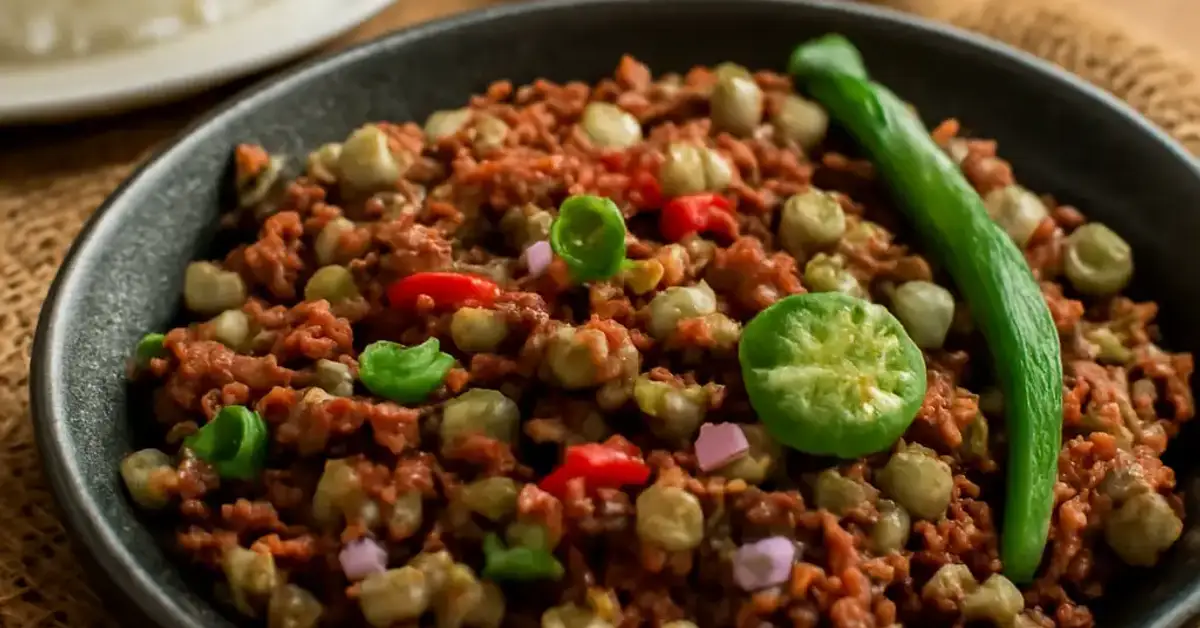
What is crocodile sisig? It is a modern twist on the beloved Kapampangan original. Instead of pork face and ears, the star protein is crocodile meat — typically from the tail or body of farm-raised reptiles. The meat is boiled, grilled, then minced and tossed with onions, chili, and calamansi on a sizzling plate. The result is a dish that honors Filipino exotic sisig Palawan tradition while offering something completely new.
This dish is not just food; it is a story. It tells you about the resourcefulness of Palawan locals, the rich biodiversity of the island, and the spirit of adventure that defines the province. If you are a food lover, travel blogger, or backpacker hunting for unique Filipino dishes, this sizzling plate should top your list.
What Does Crocodile Meat Taste Like? A First-Hand Description
The most common question I get from fellow travelers is: What does crocodile meat taste like? Honestly, it is not as wild as you might imagine. The first bite of crocodile meat Philippines surprises you with its tenderness. It is lean, with a texture that sits somewhere between chicken breast and firm white fish. There is no gamey aftertaste — just a clean, mild flavor that soaks up whatever marinade or seasoning you pair it with.
In the case of sizzling crocodile sisig, the meat gets a beautiful char from grilling before it hits the skillet. The edges become crispy, the interior stays tender, and every mouthful carries the bright tang of calamansi and the gentle heat of siling labuyo. Unlike pork sisig, which can feel heavy, the crocodile version feels lighter and cleaner on the palate.
Is crocodile meat chewy or tender? If prepared correctly — and most restaurants in Palawan know their craft — it is tender with just enough chew to remind you that you are eating something different. It is not rubbery at all, provided the cook does not overdo the heat.
Is Crocodile Meat Safe and Legal in the Philippines?
Before you book a flight, let me put your mind at ease: Is crocodile meat safe to eat? Yes — absolutely. Crocodiles raised for food come from licensed farms that follow strict veterinary and sanitation standards. The Philippine government, through the Department of Agriculture and the Bureau of Fisheries and Aquatic Resources, regulates crocodile farming for meat and leather.
Is crocodile meat legal in the Philippines? It is fully legal. The species commonly farmed is the saltwater or freshwater crocodile, bred in captivity for commercial purposes. Endangered species are never used. The most famous source is the crocodile farm Palawan in Puerto Princesa, which doubles as a conservation and educational facility. Eating there supports sustainable farming and local livelihoods.
Where Can You Try Crocodile Sisig in Palawan?
If you are planning a Palawan food adventure, the epicenter of crocodile sisig is Puerto Princesa. Right inside the Palawan Wildlife Rescue and Conservation Center — better known as the crocodile farm — you will find a restaurant that serves fresh Palawan crocodile sisig daily. It does not get more authentic than eating your sisig while looking at the very animals raised for the dish.
Other top spots include:
- Balinsasayaw Restaurant — a well-known stop for exotic Palawan cuisine, including crocodile sisig and tamilok (woodworm).
- Kalui Restaurant — an iconic bamboo restaurant that occasionally features crocodile sisig on its menu.
- Luna Nono’s Garden Cafe — a quiet, artistic space that serves crocodile sisig as one of its specialty dishes.
Crocodile sisig tourist food has become a rite of passage. Many tour operators in Puerto Princesa include a food stop at the crocodile farm as part of the city tour. If you join a Puerto Princesa food crawl, chances are high that crocodile sisig will be the highlight.
How Is Crocodile Sisig Cooked? A Look at the Recipe
How is crocodile sisig cooked? The process is meticulous but straightforward. The crocodile sisig recipe starts with boiling the meat to tenderize it, often with ginger and lemongrass to remove any residual rawness. Then the meat is grilled until the outside is slightly charred. After cooling, it is chopped into small, bite-sized pieces.
The chopped meat is then tossed into a hot metal plate with minced onions, chopped chili, soy sauce, and a generous squeeze of calamansi. Some versions add a raw egg on top, which cooks from the residual heat of the sizzling plate. The egg binds the dish and adds richness. The entire preparation takes about 20 minutes from kitchen to table.
If you are adventurous enough to try cooking it yourself, remember that crocodile meat cooks faster than pork. Overcooking makes it tough. The magic lies in the balance — crispy edges, tender center, and a bold, citrusy finish.
Health Benefits of Crocodile Meat: Is It Healthy?
Beyond the thrill, Is crocodile meat healthy? Nutritionally, it is a powerhouse. Crocodile meat is extremely lean — lower in fat and cholesterol than chicken, beef, or pork. It is rich in protein, Omega-3 fatty acids, and essential minerals like calcium and iron. For health-conscious travelers or those on high-protein diets, crocodile sisig offers a guilt-free indulgence.
Compared to traditional pork sisig, the crocodile version has roughly half the fat. That does not mean you should eat it every day — but it certainly offers a better nutritional profile than most sizzling plates you will find in the Philippines.
How Much Is Crocodile Sisig in Palawan? Budget and Pricing Guide
How much is crocodile sisig in Palawan? Prices vary depending on the restaurant and portion size. On average, a single serving costs between PHP 250 and PHP 450. At the crocodile farm restaurant, a generous plate costs around PHP 350. At more upscale spots like Balinsasayaw, you might pay PHP 400 to PHP 450. For the portion size and the uniqueness of the experience, the price is more than reasonable.
If you are traveling on a backpacker budget, sharing a plate with a friend is a smart move — the flavors are rich enough that a half-portion satisfies most appetites.
Why Do Tourists Love Crocodile Sisig? A Traveler’s Perspective
Do tourists eat crocodile meat in the Philippines? They absolutely do — and they love it. I have met backpackers from Europe, Australia, and the Americas who came to Palawan for the lagoons and beaches but left raving about the food. Crocodile sisig is more than a novelty; it is a legitimate culinary achievement.
Why do people try crocodile sisig? Curiosity pulls them in, but the flavor keeps them coming back. There is also the Instagram factor — a sizzling platter of crocodile sisig Philippines looks dramatic on camera, and the backstory makes for great content. For adventurous food Philippines seekers, it is a badge of honor.
If you are a travel vlogger or food content creator, filming the sizzle and the first bite of Palawan culinary experience will generate genuine engagement. The dish is visually dynamic, and the conversation around exotic food is always lively.
What Are Other Exotic Foods in Palawan You Should Try?
If you are going all in on Palawan exotic food, do not stop at crocodile sisig. The island is a treasure trove of Filipino exotic delicacies. Tamilok (woodworm) served with vinegar and chili is a slimy but tasty appetizer. Crispy catfish, fresh sea urchin, and grilled mantis shrimp are staples. For the truly brave, there is fried crickets and grilled frog. For a related guide, see Palawan Tamilok: The Exotic Woodworm Delicacy Tourists Dare to Try.
What foods should tourists try in Palawan? Build your list around fresh seafood — the island is ringed by rich fishing grounds — but set aside at least one meal for crocodile sisig. It represents the intersection of tradition, sustainability, and daring Filipino creativity.
Practical Tips for Enjoying Crocodile Sisig on Your Palawan Trip
Before you go, here is a quick checklist to make the most of your Palawan food adventure:
- Visit the crocodile farm early in the day — the restaurant gets busy during lunch hours.
- Ask for an extra squeeze of calamansi to brighten the flavors.
- Pair your sisig with cold San Miguel beer or fresh coconut juice.
- Bring cash — many smaller restaurants do not accept cards.
- If you are vegetarian, skip this dish, but ask for the grilled vegetable plate instead.
Remember: What is sisig made of? Traditionally, it is pork face and ears. But in Palawan, sisig has evolved into a canvas for local proteins. Crocodile meat delicacy is now one of the most celebrated variations.
Why Palawan Crocodile Sisig Belongs on Your Bucket List
I have eaten exotic food across Mindanao, from durian ice cream in Davao to tarsier meat in the mountains of South Cotabato. But Palawan crocodile sisig stands out. It is not just about the meat — it is about the entire experience: the sizzle, the story, the setting, and the sense of discovery.
Whether you are a seasoned food writer, a YouTube creator looking for your next viral clip, or simply a curious traveler with an open mind, this dish delivers. It is proof that unique Filipino dishes are alive and thriving beyond the usual adobo and sinigang. So next time you land in Puerto Princesa, tell your tricycle driver to take you straight to the crocodile farm. Order the sisig. Take that first bite. And let the wild twist begin.
Useful Resources
For more information on crocodile farming and sustainable exotic meat in the Philippines, check out the Palawan Wildlife Rescue and Conservation Center, which operates the crocodile farm and restaurant. For a deeper look at Palawan’s food scene, Guide to the Philippines’ Palawan Food Guide offers comprehensive listings and traveler reviews.
Frequently Asked Questions About Palawan crocodile sisig
What is crocodile sisig?
Palawan crocodile sisig is a sizzling Filipino dish made from minced, grilled crocodile meat mixed with onions, chili, and calamansi, served on a hot plate.
What does crocodile meat taste like?
Crocodile meat taste is mild and slightly sweet, with a texture between chicken and fish. It is lean and absorbs the sour and spicy flavors of sisig seasoning well.
Is crocodile meat safe to eat?
Yes, crocodile meat Philippines is safe when sourced from licensed farms that follow strict health and hygiene standards. The Palawan crocodile farm follows government regulations.
Where can you try crocodile sisig in Palawan?
You can try crocodile sisig tourist food at the Palawan Wildlife Rescue and Conservation Center restaurant, Balinsasayaw Restaurant, Kalui Restaurant, and Luna Nono’s Garden Cafe in Puerto Princesa.
Why is crocodile sisig famous in Palawan?
Palawan is home to large crocodile farming operations, and the dish represents the island’s resourcefulness, exotic food culture, and sustainable use of local resources.
Is crocodile meat legal in the Philippines?
Is crocodile meat legal in the Philippines? Yes. Farm-raised crocodiles are legally harvested for meat and leather under the supervision of the Department of Agriculture and local wildlife authorities.
How is crocodile sisig cooked?
The crocodile sisig recipe involves boiling, grilling, then mincing the meat, followed by sautéing with onions, chili, and calamansi on a sizzling plate. An egg is often added.
What are exotic foods in Palawan?
Palawan exotic food includes crocodile sisig, tamilok (woodworm), grilled mantis shrimp, fresh sea urchin, crispy catfish, and in some places, fried crickets.
Is crocodile meat healthy?
Is crocodile meat healthy? Yes, it is very lean, high in protein, rich in Omega-3 fatty acids, and low in cholesterol compared to pork, beef, or chicken.
What is sisig made of?
Traditional sisig is made from pork face, ears, and liver, minced and seasoned with calamansi, chili, and onions. Palawan crocodile sisig replaces pork with crocodile meat.
Do tourists eat crocodile meat in the Philippines?
Do tourists eat crocodile meat in the Philippines? Yes, it is a popular bucket-list item for adventurous travelers, especially in Palawan and Davao.
Is crocodile meat chewy or tender?
Is crocodile meat chewy or tender? When properly cooked, it is tender with a slight firmness. Overcooking can make it tough, but experienced chefs in Palawan avoid that.
Why do people try crocodile sisig?
People try Palawan crocodile sisig for the thrill, the unique flavor, and the Instagram-worthy presentation. It is also a way to connect with local food culture.
What foods should tourists try in Palawan?
Tourists should try Palawan crocodile sisig, tamilok, fresh seafood like grilled squid and kinilaw, and local fruits such as mangosteen and durian.
How much is crocodile sisig in Palawan?
How much is crocodile sisig in Palawan? Prices range from PHP 250 to PHP 450 per serving, depending on the restaurant and portion size.
Can crocodile sisig be frozen?
Yes, fully cooked crocodile sisig can be frozen for up to two months. Reheat it on a sizzling plate or skillet to restore the texture.
Is crocodile sisig spicy?
It has moderate heat from siling labuyo (bird’s eye chili), but most restaurants allow you to customize the spice level to your preference.
What is the best time to visit Palawan for food?
The dry season from November to May is ideal for Palawan food adventure, as more restaurants and food stalls operate actively, and fresh ingredients are abundant.
Can crocodile sisig be delivered or shipped?
Some restaurants in Puerto Princesa offer frozen crocodile sisig for delivery within the city. Long-distance shipping is rare due to perishability.
Is crocodile sisig keto-friendly?
Yes, Palawan crocodile sisig is naturally low in carbs and high in protein, making it suitable for keto and low-carb diets when served without rice.

Jin Grey is a Filipino Senior SEO Consultant and AI-First SEO Strategist who helps international brands grow through modern search strategies. She specializes in technical SEO, semantic keyword research, and AI-ready content creation. She is also the owner of JinGrey.com.
As a digital nomad, she loves exploring the world and trying different cuisines during her free time.