
Palawan Tamilok Key Takeaways
Palawan tamilok is not actually a woodworm — it’s a mangrove-dwelling clam that adventurous food lovers seek out across Puerto Princesa and the rest of Palawan.
- Palawan tamilok is a type of saltwater clam, not a worm — it lives inside rotting mangrove trunks.
- It is widely considered one of the best exotic foods in the Philippines , often featured in Palawan food adventure itineraries.
- When prepared fresh with the classic tamilok vinegar recipe , it becomes a safe, sustainable, and unforgettable exotic food in Palawan .
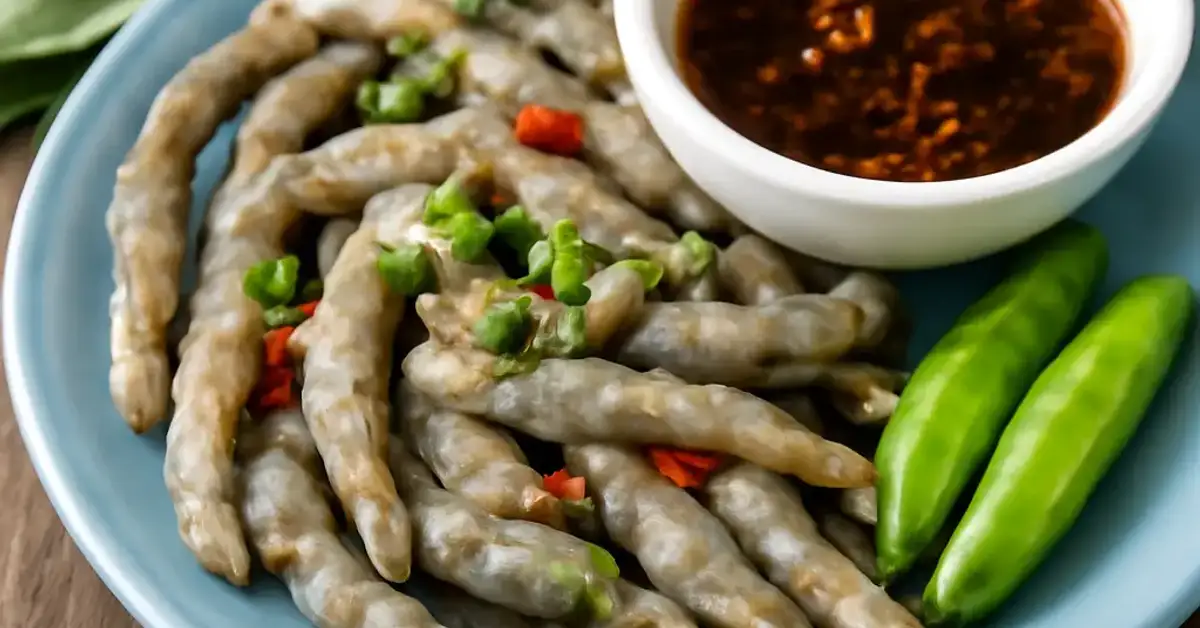
What Is Palawan Tamilok and Why Do Travelers Seek It Out?
I still remember my first trip to Puerto Princesa. I had spent years covering Filipino food from my base in Davao City, but nothing prepared me for the moment a vendor held out a dripping, wriggling mass of what looked like pale, segmented worms. “Palawan tamilok,” she said with a grin. “The best exotic food in Palawan.”
To understand Palawan tamilok, you first have to bust the biggest myth about it. Despite being called a woodworm delicacy Philippines, tamilok is actually a saltwater clam. It belongs to the family Teredinidae — shipworms — but it’s closer to an oyster or a mussel than any land-dwelling grub. The clam burrows into submerged mangrove wood, extending a long, worm-like siphon to filter plankton.
Debunking the “Worm” Label
What is tamilok in Palawan? Locals will tell you it’s a “worm” for simplicity, but biologists classify it as a mollusk. The confusion comes from its appearance: the body is long, soft, and resembles an earthworm. Yet inside, it has a tiny shell at the rear, used to bore into wood. This is why chefs in tamilok Puerto Princesa stalls always explain, “It’s a clam, not a worm.”
For travelers asking “Is tamilok really a woodworm?”, the answer is no — but the nickname has stuck, and part of the thrill comes from daring to eat a “worm.” That psychological hurdle is exactly what draws adventure travelers and exotic food vloggers to Palawan travel food guide lists.
Why Tamilok Delicacy Ranks Among the Best Exotic Foods in the Philippines
Palawan cuisine is rich with seafood, but nothing steals the show quite like tamilok. It sits alongside other daring dishes like Filipino exotic food favorites — balut, kamaru, and papaitan — yet remains uniquely Palawan’s own. The tamilok experience is as much about the setting as the taste: you eat it overlooking the mangroves where it was harvested, often on a river cruise or in a beachside tamilok tasting shack. For a related guide, see Coron Palawan Delicacies: Best 20+ Must-Try Treats Guide.
What Does Tamilok Taste Like?
This is the most common question I get from friends back in Davao. What does tamilok taste like? Think of a fresh oyster straight from the sea — briny, mineral-forward, with a clean finish. But the texture sets it apart: it’s firmer than a raw oyster, slightly crunchy at the siphon, and has a light chewiness similar to a scallop. Dipped in spiced vinegar, the saltiness balances beautifully with sour and heat.
The Texture That Defines the Woodworm Seafood
Visitors describing what is the texture of tamilok often say, “slippery but not slimy, like a cold noodle.” The outer layer is smooth, while the interior offers a subtle resistance when bitten. That mouthfeel is part of what makes the tamilok delicacy so memorable. It’s not unpleasant — just unexpected. Most first-timers find the texture easier to handle than the visual. Once you close your eyes and let your taste buds lead, you’ll understand why tamilok seafood is a bucket-list item.
Is Tamilok Safe to Eat? Health, Safety, and Sustainability
Is tamilok safe to eat? Absolutely — provided it is sourced from clean mangrove habitats and prepared fresh. The key risk with any raw shellfish is bacteria and parasites, so tamilok Puerto Princesa vendors follow strict harvest practices. They only collect tamilok from healthy mangroves away from pollution sources. Local health offices routinely inspect these stalls.
Is tamilok healthy? Yes, it is low in fat and high in protein, iron, and omega-3 fatty acids. Because it is usually eaten raw with vinegar, it retains all its natural nutrients. The vinegar marinade (a classic tamilok vinegar recipe of cane vinegar, chopped red onions, chili, and ginger) also adds antibacterial protection.
Sustainable Harvesting and Sustainable Seafood Philippines
Concerns about sustainability are valid. Tamilok is a mangrove worm delicacy that depends on healthy mangrove forests. Responsible gatherers in Palawan cut only dead or decaying wood, leaving live trees intact. This practice ensures the clam population remains stable. For adventure travelers and culinary explorers, choosing a reputable vendor supports sustainable seafood Philippines initiatives.
How Is Tamilok Prepared? The Classic Tamilok Vinegar Recipe
How is tamilok prepared? The traditional method is simple: the clam is extracted from its wooden burrow, cleaned in seawater, and served immediately. No cooking. The purpose is to preserve the natural oceanic flavor. The accompanying dip is where the magic happens.
Step-by-Step Traditional Preparation
First, the gatherer removes the tamilok from the mangrove log by gently pulling it out or breaking the wood open. Next, the clam is rinsed under running water to remove wood debris. On a plate, the tamilok delicacy is laid out, sometimes still moving. Diners then dip each piece into a bowl of vinegar, chopped shallots or red onions, bird’s eye chili, and a pinch of salt.
For the famous tamilok vinegar recipe, here is the ratio used by most tamilok tasting stalls:
| Ingredient | Quantity |
|---|---|
| Cane vinegar or coconut vinegar | ½ cup |
| Red onion (finely chopped) | 2 tablespoons |
| Bird’s eye chili (sliced) | 2-3 pieces |
| Fresh ginger (julienned) | 1 teaspoon |
| Salt | Pinch to taste |
Some variations add calamansi juice or garlic. The acid cooks the outer layer slightly, firming the texture and reducing any slippery feel. This preparation makes the exotic Filipino delicacies more approachable for first-timers.
Where Can You Try Tamilok in Palawan? Top Spots in Puerto Princesa and Beyond
Where can you try tamilok in Palawan? The most famous location is the Iwahig River Firefly Watching Tour, where vendors set up floating huts along the mangrove-lined river. Tourists pause mid-cruise to sample fresh tamilok right from the source. Another hotspot is Baker’s Hill in Puerto Princesa, a theme park and restaurant complex that includes a dedicated tamilok stand.
For a more immersive Palawan food adventure, visit the tamilok Puerto Princesa stalls along the Sabang Beach road. Several beachfront restaurants in Sabang offer tamilok as an appetizer alongside grilled seafood. In the city proper, Ka Inato Restaurant and Balinsasayaw Restaurant are known for serving Palawan cuisine that includes tamilok.
Tamilok Experience on a Budget
How much does tamilok cost in Palawan? Prices vary by location. At riverside stalls, a plate costs between PHP 150 to PHP 250 (about $3 to $5 USD). Fancier restaurants may charge PHP 350 to PHP 500. Portions are generous — usually 8 to 12 pieces, enough for two people to share. Bargaining is acceptable at market stalls, but not at sit-down restaurants.
Why Do Tourists Eat Tamilok? The Psychology of Exotic Food in Palawan
Why do tourists eat tamilok? Part of the draw is bragging rights. Eating a “worm” — even a fake one — makes for excellent social media content. YouTube travel creators gravitate to it because the reaction shots are priceless. But beyond the spectacle, there is genuine culinary curiosity. For food lovers and culinary explorers, Palawan tamilok represents a unique taste of place: you are literally eating the product of Palawan’s mangroves, filtered through a clam’s body.
Cultural travelers appreciate that tamilok is a tradition passed down by indigenous Palawan groups. For centuries, locals harvested these clams as a protein source during lean months. Today, it has become emblematic of Palawan tourist food. The thrill + history combo makes tamilok delicacy a must-try. For a related guide, see El Nido Palawan Delicacies: Best 20+ Must-Try Treats Guide.
What Are the Most Exotic Foods in the Philippines Besides Tamilok?
What are the most exotic foods in the Philippines? If you love Palawan tamilok, you will likely enjoy these other exotic Filipino delicacies:
- Balut — fertilized duck egg, boiled and eaten from the shell (found nationwide).
- Kamaru — mole crickets sautéed in garlic and soy sauce (pampanga specialty).
- Papaitan — goat or beef innards stew flavored with bile (Ilocos region).
- Adobong sawa — python adobo, a rare dish in Quezon province.
- Lechon kawali — crispy pork belly (arguably less exotic but essential).
Yet tamilok remains unique because it is raw, slimy, and harvested from wood. No other Filipino exotic food combines the “worm” scare with the clean taste of fresh seafood.
Useful Resources
For more authoritative information on Palawan tamilok and sustainable seafood Philippines, explore these resources:
- Palawan News — Tamilok: A Palaweno Favorite Delicacy
- SEAFDEC – Sustainable Fisheries and Mangrove Conservation in the Philippines
Frequently Asked Questions About Palawan Tamilok
Palawan tamilok is more than just a food item — it is a story you get to taste. Whether you are a travel blogger, food lover, or adventure traveler, this woodworm delicacy Philippines offers an unforgettable window into Palawan cuisine and the daring spirit of Filipino exotic food. Next time you are in Puerto Princesa, walk up to that stall, smile at the vendor, and take the plunge. Your palate will thank you.
Frequently Asked Questions About Palawan Tamilok
Is tamilok alive when eaten?
Yes, fresh tamilok is typically served alive and still moving. The vinegar dip quickly paralyzes it, making it safe and easier to swallow.
Is tamilok a worm or a shellfish?
Is tamilok a worm or a shellfish? Tamilok is a shellfish—a type of saltwater clam—despite its worm-like appearance. It is scientifically classified under the family Teredinidae.
What is tamilok in Palawan?
Locally, what is tamilok in Palawan refers to a mangrove-dwelling clam eaten raw as a delicacy. It is known for its briny flavor and slimy texture.
Is tamilok really a woodworm?
No. Is tamilok really a woodworm? It is not. The nickname “woodworm” is misleading; tamilok is a bivalve mollusk that bores into mangrove wood.
What does tamilok taste like?
What does tamilok taste like? It tastes briny and sweet, reminiscent of an oyster or fresh clams, with a mild oceanic finish.
Is tamilok safe to eat?
Is tamilok safe to eat? Yes, when sourced from clean mangroves and served fresh. The vinegar dip helps disinfect the surface.
Where can you try tamilok in Palawan?
Where can you try tamilok in Palawan? Top spots include Iwahig River, Baker’s Hill, Sabang Beach, and several restaurants in Puerto Princesa city.
Why do tourists eat tamilok?
Why do tourists eat tamilok? For novelty, bragging rights, and the unique taste of a raw mangrove clam. It is a popular Palawan food adventure experience.
How is tamilok prepared?
How is tamilok prepared? It is extracted from mangrove wood, cleaned, and served raw with a vinegar-onion-chili dip.
Is tamilok healthy?
Is tamilok healthy? Yes, it is rich in protein, low in fat, and provides omega-3 fatty acids and iron.
What are the most exotic foods in the Philippines?
What are the most exotic foods in the Philippines? Balut, kamaru, papaitan, and Palawan tamilok top the list.
How much does tamilok cost in Palawan?
How much does tamilok cost in Palawan? Typically PHP 150–500 per plate depending on location and serving size.
What is the texture of tamilok?
What is the texture of tamilok? It is slippery, slightly firm, and chewy—similar to a cold, al dente noodle.
Why is tamilok famous in Puerto Princesa?
Why is tamilok famous in Puerto Princesa? The city is surrounded by mangroves where tamilok is abundant, and local tour packages often include a tamilok experience.
What foods should tourists try in Palawan?
What foods should tourists try in Palawan? Aside from Palawan tamilok, tourists must try fresh seafood, crocodile sisig, and kinilaw (ceviche).
Can pregnant women eat tamilok?
Pregnant women should consult a doctor before eating raw shellfish, including tamilok.
Do I need to chew tamilok?
Chewing is recommended. The flavor is mild, and chewing releases a pleasant briny juice.
Can I bring tamilok home?
No, tamilok must be eaten fresh. It deteriorates quickly and is not suitable for travel.
What is Palawan Tamilok ?
Palawan Tamilok is covered in the guide above with practical context, useful examples, and details readers can use to make a better decision.
Why is Palawan Tamilok important?
Palawan Tamilok is covered in the guide above with practical context, useful examples, and details readers can use to make a better decision.

Jin Grey is a Filipino Senior SEO Consultant and AI-First SEO Strategist who helps international brands grow through modern search strategies. She specializes in technical SEO, semantic keyword research, and AI-ready content creation. She is also the owner of JinGrey.com.
As a digital nomad, she loves exploring the world and trying different cuisines during her free time.