
Pampanga Bringhe Key Takeaways
Pampanga Bringhe is a creamy, coconut milk–infused rice dish from the Kapampangan region of the Philippines.
- Pampanga Bringhe stands out for its use of coconut milk and glutinous rice, giving it a creamy, sticky consistency that paella lacks.
- It is a centerpiece at fiestas and celebrations in Pampanga, often served alongside lechon and lumpia.
- Making it at home is beginner-friendly with the right ingredients: malagkit rice, coconut cream, turmeric, chicken, and chorizo.
What Is Pampanga Bringhe and Why Should You Care?
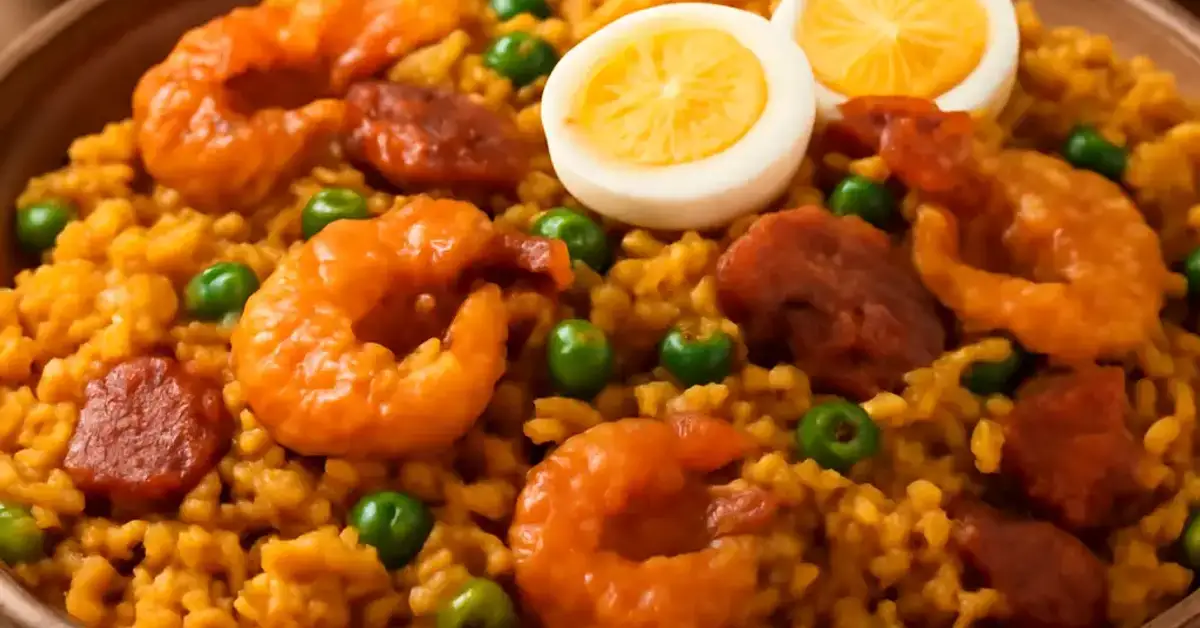
When I first moved from Isulan, Sultan Kudarat, to Davao City, I thought I had tasted every rice dish the Philippines could offer. Then a Kapampangan friend invited me to a barrio fiesta in Angeles City, and I met Pampanga Bringhe. One spoonful—creamy, golden, slightly sweet from the coconut milk, with the smoky kick of chorizo—and I knew this wasn’t just rice; it was a cultural statement. Pampanga Bringhe is a beloved Kapampangan rice delicacy that often gets compared to Spanish paella, but its soul is purely Filipino. It uses glutinous rice (malagkit), coconut milk, turmeric, chicken, chorizo de bilbao, and local vegetables, all cooked low and slow until the grains absorb every drop of flavor. For a related guide, see Pampanga Tamales: Wrapped Rice Delicacies for Festive Occasions.
What makes it special for me as a digital nomad is how it represents the best of local pride. Every Kapampangan cook has a slightly different version—some add pineapple bits, others throw in salted egg—but the heart remains the same: a dish that brings people together during fiestas, holidays, and family reunions. If you’re a food explorer or a home cook looking for something beyond everyday adobo, Pampanga Bringhe is your next obsession. For a related guide, see Pampanga Sweet Tocino: The Iconic Cured Meat Delicacy.
Why Is Pampanga Bringhe Famous Among Kapampangans and Tourists?
Ask any Kapampangan about their province’s pride, and they’ll mention sisig, tocino, and Pampanga Bringhe in the same breath. The dish holds a special place because it transforms humble ingredients into something festive. Unlike the daily rice meals many of us grew up with—like sinangag or plain steamed rice—Bringhe is an event on a plate. Its fame comes from its ability to make any gathering feel special, whether it’s a town fiesta, a Christmas Noche Buena, or a simple Sunday lunch with extended family.
Tourists visiting Pampanga specifically seek out authentic Pampanga Bringhe because it’s not commonly found in Manila restaurants. It’s a taste of Kapampangan hospitality—rich, generous, and unapologetically bold. For international readers curious about Filipino cuisine, this dish is a perfect introduction to how coconut milk elevates rice beyond simple carbs. The vibrant yellow hue from turmeric makes it visually stunning on any buffet table.
What Makes Bringhe Different from Paella?
The paella comparison is inevitable, but Bringhe vs paella is not really a fair fight—they belong to different worlds. Paella uses short-grain bomba rice, saffron, and a socarrat (crispy bottom crust) that some people obsess over. Pampanga Bringhe, on the other hand, relies on glutinous rice and coconut milk to achieve a creamy, almost risotto-like consistency without the crust. The flavor profile is more savory-sweet, with turmeric replacing saffron for color and a mild earthiness.
Another key difference: paella is often cooked in a wide, shallow pan, while Bringhe is simmered in a deep kawali or pot, allowing the coconut milk to fully infuse the grains. For Filipino families who grew up with coconut milk in almost every dish (think ginataang kalabasa or laing), Bringhe feels familiar and comforting in a way paella never could. If you love the creamy richness of Filipino desserts but want a savory version, this is it.
How Is Pampanga Bringhe Made? A Step-by-Step Guide
Making Pampanga Bringhe at home is easier than you might think, especially if you’ve ever cooked any Filipino rice dish. The key is patience—let the coconut milk and rice marry slowly. Below is a reliable method that I’ve tested in my own Davao kitchen.
Ingredients You’ll Need
- 2 cups glutinous rice (malagkit), washed and drained
- 1 can (400ml) coconut milk (kakang gata preferred)
- 1 can (400ml) coconut cream (first press, for richness)
- 1 lb chicken thighs or breast, cut into bite-sized pieces
- 3 pieces chorizo de bilbao, sliced diagonally
- 1 medium onion, chopped
- 4 cloves garlic, minced
- 1 thumb-sized ginger, julienned
- 1 teaspoon turmeric powder (or 1 thumb fresh turmeric, grated)
- 1 red bell pepper, sliced
- 1 cup green peas (frozen works well)
- 2 tablespoons fish sauce (patis)
- Salt and pepper to taste
- 2 tablespoons cooking oil
- Optional: sliced hard-boiled eggs, toasted garlic, or annatto oil for extra color
Cooking Process
- Sauté aromatics: Heat oil in a large pot or kawali. Sauté garlic, onion, and ginger until fragrant.
- Brown the meats: Add chicken pieces and chorizo. Cook until chicken is lightly browned on all sides.
- Add liquid and season: Pour in the coconut milk, coconut cream, fish sauce, turmeric powder, and a pinch of salt and pepper. Bring to a gentle simmer.
- Add rice and vegetables: Stir in the glutinous rice, bell pepper, and green peas. Mix well so every grain is coated with the colored liquid.
- Simmer low and covered: Lower the heat to a gentle bubble, cover the pot, and let it cook for 20–25 minutes. Do not stir too often—let the rice absorb the liquid. If it dries out too quickly, add a splash of water or broth.
- Check doneness: The rice should be tender but still slightly sticky, not dry. Taste and adjust seasoning with more fish sauce or salt.
- Rest and serve: Let the Bringhe sit off the heat for 5 minutes, covered. Fluff gently with a fork, transfer to a serving platter, and garnish with sliced eggs, toasted garlic, or fresh cilantro.
Why Is Pampanga Bringhe a Fiesta Favorite?
In Pampanga, no celebration feels complete without Pampanga Bringhe on the table. It’s the kind of dish that signals generosity: the sheer volume of rice, the richness of coconut cream, and the inclusion of premium ingredients like chorizo de bilbao and whole chicken pieces. Fiestas in the Philippines are about abundance, and Bringhe delivers that in every scoop. Moreover, it’s a one-pot dish that can feed a crowd without requiring last-minute assembly—perfect for hosts who want to enjoy the party too.
For Kapampangans, serving Bringhe is also a point of pride. It showcases their mastery of balancing flavors—savory from the meat, slight sweetness from the coconut milk, and a subtle earthiness from turmeric. If you’re attending a fiesta in Angeles City, Mabalacat, or San Fernando, keep an eye out for the giant kaldero of golden rice. That’s your cue to line up early.
What Does Pampanga Bringhe Taste Like?
The first thing you’ll notice is the creamy mouthfeel—coconut milk makes every grain soft and luxurious. Then comes the savory hit from the chorizo, followed by a gentle warmth from turmeric and ginger. Unlike ordinary paella, which can feel dry if not eaten immediately, Pampanga Bringhe stays moist and flavorful even at room temperature. The sweetness of bell peppers and peas balances the saltiness of fish sauce, creating a harmony that satisfies without feeling heavy.
Personally, I love how the chicken absorbs the coconut-turmeric bath, becoming incredibly tender. And those tiny cubes of chorizo? They’re like little bursts of smoky, fatty joy. If you’re used to fried rice or plain steamed rice, Bringhe will feel like a celebration in your mouth.
Where Can You Buy Authentic Pampanga Bringhe?
If you’re not in the mood to cook, or you want to taste the real deal before trying a recipe, head straight to the heart of Pampanga. Here are a few reliable spots:
- Everybody’s Cafe (San Fernando, Pampanga) – A famous Kapampangan restaurant that serves classic Bringhe alongside sisig and morcon.
- Susie’s Cuisine (Angeles City) – Known for their take-out style Bringhe that’s perfect for pasalubong.
- Aling Lucing’s (Angeles City) – While famous for sisig, many branches offer Bringhe as a side.
- Local carinderias near the Pampanga Capitol or Clark Freeport – Ask for “Bringhe” and you’ll likely find a home-cooked version served on banana leaves.
For readers outside the Philippines, some Filipino grocery stores in the US, Canada, and UAE now carry frozen authentic Pampanga Bringhe from brands like Goldilocks or local importers. Alternatively, online marketplaces like Lazada and Shopee have home-based sellers who ship nationwide.
Why Do Kapampangans Love Pampanga Bringhe?
Kapampangans are known for their sophisticated palate—they appreciate dishes that layer flavors without overwhelming the senses. Pampanga Bringhe embodies that philosophy: it’s rich but not greasy, savory but not salty, colorful but not artificial. Beyond taste, it’s a dish that connects generations. Many Kapampangan home cooks learned the recipe from their lolas (grandmothers), who passed down the technique of slowly cooking rice in coconut milk over a wood fire.
There’s also a practical reason: Bringhe is economical. It stretches expensive ingredients like chicken and chorizo by combining them with affordable rice, making it possible to serve a crowd without breaking the bank. For a province that prides itself on hospitality, that’s a winning formula.
Common Mistakes to Avoid When Cooking Pampanga Bringhe
Even seasoned cooks can make a few errors when first attempting this dish. Here’s what to watch out for:
- Using non-glutinous rice: Regular jasmine or long-grain rice will turn mushy or dry. Stick to malagkit or sushi rice for the right sticky-creamy texture.
- Skipping the simmer: High heat will scorch the coconut milk and leave you with burnt rice. Keep the flame low and be patient.
- Forgetting the fish sauce: Salt alone won’t give the same depth. Patis (fish sauce) adds that umami punch that makes Bringhe sing.
- Over-stirring: Stirring too much breaks the rice grains and releases excess starch, turning your dish into porridge. Gently fold once or twice during cooking.
- Not resting: Letting the dish sit for 5–10 minutes after cooking allows the rice to finish absorbing liquid and firm up slightly. Serving it straight off the stove can result in a soupy mess.
What Dishes Pair Well with Pampanga Bringhe?
If you’re planning a Kapampangan feast, Pampanga Bringhe is the star, but it loves supporting acts. Here are classic pairings:
- Lechon kawali or crispy pata – The crunch of fried pork contrasts beautifully with the creamy rice.
- Kapampangan sisig – The tangy, sizzling pork sisig cuts through the richness of Bringhe.
- Lumpiang ubod – Fresh spring rolls add a light, refreshing element.
- Atcharang papaya – Pickled papaya or cucumber provides acidity to balance the coconut milk.
- Grilled seafood (tilapia or pusit) – Smoky fish or squid complements the turmeric and ginger notes.
- Plain sinigang na baboy – A hot, sour soup resets your palate between servings of Bringhe.
Is Pampanga Bringhe Better Than Traditional Paella?
Honestly, it depends on what you’re craving. If you want a drier, crusty rice with saffron and seafood, paella is your choice. But if you’re in the mood for something creamier, more comforting, and deeply Filipino, Pampanga Bringhe wins hands down. The coconut milk makes it more satisfying on a rainy day, and the turmeric gives it a sunny color that brightens any table.
For Filipino families—especially those living abroad—Bringhe tastes like home. It’s a dish that reminds you of fiestas in the province, of lolas cooking over a gas stove, of eating with your hands while sitting on a plastic chair under a tent. Paella can be elegant, but Pampanga Bringhe has soul.
Useful Resources
For more about Kapampangan cuisine and cooking techniques, check out these credible sources:
- Spot.ph Guide to Pampanga Bringhe – A local food guide listing the best restaurants in Pampanga for authentic Bringhe.
- Panlasang Pinoy Bringhe Recipe – A trusted Filipino food blog with step-by-step photos and a malagkit rice variation.
Frequently Asked Questions About Pampanga Bringhe
Frequently Asked Questions About Pampanga Bringhe
What is Pampanga Bringhe ?
Pampanga Bringhe is a Filipino rice delicacy made with glutinous rice, coconut milk, turmeric, chicken, chorizo, and vegetables. It is a festive dish from the province of Pampanga, often compared to paella but distinctly creamier and sweeter.
Why is Pampanga Bringhe famous?
It is famous for its rich, creamy texture and vibrant yellow color from turmeric. Kapampangans serve it during fiestas and celebrations, making it a symbol of hospitality and communal feasting.
What makes Bringhe different from paella?
Bringhe uses glutinous rice and coconut milk for a sticky, creamy consistency, while paella uses short-grain rice cooked dry with saffron. Bringhe is also sweeter and more savory, with a soft texture that remains moist even when cooled.
How is Pampanga Bringhe made?
It is made by sautéing garlic, onion, ginger, chicken, and chorizo, then simmering glutinous rice in coconut milk and turmeric until tender. Vegetables like bell peppers and peas are added near the end.
What ingredients are used in Bringhe?
Key ingredients include glutinous rice (malagkit), coconut milk or cream, chicken, chorizo de bilbao, turmeric, fish sauce, garlic, onion, ginger, bell peppers, and green peas. Optional garnishes include hard-boiled eggs and toasted garlic.
Why is Bringhe popular during fiestas and celebrations?
Because it is a one-pot dish that feeds a crowd, uses festive ingredients like chorizo and coconut cream, and symbolizes Kapampangan hospitality. It is always present at town fiestas, Christmas dinners, and family reunions.
What does Pampanga Bringhe taste like?
It tastes creamy, savory, and slightly sweet from the coconut milk, with a mild earthiness from turmeric and a smoky, fatty flavor from the chorizo. The chicken is tender and well-seasoned.
Where can you buy authentic Pampanga Bringhe ?
You can buy authentic Bringhe at Kapampangan restaurants like Everybody’s Cafe in San Fernando or Susie’s Cuisine in Angeles City. Many carinderias and frozen food sellers also offer it nationwide.
Why do Kapampangans love Bringhe?
They love it because it represents their culinary heritage—balanced, flavorful, and economical. It connects them to family traditions and is a source of regional pride.
Can you cook Pampanga Bringhe at home?
Yes, it is beginner-friendly. With glutinous rice, coconut milk, chicken, chorizo, and basic spices, anyone can recreate the dish at home using a pot or a rice cooker.
What gives Bringhe its rich flavor and color?
Turmeric (or kasubha) gives the dish its golden-yellow color, while coconut milk provides the rich, creamy taste. Fish sauce and chorizo add deep umami and smokiness.
Is coconut milk used in Bringhe?
Yes, coconut milk is essential. It replaces water or broth entirely, making the rice creamy and fragrant. Some recipes use both coconut milk and coconut cream for extra richness.
Why is Pampanga known for rice delicacies?
Pampanga is the food capital of the Philippines, with a rich agricultural history. Their rice-based dishes like Bringhe, bibingka, and suman showcase their creativity with local ingredients.
What meats are commonly added to Bringhe?
Chicken and chorizo de bilbao are the most common meats. Some versions also include pork belly, shrimp, or longganisa for varied textures and flavors.
Is Pampanga Bringhe better than traditional paella?
This is subjective. Bringhe is creamier and more comforting, while paella is drier and crusty. For Filipino taste buds, Bringhe often wins due to the familiar coconut milk flavor.
What makes Kapampangan Bringhe unique?
Its use of glutinous rice, coconut milk, and turmeric, along with the Kapampangan tradition of slow-cooking until the rice is sticky and rich, makes it unique compared to other Filipino rice dishes.
Is Bringhe served during holidays and gatherings?
Absolutely. Bringhe is a staple during Christmas, New Year, fiestas, baptisms, and birthdays. It is often served alongside lechon, ham, and pancit.
Why do tourists enjoy Pampanga Bringhe ?
Tourists love it because it offers a unique taste of Kapampangan culture that is not easily found outside the province. The creamy texture and vibrant color make it memorable.
What dishes pair well with Bringhe?
It pairs well with crispy pork dishes like lechon kawali, sisig, lumpia, pickled vegetables (atchara), and hot soup like sinigang. These sides balance the richness of the rice.
Is Pampanga Bringhe worth trying?
Yes, absolutely. Whether you are a Filipino food lover, a tourist exploring Pampanga, or a home cook looking for a new recipe, Pampanga Bringhe delivers a comforting, flavorful experience you won’t forget.

Jin Grey is a Filipino Senior SEO Consultant and AI-First SEO Strategist who helps international brands grow through modern search strategies. She specializes in technical SEO, semantic keyword research, and AI-ready content creation. She is also the owner of JinGrey.com.
As a digital nomad, she loves exploring the world and trying different cuisines during her free time.