
Pampanga Sipo Egg Key Takeaways
Pampanga Sipo Egg is a rich, creamy Kapampangan delicacy made with tender quail eggs, mixed vegetables, and a buttery white sauce.
- Pampanga Sipo Egg combines quail eggs, bell peppers, carrots, peas, and a luscious cream-based sauce.
- Its buttery, velvety taste comes from a generous blend of butter, cream, and sometimes cheese.
- This dish showcases the best of Kapampangan cuisine—rich, indulgent, and made for sharing during celebrations.
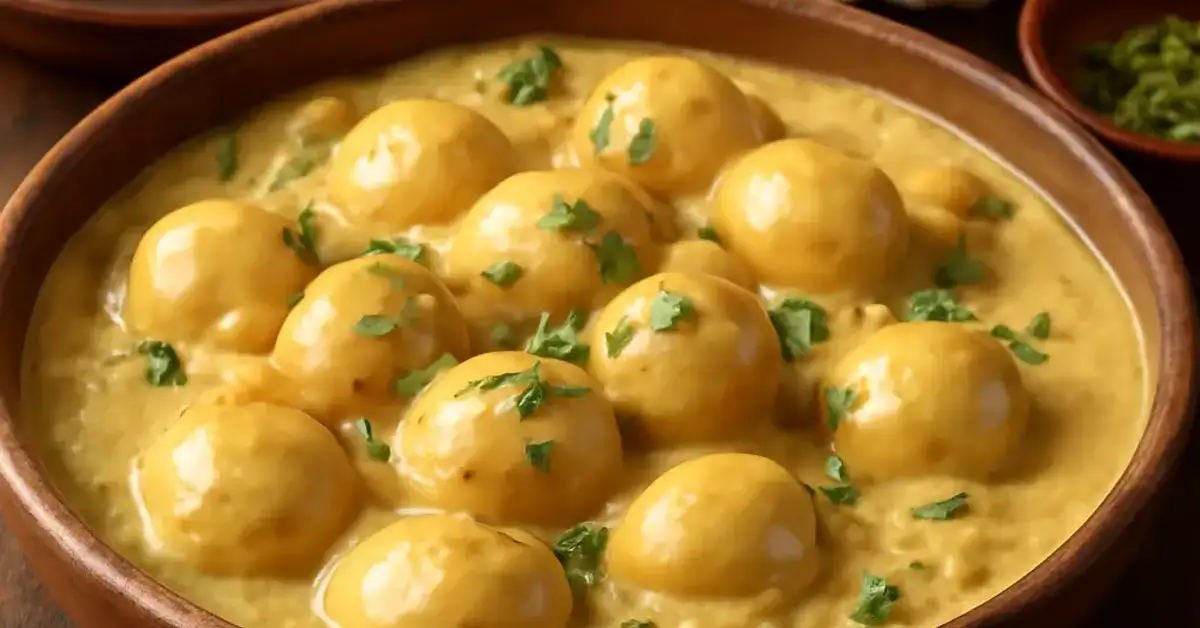
My First Taste of Pampanga Sipo Egg: A Traveler’s Discovery
I’m Jin Grey. I was born and raised in Mindanao, in the quiet town of Isulan, Sultan Kudarat, and now I call Davao City home. As a digital nomad, I’ve eaten my way across the Philippines, chasing flavors that tell a story. But nothing prepared me for the moment I first tried Pampanga Sipo Egg.
It was a humid afternoon in Angeles City. A local friend, a Kapampangan through and through, pulled me into a small carinderia along a side street. “You have to try this,” she said, placing a bowl of creamy, golden-speckled goodness in front of me. The aroma of butter and garlic hit me first. Then, I took a spoonful. The quail eggs were soft, almost melting, wrapped in a sauce that felt like velvet. I was hooked. That single bowl made me understand why Pampanga is called the culinary capital of the Philippines. For a related guide, see Pampanga Tamales: Wrapped Rice Delicacies for Festive Occasions.
Pampanga Sipo Egg isn’t just food—it’s a love letter to the region’s love for rich, celebratory dishes. Every bite reminds me of the warmth of Filipino hospitality and the joy of discovering something truly special.
What Exactly Is Pampanga Sipo Egg?
At its heart, Pampanga Sipo Egg is a creamy, buttery stew built around quail eggs. The name “Sipo” comes from the sound of the sauce simmering gently in the pan—a soft “si-po” that any Kapampangan cook will recognize. The dish pairs those tiny, tender eggs with a colorful mix of vegetables like carrots, green peas, bell peppers, and sometimes sayote (chayote). Everything is coated in a luscious white sauce made from butter, all-purpose cream, and evaporated milk. Some versions add a touch of cheese for extra richness. For a related guide, see Pampanga Ensaymada: Buttery Cheese Delicacies Perfect for Breakfast.
Unlike other egg-based dishes, Sipo Egg isn’t fried or scrambled. It’s gently simmered, allowing the flavors to meld into a comforting, almost addictive sauce. It’s a Kapampangan delicacy that perfectly balances savory, sweet, and creamy notes.
The Cultural Roots of This Buttery Quail Egg Dish
Pampanga’s cuisine is famous for being bold, indulgent, and celebratory. Pampanga Sipo Egg fits right in. It’s a dish that appears at nearly every fiesta, town celebration, and family reunion. Why? Because it’s affordable yet feels luxurious. The quail eggs symbolize abundance, the creamy sauce represents warmth, and the colorful vegetables make it as beautiful as it is delicious. For locals, Sipo Egg is a way to show love through food—a tradition that runs deep in Kapampangan culture.
The Secret to Its Buttery, Creamy Texture
What makes Pampanga Sipo Egg so irresistible? It’s all in the technique. The sauce starts with a generous amount of butter, sautéed with garlic and onions until fragrant. Then, cream and milk are added slowly, stirred constantly to prevent curdling. The quail eggs are boiled and peeled, then folded in gently near the end so they stay whole and tender. The result is a velvety sauce that clings to every ingredient, creating that signature mouthfeel.
Some home cooks add a little chicken broth for depth, while others use evaporated milk for a sweeter finish. But the real secret is patience. Good Sipo Egg simmers low and slow, letting the flavors build without rushing.
Key Ingredients That Make This Kapampangan Delicacy Shine
Every ingredient in Pampanga Sipo Egg plays a role. Here’s what you’ll typically find in a traditional Sipo Egg recipe:
| Ingredient | Role in the Dish |
|---|---|
| Quail eggs | Provide a soft, rich protein base; the star ingredient |
| Butter | Creates the silky, buttery foundation of the sauce |
| All-purpose cream and evaporated milk | Adds richness and a luscious, creamy texture |
| Garlic and onion | Builds savory depth and aroma |
| Carrots, green peas, bell peppers | Adds sweetness, color, and crunch |
| Sayote (chayote) | Optional; adds a mild, slightly sweet flavor and texture |
| Salt, pepper, and a pinch of sugar | Balances and enhances all the flavors |
Each component is chosen to complement without overpowering the delicate quail eggs. The vegetables are typically diced small so they cook quickly and blend seamlessly into the sauce.
How to Cook Pampanga Sipo Egg at Home: A Simple Step-by-Step Guide
Making this buttery quail egg dish at home is easier than you think. Follow these steps for a delicious result every time.
Step 1: Prepare the Quail Eggs
Boil 20 to 25 quail eggs for 2–3 minutes, then transfer them to cold water. Peel them carefully. The shells are thin, so a gentle touch helps keep the eggs whole.
Step 2: Sauté the Aromatics
In a pan, melt 3 tablespoons of butter over medium heat. Sauté 3 cloves of minced garlic and half a chopped onion until soft and fragrant.
Step 3: Add the Vegetables
Toss in ¼ cup each of diced carrots, green peas, and red bell pepper. Cook for 2–3 minutes until slightly tender.
Step 4: Build the Creamy Sauce
Pour in 1 cup of all-purpose cream and ½ cup of evaporated milk. Stir gently. Season with salt, pepper, and a pinch of sugar. Let it simmer on low heat for 5 minutes, stirring occasionally.
Step 5: Add the Quail Eggs
Gently fold in the peeled quail eggs. Simmer for another 2–3 minutes. The sauce should thicken slightly.
Step 6: Serve and Enjoy
Transfer to a serving bowl. Garnish with a sprinkle of chopped parsley or extra ground pepper. Serve hot with steamed rice or warm pandesal.
Perfect Pairings: What to Serve with Sipo Egg
Pampanga Sipo Egg is versatile. It works wonderfully as a main dish or a rich side. Here are my favorite pairings:
- Steamed white rice – The neutral base soaks up every drop of creamy sauce.
- Pandesal – The slightly sweet bread is perfect for scooping up the buttery mixture.
- Fried or grilled fish – A light, flaky fish like bangus or tilapia balances the richness.
- Sinigang or tinola – The sour or ginger-based soup cuts through the creaminess beautifully.
- Lumpiang Shanghai – The crispy spring rolls add a lovely textural contrast.
During fiestas, you’ll often see Sipo Egg served alongside lechon, kaldereta, and pancit—a true Kapampangan feast.
Why Pampanga Is Known for Rich and Creamy Dishes
Pampanga’s culinary identity is built on indulgence. The province has a long history of hospitality, where cooking for guests is a form of respect. Dishes like Pampanga Sipo Egg, bringhe (Kapampangan paella), and morcon (stuffed beef roll) are all rich, time-intensive, and made with premium ingredients. Kapampangan cooks are masters of balance—they know exactly how much butter, cream, and seasoning to use without overwhelming the palate. That’s why tourists and food lovers flock to Pampanga: every meal feels like a celebration.
Where to Find Authentic Pampanga Sipo Egg
If you’re planning a trip, here are the best places to try the real thing:
- Angeles City carinderias – Small eateries like those along along Nepo Mart serve home-style Sipo Egg that locals swear by.
- San Nicolas Public Market – The cooked food section often has ready-to-eat Sipo Egg in the morning.
- Everyone’s Cafe in San Fernando – A classic Kapampangan restaurant that serves Sipo Egg as a daily special.
- Bale Dutung – For an upscale version, this famous restaurant offers a refined twist on the traditional recipe.
- Local grocery stores – Packaged casserole-style Sipo Egg is also available in select supermarkets around Pampanga.
If you can’t make the trip, many food delivery services now ship frozen Sipo Egg nationwide. Just reheat gently on the stove to preserve the creamy texture.
Useful Resources
Want to learn more about Kapampangan cuisine and how to perfect this dish? Check out these resources:
- Kapampangan.org – Traditional Sipo Egg Recipe – A detailed recipe with tips from local home cooks.
- ChoosePhilippines – Pampanga Food Guide – An excellent guide to must-try Kapampangan dishes and where to find them.
Frequently Asked Questions About Pampanga Sipo Egg
What is Pampanga Sipo Egg ?
Pampanga Sipo Egg is a creamy Kapampangan stew made with quail eggs, mixed vegetables, and a buttery white sauce. It’s known for its rich, velvety texture and is a popular fiesta dish in Pampanga.
Why is Pampanga Sipo Egg famous?
It’s famous for its indulgent, buttery flavor and use of quail eggs, which make it stand out from other Filipino egg dishes. It’s a signature of Kapampangan cuisine, which is known for its rich and celebratory food.
What makes Sipo Egg a popular Kapampangan delicacy ?
Its creamy texture, affordable ingredients, and comforting taste make it a favorite at fiestas and family gatherings. It’s also easy to prepare in large batches, perfect for sharing.
How is Pampanga Sipo Egg made?
Quail eggs are boiled and peeled. A sauce is made by sautéing garlic and onion in butter, then adding cream and milk. Vegetables and the eggs are simmered in the sauce until everything is tender and well-coated.
What ingredients are used in Sipo Egg?
Key ingredients include quail eggs, butter, all-purpose cream, evaporated milk, garlic, onion, carrots, green peas, and bell peppers. Some variations add sayote, cheese, or chicken broth for extra flavor.
Why do Filipinos enjoy Sipo Egg during celebrations?
It’s a dish that feels special without being too expensive. The creamy sauce and colorful vegetables make it festive, and it pairs well with other fiesta staples like lechon and pancit.
What does Pampanga Sipo Egg taste like?
It tastes rich, buttery, and slightly sweet from the vegetables and cream. The quail eggs are mild and tender, absorbing the savory flavor of the sauce. Overall, it’s a comforting, velvety dish.
Where can you buy authentic Pampanga Sipo Egg ?
You can find authentic versions at carinderias in Angeles City, San Nicolas Public Market, and restaurants like Everyone’s Cafe and Bale Dutung. Frozen versions are also available for delivery.
Why is Sipo Egg creamy and buttery?
The creaminess comes from a combination of butter, all-purpose cream, and evaporated milk, which are simmered together. The slow cooking process allows the sauce to thicken naturally without curdling.
Can you cook Pampanga Sipo Egg at home?
Absolutely. With simple ingredients and about 30 minutes, you can make it at home. The step-by-step guide in this article will help you achieve the same creamy result.
What vegetables are commonly added to Sipo Egg?
Carrots, green peas, and red bell peppers are the most common. Some recipes also include sayote (chayote) or corn for extra sweetness and texture.
Is quail egg the main ingredient in Sipo Egg?
Yes, quail eggs are the star protein. Their small size and soft texture make them ideal for this creamy dish, as they don’t overpower the sauce.
Why is Pampanga known for rich and creamy dishes?
Pampanga has a culinary tradition that emphasizes hospitality through indulgent meals. The region’s cooks are skilled at using butter, cream, and cheese to create dishes that feel luxurious and satisfying.
What makes Kapampangan cuisine unique?
Kapampangan cuisine is known for its bold, rich flavors, use of premium ingredients, and emphasis on celebratory cooking. It blends Indigenous, Spanish, and Chinese influences into unique dishes like Sipo Egg.
Is Pampanga Sipo Egg served during fiestas and gatherings?
Yes, it’s a staple at fiestas, Christmastime celebrations, and family reunions. Its hearty, shareable nature makes it perfect for large gatherings.
What dishes pair well with Sipo Egg?
Sipo Egg pairs beautifully with steamed rice, pandesal, fried fish, sinigang, or lumpiang Shanghai. It’s also excellent alongside lechon and kaldereta for a full Kapampangan feast.
Why do tourists love Pampanga Sipo Egg ?
Tourists love it because it’s a unique, affordable way to experience authentic Kapampangan cuisine. The creamy, buttery flavor is approachable yet distinct enough to be memorable.
Is Sipo Egg considered comfort food?
Yes, absolutely. Its warm, creamy, and savory profile makes it a go-to comfort dish for many Filipinos, especially those longing for home-cooked meals.
What makes Pampanga Sipo Egg irresistible?
The combination of soft quail eggs, buttery sauce, and sweet vegetables creates a harmony of textures and flavors that’s hard to resist. It’s also a dish that feels both familiar and special.
Is Pampanga Sipo Egg worth trying?
If you love creamy, savory dishes with a touch of sweetness, Pampanga Sipo Egg is absolutely worth trying. It’s a delicious gateway into the rich world of Kapampangan cuisine.

Jin Grey is a Filipino Senior SEO Consultant and AI-First SEO Strategist who helps international brands grow through modern search strategies. She specializes in technical SEO, semantic keyword research, and AI-ready content creation. She is also the owner of JinGrey.com.
As a digital nomad, she loves exploring the world and trying different cuisines during her free time.