
Pampanga Morcon Key Takeaways
Pampanga Morcon is a beloved festive Filipino beef roll that transforms simple ingredients into a showstopping centerpiece for celebrations.
- Pampanga Morcon is a stuffed beef roulade from Pampanga, not a Mexican sausage dish.
- The key to its tenderness lies in proper pounding, rolling technique, and low-and-slow braising.
- This dish is deeply connected to Filipino fiestas, Christmas gatherings, and family celebrations.
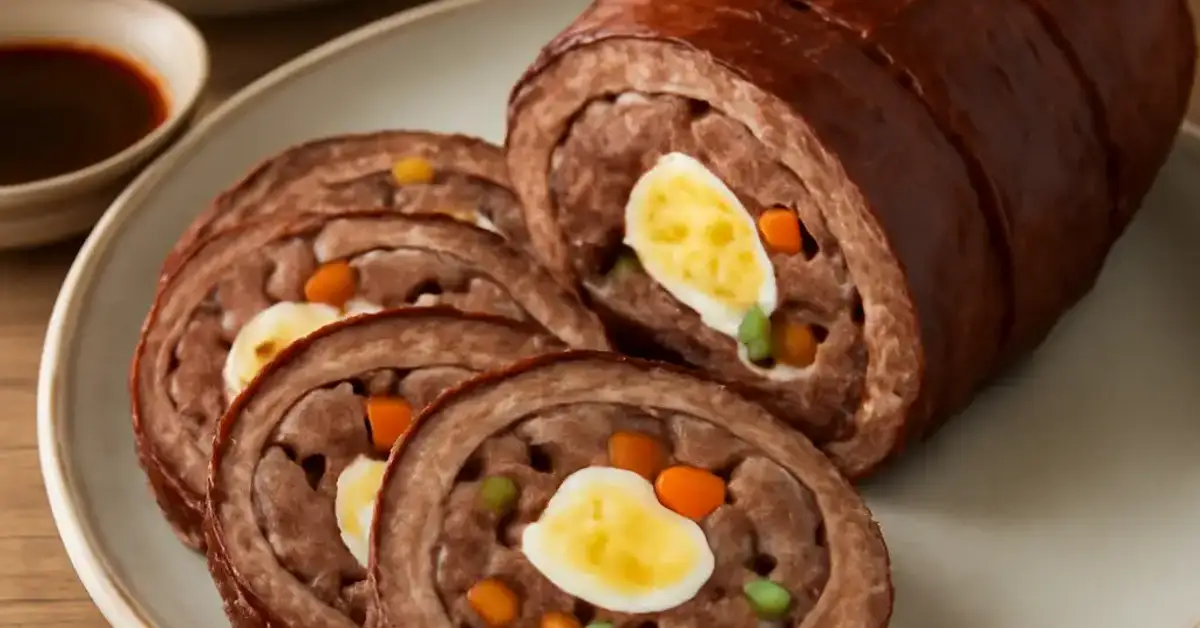
What Is Pampanga Morcon? A Kapampangan Culinary Treasure
When I first moved to Davao City as a young professional, I thought I knew Filipino food. Born and raised in Mindanao, specifically in Isulan, Sultan Kudarat, my palate grew up on the bold, coconut-rich flavors of the south. It wasn’t until I started traveling as a Digital Nomad that I truly began to explore the Philippines’ regional cuisines. One of the most memorable discoveries? Pampanga Morcon.
I still remember the first time I bit into a slice of this festive Filipino dish at a friend’s Noche Buena in Pampanga. The beef was incredibly tender, almost melting, and the filling — a colorful mosaic of longganisa, cheese, pickles, and egg — added bursts of flavor in every bite. I was hooked. I had to learn everything about it.
So, what exactly is Pampanga Morcon? At its core, it is a Filipino beef roll, specifically a stuffed beef roll Philippines style. A thin, pounded sheet of beef (usually from the top round or sirloin) is layered with a filling that typically includes Vienna sausage or longganisa, processed cheese like EDSA or Quickmelt, sweet pickles, carrots, and halved hard-boiled eggs. The beef is then rolled tightly into a log, tied with kitchen twine, and braised in a mixture of tomato sauce, soy sauce, and spices until fork-tender. The result is a savory beef roll that is sliced into beautiful spirals and served as a main course during special occasions. For a related guide, see Pampanga Bringhe: The Special Rice Delicacy Better Than Paella.
This is not the Mexican morcón (a type of blood sausage) or the Spanish morcón (a cured meat product). This is an authentic Pampanga Morcon — a proud creation of Kapampangan cooks who adapted available ingredients into something uniquely their own. It is, without a doubt, one of the most iconic Pampanga delicacies and a shining example of traditional Kapampangan cuisine. For a related guide, see Pampanga Sweet Tocino: The Iconic Cured Meat Delicacy.
History of Pampanga Morcon: How a Festive Dish Was Born
The history of Pampanga Morcon is a story of adaptation, resourcefulness, and a deep love for celebrations. Pampanga has long been known as the culinary capital of the Philippines, and for good reason. The province’s proximity to Manila, combined with its fertile lands and access to trade routes, exposed Kapampangan cooks to Spanish, Mexican, and Chinese influences early on.
During the Spanish colonial period, many Spanish dishes found their way into Filipino kitchens. One of them was morcón, a type of blood sausage. However, local cooks in Pampanga — known for their creativity and flair — reinterpreted the dish. Instead of using blood and pork intestines, they used beef, a more accessible and celebratory protein. They stuffed it with ingredients that were available in the local market: sausages, eggs, and pickles. Over time, this reinvented dish became a staple at town fiestas, Christmas dinners, and family reunions. It became a Filipino family gathering meal that symbolized abundance and hospitality.
To this day, no town fiesta in Pampanga is complete without a platter of Pampanga Morcon. It is a dish that speaks to the cultural food heritage Philippines proudly carries forward — one that marries foreign influences with local ingenuity to create something entirely new and beloved.
How Is Pampanga Morcon Different from Traditional Morcon?
This is a question many people ask, and the answer lies in the ingredients and preparation. The word “morcon” has different meanings depending on the cuisine:
| Type | Origin | Main Ingredients | Preparation |
|---|---|---|---|
| Pampanga Morcon | Philippines (Pampanga) | Beef, sausages, cheese, pickles, eggs | Rolled and braised in tomato sauce |
| Spanish Morcón | Spain | Pork loin or belly, paprika, garlic | Cured or roasted whole |
| Mexican Morcón | Mexico | Pork blood, rice, spices (blood sausage) | Stuffed into casings, boiled or grilled |
The key difference is that Pampanga Morcon is a beef roulade Filipino style — a stuffed and rolled dish that is braised, not cured or made into sausage. The Filipino version is also much more festive, typically served sliced into pinwheel rounds that display the colorful filling inside. It is a special occasion dish meant to impress, not a daily staple.
Key Ingredients in Pampanga Morcon
The beauty of this homemade Morcon recipe lies in its filling. While every Kapampangan family has their own variation, the core ingredients remain consistent:
The Beef
Use a lean cut like top round, bottom round, or sirloin. The beef must be sliced thinly (about ¼ inch thick) and pounded to an even thickness for easy rolling. This ensures the rolled beef recipe cooks evenly and stays tender.
The Filling
- Vienna sausage or longganisa: Adds a savory, slightly smoky flavor.
- Processed cheese (EDSA, Quickmelt, or cheddar): Melts into the beef as it cooks, adding richness.
- Sweet pickles (or atsara): Provides a tangy contrast to the savory elements.
- Hard-boiled eggs: Halved and placed along the length of the roll for visual appeal.
- Carrots and bell peppers: Adds color and a hint of sweetness.
The Braising Sauce
A mixture of tomato sauce, soy sauce, garlic, onions, bay leaves, and black pepper. Some cooks add a touch of liver spread or tomato paste for depth. The beef roll simmers in this sauce for 1.5 to 2 hours until fork-tender.
How to Cook Authentic Pampanga Morcon: Step-by-Step Guide
Here is a practical guide to making Pampanga Morcon at home. Follow these steps for a tender, flavorful result.
Step 1: Prepare the Beef
Lay the slice of beef flat on a cutting board. Cover with plastic wrap and pound with a meat mallet until it is about ¼ inch thick. Season both sides with salt and pepper.
Step 2: Layer the Filling
Arrange the filling ingredients in a line across the center of the beef: sausages, cheese strips, pickles, carrots, and hard-boiled eggs (arranged end to end). Do not overstuff — a tight roll is easier to tie.
Step 3: Roll and Tie
Starting from one end, roll the beef snugly around the filling. Use kitchen twine to tie the roll at 1-inch intervals. This keeps the shape intact during braising.
Step 4: Sear the Roll
Heat oil in a heavy pot or Dutch oven. Sear the beef roll on all sides until browned. This adds flavor.
Step 5: Braise Until Tender
Add garlic, onions, tomato sauce, soy sauce, bay leaves, and enough water or broth to come halfway up the roll. Bring to a boil, then lower the heat to a simmer. Cover and cook for 1.5 to 2 hours, turning occasionally, until the beef is fork-tender. If the sauce reduces too much, add a splash of water.
Step 6: Slice and Serve
Remove the roll from the pot and let it rest for 10 minutes. Snip the twine, then slice into ½-inch thick rounds. Arrange on a platter and spoon the sauce over the top.
What Makes Pampanga Morcon a Festive Filipino Dish?
Pampanga Morcon is more than just food — it is a symbol of celebration. Several factors elevate it to a festive Filipino dish:
- Presentation: Sliced into spirals, the colorful filling makes it visually stunning on a buffet table.
- Labor of love: The rolling and tying process shows effort and care, perfect for showing hospitality to guests.
- Rich flavor: The combination of beef, sausages, cheese, and tangy pickles creates a complex, satisfying taste.
- Versatility: It can be served for Noche Buena, Media Noche, fiestas, birthdays, and even weddings.
In many Kapampangan households, preparing Pampanga Morcon is a family affair. Everyone gathers in the kitchen — one person pounds the beef, another chops the pickles, another ties the rolls. It is a tradition that brings generations together, reinforcing the importance of family in Filipino culture. This is the essence of Kapampangan culinary traditions — cooking as an act of love and community.
What Side Dishes Pair Well with Pampanga Morcon?
To create a complete Filipino holiday menu, pair your Pampanga Morcon with these complementary dishes:
- Pancit Canton or Sotanghon: Noodles symbolize long life and are a must for Filipino celebrations.
- Lumpiang Shanghai: Crispy spring rolls offer a textural contrast to the tender beef.
- Queso de Bola: The classic Edam cheese ball pairs beautifully with the rich morcon.
- Steamed white rice: Use the sauce from the morcon as a flavorful gravy.
- Ensaladang Talong or Pickled Papaya (atsara): A tangy vegetable salad cuts through the richness of the beef.
- Pandesal or Sourdough Bread: For soaking up every last drop of braising sauce.
Can Pampanga Morcon Be Prepared in Advance?
Absolutely — and many Kapampangan cooks actually prefer it that way. Like many braised dishes, Pampanga Morcon tastes even better the next day after the flavors have melded overnight.
Make-Ahead Tips
- Cook fully: Braise the roll, let it cool, then refrigerate in its sauce for up to 3 days.
- Reheat gently: Slice the roll, then reheat the slices in the sauce over low heat until warmed through.
- Freeze for longer storage: Wrap the cooked roll tightly in foil and place in a freezer bag. It keeps for up to 2 months. Thaw in the refrigerator overnight before reheating.
Preparing in advance is a lifesaver for busy holiday hosts. It allows you to focus on other dishes while still serving an impressive Christmas beef recipe that tastes like you spent all day on it.
Best Tips for Making Tender Pampanga Morcon
Tough morcon is a common disappointment. Here are the most important tips to ensure your Pampanga Morcon turns out tender every time:
- Pound the beef properly: Even thickness ensures even cooking. Use the flat side of the meat mallet.
- Don’t overstuff: A tight, compact roll holds together better during braising.
- Tie securely: Loose twine means the roll will fall apart. Tie at 1-inch intervals.
- Sear first: Browning adds flavor and helps seal the roll.
- Low heat, long time: Braise at a gentle simmer, not a rolling boil. Low heat breaks down collagen without drying out the meat.
- Let it rest before slicing: Resting allows the juices to redistribute. Cutting too early will dry out the beef.
How Long Does It Take to Cook Pampanga Morcon?
Total cooking time runs between 1 hour 45 minutes and 2 hours 30 minutes, broken down as follows:
- Preparation (pounding, filling, rolling, tying): 20–30 minutes
- Searing the roll: 5–8 minutes
- Braising: 1.5–2 hours
- Resting before slicing: 10 minutes
Plan ahead accordingly, especially if serving for a large family gathering. The extra time is well worth the payoff.
Variations of Pampanga Morcon in Pampanga
Even within Pampanga itself, you will find regional twists on the dish. Here are some notable variations of Pampanga Morcon:
- Pork Morcon: Some cooks substitute beef with pork liempo (pork belly). The result is richer and fattier.
- Chicken Morcon: A lighter version that uses boneless chicken thighs. It cooks faster (about 45 minutes).
- Morcon with Liver Spread: Many Kapampangan families add a smear of liver spread inside the roll for an umami boost.
- Baked Morcon: Instead of braising, some modern home cooks bake the roll in a covered casserole dish with sauce, cutting down on active cooking time.
- Extra-large Morcon: For big fiestas, cooks use larger cuts of beef (like the whole top round) to feed a crowd.
Regardless of the variation, the core spirit remains the same: a festive, celebratory dish that showcases Kapampangan hospitality.
Why Is Pampanga Known for Its Culinary Traditions?
Pampanga’s reputation as the “Culinary Capital of the Philippines” is well earned. Several factors contribute to its rich food culture:
- Historical influences: Pampanga was a center of Spanish colonial activity, leading to an early adoption of European ingredients and techniques.
- Access to quality ingredients: The province’s fertile soil produces abundant vegetables, fruits, and livestock.
- Cultural pride: Kapampangans take immense pride in their cuisine, passing down recipes through generations. Cooking is a form of art and identity.
- Fiesta traditions: The province is famous for its vibrant town fiestas, where each household competes to present the most impressive table of food. Pampanga Morcon is often the star of the show.
This deep-rooted culinary heritage makes Pampanga Morcon more than a recipe — it is a living piece of Philippine regional cuisine that connects families and communities through taste.
Useful Resources
For further reading on Kapampangan cuisine and the history behind Pampanga Morcon, check out these sources:
- A Classic Kapampangan Morcon Recipe – Spot.ph — This article provides another family’s take on the dish, with step-by-step photos and tips directly from home cooks in Angeles City.
- The Rich Food Culture of Pampanga – Nolisoli — A feature on the history and traditions that make Pampanga the culinary capital of the Philippines, including the role of morcon in local fiestas.
Frequently Asked Questions About Pampanga Morcon
For me, Pampanga Morcon is more than a recipe — it is a delicious reminder that the best Filipino food is born from love, creativity, and celebration. Whether you are preparing it for a Noche Buena buffet or a simple family Sunday lunch, this festive beef roll brings people together around the table. Give it a try, and let the flavors of Pampanga tell their own story.
Frequently Asked Questions About Pampanga Morcon
What is Pampanga Morcon made of?
Pampanga Morcon is made of thinly pounded beef (usually top round or sirloin), stuffed with a filling of Vienna sausages or longganisa, processed cheese, sweet pickles, carrots, and hard-boiled eggs. It is rolled, tied, and braised in a tomato-soy sauce mixture.
Is Pampanga Morcon the same as Spanish morcón?
No. Spanish morcón is a cured or roasted pork dish. Pampanga Morcon is a Filipino beef roulade that is braised. The only thing they share is the name, which reflects Spanish colonial influence on Filipino cuisine.
How is Pampanga Morcon different from Mexican morcón?
Mexican morcón is a blood sausage made with pork blood and rice. Pampanga Morcon is a stuffed beef roll, not a sausage. The Filipino version is braised and served sliced, while the Mexican version is often grilled or boiled.
What cut of beef is best for Pampanga Morcon ?
Lean cuts like top round, bottom round, or sirloin are ideal. These cuts become tender after long, slow braising. Avoid very fatty cuts, as they can make the roll greasy.
Can I use pork instead of beef for Pampanga Morcon ?
Yes. Many Kapampangan cooks make a pork version using pork liempo (pork belly). The rolling and braising method remains the same, though pork cooks slightly faster.
Do I need special equipment to make Pampanga Morcon ?
No special equipment is required beyond a meat mallet for pounding, kitchen twine for tying, and a heavy pot or Dutch oven for braising. A sharp knife is helpful for clean slicing.
How long does Pampanga Morcon take to cook?
Preparation takes about 20–30 minutes, and braising takes 1.5 to 2 hours. After cooking, let the roll rest for 10 minutes before slicing. Total time is approximately 2 to 2.5 hours.
Can I freeze Pampanga Morcon ?
Yes. Braise the roll completely, cool it, then wrap tightly in foil and place in a freezer bag. It can be frozen for up to 2 months. Thaw overnight in the fridge and reheat in the sauce.
What is the best way to reheat Pampanga Morcon ?
Slice the roll after reheating, not before. Reheat the whole roll or sliced pieces gently in the braising sauce over low heat on the stovetop. Avoid microwaving, which can dry out the beef.
What side dishes go with Pampanga Morcon ?
Common side dishes include pancit canton, lumpiang Shanghai, queso de bola, steamed rice, and a tangy vegetable salad like ensaladang talong or pickled papaya (atsara).
Is Pampanga Morcon spicy?
No, it is not traditionally spicy. The flavor profile is savory, slightly tangy from the pickles, and rich from the cheese and sausages. If you prefer heat, you can add a chili pepper to the braising sauce.
Why is my Pampanga Morcon tough?
Toughness usually results from undercooking, cooking at too high a heat, or not pounding the beef thinly enough. Braise at a gentle simmer for at least 1.5 hours, and pound the beef to ¼ inch thickness.
Can I make Pampanga Morcon in a slow cooker?
Yes. Sear the roll first, then place it in the slow cooker with the sauce. Cook on low for 6–8 hours or on high for 3–4 hours. This yields exceptionally tender beef.
Do I have to use cheese in Pampanga Morcon ?
Cheese is traditional and adds richness, but it can be omitted if you are lactose intolerant. The roll will still be flavorful thanks to the sausages and pickles.
What is the origin of the name “morcon”?
The name “morcon” likely comes from the Spanish morcón, a cured pork dish. Filipino cooks adapted the name for their own creation, which is a completely different dish in form and flavor.
Is Pampanga Morcon gluten-free?
The dish itself contains no wheat, but some brands of soy sauce and sausages may contain gluten. Check labels if you need a strictly gluten-free version, or use tamari (gluten-free soy sauce).
Can I use other meats for the filling?
Yes. Some recipes use sliced ham, chorizo de Bilbao, or even bacon instead of Vienna sausage or longganisa. Feel free to experiment with your favorite cured meats.
Why is Pampanga Morcon popular during Christmas?
Pampanga Morcon is a centerpiece dish that looks impressive on the table, which makes it perfect for Noche Buena. Its rich, hearty flavors also suit the cooler December evenings, and it can be prepared ahead to ease the holiday cooking rush.
Can I serve Pampanga Morcon cold?
It is best served warm with the sauce spooned over it. However, leftover slices can be enjoyed cold in sandwiches or salads. The flavors remain delicious even at room temperature.
Where can I find the best Pampanga Morcon ?
The most authentic versions are homemade by Kapampangan families. In Pampanga, some well-known eateries and carinderias in Angeles City, San Fernando, and Guagua serve excellent morcon. Your best bet is to ask a local or attend a town fiesta.

Jin Grey is a Filipino Senior SEO Consultant and AI-First SEO Strategist who helps international brands grow through modern search strategies. She specializes in technical SEO, semantic keyword research, and AI-ready content creation. She is also the owner of JinGrey.com.
As a digital nomad, she loves exploring the world and trying different cuisines during her free time.