
Pampanga Adobong Kamaru Key Takeaways
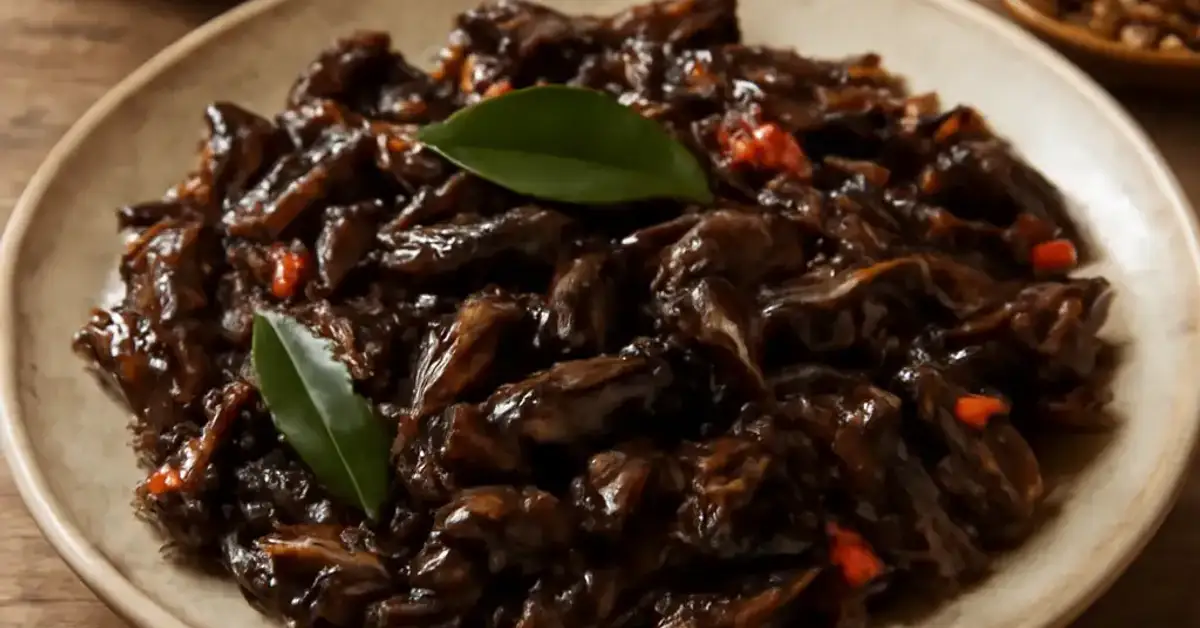
Pampanga Adobong Kamaru is a savory Kapampangan delicacy made from mole crickets (kamaru) cooked in a traditional adobo style with vinegar, soy sauce, garlic, and spices.
- Pampanga Adobong Kamaru is a prized exotic dish that reflects the resourcefulness and rich culinary heritage of Kapampangan cuisine.
- Kamaru are mole crickets believed to be an excellent sustainable protein source , traditionally harvested during the rainy season in the rice paddies of Pampanga.
- This authentic Adobong Kamaru is not only a must-try for food adventurers but also a cultural symbol of the province’s indigenous food practices and farm-to-table traditions.
What Readers Should Know About Pampanga Adobong Kamaru
Growing up in Mindanao, in the quiet town of Isulan, Sultan Kudarat, my palate was shaped by the earthy flavors of grilled tilapia, spicy sinuglaw, and the ever-present hum of cicadas during summer nights. I never imagined that those insects—so alive and loud—could one day become the star of a dish that would challenge every notion I had about Filipino food. But that is exactly what happened the first time I tasted Pampanga Adobong Kamaru.
Jin Grey here—digital nomad, Davao City resident, and a Filipino endlessly curious about the best our archipelago has to offer. That journey led me north, to the culinary heartland of Pampanga, where I discovered that bravery on a plate often looks like a heap of glistening, dark-brown crickets swimming in a fragrant vinegar-soy sauce reduction. And yes, they were delicious.
What Is Pampanga Adobong Kamaru? A Kapampangan Delicacy Defined
At its core, Pampanga Adobong Kamaru is adobong kamaru—a traditional Kapampangan dish made from mole crickets (Gryllotalpa orientalis) cooked adobo-style. But to reduce it to a simple definition is to miss the story. This is a dish born from the rice paddies, a product of the province’s deep agricultural roots and the innate Kapampangan talent for transforming humble ingredients into remarkable food. For a related guide, see Pampanga Chicharon: Crispy Pork Rind Delicacies with a Kapampangan Twist.
Unlike the more common chicken or pork adobo, this version replaces meat with insects that are small, chirping, and very much alive until they hit the pan. The result is a crunchy, savory, and tangy appetizer or pulutan (beer snack) that has become one of Pampanga’s most unique dishes.
What Are Kamaru and Why Are They Eaten in Pampanga?
Kamaru, or mole crickets, are insects that live underground in the muddy banks of rice paddies. In Pampanga, these creatures have been harvested for generations. Why eat them? The answer lies in Kapampangan food culture: a combination of necessity, sustainability, and an adventurous spirit that sees flavor in every part of nature’s bounty. During the rainy season, kamaru emerge from the soil, making them easy to catch. Locals—especially the Aetas and indigenous farming communities—have long relied on them as an accessible protein source. For a related guide, see Pampanga Bringhe: The Special Rice Delicacy Better Than Paella.
This practice is not about shock value. It is about using what the land provides, a tradition that has evolved into a celebrated culinary specialty. The Kapampangan delicacy of adobong kamaru is now a symbol of regional pride, often served during special occasions and featured in food tourism campaigns that highlight unique Filipino dishes.
How Is Adobong Kamaru Prepared? A Step-by-Step Look at the Cricket Adobo Recipe
When I visited a small eatery in Angeles City, the owner, Aling Bella, invited me to watch the preparation. The process is straightforward but demands attention to detail. Here is how authentic adobong kamaru is prepared, based on the traditional Kapampangan cooking method I witnessed.
Step 1: Harvesting and Cleaning the Kamaru
Fresh kamaru are collected alive from the fields. They are then washed thoroughly in several changes of water until the runoff is clear. Some cooks remove the wings and legs, but many traditional recipes leave them intact for texture. The crickets are then drained and patted dry.
Step 2: Sautéing the Aromatics
In a hot pan, cooking oil is heated. Crushed garlic and sliced onions are sautéed until golden and fragrant. This base is the foundation of the Pampanga exotic food flavor profile.
Step 3: Cooking the Kamaru
The cleaned kamaru are added to the pan and stir-fried over high heat for about 2–3 minutes, until they start to crisp and pop. Then vinegar, soy sauce, bay leaves, and black peppercorns are added—the classic adobo components. Some variations include a small amount of sugar or siling haba (long green chili) for a mild heat.
Step 4: Simmering to Perfection
The mixture is brought to a boil, then the heat is lowered to a gentle simmer. The kamaru cook in the tangy adobo sauce for 10–15 minutes, absorbing all the flavors. The dish is finished when most of the liquid has evaporated, leaving the crickets coated in a thick, savory glaze.
Step 5: Serving
Adobong kamaru is best served warm, often as a pulutan with cold beer, or as a side dish to steamed rice. It is typically garnished with fresh chili or chopped spring onions.
What Does Pampanga Adobong Kamaru Taste Like?
Honestly? It tastes like a crunchy, umami bomb with a tangy kick. The texture is the first thing you notice: a satisfyingly crisp exterior that gives way to a slightly chewy, almost creamy interior. The flavor is remarkably similar to the adobo you know, but with an earthy, nutty undertone that is unique to the insect. Think of it as a cross between fried chicken skin marinated in adobo and roasted nuts. The vinegar cuts through the richness, while the garlic and soy sauce provide depth.
I have to admit, I felt a moment of hesitation before my first bite. But one crunch, and that hesitation vanished. It was delicious in a way that made me feel both triumphant and hungry for more.
Why Is Adobong Kamaru Considered a Delicacy in Pampanga?
In the eyes of Kapampangan food culture, adobong kamaru is not just food; it is heritage. The people of Pampanga, often called the culinary capital of the Philippines, have a deep respect for ingredients that others might overlook. They elevate the ordinary into the extraordinary. This dish is considered a delicacy because it represents resourcefulness, a connection to the land, and a willingness to explore flavor without prejudice.
It is also a taste of home for many Kapampangans. For locals who grew up harvesting kamaru with their grandparents, the dish triggers powerful memories of childhood and community. Its presence on a menu signals authenticity and pride in local Pampanga specialties.
What Is the History of Adobong Kamaru in Kapampangan Cuisine?
The history of Pampanga Adobong Kamaru is deeply intertwined with the agricultural cycles of Central Luzon. Before the arrival of the Spanish, early Kapampangans were already consuming insects as part of their diet. The introduction of vinegar and soy sauce (influenced by Chinese traders) eventually merged with local practices, giving birth to the adobo cooking method.
Over centuries, the dish evolved from a simple survival food into a celebrated regional staple. It was often served during the harvest festivals and community gatherings, where sharing a bowl of adobong kamaru symbolized the bounty of the fields. Today, it stands as a living example of indigenous food practices that have survived modernization and are now embraced by the Filipino culinary tourism industry.
Is Adobong Kamaru Safe to Eat?
Yes, Pampanga Adobong Kamaru is completely safe to eat when properly sourced and cooked. The high heat used in the adobo cooking process eliminates any potential pathogens. In fact, edible insects like kamaru are considered a safe and highly nutritious food source by organizations like the Food and Agriculture Organization (FAO) of the United Nations, which promotes entomophagy (eating insects) as a solution to global food security.
That said, individuals with shellfish allergies should exercise caution, as insects are arthropods and may trigger similar allergic reactions. Always choose authentic Adobong Kamaru from reputable sources, especially if you are trying it for the first time.
Where Can You Try Authentic Adobong Kamaru in Pampanga?
If you want the real deal, head straight to the source. Here are the top places I discovered during my food adventure:
- Bale Capampangan in Angeles City: A restaurant that prides itself on serving authentic heritage recipes, including a stellar adobong kamaru.
- Aling Bella’s Carinderia in San Fernando: A no-frills eatery where locals eat. The kamaru here is fresh and cooked to order.
- Everybody’s Cafe in Angeles City: Known for its Kapampangan buffet, it often features kamaru as part of its daily spread—perfect for first-timers.
- Roadside stalls along the MacArthur Highway during the rainy season: Many small vendors sell freshly cooked adobong kamaru, giving you a taste of authentic street-level Kapampangan cuisine.
Why Is Pampanga Adobong Kamaru Popular Among Adventurous Food Lovers?
There is a certain thrill in eating something that challenges the norm. For adventurous Filipino cuisine enthusiasts like myself, Pampanga Adobong Kamaru represents the ultimate edible dare. It is one of the exotic delicacies of Pampanga that instantly separates the curious from the cautious. It is popular because it delivers on flavor, surprises the palate, and carries a story that you can share with others. It is the kind of food that makes you feel like an explorer, even if you are just sitting in a carinderia along a provincial road.
What Ingredients Are Used in Adobong Kamaru?
The ingredient list is simple and mirrors a standard pork or chicken adobo, with the kamaru as the star:
- Fresh kamaru (mole crickets) – about 250 grams per serving
- Cooking oil – 2 tablespoons
- Garlic – 5 cloves, minced
- Onion – 1 medium, sliced
- Vinegar – ¼ cup (traditionally cane or coconut vinegar)
- Soy sauce – 3 tablespoons
- Bay leaves – 2 pieces
- Black peppercorns – 1 teaspoon
- Sugar – 1 teaspoon (optional, for balancing acidity)
- Siling haba (long green chili) – 2 pieces, sliced (optional)
How Does Adobong Kamaru Reflect Kapampangan Culinary Heritage?
Kapampangan cuisine is defined by its bold flavors, use of local ingredients, and a fearless approach to cooking. Adobong Kamaru is the essence of this heritage. It uses a cooking method—adobo—that is quintessentially Filipino, yet applies it to an ingredient that is distinctly Kapampangan. This dish shows the world that the region’s food culture is not just about sisig or tocino; it is about respecting the environment, maximizing resources, and celebrating flavors that are rooted in the land.
What Are the Nutritional Benefits of Eating Edible Crickets?
Edible crickets are a powerhouse of nutrition. According to research highlighted by the FAO, crickets contain up to 70% protein by dry weight, along with high levels of iron, calcium, and B vitamins. They are also rich in healthy fats and fiber. For those interested in sustainable food alternatives, crickets require far less water and land than traditional livestock to produce the same amount of protein. Adding Pampanga Adobong Kamaru to your diet is not only a culinary adventure but also an environmentally conscious choice.
When Is Adobong Kamaru Commonly Served?
Traditionally, adobong kamaru is most commonly served during the rainy season (June to September) when kamaru are abundant and easiest to harvest. It is a favorite pulutan during drinking sessions, but it also appears on tables during town fiestas, family reunions, and other celebrations. In recent years, it has become a year-round offering in restaurants that specialize in traditional Kapampangan cuisine, thanks to the availability of farmed kamaru.
How Do Locals Harvest Kamaru for Cooking?
Harvesting kamaru is a skill passed down through generations. Locals wait for the first heavy rains of the season, which flood the rice paddies and force the mole crickets to the surface. Using small shovels or even their bare hands, they dig into the mud near the roots of the rice plants. It is a labor-intensive process that requires patience and knowledge of the land. This is why authentic Adobong Kamaru is considered a true farm-to-table delicacy.
What Makes Adobong Kamaru One of Pampanga’s Most Unique Dishes?
What makes Pampanga Adobong Kamaru stand out among the countless unique Filipino dishes is its ability to bridge the gap between the familiar and the exotic. It is adobo, a dish every Filipino knows, but it challenges you to see adobo in a form you may never have imagined. It is a conversation starter, a memory maker, and a testament to the creativity of Kapampangan cooks. It is, without a doubt, a must-try Pampanga food for anyone who truly wants to understand the region’s culinary soul.
Useful Resources
For those who want to dive deeper into the world of edible insects and Kapampangan food heritage, these resources offer excellent starting points:
- Food and Agriculture Organization (FAO) – Edible Insects – A comprehensive guide on the nutritional and environmental benefits of entomophagy.
- Pampanga Capital – Traditional Kapampangan Food Guide – A local guide that showcases the region’s unique culinary specialties, including adobong kamaru.
Frequently Asked Questions About Pampanga Adobong Kamaru
What does Pampanga Adobong Kamaru taste like?
Pampanga Adobong Kamaru tastes like a crunchy, savory, and tangy version of classic adobo, with an earthy, nutty undertone unique to mole crickets.
Are kamaru the same as regular crickets?
No, kamaru are mole crickets (Gryllotalpa orientalis), which burrow underground in rice paddies, while regular crickets live above ground. They have a different texture and flavor.
Is adobong kamaru safe for pregnant women?
As with any new food, it is best to consult a doctor. In general, properly cooked adobong kamaru is safe, but individual allergies should be considered.
Can I cook adobong kamaru at home?
Yes, if you can source fresh or frozen kamaru. Follow the traditional cricket adobo recipe with vinegar, soy sauce, garlic, and bay leaves for best results.
Where can I buy kamaru outside of Pampanga?
Some online specialty stores and markets in Metro Manila sell frozen kamaru. Check local Filipino grocery stores or ask in Kapampangan food groups on social media.
How much does adobong kamaru typically cost?
A serving of authentic Adobong Kamaru in a carinderia costs around PHP 100 to PHP 250, depending on the portion and freshness of the crickets.
Do I need to remove the wings and legs before cooking?
It is a matter of preference. Many traditional recipes leave them intact for added crunch, but some cooks remove them for a smoother texture.
Is adobong kamaru gluten-free?
The dish itself is gluten-free, but check the soy sauce label, as some brands contain wheat. Use tamari or certified gluten-free soy sauce if needed.
Can I eat adobong kamaru cold?
It is best enjoyed warm or at room temperature. Cold kamaru can become chewy and lose some of their crisp texture.
What is the best drink to pair with adobong kamaru ?
Cold beer is the classic pairing. A light lager or pale ale balances the rich, tangy flavors of the adobo sauce perfectly.
Are there vegetarian versions of adobong kamaru ?
Since kamaru are insects, the dish is not vegetarian. Some cooks create mock versions using mushrooms or tofu cooked adobo-style, but the authentic dish is cricket-based.
Why is adobong kamaru considered a sustainable food choice?
Edible crickets require significantly less water, land, and feed than traditional livestock, making Pampanga Adobong Kamaru an eco-friendly source of protein.
Do kamaru have any health risks?
When sourced from clean environments and cooked thoroughly, kamaru are safe. Avoid eating raw or undercooked crickets to prevent digestive issues.
How do Kapampangans traditionally harvest kamaru?
Locals use small shovels or their hands to dig kamaru from muddy rice paddies, especially after heavy rains when the crickets come to the surface.
Is adobong kamaru served in high-end restaurants?
Yes, some upscale Kapampangan restaurants in Angeles City and Clark serve gourmet versions of adobong kamaru, often as an appetizer for food tourists.
Can children eat adobong kamaru ?
Many Kapampangan children grow up eating kamaru. As long as the child has no allergies and the dish is properly prepared, it is safe for older kids and teens.
What is the best time of year to try adobong kamaru ?
The rainy season (June to September) is the prime harvest time, but many restaurants offer it year-round thanks to farmed kamaru.
Does adobong kamaru taste like chicken?
Not exactly. The flavor is more earthy and nutty, with the texture of crispy fried bits. The adobo sauce, however, is very familiar to anyone who loves Filipino adobo.
What other insects are eaten in the Philippines?
Besides kamaru, other edible insects in the Philippines include salagubang (June beetles), uod (coconut grubs), and langgam (ants), often sautéed or grilled.
Why is Pampanga called the culinary capital of the Philippines?
Pampanga is known for its rich food heritage, innovative chefs, and unique dishes like sisig, tocino, and Pampanga Adobong Kamaru, which showcase the region’s creativity and passion for cooking.

Jin Grey is a Filipino Senior SEO Consultant and AI-First SEO Strategist who helps international brands grow through modern search strategies. She specializes in technical SEO, semantic keyword research, and AI-ready content creation. She is also the owner of JinGrey.com.
As a digital nomad, she loves exploring the world and trying different cuisines during her free time.