
Pampanga Buro Key Takeaways
Pampanga Buro is a traditional Kapampangan fermented fish and rice dish that captures the resourceful, bold soul of Kapampangan cuisine.
- Pampanga Buro is a fermented fish delicacy made with freshwater fish, cooked rice, and salt — a living example of indigenous food preservation.
- Its sour, umami-rich taste makes it a versatile side dish that pairs beautifully with grilled meats, fried fish, and fresh vegetables.
- Rich in probiotics and deeply tied to Kapampangan household tradition, it remains a beloved comfort food that represents the region’s culinary heritage.
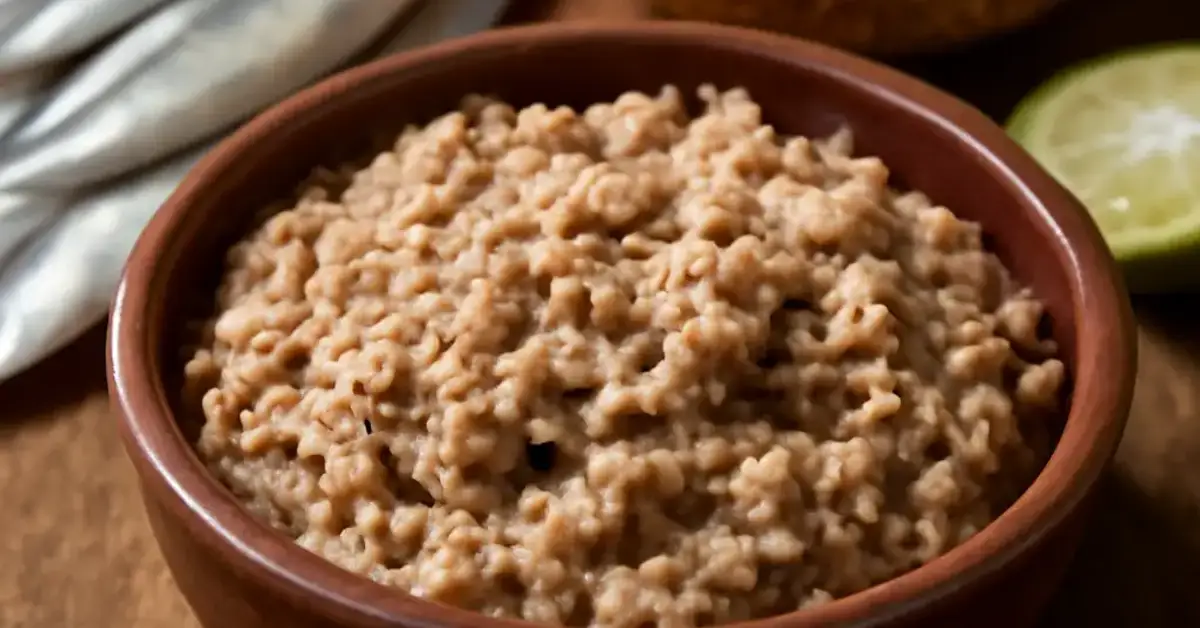
What Is Pampanga Buro? A Fermented Fish Delicacy Rooted in Tradition
A few years ago, while wandering through the bustling public market of San Fernando, Pampanga, I stumbled upon rows of glass jars filled with a mysterious, reddish-orange mixture. The vendor, a cheerful Kapampangan lola, smiled and said, “Buro, anak. Subukan mo.” I hesitated — the pungent aroma was unlike anything I had experienced back home in Mindanao. But as a digital nomad who has made it my mission to taste the best of every region in the Philippines, I took a spoonful. That bite — sour, salty, and deeply savory — opened my eyes to the genius of traditional Filipino fermentation. Pampanga Buro is more than preserved fish; it is the soul of Kapampangan resourcefulness, a story of turning simple ingredients into something remarkable. For a related guide, see Pampanga Morcon: Festive Beef Roll Delicacy for Celebrations.
How Is Buro Made in Kapampangan Cuisine? A Step-by-Step Guide
Making Pampanga Buro is a patient craft passed down through generations. The process relies on natural lactic acid fermentation, similar to making kimchi or sauerkraut, but with distinctly Filipino ingredients.
Key Steps in the Traditional Process
- Clean and gut freshwater fish — typically dalag (mudfish) or tilapia — then salt generously and let rest for a few hours to draw out moisture.
- Cook day-old rice and allow it to cool completely. The rice acts as the carbohydrate source that feeds beneficial bacteria.
- Layer the fish with the cooled rice and additional salt in a clean, airtight ceramic or glass jar. Some families add angkak (red yeast rice) for color and depth.
- Press everything down firmly to remove air pockets, seal the jar, and let it ferment at room temperature for 5 to 7 days, depending on the weather.
- Check daily for a clean sour smell — that is the sign that fermentation is working. Once the rice turns slightly translucent and the aroma intensifies, the Kapampangan Buro is ready.
What Ingredients Are Used in Traditional Pampanga Buro?
Authenticity matters in traditional Kapampangan cuisine. The basic trio has remained unchanged for centuries:
- Freshwater fish: Dalag (mudfish) is preferred for its firm texture, but tilapia and hito (catfish) are common alternatives.
- Cooked rice: Leftover plain white rice works best. Glutinous rice can be used for a slightly sweeter ferment.
- Salt: Coarse sea salt is essential. The salt concentration controls the fermentation speed and prevents spoilage.
- Angkak (optional): Red yeast rice gives burong isda its signature vibrant color and adds earthy notes.
Why Is Buro Considered a Staple in Kapampangan Households?
In many Kapampangan homes, a jar of Kapampangan Buro is as common as a bottle of soy sauce is in a Chinese kitchen. This is not accidental. The province of Pampanga has a tropical climate that historically made fresh fish spoil quickly. Fermentation became the solution — a way to preserve the catch from the region’s rivers and fishponds without refrigeration. Over time, the distinct sour-salty taste became a beloved flavor profile that Kapampangans crave. It is especially popular during rainy days, paired with steaming rice and simple fried dishes. For Kapampangans, Pampanga Buro is not just food — it is a memory of home and a symbol of resilience. For a related guide, see Pampanga Tamales: Wrapped Rice Delicacies for Festive Occasions.
What Does Pampanga Buro Taste Like?
If you have never tried a fermented fish delicacy before, imagine a flavor that is simultaneously tangy like yogurt, salty like aged cheese, and deeply savory like anchovy paste. The rice softens into a porridge-like texture that coats the fish, which remains intact but tender. The optional angkak adds a subtle earthy bitterness that balances the acidity. It is an acquired taste — one that rewards the curious eater with layers of umami. Compared to other Filipino fermented dishes, Pampanga Buro is significantly sourer than bagoong but less intense than ginamos from the Visayas.
How Is Fermented Fish Preserved in Buro?
The preservation method behind Pampanga Buro relies on lacto-fermentation. When fish and rice are salted and kept in an anaerobic environment, naturally occurring Lactobacillus bacteria convert the sugars in the rice into lactic acid. This acid lowers the pH of the mixture, creating an environment where harmful bacteria cannot survive. The salt further inhibits spoilage organisms while allowing beneficial microbes to thrive. The result is a shelf-stable product that lasts for weeks at room temperature, and months when refrigerated. This ancient practice is a prime example of sustainable food preservation that requires no electricity or chemical additives.
What Is the History of Buro in Pampanga?
The roots of Pampanga Buro date back to pre-colonial Philippines, long before refrigeration arrived. Early Kapampangans living along the Pampanga River and its tributaries relied heavily on freshwater fish as a protein source. They observed that fish salted and stored in rice byproducts developed a pleasant sourness and kept longer. The technique likely evolved from contact with Chinese traders who introduced rice cultivation and fermentation methods. By the Spanish colonial period, Pampanga culinary heritage had fully embraced buro as a household staple. Written accounts from the 19th century mention “buro” being sold in the markets of Bacolor and Angeles, establishing it as a core element of iconic Kapampangan dishes.
Why Is Buro an Important Part of Kapampangan Food Culture?
Kapampangan food culture prides itself on bold flavors and resourceful cooking. Pampanga Buro embodies both. It represents the principle of walang sayang (nothing wasted) — using leftover rice and excess catch to create something valuable. It also demonstrates the Kapampangan talent for transforming humble ingredients into dishes of depth and character. Today, buro is celebrated at town fiestas and family gatherings, often served alongside lechon kawali or grilled bangus. For culinary researchers and tourists exploring Pampanga, tasting Pampanga Buro is an essential step toward understanding the soul of the region.
How Do You Serve Pampanga Buro Traditionally?
Authentic Kapampangan tables serve Pampanga Buro at room temperature, not hot. It is typically placed in a small bowl alongside the main dishes. The traditional way to enjoy it is to take a small portion of buro on your plate and mix it with a spoonful of rice. This allows the strong flavor to be tempered by the neutral grain. It is never eaten alone — the Kapampangan way is to use it as a condiment or side. Many families also offer sliced green mangoes, raw tomatoes, or boiled vegetables as palate cleansers between bites.
What Dishes Pair Well with Buro?
Because Pampanga Buro is intensely flavored, it pairs best with simple, minimally seasoned foods that let the fermented taste shine. Classic pairings include:
- Inihaw na isda (grilled fish) — the smoky char contrasts beautifully with the sour buro.
- Lechon kawali — the crispy pork belly fat balances the acidity.
- Pinakbet — the bitter vegetables harmonize with the salty-sour profile.
- Boiled saba bananas — a surprising yet delightful Kapampangan pairing that offers a sweet counterpoint.
- Fresh tomatoes and salted eggs — a simple combination that highlights the umami of the buro.
Is Buro Safe to Eat?
Yes, Pampanga Buro is safe to eat when prepared under sanitary conditions and properly fermented. The natural lactic acid produced during fermentation creates an acidic environment that inhibits the growth of pathogens. However, like any fermented food, there are precautions: use clean utensils, avoid cross-contamination, and ensure the fish was fresh before starting. A properly fermented buro will have a clean sour smell — never a putrid or ammonia-like odor. If the smell is off or mold appears on the surface (beyond the harmless white yeast that sometimes forms), discard the batch. For first-timers, it is best to buy from a trusted Kapampangan producer or follow a verified authentic Buro recipe.
What Are the Nutritional Benefits of Fermented Foods Like Buro?
Probiotic-rich foods like Pampanga Buro offer several potential health benefits. The live lactic acid bacteria support gut microbiome diversity, which is linked to improved digestion and immune function. The fermentation process also breaks down proteins and carbohydrates, making nutrients more bioavailable. Fish provides high-quality protein and omega-3 fatty acids, while the rice adds energy-sustaining carbohydrates. Additionally, the salt content, while notable, is comparable to other fermented condiments. For those watching sodium intake, buro is best treated as a flavor accent rather than a main component. As with any traditional food, moderation and variety are key.
How Long Does It Take to Ferment Buro?
The fermentation time for Pampanga Buro varies depending on ambient temperature and personal preference. In the warm climate of Pampanga, where temperatures hover around 30°C (86°F), a batch develops noticeable sourness in 3 to 5 days. Many Kapampangan cooks consider 7 days the sweet spot — enough time for deep flavor development without the fish becoming too soft. Refrigeration slows the process significantly, so a jar kept in the fridge will continue to mature slowly. Home cooks often taste their buro on day 4 and decide based on their preferred level of tanginess.
What Makes Pampanga Buro Different from Other Filipino Fermented Dishes?
The Philippines has a rich landscape of fermented foods, from bagoong alamang (shrimp paste) to burong mangga (pickled mango). What sets Pampanga Buro apart is its use of rice as the primary fermentation medium, producing a thicker, porridge-like consistency. Bagoong, by contrast, is a liquid paste made from fish or shrimp fermented without grain. In Ilocos, buro sometimes refers to pickled vegetables, which creates confusion — Pampanga insists buro means fermented fish and rice dish. Another distinct feature is the optional addition of angkak (red yeast rice), which imparts a unique color and flavor rarely seen in other regions. The level of sourness is also notably higher in Kapampangan versions, reflecting a regional preference for bold acidity.
Why Is Buro Known as a Delicacy with a Strong Kapampangan Soul?
To understand the soul of a cuisine is to understand the people who created it. Pampanga Buro is not merely a preserved fish product — it is a living thread connecting modern Kapampangans to their ancestors. It speaks of a time when families worked together to clean fish, cook rice, and fill jars by the river. It tells a story of a province that turned its abundant but perishable resources into a lasting culinary treasure. The strong Kapampangan soul of buro is evident in how it is shared: a jar passed from grandmother to granddaughter, served with pride at every fiesta, and craved by Kapampangans abroad. For those of us who visit and taste it, Pampanga Buro offers a rare glimpse into a food culture that has remained fiercely authentic, unapologetic in its flavors, and deeply generous in its traditions.
Useful Resources
For a deeper dive into the science and culture of Filipino fermentation, visit the NoliSoli article on Kapampangan buro traditions. To explore the broader context of Philippine fermented foods, check out this resource from the Food and Fertilizer Technology Center.
Frequently Asked Questions About Pampanga Buro
What is Pampanga Buro exactly?
Pampanga Buro is a fermented fish delicacy made by layering freshwater fish with cooked rice and salt, then allowing natural lactic acid bacteria to sour and preserve the mixture. It is a staple side dish in Kapampangan cuisine.
Is Pampanga Buro the same as burong isda ?
Yes, Pampanga Buro is the Kapampangan specific name for burong isda, which is the general Tagalog term for fermented fish and rice. The Pampanga version is distinguished by its use of freshwater fish and frequent addition of angkak (red yeast rice).
What fish is best for making Pampanga Buro ?
Dalag (mudfish) is the traditional choice for its firm flesh. Tilapia and hito (catfish) are also widely used. The key is to use fresh, high quality fish sourced from clean waters.
Can I make Pampanga Buro at home outside the Philippines?
Absolutely. The process requires only fish, rice, and salt. Use freshwater fish available in your region, such as perch or trout, and follow the same lacto-fermentation technique. The result may vary slightly in taste but will still be authentic.
How long does Pampanga Buro last?
At room temperature, properly fermented buro lasts up to 2 weeks. When refrigerated in an airtight container, it remains good for 3 to 6 months. Always check for off smells before consuming.
Is Pampanga Buro healthy?
Yes, like many probiotic-rich foods, it supports gut health. The fermentation process also increases the bioavailability of nutrients. However, it is high in sodium, so it should be eaten in moderation as part of a balanced diet.
Can I eat Pampanga Buro raw?
Pampanga Buro is not cooked after fermentation; it is eaten as is at room temperature. The fermentation process effectively preserves the fish, making it safe to consume without further cooking. If you are immunocompromised, consult a doctor first.
Why is my Pampanga Buro bitter?
A slight bitterness can come from the angkak (red yeast rice) or from over fermentation. If the bitterness is strong, it may indicate the fish was not fresh, or the salt ratio was too low. Stick to trusted recipes.
What does angkak do to Pampanga Buro ?
Angkak, or red yeast rice, is added primarily for color — it gives the buro a vibrant reddish orange hue. It also contributes earthy, slightly bitter notes that deepen the overall flavor profile.
Can I use brown rice for Pampanga Buro ?
Yes, brown rice can be used, but it will ferment slightly differently due to the higher fiber content. The texture will be less creamy, and the fermentation time may be slightly longer. Traditional recipes call for white rice.
Is Pampanga Buro similar to Korean kimchi?
Both use lactic acid fermentation, but the ingredients differ greatly. Kimchi is a vegetable based ferment with chili, garlic, and ginger. Pampanga Buro is fish and rice based, with no spicy seasonings. The core principle of lacto fermentation is shared.
How do I know if my Pampanga Buro has spoiled?
Spoiled buro has an unpleasant, ammonia-like smell, slimy texture, or visible mold that is fuzzy and colored (green, black, or pink). A clean sour smell is normal. When in doubt, throw it out.
Can I freeze Pampanga Buro ?
Freezing is not recommended because it will kill the beneficial bacteria and alter the texture. The rice becomes mushy upon thawing, and the fish loses its firmness. Refrigeration is the preferred storage method.
Is Pampanga Buro gluten free?
Yes, the ingredients — fish, rice, and salt — are naturally gluten free. However, cross contamination is possible if the same utensils were used for gluten containing foods. Check with the manufacturer if buying commercial buro.
Can I use Pampanga Buro as a marinade?
Some Kapampangan cooks use the liquid from Pampanga Buro as a marinade for pork or chicken before grilling. It imparts a sour, savory flavor similar to using vinegar or bagoong. The solid fish and rice are reserved for serving.
Why is it called Buro?
The word Buro in Kapampangan and Tagalog refers to anything preserved by fermentation, often with salt and rice. It is related to the term “burol” (to preserve), reflecting the method of storing food for later use.
What is the best rice to use for Buro?
Day old, fully cooked white rice is ideal. It should be firm yet tender. Overly sticky rice can make the buro too dense. Jasmine rice or regular long grain rice work well. Avoid freshly cooked rice as it ferments too quickly.
Do I need to add sugar to Pampanga Buro ?
No. The natural carbohydrates in the rice provide enough food for the lactic acid bacteria. Adding sugar is not traditional and can lead to overly fast fermentation or off flavors. Stick to the classic recipe.
Is Pampanga Buro served hot or cold?
It is served at room temperature, straight from the jar. Heating kills the beneficial bacteria and changes the texture. If you prefer a warm dish, add buro to hot rice just before serving, but do not cook it separately.
Where can I buy authentic Pampanga Buro ?
The best places are public markets in Pampanga, such as San Fernando Public Market or Angeles City Market. Some specialty Filipino stores in Metro Manila also carry it. Look for jars labeled Kapampangan Buro or ask for burong dalag.

Jin Grey is a Filipino Senior SEO Consultant and AI-First SEO Strategist who helps international brands grow through modern search strategies. She specializes in technical SEO, semantic keyword research, and AI-ready content creation. She is also the owner of JinGrey.com.
As a digital nomad, she loves exploring the world and trying different cuisines during her free time.