
Pampanga Nasing Biringyi Key Takeaways
Pampanga Nasing Biringyi is a treasured Kapampangan one-pot chicken rice dish that fills the kitchen with the scent of toasted garlic, ginger, and lemongrass.
- Pampanga Nasing Biringyi is defined by its fragrant, golden-yellow rice and deeply savory chicken, traditionally cooked during fiestas, weddings, and family reunions.
- Authentic preparation relies on a handful of humble ingredients — glutinous rice, native chicken, ginger, lemongrass, and turmeric — yet the result is extraordinarily complex and comforting.
- Whether you are a home cook, a culinary student, or a traveler craving authentic Kapampangan food, this guide walks you through its history, taste, step-by-step recipe, and where to enjoy it.
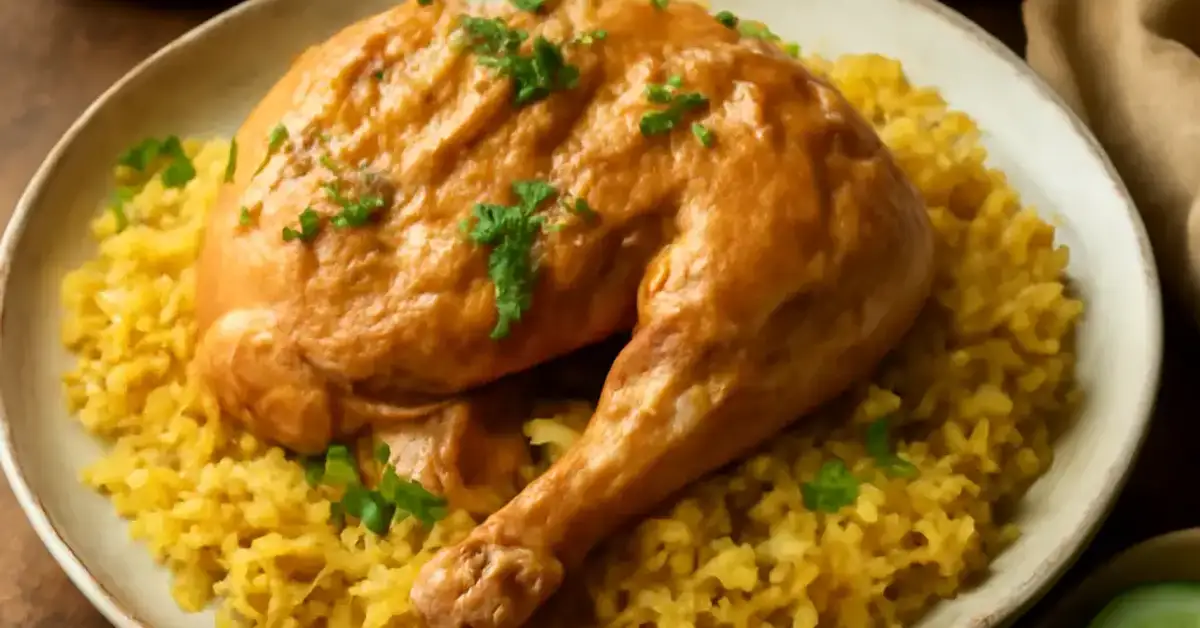
What Makes Pampanga Nasing Biringyi a Special Occasion Dish?
I still remember the first time I heard the name. I was sitting in a small eatery along MacArthur Highway in Angeles City, chatting with a Kapampangan vendor who had just served me a bowl of golden, steaming rice topped with tender chicken. She called it Pampanga Nasing Biringyi. The fragrance alone — garlic, ginger, and something earthy I could not place — told me this was no ordinary chicken rice. Growing up in Mindanao, I thought I knew every rice dish the Philippines had to offer. But this fragrant chicken rice delicacy from Pampanga demanded my full attention. For a related guide, see Pampanga Longganisa: The Garlicky Breakfast Delicacy Locals Love.
In Kapampangan culture, Pampanga Nasing Biringyi is much more than a weekday lunch. It is the dish that appears on the table when families gather for a town fiesta, a baptism, or a Christmas reunion. The name itself tells a story: nasing refers to the cooking process of steaming or boiling rice with broth, while biringyi is believed to be a local adaptation of the word birhen, hinting at purity and celebration. Every Kapampangan grandmother I have spoken to insists that you cannot rush this dish. It demands patience, premium ingredients, and a willingness to let the rice absorb every drop of flavor.
What elevates this dish to “special occasion” status is not its cost — the ingredients are everyday staples — but the time and ritual behind it. In traditional Kapampangan cuisine, the cook rises early to marinate the chicken, pound the fresh turmeric, and toast the rice grains until they glisten. The process itself becomes an act of love. Serving Pampanga Nasing Biringyi tells your guests: I prepared this just for you, and I gave it my all.
The History of Nasing Biringyi in Kapampangan Culinary Tradition
Nasing Biringyi history is as rich as the dish itself. Kapampangan food historians trace its roots to the pre-colonial era, when the region’s fertile plains yielded abundant rice and poultry. Indigenous cooking methods — clay pots, open flames, and long, slow simmering — shaped the technique that survives today. During the Spanish colonial period, the introduction of saffron alternatives like local turmeric (dilaw) gave the rice its signature golden tint, adapting the dish to local tastes and resources.
Unlike the Chinese-style chicken rice found in other parts of the Philippines, Kapampangan Nasing Biringyi developed its own identity. It belongs to a family of Kapampangan rice dishes that includes bringhe (a coconut rice dish) and paella negra, all of which reflect the province’s love for one-pot meals that feed a crowd. But Nasing Biringyi stands apart because of its emphasis on the fragrant chicken rice delicacy experience — the aroma is the first course. For a related guide, see Pampanga Bringhe: The Special Rice Delicacy Better Than Paella.
In the 20th century, as Pampanga became a culinary destination, families began to formalize their recipes. Each barrio, each clan, guards its own version. Some add annatto oil for deeper color; others insist on using only the neck and liver of the chicken for the broth. What remains constant is the pride. Pampanga culinary heritage is incomplete without this dish.
Why Nasing Biringyi Became the Quintessential Fiesta Dish
Ask any Kapampangan why special occasion dish Pampanga lists always include Nasing Biringyi, and they will likely smile and say, “Because it smells like home.” But there is a practical reason too. Before refrigeration, cooks needed a dish that could stay warm for hours without spoiling. The turmeric and ginger in Nasing Biringyi act as natural preservatives, while the glutinous rice retains moisture and texture even after sitting on a buffet table for hours. It is the ideal festive rice dish Philippines for large gatherings.
During fiestas in towns like Guagua, Mexico, and San Fernando, the dish often takes center stage alongside lechon and adobo. A well-made Nasing Biringyi is a mark of a host’s generosity. Even in the most extravagant banquets, it is the simple, aromatic rice that guests remember long after the last bite.
What Does Pampanga Nasing Biringyi Taste Like?
Let me paint you a picture of that first spoonful. The rice is fluffy but not dry — each grain is separate yet moist, carrying the golden hue of turmeric and the faint shimmer of chicken fat. The aroma hits you before the taste: toasted garlic, warming ginger, lemongrass with a whisper of citrus, and an earthy undertone from the turmeric. You take a bite. The Pampanga Nasing Biringyi rice is savory but not overwhelmingly salty, with a subtle sweetness that clings to the palate. Then comes the chicken — fall-off-the-bone tender, infused with the same aromatics, and carrying that unmistakable depth of flavor that only a long-simmered native chicken can provide.
Among Philippine regional specialties, this one stands out for its restraint. It does not rely on heavy sauces or deep frying. Instead, it celebrates the natural flavors of the ingredients. The heat is gentle — ginger provides warmth, not spice — and the finish is clean, leaving you reaching for another spoonful.
How Is It Different from Regular Chicken Rice Dishes?
Filipinos love chicken rice, but Pampanga Nasing Biringyi belongs to a category all its own. The most obvious difference is the rice variety. While most chicken rice uses jasmine or long-grain white rice, Nasing Biringyi calls for glutinous rice (malagkit). This gives the dish a stickier, more indulgent texture — closer to a risotto than a fluffy pilaf. The cooking method also differs: instead of boiling the rice in water and serving the chicken separately, the Kapampangan technique toasts the raw rice in rendered chicken fat and aromatics before adding the broth, covering it, and letting it steam until perfectly tender.
The second major difference is the ingredient list. Ingredients Nasing Biringyi include fresh turmeric root, lemongrass, ginger, garlic, and sometimes a hint of patis (fish sauce) for umami. This is not a dish you can throw together with powder and shortcuts. The fresh aromatics are non-negotiable. Finally, the chicken itself is different. Traditional recipes call for native or free-range chicken, which has firmer flesh, richer flavor, and a more satisfying chew than commercial broiler chickens.
Authentic Ingredients Nasing Biringyi and Their Roles
To understand this dish, you must understand its parts. Here is the complete breakdown of what goes into a traditional authentic Nasing Biringyi recipe.
| Ingredient | Role in the Dish | Tips for Best Results |
|---|---|---|
| Glutinous rice (malagkit) | Provides sticky, creamy texture | Soak for at least 30 minutes before cooking |
| Native or free-range chicken | Rich, deep chicken flavor | Use bone-in pieces; simmer until very tender |
| Fresh turmeric (dilaw) | Golden color and earthy flavor | Grate or finely pound; avoid powdered turmeric |
| Lemongrass (tanglad) | Citrusy, floral aroma | Bruise the stalks to release oils |
| Fresh ginger (luya) | Warmth and depth | Slice into thin strips, not minced |
| Garlic | Savory base | Use whole cloves and sliced pieces for texture |
| Fish sauce (patis) | Umami and salt | Adjust sparingly; taste as you go |
| Chicken broth | Cooking liquid and flavor carrier | Use homemade broth from the same chicken |
| Annatto oil or achuete (optional) | Extra color | Adds a reddish-gold hue |
| Salt and pepper | Seasoning | Keep it simple |
Each ingredient has a purpose, and none can be skipped without altering the soul of the dish. The turmeric is not just for color — it gives Pampanga Nasing Biringyi its characteristic fragrance and a subtle bitterness that balances the richness of the chicken fat.
How to Cook Authentic Pampanga Nasing Biringyi at Home
I have cooked this dish a dozen times — in Davao, in Manila, and even in a tiny rented kitchen in Cebu City. Each attempt taught me something new. Here is my tested, step-by-step guide to making how to cook Nasing Biringyi the way it deserves to be made. This recipe serves six to eight people.
Step 1: Prepare the Chicken and Broth
Wash 1 whole native chicken (about 1.2 kg), cut into serving pieces. In a large pot, combine the chicken with 6 cups of water, 1 tablespoon of whole peppercorns, 2 bruised lemongrass stalks, and 1 tablespoon of salt. Bring to a gentle boil, then reduce to a simmer. Skim the scum that rises to the surface. Cook for 45 minutes to 1 hour, or until the chicken is fork-tender. Remove the chicken and set aside. Strain the broth and reserve. This broth is the heart of your Pampanga Nasing Biringyi.
Step 2: Toast the Rice
In a heavy-bottomed pot or a large kawali, heat 3 tablespoons of rendered chicken fat or neutral oil over medium heat. Add 2 tablespoons of minced garlic and 2 tablespoons of thinly sliced ginger. Cook for 1 minute until fragrant. Add 3 cups of glutinous rice (washed and drained) and stir constantly for 3 to 4 minutes. You will hear the rice grains crackle and pop. This toasting step is what gives Kapampangan Nasing Biringyi its nutty undertone and keeps the grains from turning mushy.
Step 3: Add the Aromatics and Liquid
Reduce the heat to low. Add 2 tablespoons of grated fresh turmeric, 2 more bruised lemongrass stalks, and 1 tablespoon of fish sauce. Stir to coat the rice. Slowly pour in 4 cups of the reserved chicken broth (hot). Add 1 cup of coconut milk (optional, for extra richness — authentic versions often omit this, but some families add it for creaminess). Stir once, then spread the rice evenly. Do not stir again.
Step 4: Cook the Rice
Cover the pot tightly and cook over very low heat for 25 to 30 minutes. Do not lift the lid during this time. The steam does the work. After 25 minutes, turn the heat off and let the pot sit, covered, for another 10 minutes. This resting period ensures every grain of rice is tender and has absorbed the liquid completely.
Step 5: Finish the Chicken
While the rice rests, heat 2 tablespoons of oil in a separate pan. Fry the cooked chicken pieces until golden brown on both sides, about 2 minutes per side. Alternatively, you can brush them with a mixture of fish sauce and turmeric and broil them until crispy. The contrast between the soft, savory rice and the crisp-skinned chicken is the hallmark of a great authentic Nasing Biringyi recipe.
Step 6: Serve
Gently fluff the rice with a fork. Arrange the chicken pieces on top. Garnish with fried garlic bits, sliced scallions, and a drizzle of annatto oil if you have it. Serve immediately, with a side of pickled papaya (atsara) or a simple tomato and onion salad. For a truly Kapampangan experience, pair it with Pampanga Nasing Biringyi and a bowl of clear chicken soup with ginger.
Side Dishes and Pairings for Pampanga Nasing Biringyi
This fragrant chicken rice delicacy is substantial enough to be a complete meal, but the right accompaniments elevate the experience. In Pampanga, you will almost always find Nasing Biringyi served alongside:
- Atsarang papaya — sweet and sour pickled green papaya that cuts through the richness of the rice.
- Tinumis — a Kapampangan pork blood stew that adds a savory, tangy contrast.
- Grilled or fried tilapia — simple, crispy fish that does not compete with the dish’s aroma.
- Eggplant ensalada — grilled eggplant with tomatoes and salted egg, offering a smoky, fresh balance.
For drinks, a cold glass of calamansi juice or a light Filipino lager complements the turmeric and ginger notes beautifully.
Where to Find Authentic Pampanga Nasing Biringyi
If you are visiting Pampanga — and I urge every Filipino food lover to do so — you do not need to look for high-end restaurants to find this dish. The best versions come from home kitchens and small carinderias that have been cooking the same recipe for generations.
Here are some reliable places where you can taste authentic Pampanga Nasing Biringyi:
- Cooking de Pampanga (Angeles City) — A heritage restaurant that serves classic Kapampangan dishes, including Nasing Biringyi made with free-range chicken.
- Susie’s Cuisine (Dau and Angeles) — Known for their Kapampangan breakfasts and snacks, they occasionally feature Nasing Biringyi on weekends.
- Mila’s Special Biringyi (Mexico, Pampanga) — A hole-in-the-wall spot famous for its slow-cooked, no-shortcuts version. Call ahead to reserve.
- Home-based cooks on Facebook Marketplace — Search for “Nasing Biringyi Pampanga” and you will find dozens of home cooks delivering fresh pots to your door.
For tourists exploring Pampanga food tourism, San Fernando’s public market also has vendors selling Nasing Biringyi every Sunday morning. Bring your own container.
Useful Resources
To deepen your knowledge of Pampanga Nasing Biringyi and the broader Kapampangan food tradition, explore these reliable references:
- ChoosePhilippines: Authentic Nasing Biringyi Recipe and Cultural Background — a detailed feature on the dish’s origins and a reliable step-by-step guide.
- Kapampangan Food Lab: History and Variations of Nasing Biringyi — an academic yet accessible exploration of the dish’s role in Kapampangan food culture and how it evolved over centuries.
Frequently Asked Questions About Pampanga Nasing Biringyi
From my first bite in Angeles City to the many pots I have cooked since, Pampanga Nasing Biringyi has become a dish I turn to when I want to celebrate — a birthday, a reunion, or simply a Sunday that calls for something extraordinary. It is proof that the best Filipino food does not need to be complicated. It just needs to be made with heart. Whether you are a traveler planning your next food trip, a home cook looking for a new challenge, or a Kapampangan far from home craving a taste of your heritage, I hope this guide brings you one step closer to mastering this fragrant chicken rice delicacy. Cook it slowly. Share it generously. And let the aroma tell its story. For a related guide, see Pampanga Pako Salad: Fresh Fern Delicacy with a Kapampangan Twist.
Frequently Asked Questions About Pampanga Nasing Biringyi
What is Pampanga Nasing Biringyi ?
Pampanga Nasing Biringyi is a fragrant chicken rice delicacy from the Kapampangan region of the Philippines. It is made with glutinous rice, native chicken, fresh turmeric, lemongrass, and ginger, cooked slowly in chicken broth until each grain is flavorful and tender.
How is Nasing Biringyi prepared in Kapampangan cuisine?
In traditional Kapampangan cuisine, the rice is first toasted in chicken fat with garlic and ginger, then cooked with turmeric, lemongrass, and homemade chicken broth. The chicken is simmered separately until tender, then fried or broiled to crisp the skin before serving.
What ingredients are used in traditional Nasing Biringyi?
Ingredients Nasing Biringyi include glutinous rice (malagkit), native chicken, fresh turmeric root, lemongrass, ginger, garlic, fish sauce (patis), chicken broth, and sometimes annatto oil or coconut milk for enhanced color and richness.
Why is Nasing Biringyi considered a special occasion dish in Pampanga?
This special occasion dish Pampanga is reserved for fiestas, weddings, and family reunions because it requires time, care, and fresh ingredients. Its preparation is a ritual that symbolizes hospitality and respect for guests.
What does Pampanga Nasing Biringyi taste like?
Pampanga Nasing Biringyi tastes savory, aromatic, and subtly earthy. The rice is moist and slightly sticky, infused with garlic, ginger, and lemongrass. The turmeric adds a mild bitterness that balances the richness of the chicken and fat.
How is Nasing Biringyi different from regular chicken rice dishes?
Unlike regular chicken rice that uses long-grain rice and boiled chicken, Nasing Biringyi uses glutinous rice, toasts it before cooking, and simmers the chicken in a separate aromatic broth. It is richer, stickier, and more boldly flavored.
What gives Nasing Biringyi its fragrant aroma and distinctive color?
The fragrant chicken rice delicacy gets its golden-yellow color from fresh turmeric (dilaw) and an intense aroma from toasted garlic, lemongrass, and ginger. Annatto oil is sometimes added for a deeper reddish-gold hue.
What is the history of Nasing Biringyi in Kapampangan culinary tradition?
Nasing Biringyi history dates back to pre-colonial Pampanga, where indigenous cooking methods were used. The dish evolved with Spanish influence, adapting turmeric as a local saffron substitute. It has since become a defining dish of Pampanga culinary heritage.
Why is Nasing Biringyi commonly served during fiestas and celebrations?
This festive rice dish Philippines can stay warm and delicious for hours, making it ideal for large gatherings. It is also a testament to the cook’s skill and generosity, which is why families serve it during important celebrations.
How do you cook authentic Pampanga Nasing Biringyi at home?
To cook authentic Pampanga Nasing Biringyi at home, simmer native chicken in water with lemongrass and pepper until tender. Toast glutinous rice in garlic and ginger, add grated turmeric and broth, then steam covered for 25 minutes. Fry the chicken and serve over the rice.
What spices are traditionally used in Nasing Biringyi?
Traditional Nasing Biringyi uses fresh turmeric, ginger, garlic, lemongrass, and whole peppercorns. Some cooks add a pinch of annatto powder or a bay leaf. It is not a spicy dish — the “spice” refers to the aromatic herbs, not heat.
What side dishes pair well with Nasing Biringyi?
Pampanga Nasing Biringyi pairs beautifully with atsarang papaya (pickled papaya), tinumis (Kapampangan blood stew), grilled fish, or a simple tomato and salted egg ensalada. These sides add acidity and texture to balance the rich rice.
Where can you find authentic Nasing Biringyi in Pampanga?
You can find authentic Pampanga Nasing Biringyi at Cooking de Pampanga in Angeles City, Susie’s Cuisine, Mila’s Special Biringyi in Mexico, and home-based cooks selling via social media. San Fernando’s public market also has it on Sundays.
What makes Nasing Biringyi a treasured Kapampangan delicacy?
This Kapampangan Nasing Biringyi is treasured because it represents centuries of culinary tradition, uses locally sourced ingredients, and is prepared with time-honored techniques passed down through generations. It is a taste of Kapampangan pride.
Why is Nasing Biringyi a must-try dish for visitors exploring Pampanga cuisine?
For visitors, Pampanga Nasing Biringyi offers a unique sensory experience that captures the essence of Kapampangan hospitality and creativity. It is a dish you cannot easily find outside the region, making it essential for anyone exploring Pampanga food tourism.
Can I use regular chicken instead of native chicken for Nasing Biringyi?
Yes, you can use regular chicken, but the flavor will be milder. Native chicken has firmer, more flavorful meat and yields a richer broth. If using commercial chicken, add an extra stalk of lemongrass and a little more ginger to boost the taste.
Is Nasing Biringyi gluten-free?
Yes, Pampanga Nasing Biringyi is naturally gluten-free, as it is made with glutinous rice (which is rice, not wheat), fresh aromatics, chicken, and fish sauce. Be sure to use a gluten-free brand of fish sauce if you have celiac concerns.
Can I make Nasing Biringyi in a rice cooker?
Yes, for convenience. Toast the rice and aromatics in a pan first, then transfer to a rice cooker. Add the hot broth and grated turmeric, then cook on the regular setting. Let it rest for 10 minutes after cooking for best texture.
What is the difference between Nasing Biringyi and bringhe?
Both are Kapampangan rice dishes, but bringhe uses coconut milk and is usually richer and more like a paella. Pampanga Nasing Biringyi focuses on chicken flavor and turmeric; it uses less coconut milk or none at all. The aromatics also differ.
How do I store leftover Nasing Biringyi?
Store leftover Pampanga Nasing Biringyi in an airtight container in the refrigerator for up to 3 days. Reheat in a steamer or in a pan with a splash of water over low heat. Avoid microwaving for long periods, as the rice can become dry.

Jin Grey is a Filipino Senior SEO Consultant and AI-First SEO Strategist who helps international brands grow through modern search strategies. She specializes in technical SEO, semantic keyword research, and AI-ready content creation. She is also the owner of JinGrey.com.
As a digital nomad, she loves exploring the world and trying different cuisines during her free time.