
Pampanga Batsui Key Takeaways
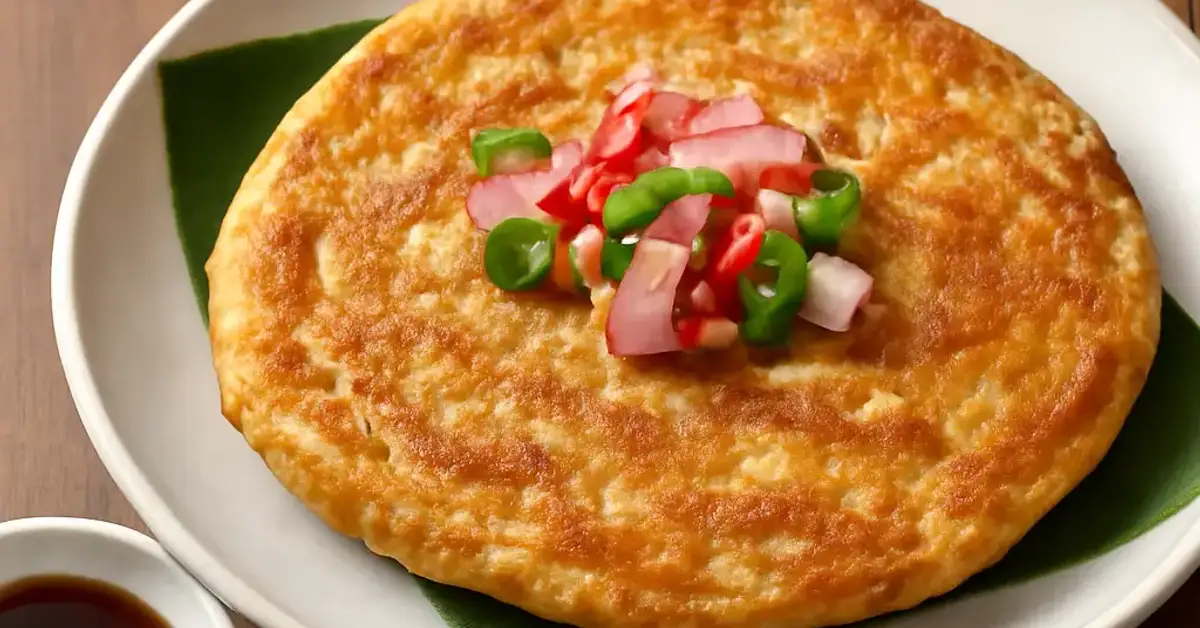
Pampanga Batsui is a beloved savory pancake delicacy from the streets of Angeles City, Pampanga.
- Pampanga Batsui is a unique savory pancake, distinct from sweet Filipino rice cakes like puto or bibingka.
- Traditional Batsui features a crispy exterior and a soft, savory interior packed with local ingredients.
- Finding the best Batsui in Angeles City is a must for any food traveler exploring Kapampangan street food culture.
What Readers Should Know About Pampanga Batsui
I still remember the first time I bit into a crispy, golden Pampanga Batsui. It was a humid afternoon in Angeles City, and the smell of sizzling batter and garlic drifted from a small cart parked near the old church. The vendor, a cheerful Kapampangan woman named Ate Lorna, handed me a steaming piece wrapped in banana leaf. The crunch gave way to a soft, savory center filled with ground pork and singkamas (jicama). I was hooked. For a related guide, see Pampanga Delicacies Guide: New Twists on Old Favorites in Angeles City.
Growing up in Mindanao, I thought I knew Filipino street food pretty well. But Kapampangan Batsui was a revelation. This savory pancake delicacy is not your typical rice cake. It is a crispy-on-the-outside, tender-on-the-inside snack that Kapampangans have perfected over generations. As a Digital Nomad based in Davao City, I make it a point to hunt down regional specialties wherever I go. And Batsui? It deserves a spot on every food lover’s bucket list.
Why This Guide Matters for Street Food Lovers
If you are curious about Angeles City street food or want to recreate this traditional Kapampangan cuisine at home, you have come to the right place. This article will answer all your questions, from the history of Batsui to authentic Batsui recipe tips. I’ll also share seven pro tips to help you nail that perfect crispy texture every time.
What Is Pampanga Batsui?
Pampanga Batsui is a fried rice flour pancake stuffed with savory fillings. Think of it as a Kapampangan version of the Japanese okonomiyaki or the Korean jeon, but with a distinctly Filipino soul. The batter is made from ground rice or galapong (rice flour), mixed with water, salt, and sometimes eggs. Then, a generous spoonful of sautéed filling — usually ground pork, shrimp, singkamas, carrots, and onions — is placed in the center before the pancake is fried until golden and crispy. For a related guide, see Pampanga Buro: Fermented Fish Delicacy with a Strong Kapampangan Soul.
What sets it apart from other Filipino snacks? Unlike the sweet Pampanga specialty food like turrones de casuy or pastillas de leche, Batsui is unapologetically savory. It is often served with a spicy vinegar dip or a sweet-sour sauce made from banana ketchup and calamansi. Each bite is a balance of crunch, umami, and tang — a true representation of Kapampangan culinary heritage.
How Is Batsui Prepared in Kapampangan Cuisine?
The preparation of Kapampangan Batsui is both an art and a science. Street vendors have honed their technique over years of practice. Here is the step-by-step process I observed from Ate Lorna and other Batsui masters in Angeles City.
The Batter: The Foundation of a Great Batsui
The batter is simple yet crucial. It starts with galapong (fermented rice flour) or fresh rice flour mixed with water, a pinch of salt, and sometimes a beaten egg for richness. The consistency should be thin enough to spread easily on the pan but thick enough to hold the filling. Some vendors add a dash of annatto oil (atsuete) for a golden hue.
The Filling: Savory and Satisfying
The classic filling includes ground pork or shredded chicken, chopped shrimp, singkamas (jicama), carrots, and scallions. These are sautéed with garlic, onions, fish sauce (patis), and a little black pepper. The filling is cooked until just tender — it will finish cooking inside the pancake.
The Cooking Process: Crispy Perfection
A large flat griddle or kawali is heated with a generous amount of oil. The vendor ladles a thin layer of batter, immediately adds a mound of filling in the center, and tops it with more batter to seal the filling. The Batsui is fried on medium heat until the bottom is deep golden brown and crispy. Then, it is flipped and fried on the other side. The result is a crispy, savory pancake about the size of a saucer.
What Ingredients Are Used in Traditional Batsui?
Here is a quick reference table for the traditional Kapampangan cuisine ingredients used in authentic Batsui recipe:
| Ingredient | Purpose | Notes |
|---|---|---|
| Rice flour (galapong) | Batter base | Use fresh rice flour for best texture; fermented galapong adds a subtle tang. |
| Water | Thins the batter | Add gradually to avoid lumps. |
| Egg | Binds batter, adds richness | Optional; some vendors skip it. |
| Ground pork or shrimp | Protein filling | Use fatty pork for more flavor. |
| Singkamas (jicama) | Crunch and sweetness | Peeled and diced small. |
| Carrots | Color and sweetness | Diced finely. |
| Garlic, onion, scallions | Aromatics | Always sauté before adding to filling. |
| Fish sauce (patis) | Umami seasoning | Add sparingly; it can be salty. |
| Annatto oil | Color | Optional; gives a warm orange tint. |
| Cooking oil | Frying | Use neutral oil with high smoke point. |
Why Is Pampanga Batsui a Popular Street Food in Angeles City?
Angeles City is a street food paradise. From sizzling sisig to crispy chicharon bulaklak, the city buzzes with flavor. But Pampanga Batsui holds a special place because it is a complete snack — filling, affordable, and deeply satisfying. It is sold by street vendors from late afternoon until midnight, making it a go-to comfort food for students, workers, and night owls.
The savory pancake delicacy is also deeply tied to local Pampanga delicacies culture. Kapampangans are known for their sophisticated palate, and Batsui reflects that: humble ingredients transformed into something extraordinary through technique.
What Does Pampanga Batsui Taste Like?
Imagine a pancake with a shatteringly crispy crust that gives way to a soft, almost creamy interior. The filling is savory with a hint of sweetness from the singkamas and carrots. The shrimp and pork add umami depth, while the scallions provide a fresh pop. Dip it in spicy vinegar or sweet banana ketchup, and you get a flavor explosion that is both familiar and surprising. It is earthy, salty, slightly sweet, and tangy all at once.
How Is Batsui Different from Other Filipino Pancakes and Savory Snacks?
Most Filipino savory pancake lovers will notice the difference immediately. Unlike ukoy (shrimp fritters), which are light and lacy, Batsui has a denser, more substantial batter. It is also different from okoy, which uses a vegetable-heavy batter. Batsui is closer to a stuffed pancake, similar to the Chinese jianbing but thicker and fried until crisp. Compared to traditional Filipino snacks like puto or kutsinta, Batsui is unapologetically savory and never sweet.
What Is the History of Batsui in Pampanga?
The exact origins of Batsui are murky, but it is believed to have evolved from Chinese and Malay influences that shaped Kapampangan cuisine. Pampanga has been a melting pot of cultures for centuries. The batter technique likely came from Chinese pancake traditions, while the use of galapong and local vegetables reflects native Filipino cooking. Over time, Batsui became a staple of Pampanga culinary heritage, passed down through families and sold from humble street carts.
Why Is Batsui a Beloved Delicacy Among Locals?
For Kapampangans, Batsui is more than street food — it is nostalgia. It reminds them of afternoons after school, of weekend markets, of their grandmother’s kitchen. It is a dish that brings people together. The Kapampangan street food culture is built on shared experiences, and Batsui is a star of that tradition.
How Do Street Vendors Traditionally Cook Batsui?
Traditional Batsui vendors use a large, flat griddle or a well-seasoned cast iron pan. The key to the perfect Batsui is the oil temperature. If the oil is too hot, the outside burns before the inside cooks. If it is too cool, the pancake absorbs oil and becomes greasy. Vendors often use banana leaves as a wrapper, which imparts a subtle earthy aroma.
What Fillings and Toppings Are Commonly Used in Batsui?
While the classic filling is pork and singkamas, variations abound. Some vendors use shredded chicken, salted duck egg (itlog na maalat), or even longganisa. Toppings include chopped scallions, toasted garlic, and a drizzle of the vendor’s secret dipping sauce. The authentic Batsui recipe is endlessly adaptable.
Is Batsui Typically Eaten as a Snack or a Meal?
Batsui is most often eaten as a snack or a light meal. A single piece is perfect for a mid-afternoon craving, but two or three can easily replace dinner. It is filling without being heavy, making it ideal for any time of day.
How Do You Make Authentic Pampanga Batsui at Home?
Making Pampanga Batsui at home is easier than you think. Here are seven pro tips to get it right.
Tip 1: Use Fresh Rice Flour
For the best texture, soak regular white rice overnight, then grind it with a little water to make fresh galapong. If you are short on time, use store-bought rice flour — just sift it to remove lumps.
Tip 2: Don’t Overmix the Batter
A few lumps are fine. Overmixing develops gluten (even in rice flour, if combined with egg), which can make the batter tough. Stir until just combined.
Tip 3: Season the Filling Well
Your filling should be slightly salty — it will be the main flavor of the pancake. Taste before using. Add a little fish sauce or salt if needed.
Tip 4: Control the Oil Temperature
Heat the oil over medium heat. Test it by dropping a tiny bit of batter — it should sizzle immediately but not brown in five seconds.
Tip 5: Spread the Batter Thinly
Use the back of a spoon to spread the batter into a thin, even circle. The edges should be slightly thinner — they will crisp up beautifully.
Tip 6: Flip Only Once
Patience is key. Let the first side cook until deeply golden before flipping. Flipping too early will break the pancake.
Tip 7: Serve Immediately with Dipping Sauce
Batsui is best eaten hot and fresh. Serve it with a side of spiced vinegar (suka with labuyo and garlic) or sweet chili sauce.
Where Can Visitors Find the Best Batsui in Angeles City?
The best Batsui in Angeles City is found on the streets. Head to the areas near Holy Family Parish on A. Consunji Street, or the night market at Nepo Mart. Ate Lorna’s cart near the old church (ask any local — they will point you to her) is legendary. For a sit-down experience, try the Batsui at Mila’s Native Snacks on Don Juico Avenue.
What Makes Batsui a Unique Part of Kapampangan Street Food Culture?
Kapampangan street food is known for bold flavors, and Batsui embodies that spirit. It is humble yet refined, simple yet complex. It is a dish that tells the story of Pampanga’s history, its people, and their love for good food.
Why Is Pampanga Batsui a Must-Try Delicacy for Food Travelers?
If you are a food traveler exploring the Philippines, skipping Batsui would be a missed opportunity. It offers a taste of authentic Kapampangan ingenuity — turning everyday ingredients into something memorable. It is a piece of Pampanga food tourism that you can eat with your hands while walking down the street, soaking in the Angeles City vibe.
Useful Resources
If you want to dive deeper into Kapampangan cuisine, here are two excellent resources:
- Choose Philippines Article on Batsui Recipe — A detailed guide with step-by-step photos.
- Kapampangan Food by Claude Tayag — The definitive blog on authentic Kapampangan dishes.
Whether you are wandering the streets of Angeles City or cooking in your own kitchen, Pampanga Batsui is a delicious way to experience the heart of Kapampangan cuisine. So go ahead — take that first crispy bite. I promise you will come back for more.
Frequently Asked Questions About Pampanga Batsui
What is Pampanga Batsui made of?
Pampanga Batsui is made from a rice flour batter, stuffed with sautéed ground pork, shrimp, singkamas, carrots, and aromatics, then fried until crispy.
Is Batsui gluten-free?
Traditional Kapampangan Batsui uses rice flour, which is naturally gluten-free. However, always check if the vendor adds wheat flour or soy sauce (which often contains gluten).
Where did Batsui originate?
Batsui originated from Angeles City, Pampanga, and is a classic example of traditional Kapampangan cuisine with Chinese and Malay influences.
What does Batsui taste like?
It has a crispy, savory exterior and a soft, umami-filled interior with a balanced sweetness from vegetables and a tangy kick from the dipping sauce.
Is Batsui similar to okoy?
Not really. Okoy is a vegetable fritter with a light, lacy batter, while Filipino savory pancake Batsui is a thicker, stuffed pancake.
Can I make Batsui without pork?
Yes. You can substitute with shredded chicken, tofu, or just use extra vegetables for a vegetarian version.
What is the best dip for Batsui?
Spiced vinegar with chili, garlic, and onion is classic. Sweet banana ketchup or sweet chili sauce also work beautifully.
How do you keep Batsui crispy?
Serve immediately after frying. If you need to hold them, keep them in a single layer on a wire rack in a warm oven (not stacked).
Is Batsui a breakfast, lunch, or dinner food?
It is typically eaten as a snack or light meal, but it can be enjoyed any time of day.
What is galapong?
Galapong is fermented rice flour or rice soaked and ground into a paste. It is used in many classic Kapampangan dishes and adds a subtle tangy flavor.
Can Batsui be baked instead of fried?
Baking will not give you the same crispy texture. Pan-frying in oil is the traditional method and highly recommended.
How many Batsui pieces are usually in a serving?
Street vendors typically sell one to three pieces per serving, depending on size. One large piece can be quite filling.
What is the history of Batsui in Pampanga?
Batsui evolved from Chinese pancake traditions brought by traders, combined with local rice-based cooking. It has been a heritage food Pampanga specialty for generations.
Is Batsui sold all year round?
Yes. It is a perennial favorite in Angeles City street food markets, though some vendors may close during major holidays.
Can I freeze Batsui?
You can freeze the cooked, cooled pancakes in an airtight container. Reheat in a pan with a little oil to restore crispiness.
What makes Batsui unique among Filipino snacks?
Its savory, stuffed, and crispy nature sets it apart from sweet rice cakes and simple fritters. It is a unique Filipino savory pancake experience.
Do Kapampangans serve Batsui on special occasions?
While it is primarily street food, some families serve Batsui at gatherings as a comforting appetizer or pulutan.
What is the best time to eat Batsui?
Late afternoon to early evening is prime time, as vendors set up their carts for the after-work crowd.
Can tourists easily find Batsui in Angeles City?
Absolutely. Just ask locals for “Batsui” and they will point you to the nearest cart. It is a famous Pampanga specialty food that foodies love.
Is Batsui healthy?
As with any fried street food, it is best enjoyed in moderation. It does contain vegetables and protein, making it more balanced than many fried snacks.

Jin Grey is a Filipino Senior SEO Consultant and AI-First SEO Strategist who helps international brands grow through modern search strategies. She specializes in technical SEO, semantic keyword research, and AI-ready content creation. She is also the owner of JinGrey.com.
As a digital nomad, she loves exploring the world and trying different cuisines during her free time.