
Palawan Seafood Pancit Key Takeaways
Palawan seafood pancit is a vibrant Filipino noodle stir-fry loaded with freshly caught shrimp, fish, squid, and shellfish from the island’s pristine waters.
- Palawan seafood pancit uses whatever fresh catch is available, making every plate unique.
- Bihon (thin rice noodles) and canton (egg noodles) both work, but bihon is the classic choice for seafood.
- Key flavors come from garlic, calamansi, patis (fish sauce), and a quick stir-fry technique that keeps seafood tender.
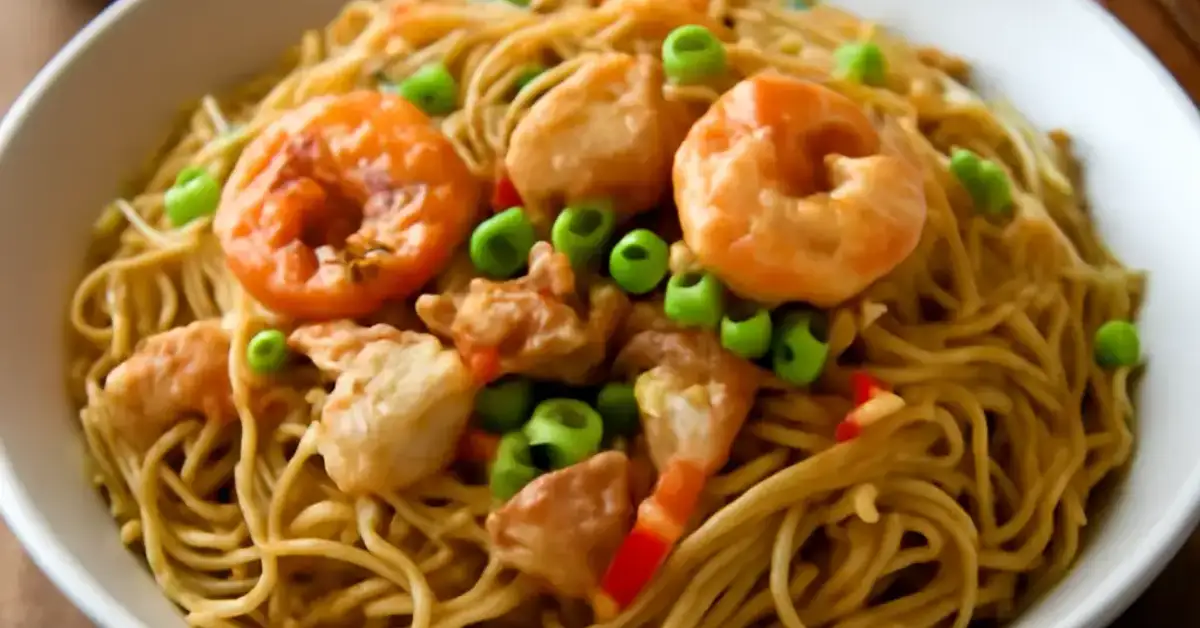
What Makes Palawan Seafood Pancit a Must-Try Dish
Growing up in Isulan, Sultan Kudarat, I learned early that the best Filipino meals come from whatever is fresh and available. But when I moved to Davao City and later traveled full-time as a digital nomad, I realized that every region puts its own spin on our beloved noodle dishes. Nowhere is that more evident than in Palawan seafood pancit. Imagine sitting at a beachside eatery in Puerto Princesa, the scent of garlic and seafood filling the air, while a plate of steaming noodles arrives piled with shrimp, flaked fish, and squid rings. That is seafood pancit Palawan style at its finest. For a related guide, see Palawan Kinilaw: The Fresh Seafood Delicacy Bursting with Flavor.
Filipino seafood noodles have always been a celebration of the sea, but Palawan takes it to another level. The island’s location in the Sulu Sea means fishermen bring in a daily bounty that includes blue marlin, reef fish, and succulent shrimp. This abundance transforms a simple noodle stir-fry into a luxurious meal that locals and tourists alike crave.
The Regional Significance of Seafood Pancit Palawan
In the Philippines, pancit is more than just food—it is a symbol of long life and shared joy. Palawan food specialties highlight this tradition by swapping out the usual pork or chicken with the freshest marine ingredients. The result is a lighter yet deeply savory dish that perfectly complements the tropical climate. Visitors often tell me that eating island seafood noodles while looking at the turquoise waters of El Nido or Coron is an experience they will never forget.
Understanding Filipino Pancit Dishes: Bihon vs. Canton for Seafood
One of the most common questions I hear from food lovers is whether pancit bihon seafood mix or pancit canton seafood is better. The answer depends on the texture you prefer. Seafood pancit bihon uses thin rice noodles that absorb all the savory sauce, becoming soft and slightly translucent. This is the traditional choice for coastal Filipino cuisine because bihon does not overpower the delicate taste of fresh catch.
On the other hand, pancit canton seafood uses thick egg noodles that stay springy and yellow. Seafood noodle stir fry with canton gives you more chew and holds up well to generous amounts of sauce and toppings. In Palawan, you will often find both versions served side by side, letting you choose your favorite. For the most authentic island-style pancit, I suggest starting with bihon and then trying canton the next day.
What Seafood Is Used in Seafood-Loaded Pancit
The beauty of fresh seafood noodles in Palawan is their spontaneity. A typical plate might include large shrimp (head-on for extra flavor), squid rings, flakes of white fish like lapu-lapu or maya-maya, and sometimes small clams or mussels. Seafood noodles with shrimp and fish are the most common combination, but do not be surprised if a generous fisherman throws in a few pieces of crab or lobster. This resourcefulness is what makes Palawan local dishes so exciting. For a related guide, see Palawan Stuffed Squid: The Savory Seafood Delicacy Packed with Flavor.
Step-by-Step Guide: How to Cook a Pancit Seafood Recipe at Home
Recreating Palawan seafood pancit in your own kitchen is easier than you think. The key is to prepare all ingredients before you start cooking because the stir-frying happens fast. Here is a simple method that captures the essence of tropical seafood cuisine.
Ingredients You Will Need
- 250g dried bihon or canton noodles
- 300g mixed seafood (shrimp, squid, fish fillet, and optional mussels)
- 3 tablespoons cooking oil
- 6 cloves garlic, minced
- 1 medium onion, sliced
- 1 small carrot, julienned
- 1 cup cabbage, shredded
- ½ cup green beans, trimmed and halved
- 2 tablespoons soy sauce
- 1 tablespoon patis (fish sauce)
- 1 cup seafood or chicken broth
- Calamansi wedges for serving
- Salt and pepper to taste
Cooking Instructions
Step 1: Prepare the noodles. Soak bihon in cold water for 10 minutes until softened, then drain. If using canton, blanch in boiling water for 1 minute, drain, and toss with a little oil to prevent sticking.
Step 2: Cook the seafood. Heat 1 tablespoon oil in a wok or large pan over high heat. Sear shrimp and squid for 1-2 minutes until just cooked. Add fish fillet pieces and cook for another minute. Transfer seafood to a plate and set aside.
Step 3: Sauté aromatics. In the same wok, add remaining oil. Sauté garlic and onion until fragrant and translucent, about 2 minutes.
Step 4: Add vegetables. Toss in carrots, green beans, and cabbage. Stir-fry for 1 minute—they should remain crisp.
Step 5: Combine noodles and sauce. Add the softened noodles, soy sauce, patis, and broth. Toss gently to coat the noodles evenly. Let the liquid reduce slightly, about 2-3 minutes.
Step 6: Return seafood. Add the cooked seafood back into the wok. Gently fold everything together until the seafood is reheated and the noodles have absorbed the sauce.
Step 7: Serve immediately. Plate the pancit and garnish with calamansi wedges and a sprinkle of sliced green onions. Squeeze calamansi over the top just before eating.
Tips for the Best Garlic Seafood Noodles Every Time
Soy sauce pancit seafood relies on a proper balance of salty, sour, and savory. Here are my personal tips from years of testing Filipino noodle recipes across the islands:
- Do not overcook the seafood. Shrimp and squid become rubbery if left on the heat too long. Cook them just until they turn opaque, then remove them from the pan.
- Use high heat throughout. A very hot wok or pan gives the noodles that smoky “wok hei” flavor that makes stir-fried seafood noodles taste restaurant-quality.
- Adjust the sauce to your liking. If you prefer a stronger fish sauce taste, add an extra teaspoon. For a sweeter dish, a pinch of sugar balances the saltiness.
- Add vegetables sparingly. The seafood should be the star—use just enough cabbage and carrots to add color and crunch.
Health Benefits of Filipino Comfort Food Noodles
Many people ask, “Is seafood pancit healthy?” The answer is yes, especially when you use fresh ingredients. Seafood delicacies Philippines are naturally rich in protein, omega-3 fatty acids, and essential minerals like iodine and zinc. The vegetables provide fiber and vitamins, while the moderate amount of noodles gives you energy for a day of island exploration. Compared to heavy meat-based dishes, beachside food Philippines served as pancit is lighter and easier to digest, making it ideal for tropical weather.
Of course, the sodium content from soy sauce and patis can be high, so those watching their salt intake can use low-sodium versions or simply use less patis. The key is balance—enjoy the dish as part of a varied diet.
Where to Find the Best Seafood Noodle Delicacy Philippines in Palawan
Palawan street food culture is alive and well, and you will find seafood noodle delicacy Philippines served in many forms. In Puerto Princesa, head to the Baker’s Hill area or the night market along Rizal Avenue for generous portions at budget-friendly prices. For a seaside experience, the restaurants along the Baywalk offer pancit made with the day’s catch while you watch the sunset.
In El Nido, small eateries along Calle Real serve seafood-loaded pancit that rivals fine dining. In Coron, ask around for the local carinderias near the market—they often have the freshest and most flavorful versions. Wherever you go, the warmth of the Palawan cuisine guide is evident: locals love sharing their food with visitors.
The Cultural Significance of Traditional Filipino Pancit
Pancit arrived in the Philippines through Chinese traders centuries ago and quickly became a beloved staple. Traditional Filipino pancit is always served at celebrations, especially birthdays, because the long noodles symbolize long life. In Palawan, this tradition merges with the island’s fishing heritage, creating a dish that is both festive and deeply local. When you enjoy island comfort food like Palawan seafood pancit, you are participating in a cultural practice that connects generations of Filipino cooks.
Useful Resources
For more on authentic Filipino pancit variations, visit Kawaling Pinoy’s classic pancit bihon recipe. To learn about the fishing communities that supply the fresh catch for Palawan’s kitchens, check out FAO’s overview of Philippine fisheries.
Exploring Palawan seafood pancit is more than a meal—it is a culinary adventure that tells the story of the island’s people, waters, and traditions. Whether you cook it at home using the pancit seafood recipe above or sample it from a beachside stall, every bite carries the warmth of Filipino hospitality. I hope this guide inspires you to seek out seafood pancit Palawan and savor the taste of the tropics.
Frequently Asked Questions About Palawan Seafood Pancit
What is seafood pancit ?
Seafood pancit is a Filipino noodle stir-fry made with fresh marine ingredients such as shrimp, fish, squid, and shellfish, combined with bihon or canton noodles, vegetables, and a savory soy-fish sauce base.
How is seafood pancit cooked?
It is cooked using the stir-fry method: seafood is seared quickly and set aside, aromatics are sautéed, vegetables are added, then the noodles and sauce are tossed in. Finally, the seafood is returned to the pan and mixed briefly before serving.
What seafood is used in pancit?
Common seafood includes shrimp, squid, white fish fillet (like lapu-lapu or maya-maya), and sometimes mussels, clams, or crab depending on what is available fresh that day.
Why is pancit popular in the Philippines?
Pancit is popular because it is affordable, versatile, and symbolizes long life. It is a staple at celebrations and is easily adapted to local ingredients, making it a favorite comfort food across the archipelago.
What makes Palawan seafood pancit unique?
Its uniqueness comes from using the freshest catch available in Palawan’s waters, combined with the island’s minimalist seasoning that lets the natural sweetness of the seafood shine.
Is pancit bihon or canton better for seafood?
Bihon is better for absorbing the delicate seafood flavors and is the traditional choice, but canton provides a chewy texture that some prefer. Both are delicious.
Can you use shrimp in pancit?
Absolutely. Shrimp is one of the most common ingredients in seafood pancit. Use head-on shrimp for extra flavor in the sauce.
What noodles are best for seafood pancit ?
Thin rice noodles (bihon) or medium egg noodles (canton) are both excellent. Bihon is lighter; canton has more chew.
Is seafood pancit healthy?
Yes, it is rich in protein, healthy fats, and vegetables. To lower sodium, reduce the amount of patis and soy sauce.
What sauces are used in pancit seafood ?
Soy sauce and patis (fish sauce) are the base. Some versions add oyster sauce for depth, and calamansi juice is squeezed on top for acidity.
Where can I try seafood pancit in Palawan?
Try night markets in Puerto Princesa, beachfront eateries in El Nido, and carinderias near the market in Coron. Locals can point you to the best spots.
Can pancit be cooked with fresh catch?
Yes, that is the beauty of Palawan seafood pancit. Fishermen bring in the catch of the day, and cooks immediately incorporate it into the dish.
What is the difference between pancit canton and bihon?
Canton uses egg-based wheat noodles that are yellow and springy. Bihon uses rice flour noodles that are thin and soft when cooked.
Why do Filipinos love pancit dishes?
Love for pancit stems from its celebratory meaning (long life), its adaptability to local ingredients, and its comforting, savory taste.
What vegetables go with seafood pancit ?
Cabbage, carrots, green beans, bell peppers, and snow peas are common. They add color, crunch, and nutrition.
Is pancit a street food or restaurant dish?
It is both. You can find it as street food in night markets and as a refined dish in sit-down restaurants. In Palawan, it is served everywhere.
What makes Filipino noodles different from other Asian noodles?
Filipino noodles are often stir-fried with a generous amount of sauce, calamansi, and patis, giving them a distinct sour-salty profile not commonly found in other Asian noodle dishes.
How do you make seafood pancit flavorful?
Use a hot wok, sear the seafood properly, and balance soy sauce with patis and calamansi. Do not skimp on garlic.
What is the origin of pancit in the Philippines?
Pancit originated from Chinese traders who introduced noodle dishes to the Philippines. Filipinos adapted it using local ingredients and techniques.
What other seafood dishes are famous in Palawan?
Besides pancit, Palawan is known for grilled squid (inihaw na pusit), kinilaw (Filipino ceviche), and fresh lobster or crab cooked in coconut milk.

Jin Grey is a Filipino Senior SEO Consultant and AI-First SEO Strategist who helps international brands grow through modern search strategies. She specializes in technical SEO, semantic keyword research, and AI-ready content creation. She is also the owner of JinGrey.com.
As a digital nomad, she loves exploring the world and trying different cuisines during her free time.