
Palawan Mango Float Key Takeaways
For many Filipinos, summer is not just about scorching heat and trips to the beach — it is also the season when ripe, sweet mangoes take center stage in our favorite desserts.
- The Palawan Mango Float is a Filipino no-bake dessert made with fresh mangoes, cream, condensed milk, and graham crackers, chilled to perfection for a refreshing finish.
- Unlike baked mango cakes, this chilled tropical dessert requires no oven, making it ideal for hot summer days and island kitchens across the Philippines.
- Its popularity in Palawan and other beach destinations is no accident — it is the ultimate beach dessert Philippines travelers crave after a day in the sun.
What Makes Palawan Mango Float the Ultimate Summer Dessert
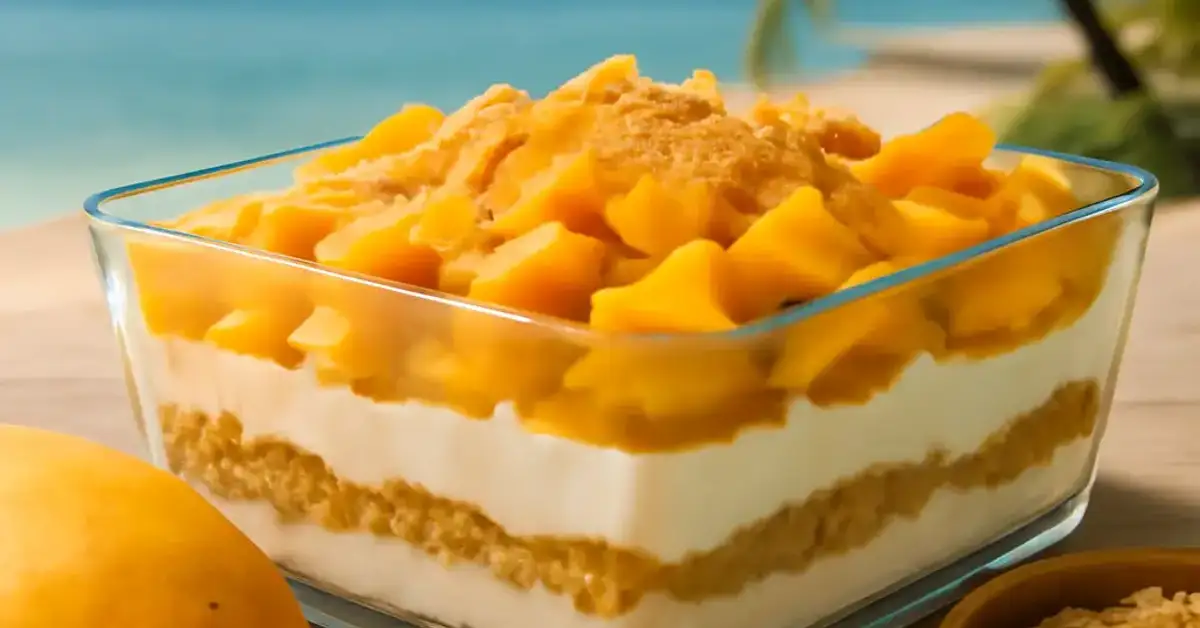
I still remember the first time I tasted a real, home-style Palawan mango float. It was on a sweltering afternoon in Puerto Princesa, after a long morning exploring the Underground River. A local friend brought out a chilled glass dish from the refrigerator, and the layers of golden mangoes, white cream, and golden graham crackers looked like edible art. One spoonful, and I understood why this mango float Philippines favorite is synonymous with island living. For a related guide, see Palawan Grilled Lobster: The Island Delicacy Perfect for Seafood Lovers.
There is something magical about a dessert that requires no oven, no complicated techniques, and yet delivers tropical elegance on a plate. The Filipino mango float dessert is all about balance: the natural sweetness of ripe mangoes, the rich creaminess of whipped cream and condensed milk, and the slight saltiness of graham crackers. Together, they create a chilled mango dessert that cools you down and lifts your spirits.
But what truly sets the Palawan version apart is the mango itself. In Palawan, the carabao mango variety is at its peak during summer — intensely sweet, fragrant, and fiberless. When you use those mangoes in a mango graham cake, the result is a Filipino layered dessert that feels like sunshine on a plate.
Ingredients for the Perfect Palawan Mango Float
Making this no-bake mango cake at home is incredibly simple. You only need a handful of ingredients, most of which are pantry staples in any Filipino kitchen. Here is what you need to prepare a classic creamy mango float recipe:
| Ingredient | Quantity | Notes |
|---|---|---|
| Ripe carabao mangoes | 4-5 large | Sweet, fiberless, preferably from Palawan or Luzon |
| Graham crackers | 2 packs (about 200g) | Use any plain or honey graham brand |
| All-purpose cream | 2 cups (500 ml) | Chilled overnight for best whipping results |
| Sweetened condensed milk | 1 cup (300 ml) | Adjust based on sweetness preference |
| Evaporated milk | 1/2 cup (optional) | For a lighter cream texture |
| Powdered sugar | 2 tablespoons | Optional, only if you want extra sweetness |
That is it. No eggs, no butter, no flour — just pure tropical mango dessert goodness. The simplicity is what makes this dessert so beloved. Even if you are staying in a small beachfront cottage in El Nido or cooking in a dormitory kitchen in Coron, you can whip up this graham mango float with zero hassle.
Choosing the Best Mangoes for Your Float
The heart of any Filipino comfort dessert like mango float is, of course, the mango. Look for carabao mangoes or any variety that is fully ripe but still firm enough to slice. The mangoes should be golden-yellow, fragrant, and yield slightly when pressed. Avoid mangoes that are too mushy, as they will turn the cold dessert mango cream into a watery mess.
If you are outside the Philippines, substitute with Ataulfo or Champagne mangoes. They have a similar sweetness and creamy texture that work beautifully in this summer dessert Philippines classic.
How to Make Palawan Mango Float Step by Step
Now let me walk you through the process. This easy Filipino dessert takes about 30 minutes of active preparation, plus at least 4 hours of chilling. Trust me, the waiting is the hardest part.
Step 1: Prepare the Cream Mixture
In a large mixing bowl, combine the chilled all-purpose cream, condensed milk, and evaporated milk (if using). Using a hand mixer or a whisk, beat the mixture until it becomes thick and fluffy. You want soft peaks — do not overbeat, or the cream may separate. The mixture should hold its shape when you lift the whisk. This creamy base is what gives the mango graham layered cake its luxurious texture.
Step 2: Slice the Mangoes
Peel the mangoes and slice them thinly. I prefer long, even slices because they look beautiful when layered. Reserve a few perfect slices for the top decoration. The rest can be cut into smaller cubes for the middle layers. The sweetness and color of the mangoes are what make this chilled tropical dessert so visually stunning.
Step 3: Layer the Graham Crackers
In a rectangular glass or ceramic dish (about 8×8 inches or 9×13 inches), arrange a single layer of graham crackers. Break them if necessary to fill gaps. The crackers should cover the bottom completely. This is the foundation of your Palawan mango float, so take your time to make it even.
Step 4: Add the Cream and Mangoes
Spread a generous layer of the cream mixture over the graham crackers. Then arrange a layer of mango slices on top. Repeat the process: graham crackers, cream, mangoes. For a classic Filipino mango float dessert, I recommend at least three layers. The final top layer should be cream, artistically decorated with mango slices and perhaps a dusting of crushed graham crackers.
Step 5: Chill and Serve
Cover the dish with plastic wrap or a lid and refrigerate for at least 4 hours, but overnight is best. The graham crackers will soften and absorb the cream, turning into a cake-like texture. Serve it cold straight from the refrigerator. This summer sweet treats Philippines dessert is best enjoyed on a hot day, preferably near the beach.
Why Palawan Mango Float Is the Perfect Beach Dessert
When you are traveling in Palawan, especially in places like El Nido, Coron, or Port Barton, you will find this beach dessert Philippines featured on many café and restaurant menus. There is a good reason for that. After a day of island hopping, swimming, and snorkeling, your body craves something cold and refreshing. The Palawan Mango Float hits that spot perfectly.
Unlike heavy, baked desserts, this chilled mango dessert is light and easy to digest. The natural sugars from the mangoes provide a quick energy boost, while the cream satisfies your sweet tooth. Plus, it keeps well in a cooler, making it an ideal companion for picnics on the sand.
I always tell my fellow travelers: do not leave Palawan without trying a slice of Palawan mango float. It is not just a dessert — it is an experience, a taste of the tropics that lingers long after your tan fades.
Palawan Mango Float vs. Other Mango Desserts
Filipinos love their mango desserts, and you might wonder how the Palawan mango float compares to other classics like mango sago, mango ice cream, or baked mango cake. Let me break it down for you.
| Dessert | Baking Required | Texture | Best for |
|---|---|---|---|
| Palawan Mango Float | No | Creamy, soft, chilled | Summer, travel, no-oven kitchens |
| Baked Mango Cake | Yes | Fluffy, spongy | Birthday parties, special occasions |
| Mango Sago | No | Pudding-like, cold | Refreshing snacks, hot days |
| Mango Ice Cream | No | Frozen, smooth | Dessert cravings on the go |
The Palawan Mango Float holds a unique place because it combines the creamy richness of a cake with the refreshing coldness of ice cream. It is a Filipino layered dessert that satisfies multiple cravings at once.
Customizing Your Palawan Mango Float
One of the things I love about this Palawan desserts is how easy it is to customize. Here are some variations you can try at home:
- Add a crunch: Sprinkle toasted coconut flakes or crushed nuts between layers for texture.
- Make it extra tropical: Add slices of ripe banana or jackfruit alongside the mangoes.
- Go vegan: Use coconut cream and plant-based condensed milk for a dairy-free version.
- Add a tangy twist: A thin layer of lemon or calamansi curd on the graham crackers brightens the flavor.
These island desserts Philippines variations keep the classic recipe fresh while respecting its roots. Experiment and find your favorite combination.
Useful Resources
If you want to dive deeper into the world of Filipino desserts, check out these resources:
- Pepper.ph Mango Float Recipe — A trusted Filipino food blog with step-by-step visuals for the classic mango float.
- Kawaling Pinoy Mango Float — Another excellent resource with tips on choosing the best mangoes and achieving the perfect cream consistency.
Frequently Asked Questions About Palawan Mango Float
What is mango float?
Mango float is a no-bake Filipino dessert made by layering graham crackers, a cream and condensed milk mixture, and fresh ripe mangoes. It is chilled until the crackers soften into a cake-like texture. The Palawan Mango Float is a popular regional version that uses sweet, fiberless carabao mangoes.
How do you make mango float?
To make mango float, whip chilled all-purpose cream with condensed milk until thick. Layer graham crackers in a dish, spread cream, add mango slices, and repeat. Chill for at least 4 hours or overnight before serving. The full step-by-step process is detailed in our guide above.
Why is mango float popular in the Philippines?
Mango float is popular because it is easy to make, requires no baking, uses affordable and locally available ingredients, and is incredibly refreshing during the hot summer months. Filipinos love its creamy texture and the natural sweetness of ripe mangoes, making it a staple at parties, beach trips, and family gatherings.
What ingredients are in mango float?
The basic ingredients for a Palawan Mango Float are ripe carabao mangoes, graham crackers, all-purpose cream, and sweetened condensed milk. Some recipes also add evaporated milk for a lighter cream or powdered sugar for extra sweetness. All these ingredients are combined without any baking.
Is mango float a no-bake dessert?
Yes, mango float is a classic no-bake cake. You do not need an oven, stove, or any heat source to prepare it. The graham crackers soften naturally in the refrigerator as they absorb moisture from the cream, creating a cake-like texture without any cooking involved.
How long should mango float be chilled?
Mango float should be chilled for a minimum of 4 hours. However, for the best texture and flavor, chilling it overnight is highly recommended. This allows the graham crackers to fully soften and the layers to meld together into a cohesive chilled mango dessert.
What type of mango is best for mango float?
Carabao mangoes, also known as Philippine mangoes or Manila mangoes, are the best choice for mango float. They are exceptionally sweet, rich, and almost fiberless, which yields a smooth and creamy texture. When in Palawan, the local carabao mangoes are at their peak during summer and are ideal for this dessert. For a related guide, see Palawan Crab Curry: The Creamy Seafood Delicacy with Local Spices.
Is mango float served frozen or chilled?
Mango float is served chilled, not frozen. It should be kept in the refrigerator and served cold directly from the fridge. If frozen, the cream can become icy and grainy, and the mangoes may lose their texture. The ideal serving temperature is between 2°C to 5°C (35°F to 41°F).
Can mango float be made ahead of time?
Absolutely! Mango float is an excellent make-ahead dessert. In fact, making it a day in advance improves the flavor and texture because the layers have more time to set. You can prepare it up to 2 days ahead and keep it covered in the refrigerator. Just add the final layer of fresh mango slices on top before serving.
What makes Filipino mango float special?
What makes Filipino mango float special is the combination of three simple factors: the use of the world-famous Philippine carabao mango, the no-bake approach that keeps the dessert light and refreshing, and the Filipino layered dessert technique that creates a beautiful, creamy, and satisfying treat. It is a true representation of Filipino creativity in the kitchen.
Is mango float a summer dessert?
Yes, mango float is considered a quintessential summer dessert Philippines classic. It is most popular during the dry season from March to June when mangoes are in peak harvest. The chilled, creamy texture provides relief from the heat, making it a favorite at beach outings, picnics, and family reunions.
How many layers does mango float have?
A traditional mango float has at least three layers of graham crackers, cream, and mangoes. Some recipes go up to four or five layers depending on the depth of the dish. Each layer contributes to the final mango graham layered cake texture, with the bottom and middle layers fully softening by the time the dessert is served.
Can you use cream or condensed milk in mango float?
Yes, both cream and condensed milk are essential in a creamy mango float recipe. All-purpose cream (or heavy cream) provides volume and a light, airy texture when whipped, while sweetened condensed milk adds sweetness and a thick, luscious consistency. Together, they create the signature creamy base of the dessert.
What is the difference between mango float and mango cake?
The main difference is that mango cake is baked, uses flour, eggs, and butter, and has a spongy texture. Mango float, on the other hand, is a no-bake mango cake that uses graham crackers and cream. Mango float is lighter, requires no oven, and is served chilled, while mango cake is more dense and can be served at room temperature.
Why do Filipinos love mango desserts?
Filipinos love mango desserts because the Philippines is one of the world’s top producers of sweet, high-quality mangoes. Mangoes are abundant, affordable, and deeply ingrained in Filipino cuisine and culture. From mango float to mango sago, these tropical mango dessert creations celebrate the fruit’s natural sweetness and versatility.
Can I use frozen mangoes for mango float?
Frozen mangoes can be used in a pinch, but fresh mangoes are strongly recommended for the best flavor and texture. Frozen mangoes release excess water when thawed, which can make your cold dessert mango cream watery and affect the structure of the layers. If you must use frozen mangoes, thaw and drain them thoroughly before layering.
How long can mango float last in the refrigerator?
Mango float can be stored in the refrigerator for up to 3 days. Keep it covered tightly with plastic wrap or a lid to prevent it from absorbing other odors. The texture is best on the first and second day. After 3 days, the graham crackers may become too soggy and the mangoes may start to oxidize and brown.
Can I use Digestive biscuits instead of graham crackers?
Yes, you can substitute Digestive biscuits or any plain, slightly sweet biscuit for graham crackers. The texture will be slightly different — Digestive biscuits are denser — but the result will still be a delicious Filipino comfort dessert. Just make sure the biscuits are not too sugary, or the dessert may become overly sweet.
Is Palawan mango float healthy?
Like most desserts, Palawan Mango Float should be enjoyed in moderation. It is rich in natural sugars from the mangoes and added sugars from the condensed milk. However, it does offer some nutritional benefits: mangoes are packed with vitamin C, vitamin A, and fiber. If you want a lighter version, you can reduce the condensed milk or use low-fat cream.
Why is Palawan Mango Float different from other mango floats?
The Palawan Mango Float stands out because it is made with locally sourced carabao mangoes from Palawan, which are known for their intense sweetness and smooth texture. Additionally, many Palawan versions incorporate local twists like a drizzle of coconut cream or a topping of toasted coconut, reflecting the island’s tropical bounty. It is a true taste of the province.

Jin Grey is a Filipino Senior SEO Consultant and AI-First SEO Strategist who helps international brands grow through modern search strategies. She specializes in technical SEO, semantic keyword research, and AI-ready content creation. She is also the owner of JinGrey.com.
As a digital nomad, she loves exploring the world and trying different cuisines during her free time.