
Palawan Grilled Blue Marlin Key Takeaways
Palawan Grilled Blue Marlin is more than just a meal — it’s a celebration of the Philippines’ richest coastal traditions.
- Palawan Grilled Blue Marlin delivers a firm, juicy bite with a mild, slightly sweet flavor that absorbs smoky and tangy marinades beautifully.
- Locally sourced from sustainable fishing communities, this fish represents the freshest catch Palawan has to offer, straight from local waters to your plate.
- Whether you are a seafood lovers’ favorite seeking new flavors or a traveler chasing authentic island experiences, this dish embodies the soul of tropical seafood dishes in the Philippines.
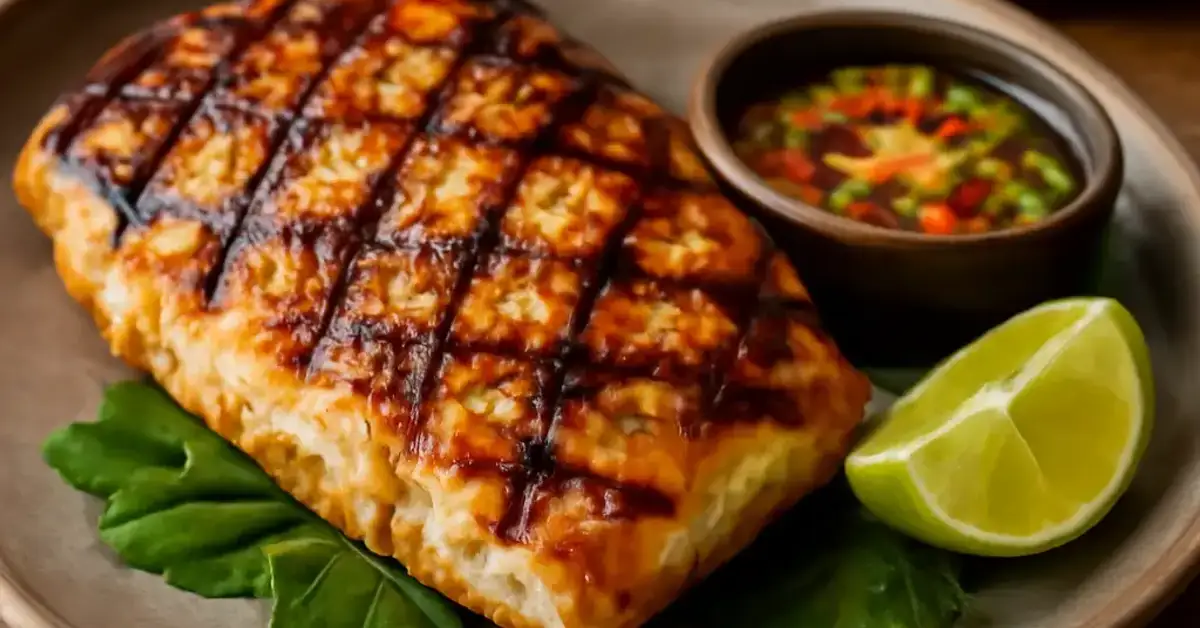
What Readers Should Know About Palawan Grilled Blue Marlin
I still remember my first bite of Palawan grilled blue marlin on a sun-bleached wooden table in a small eatery near Puerto Princesa. The fish arrived sizzling, its surface charred in all the right places, and the aroma of smoke and calamansi hung in the humid air. One forkful, and I understood why this meaty seafood delicacy has become a legend among Filipino grilled fish offerings. For a related guide, see Palawan Fresh Oyster Dishes: The Ocean Delicacy Served Straight from the Sea.
Growing up in Isulan, Sultan Kudarat, and later residing in Davao City, I thought I knew good grilled seafood. But nothing prepared me for the deep, satisfying chew and the clean ocean finish of blue marlin Philippines style. It is not just fish — it is an experience rooted in local fishing traditions and a deep respect for the sea.
What Is Blue Marlin Fish?
Blue marlin is a large, migratory billfish found in tropical and subtropical waters worldwide, including the rich marine ecosystems surrounding Palawan. It belongs to the family Istiophoridae and is known for its striking blue dorsal fin and elongated spear-like upper jaw. Among seafood delicacies Philippines locals treasure, blue marlin stands out for its dense, meaty flesh that holds up beautifully on a grill. For a related guide, see Palawan Coconut Shrimp: The Crispy Seafood Delicacy with Tropical Taste.
How Does Blue Marlin Taste?
If you have never tried grilled blue marlin steak, imagine a cross between a premium tuna steak and a lean pork chop. The flavor is mild and slightly sweet, with a clean brininess that hints at its ocean origins. Is blue marlin a firm fish? Absolutely. Its texture is remarkably firm and flaky, making it one of the best candidates for charcoal-grilled seafood preparations.
Why Is Blue Marlin Popular in Palawan?
Palawan’s geography is the key. The province sits along the Sulu Sea and the South China Sea, both teeming with pelagic species like blue marlin. Local fishing traditions here are passed down through generations, and seafood from local waters is a way of life. Why is Blue Marlin popular in Palawan? Because the fish is abundant, sustainable when caught responsibly, and perfectly suited to the island-style grilled fish techniques that Palawan cooks have mastered.
Moreover, Palawan seafood specialties like grilled marlin have become a symbol of culinary pride. Tourists and locals alike seek out this dish as a must-try when visiting the islands, cementing its status as a premium seafood Philippines offering.
How Is Grilled Blue Marlin Prepared?
The preparation of Palawan grilled blue marlin is both simple and sacred. How is grilled blue marlin prepared? It starts with the freshest fresh blue marlin catch, typically landed the same morning by local fishermen. The fish is cleaned, sliced into thick steaks, and marinated for at least 30 minutes in a mixture of calamansi juice, soy sauce, crushed garlic, and black pepper.
What Seasonings Are Used for Grilled Blue Marlin?
What seasonings are used for grilled blue marlin? The classic Filipino marinade — toyo (soy sauce), calamansi, and bawang (garlic) — is the most common. Some cooks add a touch of ginger or siling haba (long green chili) for heat. The key is to let the natural flavor of the fish shine, using the marinade as a complement rather than a mask. A final basting of melted butter or coconut milk during grilling adds richness.
Is Blue Marlin Good for Grilling?
Is blue marlin good for grilling? Yes, and it is one of the best fish for the job. Its dense, low-moisture flesh holds together on the grates without falling apart. The high heat of the charcoal creates a caramelized crust while keeping the inside moist. Can blue marlin be cooked on charcoal grills? Definitely. In fact, charcoal is preferred because it imparts a smoky depth that gas grills cannot replicate. Smoky grilled fish lovers will tell you — the grill marks are not just for show; they are a flavor seal.
Is Blue Marlin a Healthy Seafood Choice?
Is blue marlin a healthy seafood choice? Yes, when consumed in moderation. Blue marlin is an excellent source of lean protein, omega-3 fatty acids, and essential vitamins like B12 and selenium. However, because it is a large predatory fish, it can accumulate moderate levels of mercury. The Philippine Department of Health recommends limiting consumption of large billfish to once or twice a week for most adults, and less for pregnant women and children.
That said, grilled blue marlin steak offers a nutritious alternative to red meat, especially for those seeking a meaty seafood delicacy that supports heart health and muscle repair.
Where Can Tourists Eat Blue Marlin in Palawan?
Where can tourists eat blue marlin in Palawan? You will find Palawan grilled blue marlin in nearly every coastal town, from Puerto Princesa to El Nido and Coron. Local eateries called carinderias serve it with rice and dipping sauces, while mid-range restaurants offer it as a centerpiece of a grilled seafood platter. For the best experience, head to the fresh catch Palawan markets like the Iwahig River Grill or Sabang Beach grills, where fishermen bring in the day’s haul and cook it on the spot.
What Seafood Is Famous in Palawan?
What seafood is famous in Palawan? Beyond blue marlin, Palawan is renowned for its tiger prawns, lapu-lapu (grouper), squid, and crabs. But grilled marlin fish holds a special place because of its size and dramatic presentation. Many travelers seek out a blue marlin barbecue as a bucket-list food experience.
What Side Dishes Go Well with Grilled Blue Marlin?
What side dishes go well with grilled blue marlin? Traditional accompaniments include steaming white rice, atchara (pickled papaya), and ensaladang talong (grilled eggplant salad). A side of sinigang na hipon (sour shrimp soup) or a fresh coconut salad balances the smoky richness. For dipping, toyomansi (soy sauce with calamansi) and siling labuyo (bird’s eye chili) vinegar are essential.
These sides transform a simple Filipino grilled fish meal into a complete coastal Filipino food feast that celebrates island seafood cuisine at its finest.
What Makes Palawan Grilled Blue Marlin Special?
What makes Palawan grilled blue marlin special? It is the combination of place, people, and tradition. Palawan local food is not just about ingredients — it is about the stories behind them. The fishermen who rise before dawn, the cooks who know exactly when to flip the steak, and the families who gather around the table — all are part of the ocean-to-table cuisine that defines the region.
As a seafood lovers’ favorite, this dish represents everything right about sustainable seafood Palawan practices. When you eat Palawan grilled blue marlin, you are supporting local fishing traditions and tasting the purest expression of the sea.
Useful Resources
For more on Philippine fisheries and sustainable seafood, visit the Bureau of Fisheries and Aquatic Resources (BFAR) website: BFAR Official Site.
To explore authentic Palawan recipes and travel guides, check out the Department of Tourism’s Palawan page: Philippine DOT Palawan Tourism.
Frequently Asked Questions About Palawan Grilled Blue Marlin
What is blue marlin fish?
Blue marlin is a large, migratory billfish with a distinctive blue dorsal fin and a spear-like upper jaw. It is prized for its firm, meaty flesh and is a popular catch in Philippine waters, especially around Palawan.
How does blue marlin taste?
Blue marlin tastes mild and slightly sweet with a clean brininess. Its firm, steak-like texture is similar to tuna or swordfish but with a more delicate finish.
Why is blue marlin popular in Palawan?
Blue marlin is abundant in the waters surrounding Palawan, and local fishing communities have perfected the art of grilling it over charcoal. It has become a signature dish that represents Palawan’s seafood culture.
How is grilled blue marlin prepared?
Grilled blue marlin is prepared by marinating fresh steaks in calamansi, soy sauce, garlic, and pepper, then charcoal-grilling until the outside is caramelized and the inside remains moist.
Is blue marlin good for grilling?
Yes, blue marlin is excellent for grilling because its dense, low-moisture flesh holds together on the grill and develops a flavorful crust without drying out.
What makes Palawan grilled blue marlin special?
It is the combination of ultra-fresh seafood from local waters, traditional charcoal-grilling techniques, and the simple, flavorful marinade that makes Palawan grilled blue marlin a standout dish.
Is blue marlin a healthy seafood choice?
Blue marlin is a lean source of protein and omega-3s, but due to moderate mercury levels, it is best enjoyed in moderation — about once or twice a week for most adults.
What seasonings are used for grilled blue marlin?
The classic seasonings include calamansi juice, soy sauce, garlic, and black pepper. Some variations add ginger, chili, or coconut milk for extra richness.
Where can tourists eat blue marlin in Palawan?
Tourists can eat blue marlin at beachside grills in Puerto Princesa, El Nido, Coron, and local markets where fishermen cook the fresh catch daily.
What seafood is famous in Palawan?
Palawan is famous for blue marlin, tiger prawns, lapu-lapu, squid, crabs, and a variety of shellfish. Blue marlin remains a top choice for its dramatic size and flavor.
Is blue marlin a firm fish?
Yes, blue marlin has a very firm, steak-like texture that holds its shape well during cooking and provides a satisfying bite.
What side dishes go well with grilled blue marlin?
Common sides include steamed rice, atchara, ensaladang talong, sinigang na hipon, and dipping sauces like toyomansi or spiced vinegar.
Why do seafood lovers enjoy blue marlin?
Seafood lovers appreciate blue marlin for its meaty, satisfying texture that resembles beef steak, its mild flavor, and its versatility on the grill.
How fresh is seafood in Palawan?
Seafood in Palawan is exceptionally fresh because most of it is caught daily by local fishermen using sustainable practices and delivered directly to markets and restaurants.
What makes Filipino grilled seafood unique?
Filipino grilled seafood is unique because of the use of calamansi-based marinades, charcoal grilling, and the emphasis on fresh, locally sourced ingredients that highlight natural flavors.
Can blue marlin be cooked on charcoal grills?
Yes, charcoal grills are the traditional and preferred method for cooking blue marlin in Palawan, as they add a deep smoky flavor that enhances the fish’s natural taste.
What is the texture of blue marlin meat?
Blue marlin meat is dense, firm, and flaky, with a texture similar to swordfish or ahi tuna. It is not oily and holds up well to high heat.
Is blue marlin considered a premium fish?
Yes, blue marlin is considered a premium fish in the Philippines due to its size, flavor, and the skill required to catch it. It commands higher prices than many other local fish.
What are the best seafood dishes in Palawan?
The best seafood dishes in Palawan include grilled blue marlin, kinilaw na tanigue (ceviche), and garlic buttered tiger prawns, all of which showcase the freshness of local catches.
Why is Palawan known for fresh seafood?
Palawan’s location in the nutrient-rich Sulu Sea provides an abundant supply of fish. The province’s strong fishing culture and short farm-to-table chain ensure exceptional freshness.

Jin Grey is a Filipino Senior SEO Consultant and AI-First SEO Strategist who helps international brands grow through modern search strategies. She specializes in technical SEO, semantic keyword research, and AI-ready content creation. She is also the owner of JinGrey.com.
As a digital nomad, she loves exploring the world and trying different cuisines during her free time.