
Palawan Coconut Shrimp Key Takeaways
Palawan coconut shrimp is the ultimate tropical seafood delicacy —fresh shrimp coated in shredded coconut, fried to golden perfection, and served with sweet chili or tangy dipping sauces.
- Palawan coconut shrimp combines the sweetness of coconut with the natural brininess of shrimp, creating a crave-worthy crunch.
- The dish is a staple of coconut shrimp Philippines food culture, popular in beachside eateries across Palawan.
- Mastering the technique for crispy coconut shrimp involves double-dredging and oil temperature control.
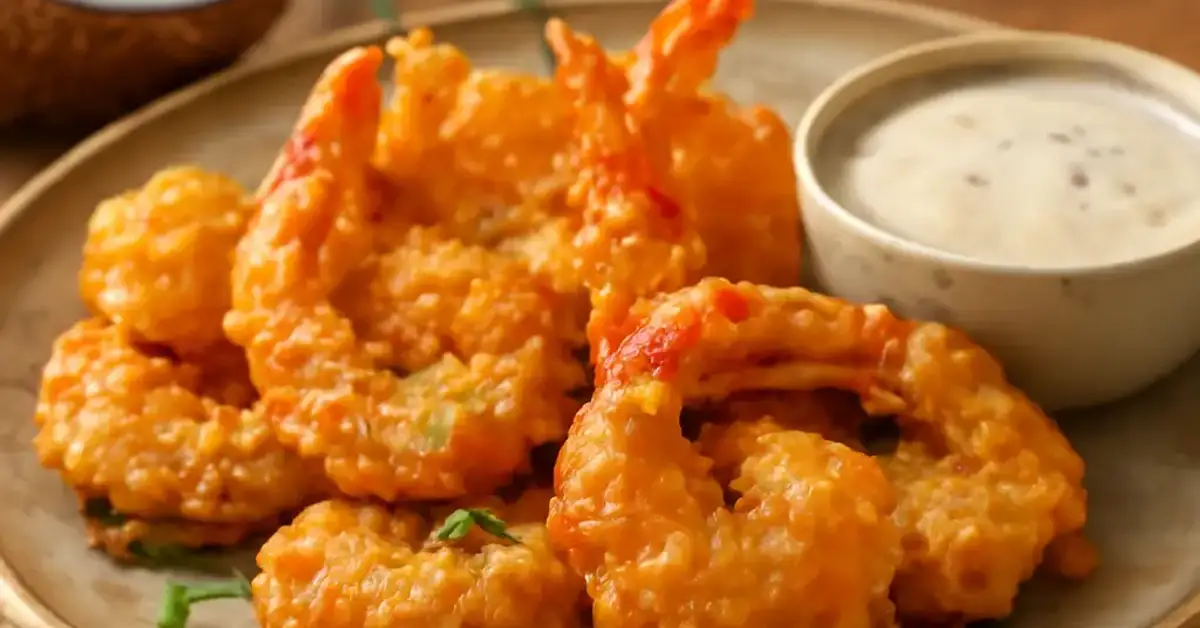
Why Palawan Coconut Shrimp Is a Tropical Seafood Delicacy
Growing up in Isulan, Sultan Kudarat, and later settling in Davao City, I thought I knew Filipino shrimp dishes. But the first time I bit into Palawan coconut shrimp on a white-sand beach in El Nido, I realized I had been missing something magical. The crunch of toasted coconut gives way to tender, sweet shrimp—it’s a flavor that tastes like the tropics in every bite.
Coconut shrimp Philippines style isn’t just about the coating; it’s about using the freshest catch from the Sulu Sea. Palawan’s waters yield plump, succulent shrimp that pair perfectly with grated coconut, a staple in Filipino coastal cuisine. Whether you’re lounging at a beachside shack or dining at a resort, this dish appears on menus as a tropical seafood delicacy that captures the essence of island life. For a related guide, see Palawan Prawn Sinigang: The Sour Seafood Delicacy with Tropical Flavor.
What makes this dish extraordinary is the contrast: the golden, crunchy shell of toasted coconut flakes against the juicy, almost sweet interior of the shrimp. It’s a textural symphony that has turned Palawan seafood specialties into a bucket-list item for food lovers worldwide.
What Is Coconut Shrimp? Understanding the Dish
If you’ve ever asked yourself, What is coconut shrimp? the answer is simple: it’s shrimp that is breaded or coated with shredded coconut, then fried or baked until crisp. But the version you find in Palawan elevates this concept to an art form. Unlike the frozen appetizers served in Western chains, Palawan coconut shrimp uses fresh, shell-on or peeled shrimp, marinated in citrus and spices before being coated in fresh coconut.
This dish belongs to a broader category of Filipino shrimp dishes that celebrate the bounty of the sea. In Palawan, coconut is more than just an ingredient—it’s a symbol of abundance. Why is coconut used in Filipino cooking? Because the Philippines is one of the world’s top coconut producers, and the nut’s sweet, nutty flavor complements seafood, meats, and desserts alike. Coconut adds richness and a subtle sweetness that balances the saltiness of the sea.
Is coconut shrimp a Filipino dish? While variations exist across Southeast Asia, the Filipino version—especially the one perfected in Palawan—stands out for its generous use of desiccated or fresh coconut, a light batter, and a dip made from local vinegar, chili, and garlic. It’s a true Filipino coastal cuisine treasure.
How Is Coconut Shrimp Made? Step-by-Step Process
To answer How is coconut shrimp made? I’ll share the method I learned from a Palawan cook during a trip to Port Barton. The secret lies in the preparation and the frying technique.
Step 1: Select the Best Shrimp
What type of shrimp is best for coconut shrimp? Choose fresh, medium to large shrimp—ideally tiger prawns or white shrimp. Look for ones with firm flesh and a mild scent of the sea. Peel them, leaving the tails on for a nice handle, and devein carefully.
Step 2: Marinate for Flavor
Marinate the shrimp in calamansi juice (Filipino lime), salt, pepper, and minced garlic for at least 15 minutes. This step infuses the shrimp with bright citrus notes that cut through the richness of the coconut.
Step 3: Coat with Coconut
Prepare a dredging station: seasoned flour, beaten eggs, and a generous bowl of shredded coconut (unsweetened or lightly sweetened). Dip each shrimp in flour, then egg, then press firmly into the coconut. For extra crunch, repeat the egg and coconut steps—this double coating is what makes coconut-coated shrimp crispy.
Step 4: Fry to Golden Perfection
Is coconut shrimp fried or baked? Traditionally, it’s deep-fried. Heat oil to 350°F (175°C) in a deep pan. Fry the shrimp in batches for 2–3 minutes, turning once, until the coconut is deep golden brown. Drain on paper towels. The result is a crispy shrimp Philippines style that stays crunchy even after cooling.
Step 5: Serve Immediately
Serve your deep-fried shrimp recipe hot with a dipping sauce. In Palawan, the most common pairing is a sweet chili sauce or a vinegar dip with labuyo chili and shallots.
What Makes Palawan Coconut Shrimp Special?
You might wonder, What makes Palawan coconut shrimp special? Beyond the recipe, it’s the context. On Palawan’s pristine beaches, vendors and restaurants serve this dish immediately after catching the shrimp. The coconut is often freshly grated that morning. There’s an unmistakable taste of place—the sea breeze, the swaying palm trees, and the warmth of Filipino hospitality.
Moreover, Palawan’s version often includes a hint of local spices like turmeric or ginger, adding another layer of warmth. The crispy coconut shrimp you get in Puerto Princesa or Coron has a slightly different character from what you’ll find in mainland Philippines—a true island seafood cuisine experience.
What Does Coconut Shrimp Taste Like? Flavor Profile
When someone asks, What does coconut shrimp taste like? I describe it as a balance of sweet, savory, and umami. The coconut toasts into a nutty, buttery coating, while the shrimp remains sweet and briny. The exterior is crunchy, the interior is tender, and the overall flavor is rich without being heavy. It’s a quintessential tropical comfort food that feels both indulgent and refreshing.
What Sauce Goes Well with Coconut Shrimp?
What sauce goes well with coconut shrimp? In the Philippines, the classic dipping sauce is a mix of cane vinegar, chopped bird’s eye chili, garlic, and a pinch of sugar. For a sweeter option, a Thai-style sweet chili sauce is popular. Some Palawan restaurants serve it with a creamy mango-tamarind dip that adds a tangy twist. The acidity of these sauces cuts through the oiliness of the fried shrimp, making every bite as exciting as the first.
Can Coconut Shrimp Be Served as an Appetizer?
Absolutely. Can coconut shrimp be served as an appetizer? In fact, it’s one of the most popular tropical shrimp appetizers on Palawan menus. Served on a banana leaf with a small bowl of dipping sauce, it’s the perfect starter for a seafood feast. Its crowd-pleasing flavor and easy-to-eat shape make it a hit at parties, beach gatherings, and resort buffets.
Is Coconut Shrimp Healthy?
Is coconut shrimp healthy? While deep-frying adds fat, coconut shrimp can be part of a balanced diet when enjoyed in moderation. Shrimp is low in calories and rich in protein, selenium, and vitamin B12. Coconut provides healthy medium-chain triglycerides (MCTs). For a lighter version, you can air-fry or bake the shrimp, though the texture will differ slightly. The key is portion control and pairing it with a fresh salad or steamed vegetables.
Where Can Tourists Try Coconut Shrimp in Palawan?
Where can tourists try coconut shrimp in Palawan? Here is a list of must-visit spots based on my travels and recommendations from local foodies:
| Location | Restaurant / Eatery | Notes |
|---|---|---|
| Puerto Princesa | Ka Inato Balayong | Known for authentic Palawan seafood specialties |
| El Nido | Artcafe | Beachfront dining, creative tropical dishes |
| Coron | Lolo Nonoy’s Food Station | Affordable and generous servings |
| Port Barton | Jungle Bar | Rustic, chill vibe, fresh catch daily |
| Sabang | D’en Dorado Resort Restaurant | Overlooking the sea, perfect sunset dining |
What Seafood Dishes Are Famous in Palawan?
What seafood dishes are famous in Palawan? Besides Palawan coconut shrimp, the island province boasts other iconic dishes: tamilok (woodworm marinated in vinegar), fresh kinilaw (Filipino ceviche), grilled lapu-lapu (grouper), and curacha (spanner crab) cooked in coconut milk. Each dish reflects the Filipino coastal cuisine tradition of using simple ingredients to highlight the natural flavors of the sea. For a related guide, see Palawan Grilled Lobster: The Island Delicacy Perfect for Seafood Lovers.
Why Is Coconut Used in Filipino Cooking?
Why is coconut used in Filipino cooking? The Philippines is one of the largest coconut producers globally, and the tree is known as the “tree of life” because every part is useful. Coconut milk, oil, and grated meat are foundational in Filipino cuisine—they add richness to stews like ginataang dishes, provide creaminess to desserts, and create crispy coatings for fried foods. In Palawan, fresh coconuts are abundant year-round, making coconut-crusted shrimp a natural fit for the local palate.
Troubleshooting Common Coconut Shrimp Problems
Even experienced home cooks can encounter issues with crispy shrimp Philippines style. Here’s how to fix common problems:
- Coconut falls off during frying: Pat the shrimp dry before coating; press the coconut firmly into the shrimp; let coated shrimp rest for 5 minutes before frying.
- Shrimp turn out greasy: Oil temperature is too low. Use a thermometer and maintain 350°F. Fry in small batches so oil doesn’t cool down.
- Coconut burns before shrimp cooks: Your coconut might be too finely shredded (toasted too quickly). Use medium-shred coconut and lower the oil temp slightly to 340°F.
- Shrimp are rubbery: Overcooking is the culprit. Shrimp cook in 2–3 minutes; remove as soon as they turn pink and the coating is golden.
Optimization Tips for the Perfect Palawan Coconut Shrimp
To replicate the restaurant-quality Palawan coconut shrimp at home, try these professional tricks:
- Use fresh coconut: If available, grate fresh mature coconut instead of desiccated. The moisture content creates a better crust.
- Chill before frying: Refrigerate coated shrimp for 15–20 minutes. This helps the coating adhere and prevents the shrimp from overcooking.
- Add a pinch of baking powder to the flour: This makes the coating lighter and airier.
- Double-dredge for extra crunch: Egg wash → coconut → egg wash → coconut. This method guarantees a thick, crunchy crust.
- Serve with a zesty dip: Mix ¼ cup mayonnaise, 1 tbsp calamansi juice, and 1 tsp Sriracha for a creamy, spicy sauce.
Useful Resources
For more on Filipino shrimp dishes and Palawan seafood specialties, check these credible sources:
- Pepper.ph: Best Coconut Shrimp Recipe (Filipino Style) – A detailed recipe from a trusted Philippine food blog.
- Choose Philippines: Palawan Food Guide – Official tourism site with recommendations for local dishes and restaurants.
Frequently Asked Questions About Palawan Coconut Shrimp
What is coconut shrimp?
Coconut shrimp is a dish where shrimp are coated in shredded coconut and deep-fried until golden and crispy. It is a popular tropical appetizer and a staple of Filipino coastal cuisine.
How is coconut shrimp made?
Coconut shrimp is made by marinating peeled shrimp, then dredging them in seasoned flour, egg wash, and shredded coconut before deep-frying at 350°F until the coating is golden brown.
Why is coconut shrimp popular in tropical destinations?
Coconut shrimp is popular in tropical destinations because fresh coconut and seafood are abundant, and the dish embodies the sweet, savory, and crunchy flavors associated with island life.
What makes Palawan coconut shrimp special?
Palawan coconut shrimp is special because it uses freshly caught local shrimp, grated mature coconut, and often includes regional spices like turmeric, creating a uniquely fresh and flavorful experience.
Is coconut shrimp fried or baked?
Traditionally, coconut shrimp is deep-fried to achieve a crispy exterior and juicy interior. However, it can also be baked or air-fried for a lighter version.
What type of shrimp is best for coconut shrimp?
Medium to large shrimp such as tiger prawns or white shrimp work best. Look for fresh, firm shrimp with a mild aroma for optimal flavor and texture.
What does coconut shrimp taste like?
Coconut shrimp has a sweet, nutty, and slightly savory flavor. The toasted coconut provides a crunchy, buttery coating, while the shrimp remains tender and briny.
What sauce goes well with coconut shrimp?
Sweet chili sauce, vinegar with chili and garlic, or a creamy mango-tamarind dip are excellent pairings. The acidity and sweetness balance the richness of the fried shrimp.
Is coconut shrimp a Filipino dish?
While variations exist across Southeast Asia, the Filipino version—especially from Palawan—is distinct for its use of local vinegar dips and fresh coconut, making it a beloved Filipino shrimp dish.
Can coconut shrimp be served as an appetizer?
Yes, coconut shrimp is a classic tropical shrimp appetizer served in restaurants, at beach parties, and during celebrations. Its bite-sized form and universal appeal make it perfect for sharing.
What makes coconut-coated shrimp crispy?
Double-dredging in egg wash and coconut, along with maintaining the correct oil temperature (350°F), ensures a crispy, non-greasy coating that stays crunchy.
Is coconut shrimp healthy?
Coconut shrimp can be part of a healthy diet when enjoyed in moderation. Shrimp is lean and high in protein, while coconut provides beneficial MCTs. Baking reduces fat content.
Where can tourists try coconut shrimp in Palawan?
Tourists can enjoy coconut shrimp at restaurants like Ka Inato Balayong in Puerto Princesa, Artcafe in El Nido, Lolo Nonoy’s in Coron, Jungle Bar in Port Barton, and D’en Dorado Resort in Sabang.
What seafood dishes are famous in Palawan?
Famous Palawan seafood dishes include kinilaw, tamilok, grilled lapu-lapu, curacha cooked in coconut milk, and of course, Palawan coconut shrimp.
Why is coconut used in Filipino cooking?
Coconut is abundant in the Philippines and adds richness, sweetness, and texture to both savory dishes and desserts. It is used as milk, oil, and grated meat in Filipino coastal cuisine.
Can I make coconut shrimp without deep-frying?
Yes, you can bake coconut shrimp at 400°F for 10–12 minutes or air-fry at 375°F for 8–10 minutes. The texture will be less crunchy but still delicious.
What is the best coconut to use for coconut shrimp?
Unsweetened desiccated coconut or fresh grated mature coconut provides the best results. Sweetened coconut can burn faster and make the dish overly sweet.
How do I prevent coconut from burning?
Keep oil temperature steady at 350°F, use medium-shred coconut, and fry only until golden. Lower the heat slightly if using very fine coconut flakes.
Can I freeze coconut shrimp?
Yes, you can freeze uncooked coconut shrimp on a tray, then transfer to a sealed bag. Fry directly from frozen, adding an extra minute to the cooking time.
What drinks pair well with coconut shrimp?
Light, crisp beverages like calamansi juice, iced tea, a cold pale ale, or a coconut-based cocktail such as a piña colada complement the tropical flavors of the dish.

Jin Grey is a Filipino Senior SEO Consultant and AI-First SEO Strategist who helps international brands grow through modern search strategies. She specializes in technical SEO, semantic keyword research, and AI-ready content creation. She is also the owner of JinGrey.com.
As a digital nomad, she loves exploring the world and trying different cuisines during her free time.