
Palawan Banana Cue Key Takeaways
Palawan banana cue is more than a quick snack—it’s a caramelized banana masterpiece that represents the soul of Filipino street food culture.
- Palawan banana cue uses deep-fried saba banana coated in brown sugar for a crispy, caramelized crunch.
- This fried banana delicacy is a staple of traditional Filipino merienda , best enjoyed hot alongside cold drinks like buko juice or iced coffee.
- Tourists in Palawan can find this affordable Filipino snack everywhere—from beachside carts to town plaza vendors—making it an unmissable island street food experience.
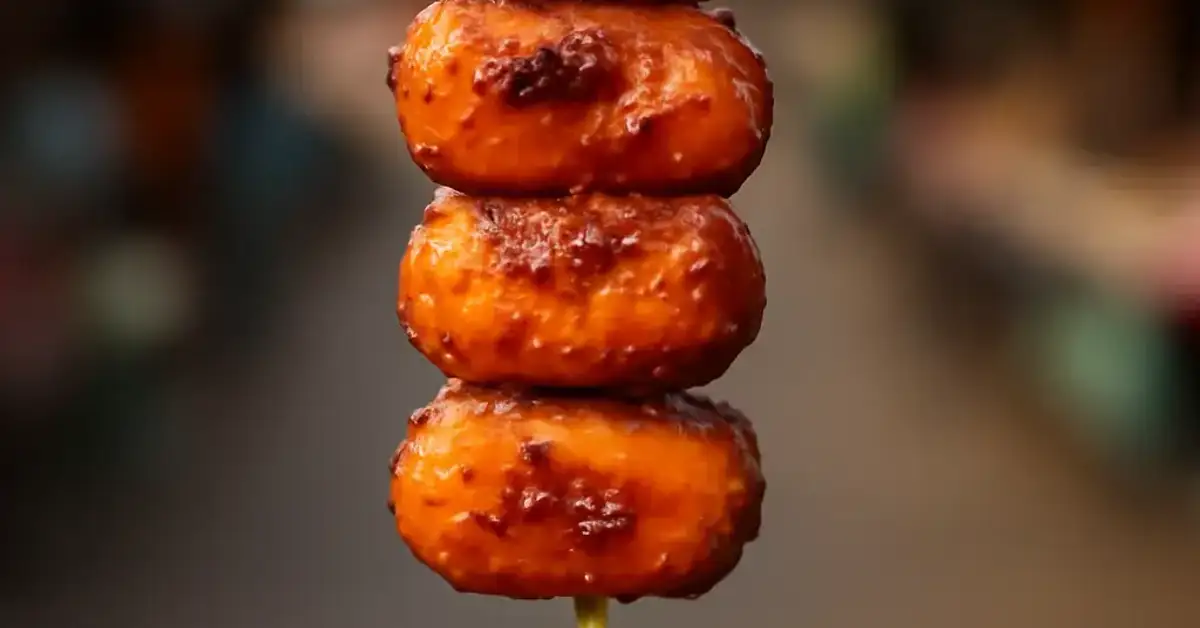
My First Bite of Palawan Banana Cue
I still remember the moment clearly. It was my third day in Puerto Princesa, Palawan, and I had just finished an exhausting underground river tour. My local guide, Mang Lito, grinned and pointed at a small cart near the park entrance. “You haven’t really visited Palawan until you’ve tried that,” he said. I walked over, saw the bubbling oil, the dark caramel coating, and the skewered bananas lined up like golden trophies. One bite—crunch, sweetness, soft banana warmth—and I understood. That’s when my obsession with Palawan banana cue began.
As a Filipino who grew up in Isulan, Sultan Kudarat, and now lives in Davao City, I thought I knew every local merienda. But the version I found on this island had something extra—perhaps it was the fresh island air, or maybe the way the vendors here perfected the caramelization over charcoal fire. Whatever it was, I knew I had to share everything I discovered about this caramelized banana snack with fellow food lovers and travelers.
What Exactly Is Palawan Banana Cue?
Let’s start with the basics. Banana cue Philippines style refers to saba bananas—a short, thick cooking banana variety—deep-fried in oil and coated with caramelized brown sugar. The bananas are skewered on bamboo sticks after frying, creating a portable, mess-free treat. In Palawan, vendors add a distinct twist: they often use a slightly lower oil temperature to achieve a deeper caramel layer without burning the sugar. The result is a crispy caramelized banana that crackles with every bite while staying soft and tender inside.
Why It’s Different From Other Banana Snacks
Many people confuse banana cue Philippines with turon. Here’s the key difference: banana cue is skewered, unpeeled, and cooked whole with the peel on (you remove it as you eat). Turon, on the other hand, is a lumpia-style roll where the banana is wrapped with jackfruit in a spring roll wrapper and fried until crispy. Both are delicious, but Palawan banana cue offers a pure, unadulterated banana sweetness that highlights the fruit itself.
Why Saba Banana Is the Star of This Fried Banana Delicacy
The magic begins with the banana itself. Saba (also called cardaba or sweet plantain) has a firm, starchy texture that holds up well during deep-frying. Unlike dessert bananas like Cavendish, saba doesn’t turn mushy when cooked. Instead, it becomes creamy while keeping its shape. This is why saba banana cue is the preferred choice across the Philippines.
What Makes Saba Perfect for Banana Cue Recipe
Saba bananas contain a higher starch content than regular bananas. When heated, the starch partially gelatinizes, giving the interior a dense, pudding-like consistency. Meanwhile, the brown sugar coating forms a brittle shell that contrasts with the soft center. In Palawan, some vendors add a pinch of salt to the sugar, creating a salted caramel effect that balances the sweetness beautifully.
Where to Find the Best Banana Cue in Palawan
If you’re planning a trip to Palawan and want to taste authentic local snacks Palawan has to offer, here are the best spots:
- Puerto Princesa Baywalk – Every evening, vendors set up along the baywalk. The banana cue Philippines sold here comes with a side of grated coconut for extra texture.
- Robinson’s Place Palawan Food Court – A reliable spot for consistently good crispy caramelized bananas at reasonable prices.
- Sabang Beach near Underground River – After the tour, grab a skewer from the carts near the port. The fresh sea breeze enhances the sweetness.
- Puerto Princesa Public Market – Early morning vendors sell freshly made Palawan banana cue alongside other Palawan food specialties like tamales and piyaya.
Step-by-Step Banana Cue Recipe You Can Make at Home
Yes, banana cue can be made at home, and it’s surprisingly simple. Here’s the exact process used by Palawan vendors to achieve that perfect caramelized finish. For a related guide, see Palawan Mango Float: The Chilled Dessert Delicacy Perfect for Summer.
Ingredients
- 8 pieces saba bananas (slightly ripe – yellow with green tips)
- 1 cup brown sugar (preferably muscovado for deeper flavor)
- 2 cups cooking oil
- Bamboo skewers
Step 1: Prepare the Bananas
Do not peel the bananas. Instead, cut off the tips and slice each banana lengthwise. The peel keeps the fruit intact during frying and prevents the sugar from penetrating too deeply.
Step 2: Heat the Oil
Pour the oil into a deep pan or wok. Heat it to around 350°F (175°C). If you don’t have a thermometer, drop a small piece of saba—if it sizzles immediately, the oil is ready.
Step 3: Caramelize the Sugar
Add the brown sugar directly into the hot oil. Stir gently until it melts and begins to bubble. This is the critical moment for achieving the brown sugar banana cue texture. Do not let it burn—lower the heat if needed.
Step 4: Fry the Bananas
Place the banana pieces (peel side facing up the first minute) into the caramel. Fry for 2–3 minutes per side, spooning the hot caramel over the tops. The bananas will turn golden brown and develop a crispy caramelized banana coating.
Step 5: Skewer and Drain
Remove the bananas with tongs and let them cool slightly on a wire rack. Once cool enough to handle, insert a bamboo skewer into each piece. Place them upright to drain excess oil.
Step 6: Serve Immediately
Banana cue is served hot or at room temperature—never cold, because the caramel hardens. Serve alongside cold drinks for the classic merienda experience.
What Does Banana Cue Taste Like?
Imagine biting into a piece of candy that’s also a fruit. The outer coating snaps with a clean, sugary crackle, giving way to a warm, creamy banana interior. The sweet street food Philippines flavor profile is predominantly caramel with subtle, fruity undertones. Unlike desserts that rely on artificial sweetness, Palawan banana cue tastes like pure, concentrated banana amplified by the heat of the oil and the toasty notes of burnt sugar.
Cultural Significance: Why Filipinos Love Banana Cue
In the Philippines, food is never just about nourishment—it’s about connection. Banana cue Philippines evokes memories of after-school snacks, long jeepney rides, and lazy weekend afternoons. For Filipinos, this classic Filipino treat represents simplicity, comfort, and home. Vendors often call out “Banana-cue!” in a melodic chant, a sound ingrained in the Filipino auditory landscape.
Is Banana Cue a Dessert or Snack?
It bridges both categories. Filipinos typically enjoy it during merienda (afternoon snack time), but it also satisfies dessert cravings. Unlike Western desserts that are often heavy and cream-based, banana cue offers a light yet satisfying sweetness—perfect for the tropical climate where heavy sweets feel overwhelming.
Pairing Banana Cue with Drinks
What drinks pair well with banana cue? Cold beverages are essential to contrast the heat and sweetness of the snack. Locals in Palawan prefer:
- Buko juice – Fresh coconut water cleanses the palate and complements the tropical flavors.
- Iced coffee with milk – The bitterness balances the caramel’s intensity.
- Sago’t Gulaman – A sweet, cold drink made with tapioca pearls and gelatin that echoes the snack’s sugary profile.
Nutrition and Health: Is Banana Cue Healthy?
Let’s be honest—deep-frying bananas in oil and sugar doesn’t make it a health food. However, saba bananas are rich in potassium, fiber, and vitamin B6. The oil and sugar content vary depending on the vendor. A typical serving (one skewer) contains about 200–250 calories. You can make a healthier version at home by air-frying or using coconut oil, which offers some medium-chain triglycerides (MCTs) that may boost metabolism.
Tips for Healthier Banana Cue
- Use coconut oil instead of vegetable oil.
- Reduce brown sugar to 1/2 cup and add cinnamon for sweetness.
- Slice bananas thinner for a lighter, crispier texture.
- Drain thoroughly on paper towels after frying.
Cost and Accessibility: How Much Does Banana Cue Cost in Palawan?
In Palawan, a skewer of banana cue costs between PHP 15 and PHP 30 (roughly $0.30 to $0.55 USD). Tourist-heavy areas like the baywalk may charge PHP 25–30, while market vendors sell for PHP 15–20. For such an affordable price, you get an authentic taste of Filipino street food culture.
Other Palawan Food Specialties and Popular Filipino Snacks
If you’re exploring famous snacks in Palawan, don’t limit yourself to banana cue alone. Try these other Palawan local food items:
- Chao Long – A Vietnamese-influenced noodle soup with spring rolls.
- Tamilok (Woodworm) – A chewy, oyster-flavored mollusk, often eaten raw with calamansi.
- Binungey – Sticky rice cooked in coconut milk inside bamboo tubes.
- Lato Seaweed – Fresh seaweed salad served with vinegar and chili.
Each of these island street food items offers a window into Palawan’s multicultural culinary history. But it’s the sugary banana snack that remains the universal comfort food—the one thing that both locals and tourists agree on.
Tips for Tourists: How to Enjoy Palawan Banana Cue Like a Local
- Time it right – The best banana cue is freshly made. Visit carts between 3 PM and 5 PM when vendors restock for merienda rush.
- Watch the cooking process – Vendors are usually happy to chat. Ask them about their technique—you might learn a banana cue recipe secret passed down for generations.
- Eat it immediately – Once the caramel cools, it hardens and becomes difficult to bite. Hot skewered banana snack is the only way.
- Pair with a cold drink – The contrast between hot, oily caramel and ice-cold liquid is part of the experience.
- Try the variations – Some vendors add a sprinkle of sesame seeds, grated coconut, or even cheese. Yes, cheese on sweet banana works in the Philippines.
Useful Resources
For more about Filipino street food and banana-based delicacies, check out these trusted sources:
- Rappler: The History of Banana Cue in the Philippines – A deep dive into the origins and cultural evolution of this beloved snack.
- Palawan News: Best Banana Cue Spots in Puerto Princesa – A travel guide with vendor recommendations and pricing updates.
Frequently Asked Questions About Palawan Banana Cue
What is banana cue?
Banana cue is a Filipino street food made by deep-frying saba bananas with brown sugar until caramelized, then skewering them on bamboo sticks. It’s a sweet, portable snack sold by vendors across the Philippines, with a distinct version found in Palawan.
How is banana cue made?
Saba bananas are fried whole (unpeeled) in hot oil mixed with brown sugar. The sugar melts and coats the bananas, creating a crunchy caramel layer. After frying, the bananas are skewered and drained.
Why is banana cue popular in the Philippines?
It’s affordable, easy to make, and deeply nostalgic for Filipinos. The combination of sweet and savory flavors, plus the portability of a skewer, makes it a perfect snack for busy streets and tropical afternoons.
What type of banana is used for banana cue?
Saba bananas (also called cardaba or sweet plantain) are the standard. They are starchier and firmer than dessert bananas, which allows them to hold up during deep-frying without becoming mushy.
What does banana cue taste like?
It tastes like warm caramelized banana with a crunchy sugar shell. The interior is soft, creamy, and mildly sweet, while the outer layer has a toasty, rich caramel flavor with subtle bitter notes from the brown sugar.
Is banana cue a dessert or snack?
It straddles both categories. Filipinos usually eat it as a merienda snack, but its sweetness also makes it suitable for dessert. It’s less heavy than Western desserts and refreshingly light for tropical climates.
Why do Filipinos love banana cue?
Banana cue triggers fond childhood memories for many Filipinos—eating it after school, hearing vendors chant “banana-cue!” on the street, and sharing a skewer with friends. It’s sentimental comfort food.
What is the difference between banana cue and turon?
Banana cue uses whole, unpeeled saba bananas fried in oil with brown sugar, then skewered. Turon wraps slices of saba banana with jackfruit in a spring roll wrapper and fries it until crispy. Turon is wrapped; banana cue is not.
Is banana cue considered street food?
Absolutely. It’s one of the most iconic Filipino street foods, sold on mobile carts, at markets, and along busy sidewalks. It’s inexpensive and eaten on the go, often as an afternoon snack.
How much does banana cue cost in the Philippines?
Prices range from PHP 10 to PHP 30 per skewer, depending on the location. In Palawan, you’ll typically pay PHP 15 to PHP 30. Tourist spots may charge a bit more, but it remains an affordable treat.
Can banana cue be made at home?
Yes, it’s easy. You’ll need saba bananas, brown sugar, oil, and bamboo skewers. The process takes about 10 minutes. Many home cooks recreate it for merienda or parties.
What makes banana cue crispy and sweet?
The caramelization of brown sugar at high heat creates a brittle, glass-like coating. The sugar syrup absorbs onto the banana’s surface and hardens as it cools, giving the signature crunchy texture.
Is banana cue healthy?
It’s not a health food—it’s deep-fried and sugar-coated. However, saba bananas provide potassium and fiber. A single serving contains around 200–250 calories. You can make lighter versions by air-frying or reducing sugar.
Where can tourists try banana cue in Palawan?
Top spots include Puerto Princesa Baywalk, Robinson’s Place Palawan food court, Sabang Beach near the Underground River, and the public market in Puerto Princesa. These locations offer fresh, authentically made banana cue.
What are the most popular street foods in Palawan?
Besides banana cue, you’ll find chao long (noodle soup), tamilok (woodworm), binungey (sticky rice in bamboo), lato seaweed salad, grilled seafood, and various skewered meat dishes. All represent Palawan’s rich food culture. For a related guide, see Coron Palawan Delicacies: Best 20+ Must-Try Treats Guide.
Why is saba banana used for banana cue?
Saba bananas have a starchy, firm texture that holds up during deep-frying. They don’t turn mushy and maintain a creamy interior. Their natural sweetness also complements the caramelized sugar perfectly.
Is banana cue served hot or cold?
It’s best served hot, straight from the fryer. As it cools, the caramel hardens and becomes too crunchy to bite. Vendors always sell it fresh and hot for the best texture and flavor.
What drinks pair well with banana cue?
Cold beverages provide the perfect contrast. Popular choices include fresh buko juice, iced coffee, sago’t gulaman (tapioca pearl drink), or simply chilled water. The sweetness of banana cue is balanced by a cool, refreshing drink.
What makes Filipino street food unique?
Filipino street food is bold in flavor, affordable, and deeply tied to daily life. It blends indigenous ingredients with influences from Chinese, Spanish, and Malay cuisines. Portability and communal eating are key features.
Is banana cue a traditional Filipino delicacy?
Yes, banana cue is considered a traditional Filipino merienda staple. It has been enjoyed for decades and is recognized as part of the country’s culinary heritage. In Palawan, it remains a must-try for visitors seeking authentic island flavors.

Jin Grey is a Filipino Senior SEO Consultant and AI-First SEO Strategist who helps international brands grow through modern search strategies. She specializes in technical SEO, semantic keyword research, and AI-ready content creation. She is also the owner of JinGrey.com.
As a digital nomad, she loves exploring the world and trying different cuisines during her free time.