
Palawan Fried Danggit Key Takeaways
Palawan fried danggit is more than a breakfast dish—it’s a crispy, sun-kissed tradition that defines Filipino coastal mornings.
- Palawan fried danggit is prized for its golden-brown crunch and savory depth.
- Proper soaking and patting dry remove excess salt and ensure even crisping.
- Pair with garlic rice, fried egg, and spiced vinegar for a complete traditional Filipino breakfast food experience.
What Makes Palawan Fried Danggit a Beloved Breakfast Staple
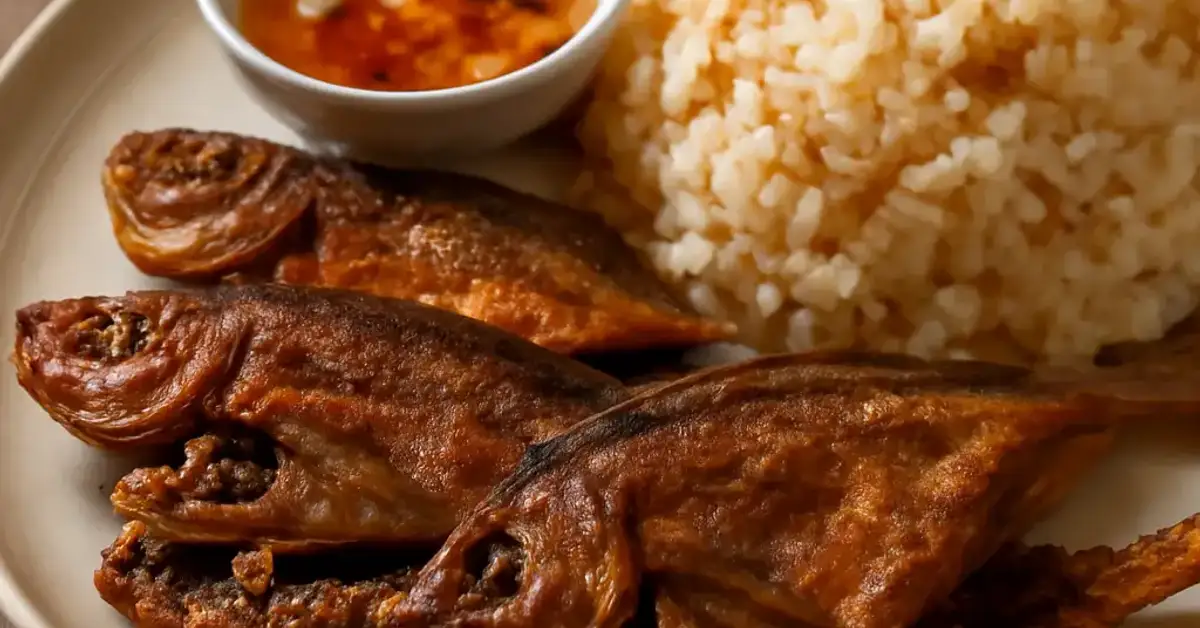
I still remember the first time I bit into a perfectly fried danggit in a small eatery along the coast of Puerto Princesa. The crunch was so loud it turned heads. That morning, the plate held Palawan fried danggit, glistening garlic rice, a fried egg with a runny yolk, and a small bowl of vinegar with crushed siling labuyo. It was simple, yet unforgettable.
Palawan fried danggit comes from dried rabbitfish danggit, a small fish that locals sun-dry along the shores of Palawan. The drying process concentrates flavor and extends shelf life, making it a staple in many Palawan breakfast dishes. Unlike fresh fish, dried danggit develops a chewy-tender texture that, when fried, transforms into a crackling, savory crust. For a related guide, see Palawan Danggit Lamayo: The Sweet and Savory Dried Fish Delicacy.
This dish is deeply rooted in Palawan local cuisine and is also a signature of Visayan cuisine breakfast dishes. It represents the resourcefulness of Filipino coastal cuisine—taking a simple, abundant fish and turning it into a breakfast icon that travelers seek out across the archipelago.
Why the Crunch Matters in Filipino Breakfast Culture
Filipinos love texture contrast. A crispy danggit recipe delivers that satisfying snap, especially when paired with soft, buttery garlic rice and a runny egg. The crunch signals that the fish has been fried to perfection. Overcook it and it turns bitter; undercook it and it becomes chewy. Achieving that golden crackle is a skill passed down through generations.
For many, this Filipino comfort food breakfast evokes feelings of home—especially for those of us from Mindanao and the Visayas who grew up seeing danggit hung on bamboo poles under the morning sun. The aroma of frying danggit mixed with garlic is the scent of a classic Pinoy breakfast staple being made with love.
Danggit Preparation Method: From Sun-Dried Fish to Crispy Perfection
The beauty of sun-dried fish Philippines lies in its simplicity. But turning that dried fish into a plate of crispy danggit recipe requires a few deliberate steps. Below is the danggit preparation method I’ve refined after countless breakfasts in Davao and Palawan.
Step 1: Choose Quality Dried Danggit
Look for danggit that is firm, dry, and smells clean—like the sea, not overly fishy. Preferably, buy from Palawan or Visayas suppliers who practice traditional sun-drying. The best pieces have a light golden hue and are free from mold or soft spots.
Step 2: The Danggit Soaking Method to Reduce Saltiness
The biggest challenge in cooking danggit is how to reduce saltiness in danggit. Soaking is the answer. Place the fish in a bowl of cold water and let it sit for 10–15 minutes. This rehydrates the flesh slightly and draws out excess salt. For a milder flavor, change the water once halfway through.
After soaking, drain the fish and pat them thoroughly dry with paper towels. Any remaining moisture will cause the fish to steam instead of fry, robbing you of that perfect crunch.
Step 3: Pan-Frying for the Ultimate Crunch
Heat a non-stick or cast-iron pan over medium heat. Add enough oil to coat the bottom generously—about ¼ cup. When the oil shimmers, lay the danggit pieces in a single layer. Do not overcrowd the pan; fry in batches if needed.
Fry for 2–3 minutes per side until deep golden brown and crispy. The sizzle should be loud and steady. Transfer to a plate lined with paper towels to drain excess oil. This pan-fried dried fish recipe yields danggit that shatters with each bite.
Step 4: Keep Warm While Prepping the Rice
Warm up leftover rice in a skillet with minced garlic and a splash of oil. Cook until the garlic is toasted and the rice is slightly charred. Serve the danggit alongside the garlic rice and fried fish combo, with a fried egg on the side. This is the complete Filipino ulam breakfast ideas trio that locals swear by.
What to Pair with Danggit: The Ultimate Island Breakfast Plate
No fried danggit breakfast is complete without its traditional companions. The classic pairing is danggit with garlic rice and a sunny-side-up egg. This golden trinity is known across the Philippines as a high-energy, satisfying meal.
For a truly local experience, serve a vinegar dipping sauce for danggit. Combine white or cane vinegar with minced garlic, sliced red onion, a pinch of salt, and crushed siling labuyo (bird’s eye chili). Let it rest for 10 minutes before serving. The acidity cuts through the richness of the fried fish and cleanses the palate for the next bite.
Other excellent pairings include:
- Atchara (pickled green papaya) — for a sweet-sour contrast
- Fresh tomato slices with sea salt
- Sinangag (garlic fried rice) made with day-old rice
- Hot black coffee or barako coffee
These components turn a simple meal into a memorable island breakfast dishes Philippines experience. For many, this is the definition of Filipino comfort food breakfast—familiar, nourishing, and deeply satisfying.
Health Benefits and Nutrition of Crispy Dried Fish
Many people ask, is danggit healthy? The answer is yes—when prepared mindfully. Danggit is an excellent source of complete protein, calcium (from the edible bones), and omega-3 fatty acids. A typical serving (about 100 grams of dried fish) provides around 20 grams of protein, making it a fantastic high-protein Filipino breakfast option.
Because it’s sun-dried, the fish retains most of its nutrients without the need for preservatives. However, the salt content can be high, which is why the danggit soaking method is essential. Soaking reduces sodium by up to 30%, making the dish suitable for those watching their salt intake.
For a truly budget Filipino breakfast meals option, danggit is hard to beat. A small pack costs less than a cup of coffee in many cafés abroad, yet provides a protein punch that keeps you full until lunch. When paired with garlic rice and an egg, it’s a complete, balanced meal that costs only a few pesos per serving.
Calorie Comparison: Danggit vs. Other Breakfast Proteins
| Breakfast Protein (100g) | Calories | Protein | Fat | Cost per serving (PHP) |
|---|---|---|---|---|
| Fried danggit | 210 kcal | 20 g | 12 g | 15–25 |
| Beef tapa | 330 kcal | 18 g | 24 g | 40–60 |
| Chicken adobo | 280 kcal | 22 g | 18 g | 35–50 |
| Fried egg (2 pcs) | 160 kcal | 12 g | 12 g | 10–15 |
As the table shows, danggit offers an excellent protein-to-cost ratio, making it one of the most economical simple Filipino breakfast recipes available.
Tips for Consistent Crispy Results Every Time
Over the years, I’ve gathered crispy dried fish cooking tips that work every time. Here are the most important ones to ensure your Palawan fried danggit turns out perfect, batch after batch.
Oil Temperature and Type
Use oil with a high smoke point—coconut oil, canola oil, or peanut oil. Heat it to around 350°F (175°C). If the oil isn’t hot enough, the fish will absorb oil and become greasy. If it’s too hot, the outside burns before the inside crisps. A handy test: dip a corner of the fish into the oil. It should sizzle immediately but not smoke violently.
Do Not Over-Soak
Soaking longer than 20 minutes makes the fish too soft and difficult to crisp. Stick to 10–15 minutes for how to cook fried danggit crispy outcomes. For extra-crispy results, soak, drain, then air-dry the fish in the refrigerator for 30 minutes before frying. This step removes surface moisture entirely.
Use a Splatter Screen
Dried fish can pop when it hits hot oil. A splatter screen keeps your stove clean and prevents burns. This small tool makes cooking danggit less intimidating for beginners.
Fry in Small Batches
Crowding the pan lowers the oil temperature and causes steaming. Fry only 4–5 pieces at a time, depending on pan size. This tip is critical in any how to cook fried danggit crispy guide.
Food Tourism and Palawan’s Breakfast Culture
Food tourism Palawan is growing fast, and danggit is at the heart of it. Travelers don’t just come for the underground river or the lagoons—they come for the taste of traditional island meals that can’t be replicated elsewhere.
In Puerto Princesa, El Nido, and Coron, many inns and local eateries serve danggit as part of their breakfast menu. Some even offer cooking classes where you can learn the danggit preparation method firsthand. It’s a beautiful example of Filipino food heritage being shared with the world.
For content creators and food bloggers, documenting the experience of eating Palawan fried danggit in its native setting is gold. The visual of golden fish against a backdrop of turquoise water, paired with a steaming mound of garlic rice, is pure storytelling material. This is exactly the kind of content that performs well in breakfast ideas Philippines 2026 searches, especially as travel and food content continue to merge.
Useful Resources
To deepen your knowledge of sun-dried fish Philippines and regional cooking techniques, check out these credible resources:
- FAO Philippines Fisheries Profile — Official data on Philippine fish processing, including sun-drying traditions and sustainability practices.
- Rappler: Filipino Breakfast Dishes Around the Philippines — An engaging feature on regional breakfast staples, including danggit and other traditional breakfast dishes.
These references support the cultural and culinary context shared in this guide and offer readers a deeper dive into the world of Filipino coastal cuisine.
From the shores of Palawan to breakfast tables around the world, Palawan fried danggit remains a timeless dish that captures the soul of Filipino coastal cuisine. Whether you’re a home cook perfecting your crispy danggit recipe or a traveler dreaming of island mornings, this delicacy invites you to savor every crunchy bite. Try it this weekend with garlic rice and fried fish combo, and taste why it’s a beloved traditional Filipino breakfast food. For a related guide, see Palawan Seafood Paella: The Island-Inspired Rice Delicacy Rich in Flavor.
Frequently Asked Questions About Palawan Fried Danggit
What is danggit?
Danggit is the local name for dried rabbitfish (Siganus spp.), a small reef fish commonly sun-dried in the Philippines, especially in Palawan and the Visayas. It is prized for its mild flavor and ability to become extremely crispy when fried.
How to cook fried danggit?
Soak dried danggit in cold water for 10–15 minutes to remove excess salt. Pat dry thoroughly, then pan-fry in hot oil (350°F) for 2–3 minutes per side until golden and crisp. Drain on paper towels and serve immediately.
Why is danggit popular in the Philippines?
Danggit is affordable, high in protein, and has a long shelf life due to sun-drying. Its crunchy texture and savory flavor make it a beloved traditional Filipino breakfast food that pairs perfectly with garlic rice and eggs.
What to pair with danggit?
Danggit is traditionally paired with garlic fried rice (sinangag), a fried egg, and a spicy vinegar dipping sauce. Pickled vegetables (atchara) and fresh tomatoes are also excellent accompaniments.
Is danggit healthy?
Yes, danggit is a lean protein source rich in calcium and omega-3 fatty acids. However, it can be high in sodium. Soaking before cooking reduces salt content significantly, making it a healthier option.
How to make danggit less salty?
Soak the danggit in cold water for 10–15 minutes, changing the water once if needed. Pat dry thoroughly before frying. This danggit soaking method removes up to 30% of the salt.
Best Filipino breakfast dishes?
Some of the best classic Pinoy breakfast staples include Palawan fried danggit, tapsilog (beef tapa), longsilog (sweet sausage), and adobo. These are served with garlic rice and egg.
Traditional breakfast in Palawan?
A traditional breakfast in Palawan centers on Palawan fried danggit, fried rice, fresh fruits like mango or papaya, and locally roasted coffee. It reflects the island’s coastal resources and simple cooking style.
Filipino dried fish recipes?
Popular Filipino dried fish recipes include fried danggit, fried tuyo (herring), and fried pusit (squid). All follow a similar process: soak, dry, fry until crispy, and serve with vinegar dip.
Island breakfast food culture?
Island breakfast culture in the Philippines emphasizes fresh, preserved, and locally sourced ingredients. Sun-dried fish, fresh tropical fruits, and garlic rice are common across coastal regions like Palawan, Cebu, and Siargao.
How to store dried danggit?
Store dried danggit in an airtight container in a cool, dry place away from direct sunlight. For longer storage, refrigerate or freeze. Properly stored, it keeps for up to 6 months.
Can I air-fry danggit?
Yes. Soak and pat dry the danggit, then lightly brush with oil. Air-fry at 380°F for 8–10 minutes, shaking halfway through. The result is a slightly less oily but still crispy version.
What vinegar is best for danggit dipping sauce?
Cane vinegar or white vinegar works best. Add minced garlic, sliced red onion, salt, and siling labuyo for a classic vinegar dipping sauce for danggit. Let it sit for a few minutes before serving.
Is danggit the same as tuyo?
No. Danggit is dried rabbitfish, while tuyo is dried herring (Clupeidae). Danggit has a milder flavor and becomes crispier than tuyo, which is saltier and stronger in taste.
How many calories in fried danggit?
A 100-gram serving of fried danggit contains approximately 210 calories, 20 grams of protein, and 12 grams of fat. It is a moderate-calorie, high-protein breakfast option.
Best oil for frying danggit?
Coconut oil is preferred for its high smoke point and complementary flavor. Canola or peanut oil are also excellent choices. Avoid olive oil as it burns at high temperatures.
Can I eat danggit without soaking?
You can, but the fish will be very salty and less tender. Soaking is recommended for a balanced flavor and better texture. It also helps achieve a more even crisp.
How to make danggit not oily?
Ensure the oil is hot enough (350°F) before adding the fish. Drain fried danggit on paper towels immediately. Using an air fryer also reduces oil absorption significantly.
Is danggit sustainable?
Rabbitfish (danggit) are generally considered sustainable because they are abundant in Philippine waters and reproduce quickly. However, always buy from reputable sources that follow responsible fishing practices.
Where to buy authentic Palawan danggit?
Authentic Palawan fried danggit is best bought from local markets in Palawan such as Puerto Princesa Public Market. Online, many Filipino specialty stores ship dried danggit nationwide and internationally.

Jin Grey is a Filipino Senior SEO Consultant and AI-First SEO Strategist who helps international brands grow through modern search strategies. She specializes in technical SEO, semantic keyword research, and AI-ready content creation. She is also the owner of JinGrey.com.
As a digital nomad, she loves exploring the world and trying different cuisines during her free time.