
Palawan Halo-Halo Key Takeaways
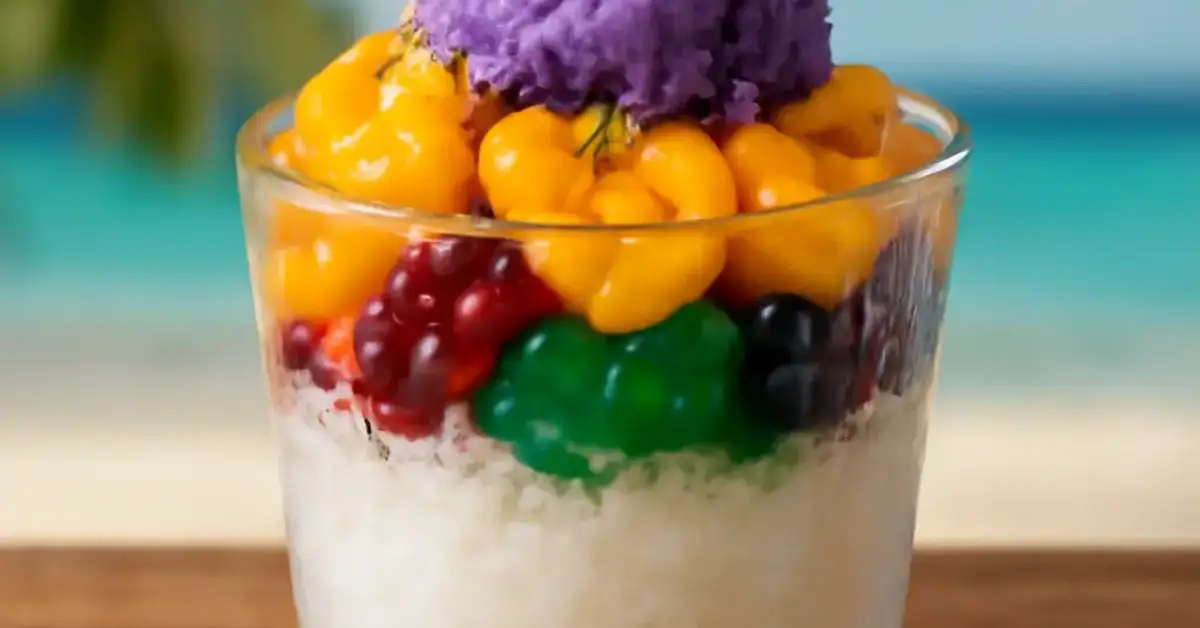
Palawan halo-halo is more than a dessert — it is a vibrant, layered shaved ice experience that captures the soul of tropical island life.
- Palawan halo-halo stands out with island-grown ingredients like young coconut, camote, saba bananas, and langka, giving it a uniquely fresh sweetness.
- The best way to enjoy this colorful Filipino dessert is on a hot afternoon at a beachside kubo, where the crushed ice melts into a symphony of creamy, fruity, and nutty flavors.
- Tourists and locals alike seek out Palawan’s local eateries for this refreshing summer dessert , which has become a symbol of the island’s culinary charm.
What Readers Should Know About Palawan Halo-Halo
I remember my first taste of Palawan halo-halo as if it were yesterday. I had just stepped off a bancang outrigger in El Nido, my skin sticky with salt and sun, when a woman behind a small wooden cart smiled and handed me a tall glass of rainbow-colored ice. It was love at first spoonful. Born and raised in Isulan, Sultan Kudarat, and now living in Davao City, I thought I knew every inch of Filipino frozen dessert. But that day, on a tiny island in Palawan, I realized there was a whole new world of shaved ice delicacy waiting to be discovered. For a related guide, see Palawan Coconut Shrimp: The Crispy Seafood Delicacy with Tropical Taste.
Palawan is famous for its limestone cliffs, turquoise lagoons, and pristine beaches. But for those in the know, the province also boasts some of the most creative and delicious Palawan dessert specialties in the country. And at the top of that list sits the ever-colorful, ever-refreshing Palawan halo-halo.
What Makes Palawan Halo-Halo Different from Ordinary Halo-Halo?
You might be wondering, how different can a halo-halo recipe be from one town to another? In the Philippines, halo-halo is as beloved as adobo — every region puts its own spin on it. But Palawan’s version is something else entirely.
Local Ingredients That Shine
Most halo-halo Philippines variations share a base of sweet beans, saba bananas, and macapuno. But in Palawan, the ingredient list takes a deep dive into the local harvest. You will likely find fresh young coconut strips called buko, soft cubes of sweet potato (camote), langka (jackfruit), pinipig (crispy young rice flakes), and slices of ube halaya — that gorgeous purple yam that gives the dessert its signature color. Some versions even include a small scoop of ice cream or homemade leche flan on top.
The creamy halo-halo texture comes from the generous drizzle of fresh coconut milk, a staple in Palawan. It replaces the evaporated milk commonly used in Bicol or Manila versions, giving the dessert a lighter, almost milky sweetness that pairs beautifully with the crunchy ice.
Island-Style Halo-Halo: A Feast for the Senses
Have you ever crushed ice and watched the heat melt it before you finish your first sip? That is the reality of island-style halo-halo in Palawan. But instead of being a problem, the quick melt becomes part of the experience. Each sip becomes a drink, each spoonful a different combination of colorful sweet delicacy. The key is the layering — beans on the bottom, then fruits, then ube, then leche flan, then ice. You are meant to mix it all together with a long spoon until the ice turns pink, yellow, and purple. That is when the magic happens.
Why Is Halo-Halo Popular in the Philippines?
The Philippines is a tropical country where the heat can be relentless. From March to June, temperatures soar, and the humidity is sticky. That is why Filipinos have perfected the art of cold refreshment. Halo-halo Philippines is not just a dessert — it is a solution. It is the refreshing summer dessert that cools you down and lifts your spirits.
But there is another reason: it is a celebration of Filipino resourcefulness. What is halo-halo? Simply put, it is a mix of whatever sweet ingredients are available — leftover beans, boiled taro, grated coconut, jackfruit, jelly, and anything else in the pantry — piled high over a mountain of crushed ice. It reflects the Filipino knack for turning simple components into something extraordinary.
Colorful Filipino Dessert: A Cultural Icon
Walk through any market in Puerto Princesa or along the beaches of Coron, and you will see vendors selling plastic cups filled with colorful Filipino dessert. It is the Filipino merienda favorite shared among friends after a swim, or a quick treat on a lunch break. It transcends social class — you can buy a humble cup from a street stall for ₱30 or a fancy mason-jar version at a resort for ₱250. Either way, the joy is the same.
How Is Halo-Halo Made? A Simple Breakdown
If you want to understand how is halo-halo made, it helps to think of it as a layered salad of sweet treats. The process is straightforward but the result is a masterpiece of contrasts: cold and creamy, chewy and crunchy.
Step 1: Prepare the Base Ingredients
The foundation includes sweetened red mung beans (monggo), garbanzos, macapuno (coconut sport), saba banana slices, and langka strips. These are boiled or candied ahead of time.
Step 2: Add the Ube and Leche Flan
Ube halo-halo is a non-negotiable for many. A generous spoonful of ube halaya is placed at the bottom or middle of the glass. Then, a slice of creamy leche flan halo-halo — that silky caramel custard — adds richness.
Step 3: Pile on the Crushed Ice
The ice in a crushed ice dessert like halo-halo must be fine — almost like snow. Traditionally, vendors shave ice from a large block using a manual machine. Today, electric ice shavers do the trick. The ice is packed into the glass until it overflows.
Step 4: Drizzle and Top
The final touch is a pour of fresh coconut milk or evaporated milk, a sprinkle of pinipig, and sometimes a scoop of ube or vanilla ice cream. A cherry on top and you are done.
Why Is Halo-Halo Called Halo-Halo?
One of the most common questions from tourists: why is halo-halo called halo-halo? The answer is delightfully simple. In Tagalog, “halo” means “mix.” So halo-halo literally means “mix-mix.” And that is exactly what you do before eating it — you mix everything together with a long spoon until the colorful layers turn into a single, harmonious, delicious mess. The name itself is a verb and a noun, capturing both the action and the dessert.
The Role of Ube in Halo-Halo
Ask any Filipino what is the role of ube in halo-halo, and they will tell you it is the soul of the dessert. Ube, or purple yam, brings a natural sweetness, a vibrant violet hue, and a creamy, dense texture that anchors the whole dish. Whether it is ube halo-halo or a side topping, it is the ingredient that makes the dessert instantly recognizable. Some authentic Filipino sweets lovers even seek out halos that double the ube portion — and that is a wise choice.
Palawan Dessert Specialties Beyond Halo-Halo
While Palawan halo-halo deserves the spotlight, the island is also home to other local desserts Palawan. You can try binurong mangga (fermented green mango) as a sour-sweet treat, or buko pie with a crisp crust and creamy filling. But if you are asking what desserts are famous in Palawan, halo-halo remains the undisputed champion among summer delicacies Palawan. For a related guide, see Palawan Mango Float: The Chilled Dessert Delicacy Perfect for Summer.
Is Halo-Halo a Dessert or Snack?
When people ask is halo-halo a dessert or snack, the honest answer is both. In the Philippines, it falls under the category of merienda, which is the mid-afternoon snack. But because of its sweetness and cold temperature, it is also served as a dessert after lunch or dinner. It is a sweet frozen delicacy that fits any time of day, especially when the sun is blazing.
Does Halo-Halo Taste Good? What Does It Taste Like?
Describing what does halo-halo taste like is like describing a rainbow. It starts with the clean, neutral crunch of shaved ice. Then the sweetness of milk, the earthy richness of beans, the fruity tang of jackfruit, the creaminess of leche flan, and the nutty finish of pinipig all come together. Every spoonful is a surprise. Some bites are coconut-forward; others are purple and sweet from ube. It is a mixed dessert Philippines at its finest.
Why Is Halo-Halo Perfect for Hot Days?
If you are spending a day island-hopping in Palawan, you will feel the sun on your neck by 10 a.m. Why is halo-halo perfect for hot days? Because nothing beats a glass of icy, sweet, creamy refreshment when you are overheated. The cold temperature regulates your body heat, the sugar gives you a quick energy boost, and the fruits provide hydration. It is science wrapped in a Filipino comfort dessert.
Can Tourists Find Halo-Halo in Palawan?
Yes, and easily. Can tourists find halo-halo in Palawan? Absolutely. From the public market of Puerto Princesa to the beachfront grills of El Nido, halo-halo is everywhere. Look for the bright signage of a small eatery or the cart of a local vendor. Many resorts also offer their own version as part of their beachside treats Philippines menu. Just ask for “halo-halo” and you will get a smile and a glass of happiness.
Is Halo-Halo Healthy?
I get this question a lot: is halo-halo healthy? The answer depends on portion and ingredients. On one hand, the dessert contains beans (fiber), fruits (vitamins), and coconut milk (healthy fats). On the other hand, it is sweetened, sometimes with condensed milk and sugar. It is a treat, not a health food. But a glass once in a while, especially after a day of swimming, is a joyful indulgence.
Why Do Filipinos Love Frozen Desserts?
The climate is the main reason why do Filipinos love frozen desserts. The tropical heat makes cold dishes a necessity for comfort. But beyond temperature, frozen desserts like halo-halo are social foods — shared with family on Sundays, served at fiestas, and enjoyed by friends at the beach. They represent togetherness and the Filipino love for sweet, layered, and colorful experiences.
What Makes Filipino Desserts Unique?
What makes Filipino desserts unique is the use of native ingredients like ube, langka, macapuno, and saba. They are not shy about sweetness. They also combine textures — soft, crunchy, creamy, and icy — all in one dish. The traditional Filipino dessert is never just one note; it is an orchestra of flavors.
How Do You Eat Halo-Halo Properly?
Filipinos have strong opinions on this. How do you eat halo-halo properly? First, do not stir the glass. Instead, use a long spoon to dig from the bottom, bringing up the beans and fruit as you go. Mix only when you are ready to eat. Some purists mix it all together using a fork and spoon until the colors blend. Others (like me) enjoy eating the layers one at a time, savoring each ingredient before the final mix. There is no wrong way — just your way.
What Are the Most Popular Summer Desserts in the Philippines?
Beyond halo-halo, Filipinos love what are the most popular summer desserts in the Philippines. These include sorbetes (dirty ice cream), maja blanca (coconut pudding), turon (fried banana rolls), and biko (sticky rice cake). But halo-halo remains the undisputed king of tropical shaved ice.
Useful Resources
For those wanting to dive deeper into Filipino desserts and halo-halo culture, check out the works of chef and food historian Ige Ramos, who documents traditional Filipino cuisine. Another excellent reference is the website Panlasang Pinoy Halo-Halo Recipe, which offers a traditional version you can recreate at home. For more on Palawan’s food scene, visit the Choose Philippines Palawan Food Guide.
If you are planning a trip to Palawan, make sure to leave room — not just in your suitcase, but in your stomach — for multiple rounds of Palawan halo-halo. Trust me, your first one will not be your last. Every island, every stall has its own secret ingredient, a little twist passed down through generations. It is a tropical dessert Philippines that stays with you long after the ice has melted. As a Filipino and a digital nomad who has tasted my way through many provinces, I can say with full confidence that this is the sweet frozen delicacy worth flying for.
Frequently Asked Questions About Palawan Halo-Halo
What is halo-halo?
Halo-halo is a popular Filipino frozen dessert made with a mix of sweetened beans, fruits, root crops, gelatin, and shaved ice, topped with milk, leche flan, and ube halaya. The name means “mix-mix” in Tagalog.
How is halo-halo made?
Layer sweetened beans, macapuno, saba bananas, langka, ube halaya, and other desired ingredients in a glass. Fill the glass with finely shaved ice, drizzle with coconut or evaporated milk, and top with leche flan and pinipig. Mix thoroughly before eating.
Why is halo-halo popular in the Philippines?
Because the tropical weather creates cravings for cold, sweet refreshment. It is also affordable, customizable, and a staple at fiestas, markets, and beachside kiosks across the country.
What makes Palawan halo-halo special?
Palawan versions emphasize local ingredients such as fresh young coconut (buko), camote (sweet potato), wild langka, and pure coconut milk instead of evaporated milk. This gives the dessert a lighter, more tropical flavor profile.
What ingredients are in halo-halo?
Common ingredients include sweetened red mung beans, garbanzos, macapuno, saba bananas, langka, ube halaya, leche flan, pinipig, and coconut or evaporated milk. Shaved ice holds it all together.
Why is halo-halo called halo-halo?
“Halo” means “mix” in Tagalog, so halo-halo literally means “mix-mix.” The name refers to the action of mixing all the ingredients together before eating.
Is halo-halo a dessert or snack?
It is considered both — it works as a dessert after a meal, but also as a merienda (mid-afternoon snack) in Filipino culture.
What toppings are used in halo-halo?
Common toppings include leche flan, ube halaya, pinipig, toasted coconut flakes, and sometimes a scoop of ube or vanilla ice cream. A maraschino cherry is often placed on top.
Is halo-halo served year-round?
Yes, but it is most popular during the hot summer months (March to June) when the demand for cold treats peaks. Many stalls sell it year-round in tourist areas of Palawan.
What does halo-halo taste like?
It is sweet, creamy, fruity, and nutty all at once. Each spoonful delivers a different combination of textures and flavors — from the earthy beans to the tropical fruit and rich custard.
Why is halo-halo perfect for hot days?
Its cold temperature and high water content cool the body quickly, while the sugars provide fast energy. It is the ultimate island refreshment for beating the tropical heat.
Can tourists find halo-halo in Palawan?
Yes. Halo-halo is widely available in Puerto Princesa, El Nido, Coron, and other towns. Look for it at local markets, street stalls, and resort restaurants.
What desserts are famous in Palawan?
Palawan is known for buko pie, binurong mangga, and most famously, Palawan halo-halo, which features local ingredients like young coconut and camote.
What is the difference between halo-halo and shaved ice desserts?
Halo-halo combines shaved ice with a variety of fillings and toppings, while simpler shaved ice desserts like ice candy or ice cream are typically just frozen liquid or cream. The key difference is the mix-in approach and the use of Filipino ingredients.
Is halo-halo healthy?
It contains fiber from beans and vitamins from fruits, but also includes sugar and sweetened ingredients. Enjoyed in moderation, it is a delightful treat but not a health food.
What is the role of ube in halo-halo?
Ube (purple yam) provides natural sweetness, a vibrant color, and a creamy, dense texture that balances the icy crunch. It is considered the soul of the dessert by many fans.
Why do Filipinos love frozen desserts?
Because of the tropical heat and humidity. Frozen desserts like halo-halo offer immediate relief and are often shared, making them part of social gatherings and family traditions.
What makes Filipino desserts unique?
The use of native ingredients like ube, langka, saba, and macapuno, combined with multiple textures (crunchy, creamy, icy) and bold sweetness, sets them apart from other Asian desserts.
How do you eat halo-halo properly?
Use a long spoon to reach the bottom layers. Mix all the ingredients together until the ice turns a uniform pastel color. Then enjoy each spoonful slowly. Do not be afraid to use your hands — it is a messy, joyful experience.
What are the most popular summer desserts in the Philippines?
The top summer desserts are halo-halo, sorbetes (dirty ice cream), turon, maja blanca, and biko. Halo-halo remains the most iconic and beloved across all regions.

Jin Grey is a Filipino Senior SEO Consultant and AI-First SEO Strategist who helps international brands grow through modern search strategies. She specializes in technical SEO, semantic keyword research, and AI-ready content creation. She is also the owner of JinGrey.com.
As a digital nomad, she loves exploring the world and trying different cuisines during her free time.