
Palawan Cassava Cake Key Takeaways
Palawan cassava cake is a creamy, velvety baked dessert made from grated cassava root, rich coconut milk, and condensed milk.
- Palawan cassava cake offers a uniquely creamy texture because of the generous use of coconut milk and a custard-like topping.
- It is a classic example of Filipino kakanin — traditional rice or root-crop desserts — but made with cassava instead of glutinous rice.
- Tourists and locals in Palawan can find this sweet treat in public markets, roadside stalls, and even upscale resort buffets.
What Makes Palawan Cassava Cake a Standout Dessert
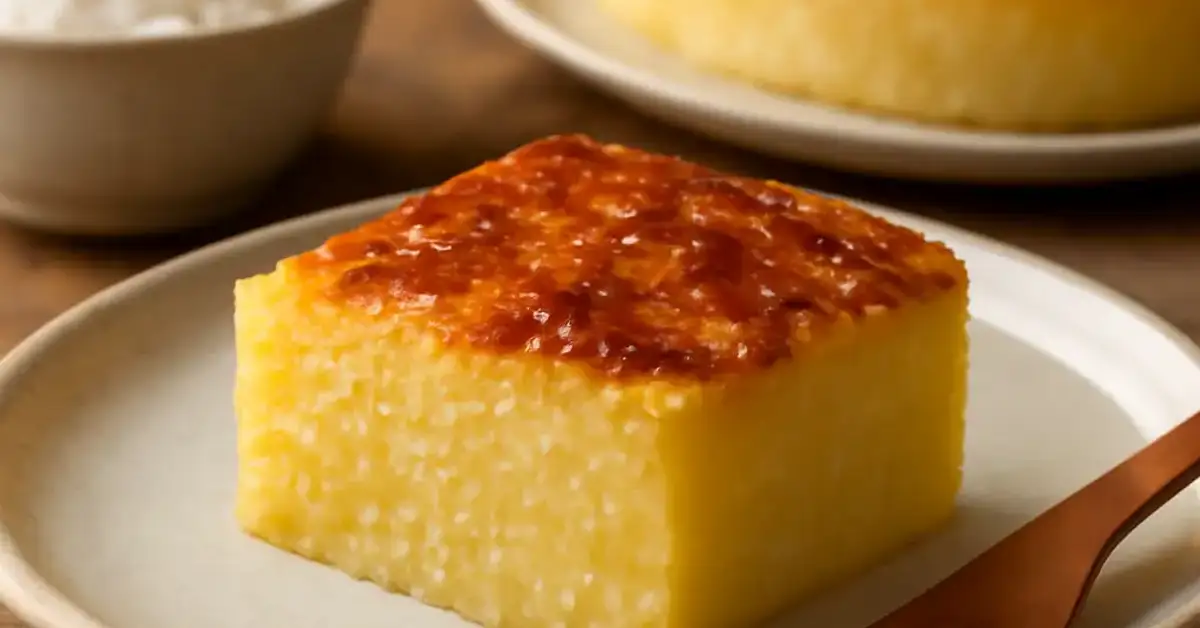
I have traveled across many islands in the Philippines, from the surf towns of Siargao to the heritage streets of Vigan, but few desserts have stopped me in my tracks like the Palawan cassava cake I first tried in Puerto Princesa. It was not just sweet — it was creamy in a way that felt luxurious, almost like a baked cheesecake but made entirely from a humble root crop. The cassava cake Philippines is known for, especially the version from Palawan, uses freshly grated cassava that gives it a tender, moist crumb. Unlike the dense, chewy texture of some Filipino kakanin, this cake is soft and melts on the tongue. The secret is in the ratio of coconut milk cassava cake preparation: a higher proportion of coconut milk and eggs creates a custard-like interior that is both rich and light.
The Cultural Roots of Cassava Desserts in the Philippines
Cassava — also known as yuca or manioc — arrived in the archipelago via Spanish galleon trade from the Americas. Over centuries, it became a staple crop in many provinces, especially in the Visayas and Mindanao. But the traditional Filipino dessert we now call cassava cake evolved differently in each region. In Palawan, the version leans heavily on the island’s abundant coconut harvests. The locals grate fresh cassava, mix it with coconut milk, sugar, and sometimes butter, then bake it until golden. The result is a sweet cassava delicacy that pairs perfectly with a hot cup of kapeng barako or strong local coffee. For a related guide, see Palawan Mango Float: The Chilled Dessert Delicacy Perfect for Summer.
The Filipino cassava dessert is more than just a sweet ending to a meal — it is a representation of resourcefulness. Families in rural Palawan would use cassava from their backyard and coconuts from nearby trees, making it an affordable, everyday treat. Today, this cassava root dessert has crossed over into mainstream Filipino cuisine and is served at fiestas, town celebrations, and even high-end restaurants.
What Makes the Palawan Version Different
Throughout the country, you will find variations of baked cassava cake, but the Palawan food specialties interpretation stands out for two reasons: the use of fresh young coconut meat folded into the batter, and a thick, caramelized custard topping made from egg yolks and condensed milk. This topping is broiled after baking, creating a golden, slightly sticky crust that contrasts beautifully with the soft cassava base. It is a creamy native dessert that reminds me of the island desserts Philippines are famous for — tropical, indulgent, and unpretentious. For a related guide, see Palawan Grilled Lobster: The Island Delicacy Perfect for Seafood Lovers.
Ingredients That Create the Perfect Creamy Texture
To make an authentic homemade cassava cake, you need just a handful of ingredients, but quality matters. Here are the key components and why each one matters.
- Fresh cassava root: Grated finely, it provides the bulk and structure. Avoid frozen or pre-grated cassava if possible, as it tends to be watery.
- Coconut milk: This is the heart of the coconut cassava dessert. Full-fat coconut milk gives the cake its velvety, creamy mouthfeel.
- Condensed milk: Adds sweetness and helps with browning during baking.
- Eggs: Provide richness and help bind the cake without making it dense.
- Butter or margarine: Adds moisture and a subtle salty note that balances the sweetness.
- Young coconut strips (optional): Many local delicacies Palawan feature this addition for extra texture.
When combined, these ingredients produce a creamy cassava cake that holds its shape but still feels soft and almost pudding-like on the fork. The cassava pudding cake style is especially popular among those who prefer a softer, less firm dessert.
How Is Cassava Cake Made? A Simple Overview
People often ask me, “How is cassava cake made?” It is simpler than you might think, though the baking technique takes practice. Here is a step-by-step outline of the traditional method.
- Prepare the cassava: Peel and wash the fresh cassava root thoroughly. Grate it finely using a box grater or a food processor.
- Mix the batter: Combine the grated cassava with coconut milk, condensed milk, eggs, melted butter, and a pinch of salt. Stir until smooth.
- First bake: Pour the mixture into a greased baking pan. Bake at 350°F (175°C) for about 40 to 45 minutes, until the cake is set but still slightly soft in the centre.
- Prepare the topping: Whisk together egg yolks, condensed milk, and a little coconut milk to create a custard.
- Second bake: Pour the topping over the pre-baked cake and return to the oven. Broil for 5 to 8 minutes until the top is golden and bubbly.
- Cool and serve: Let the cake cool completely before slicing. This step is crucial for achieving a clean, neat slice.
This cassava cake recipe is the foundation, but bakers in Palawan often tweak it. Some add macapuno (coconut sport) for extra sweetness, while others sprinkle grated cheese on top for a salty contrast that Filipinos love.
Baked vs. Steamed Cassava Cake
Another question I hear from dessert enthusiasts is, “Is cassava cake served hot or cold?” The answer is both, depending on the preparation method. The baked version, which is the Palawan specialty, is typically served at room temperature or slightly chilled. The steamed version, sometimes called cassava puto, is softer and often served warm. For the creamy native dessert experience, the baked style is superior because the dry heat of the oven concentrates the flavours and creates a firmer, sliceable texture.
Where to Try Authentic Palawan Cassava Cake
If you are planning a trip to the island, you might wonder “Where can tourists try cassava cake in Palawan?” I have collected a few reliable spots based on my own visits and recommendations from local foodies.
| Location | Type of Vendor | Notable Feature |
|---|---|---|
| Puerto Princesa Public Market | Market stall | Freshly baked daily, very affordable |
| Baker’s Hill (Puerto Princesa) | Bakery and theme park | Tourist-friendly, clean, and consistent quality |
| Roadside stands along Nacional Highway | Street vendor | Often uses family recipes; best for adventurous eaters |
| Ka Inato Restaurant (multiple branches) | Restaurant | Uses high-quality ingredients; great for first-timers |
| Dos Palmas Resort (Honda Bay) | Resort buffet | Elegant presentation; sometimes served warm |
These are just a few examples of Palawan local food experiences. I recommend visiting the public market early in the morning, around 7 AM, to get a freshly baked tray. The aroma alone is worth the early wake-up call.
Why Filipinos Love Native Delicacies Like Cassava Cake
The question “Why do Filipinos love native delicacies?” has a layered answer. For one, these desserts connect us to our provincial roots. When I bite into a piece of Palawan cassava cake, I am transported back to my childhood in Isulan, Sultan Kudarat, where my grandmother would bake a similar version for Sunday afternoon merienda. It is a Filipino merienda favorite because it is filling enough to tide you over until dinner but not overly heavy. The traditional kakanin recipe has been passed down through generations, with each family adding its own touch. Moreover, these native Filipino sweets are made from local, accessible ingredients — cassava, coconut, sugar — which means anyone can whip up a batch without breaking the bank.
There is also a nostalgic comfort in the texture. The soft, creamy bite of a cassava-based dessert feels like a warm hug, especially on a rainy afternoon. That is why classic Filipino snacks like this remain popular despite the influx of Western pastries and cakes.
Serving Suggestions and Pairings
One of the best things about Palawan cassava cake is its versatility. Here are a few ways to serve it for different occasions.
- As a merienda snack: Slice into small squares and serve with a cup of strong black coffee or warm tsokolate (Filipino hot chocolate).
- As a party dessert: Top with toasted coconut flakes and a drizzle of caramel sauce for an elegant finish.
- As a breakfast treat: Eat a slice alongside fresh tropical fruits like mango or papaya for a sweet start to the day.
- As a pasalubong (souvenir): Wrap individual slices in banana leaves or parchment paper. The cake travels well and stays fresh for a couple of days.
For those who love the sweet island delicacy experience, try pairing it with a cold glass of buko juice (young coconut water) — the combination is refreshing and satisfying.
Storage Tips and Shelf Life
If you buy or make a large batch, you might wonder “How long does cassava cake last?” At room temperature, if covered, it stays fresh for about one to two days. Because it contains dairy (condensed milk and eggs), it is safer to refrigerate it. In the fridge, wrapped tightly in plastic wrap or kept in an airtight container, the cake will last up to five days. You can also freeze individual slices for up to one month. To reheat, simply microwave a slice for 15 to 20 seconds or warm it in a toaster oven at 300°F (150°C) for five minutes. Avoid overheating, as the coconut milk can separate and make the cake greasy.
Useful Resources
For those who want to explore more about Filipino cassava desserts and the culinary culture of Palawan, I recommend these two credible resources. The first is a comprehensive guide from the Philippine Department of Tourism that highlights Palawan food specialties and local delicacies. The second is an in-depth article from the Southeast Asian Food Institute that explains the science behind cassava cake Philippines preparation and its regional variations.
Frequently Asked Questions About Palawan Cassava Cake
What is cassava cake?
Cassava cake is a traditional Filipino dessert made from grated cassava root, coconut milk, condensed milk, eggs, and sugar, baked until golden and creamy. It is commonly served as a snack or dessert throughout the Philippines, especially in Palawan.
How is cassava cake made?
Cassava cake is made by combining freshly grated cassava with coconut milk, eggs, condensed milk, and butter, then baking the mixture. A custard topping made from egg yolks and condensed milk is added during the final baking stage to create a rich, golden crust.
Why is cassava cake popular in the Philippines?
Cassava cake is popular because it uses inexpensive, locally available ingredients like cassava and coconut. It is easy to make, has a comforting creamy texture, and satisfies the Filipino love for sweet, filling merienda treats.
What makes Palawan cassava cake special?
Palawan cassava cake stands out for its exceptionally creamy texture, generous use of fresh young coconut meat, and a broiled custard topping that creates a caramelized, slightly sticky crust. The local coconut harvests give it a fresher, richer flavour compared to versions from other regions.
What ingredients are used in cassava cake?
The main ingredients are fresh cassava root, coconut milk, condensed milk, eggs, butter or margarine, and sugar. Some versions add young coconut strips, macapuno, or grated cheese for extra flavour and texture.
Is cassava cake a traditional Filipino dessert ?
Yes, cassava cake is considered a traditional Filipino dessert, rooted in the country’s history of using root crops and coconut in sweets. It belongs to the family of kakanin, traditional native rice or root-crop desserts.
What does cassava cake taste like?
Cassava cake tastes sweet, rich, and mildly nutty from the coconut milk. It has a creamy, almost custard-like texture with a slight chewiness from the grated cassava. The topping adds a caramelised sweetness reminiscent of leche flan.
Why is cassava used in Filipino desserts?
Cassava is widely grown in the Philippines and is affordable, filling, and naturally sweet. It has a high starch content that makes it ideal for puddings, cakes, and other desserts because it lends a soft, tender crumb without requiring wheat flour.
Is cassava cake served hot or cold?
Cassava cake is most commonly served at room temperature. Baked versions can also be enjoyed slightly chilled, especially in warm tropical weather. Steamed versions are sometimes served warm straight from the steamer.
What is the texture of cassava cake?
The texture is soft, creamy, and moist, with a slight graininess from the grated cassava. The top layer is firm and slightly sticky from the caramelised custard, while the interior remains tender and almost pudding-like.
Can cassava cake be made with coconut milk?
Yes, coconut milk is a key ingredient in cassava cake. It provides the rich, creamy base that defines the dessert. Using full-fat coconut milk gives the best texture and flavour.
Is cassava cake a kakanin?
Yes, cassava cake is classified as kakanin, the Filipino term for traditional desserts made from rice or root crops. Although kakanin originally referred to glutinous rice treats, the category now includes cassava-based sweets as well.
What makes cassava cake creamy?
The creaminess comes from the combination of full-fat coconut milk, eggs, and condensed milk, which create a rich custard texture when baked. The grated cassava itself also releases starch that contributes to the smooth mouthfeel.
Where can tourists try cassava cake in Palawan?
Tourists can find cassava cake at the Puerto Princesa Public Market, Baker’s Hill, roadside stalls along the Nacional Highway, Ka Inato Restaurant, and resort buffets such as Dos Palmas in Honda Bay. These are well-known spots for authentic local desserts.
What desserts are famous in Palawan?
Besides cassava cake, Palawan is known for desserts like ube halaya, buko pie, sapin-sapin, and fresh fruit salads made with local mangoes, bananas, and young coconut. Most of these desserts highlight coconut and root crops.
Is cassava cake a good merienda snack?
Absolutely. Cassava cake is a beloved merienda snack in the Philippines because it is filling, sweet, and pairs wonderfully with coffee or hot chocolate. A small slice provides enough energy to bridge the gap between lunch and dinner.
How long does cassava cake last?
Cassava cake stays fresh at room temperature for one to two days when covered. In the refrigerator, it keeps for up to five days. It can also be frozen for up to one month if wrapped tightly.
What toppings are used on cassava cake?
Common toppings include a sweet custard made from egg yolks and condensed milk, toasted coconut flakes, grated cheese, and occasionally macapuno (coconut sport). Some bakers add a drizzle of caramel sauce for extra decadence.
Why do Filipinos love native delicacies?
Filipinos love native delicacies because they evoke nostalgia, use local ingredients, and are deeply tied to family traditions and regional identity. These sweets are often served during celebrations, fiestas, and everyday merienda, making them part of the cultural fabric.
What are the most popular Filipino kakanin desserts?
The most popular kakanin include bibingka (rice cake with salted egg and cheese), puto (steamed rice cakes), kutsinta (chewy brown rice cake), suman (sticky rice wrapped in banana leaves), sapin-sapin (layered glutinous rice cake with coconut), and cassava cake.

Jin Grey is a Filipino Senior SEO Consultant and AI-First SEO Strategist who helps international brands grow through modern search strategies. She specializes in technical SEO, semantic keyword research, and AI-ready content creation. She is also the owner of JinGrey.com.
As a digital nomad, she loves exploring the world and trying different cuisines during her free time.